
Steps, Gray’s Inn — History & Facts
What if beauty was never meant to be finished? In the haunting stillness of Steps, Gray's Inn, a sense of emptiness permeates, inviting contemplation and introspection. Look to the center of the composition, where the shallow steps descend into an undefined space. Observe the delicate interplay of light and shadow, as soft grays and muted tones create a feeling of quiet melancholy. The strokes used are both confident and tentative, suggesting a transient moment captured in time, while the blurred edges imply the presence of something just beyond the frame. In the vacant spaces between steps, there lies a tension between absence and presence.
Each step seems to whisper stories of those who have traversed them, evoking a sense of history and longing. The sparse background enhances the feeling of isolation, emphasizing that beauty often exists in what is not seen, in the silence that surrounds us. The contrast between the solid structure of the steps and the ethereal quality of the light evokes a profound emotional resonance, hinting at both the physical and metaphysical journey of life. During 1887–1892, Whistler was deeply engaged with the aesthetic movement, seeking to elevate visual experience and emotion in art.
Living in London at the time, he was influenced by the industrial changes around him, yet chose to focus on intimate, personal scenes that reflected his contemplative nature. This period marked a significant exploration of tonal harmony and composition, as he sought to capture the ephemeral, often leaving behind the bustling world to delve into quieter moments.
More Artworks by James Abbott McNeill Whistler
Browse all →
Nocturne in Blue and Silver
James Abbott McNeill Whistler
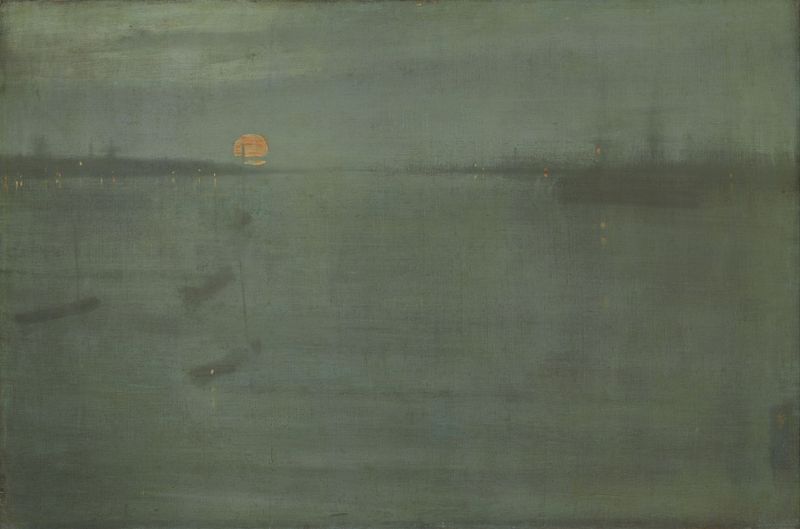
Nocturne: Blue and Gold–Southampton Water
James Abbott McNeill Whistler
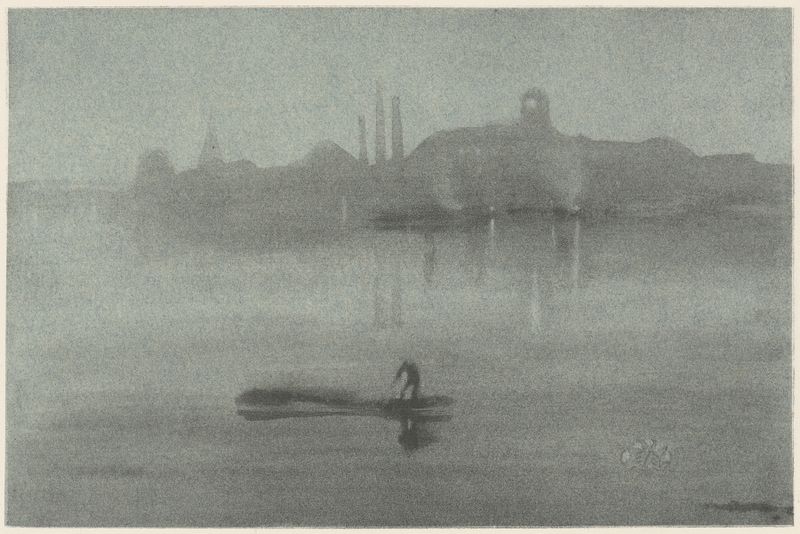
Nocturne
James Abbott McNeill Whistler
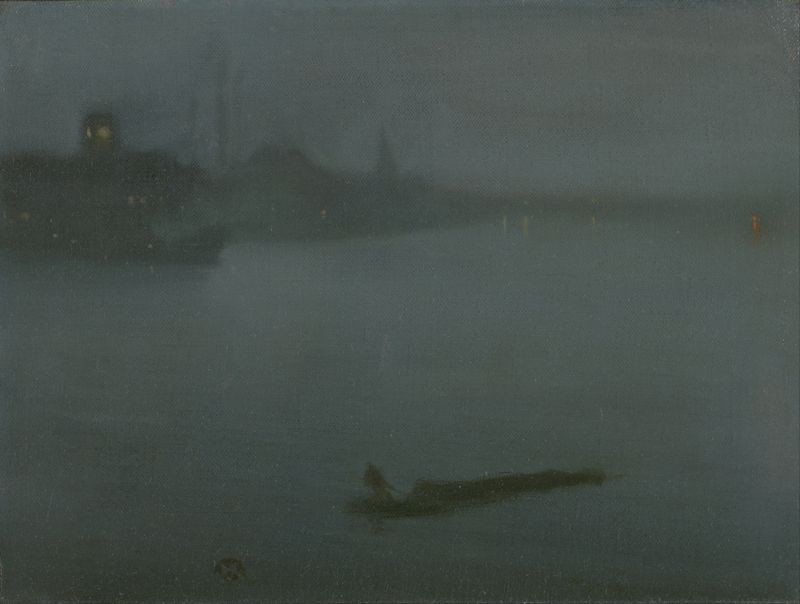
Nocturne in Blue and Silver
James Abbott McNeill Whistler
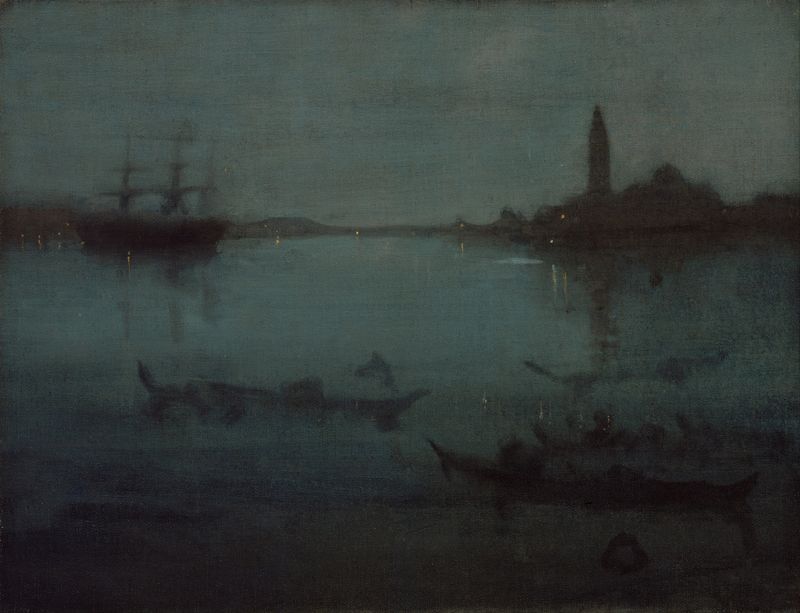
Nocturne in Blue and Silver- The Lagoon, Venice
James Abbott McNeill Whistler
Nocturne in Grey and Gold: Chelsea Snow
James Abbott McNeill Whistler
Nocturne: Black and Red—Back Canal, Holland
James Abbott McNeill Whistler
Old Battersea Bridge
James Abbott McNeill Whistler

Nocturne: Blue and Silver–Battersea Reach
James Abbott McNeill Whistler
Grey and Silver–Pier, Southend
James Abbott McNeill Whistler
More Architecture Art
Browse all →
The statue of Liberty
Frédéric Auguste Bartholdi

View of Houses in Delft, Known as ‘The Little Street’
Johannes Vermeer

View of Houses in Delft, Known as ‘The Little Street’
Johannes Vermeer

The Cathedral in Rouen. The portal, Grey Weather
Claude Monet

The yellow house
Vincent van Gogh

The Church in Auvers-sur-Oise, View from the Chevet
Vincent van Gogh