
Still life of artichoke, asparagus, green cabbage, onions, beans, carrots and other vegetables, all upon a wooden bench — History & Facts
What first catches the eye here is the almost theatrical arrangement of vegetables, each one rendered with a care that borders on reverence. The tangled roots of carrots and onions spill forward, inviting the viewer closer, while the pale stalks of asparagus and the crumpled leaves of cabbage rise and curl like actors in a silent drama. Light falls from the left, picking out the waxy shine on an artichoke and the delicate bloom on beans, while the darker background presses the harvest forward into our space.
There is nothing accidental about the placement: every stem and leaf is orchestrated to guide the gaze in a slow arc from left to right, from the shadowy depths of artichokes and beans to the luminous, almost fragile, textures of the cabbage and carrots. Painted in 1641 by Adriaen van Utrecht, this still life belongs to a flourishing tradition in seventeenth-century Flanders, where such works celebrated both the bounty of nature and the skill of the painter. These pictures were often commissioned by wealthy merchants and burghers eager to display their prosperity, taste, and connection to the rhythms of the land. In an age when global trade was transforming diets and markets, the humble vegetables here—artichoke, asparagus, cabbage—become emblems of abundance and order.
While history has kept few traces of this particular canvas’s early journey, its survival and recent appearance in a Sotheby’s collection remind us that even the most everyday subjects can hold a place of honor centuries later. Look again at the curling cabbage leaf: in its folds, the world of seventeenth-century Antwerp still breathes.
More Artworks by Adriaen van Utrecht
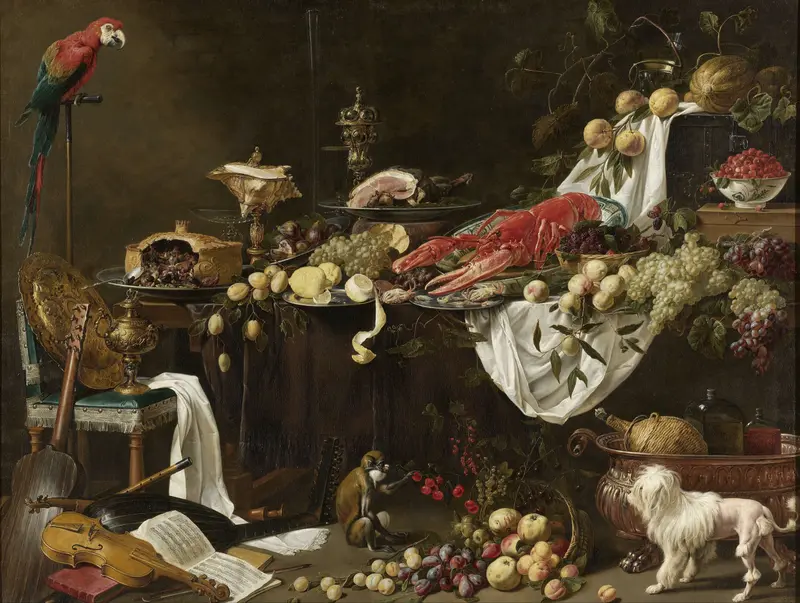
Banquet Still Life
Adriaen van Utrecht
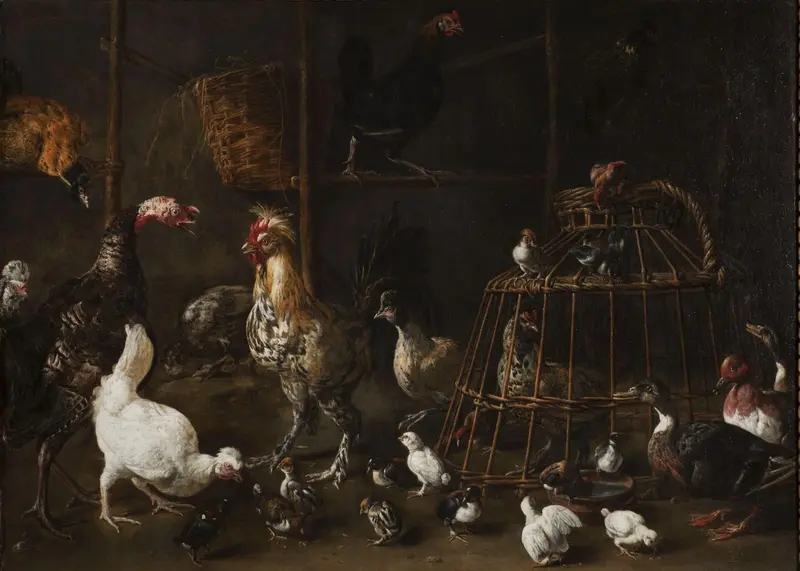
A barn interior with a turkey
Adriaen van Utrecht
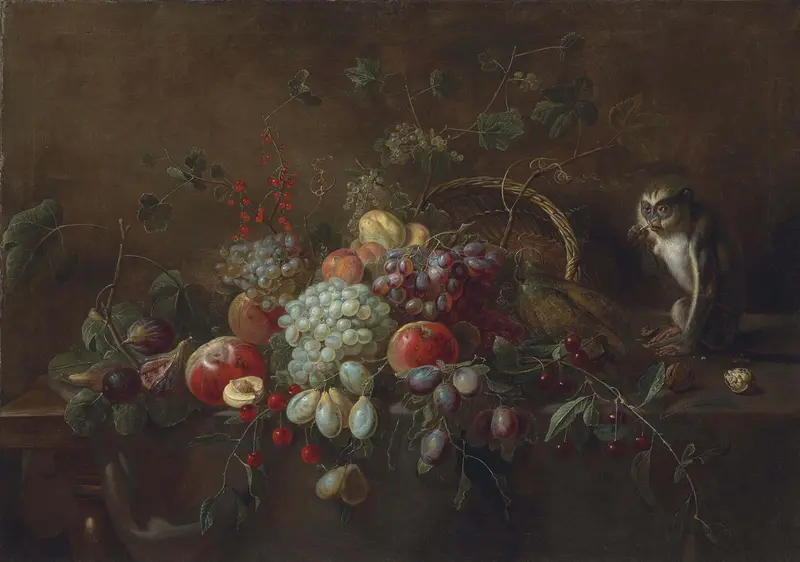
Grapes, apples, plums, figs and other fruit on a partly draped wooden table, a monkey eating walnuts by an upturned woven basket
Adriaen van Utrecht
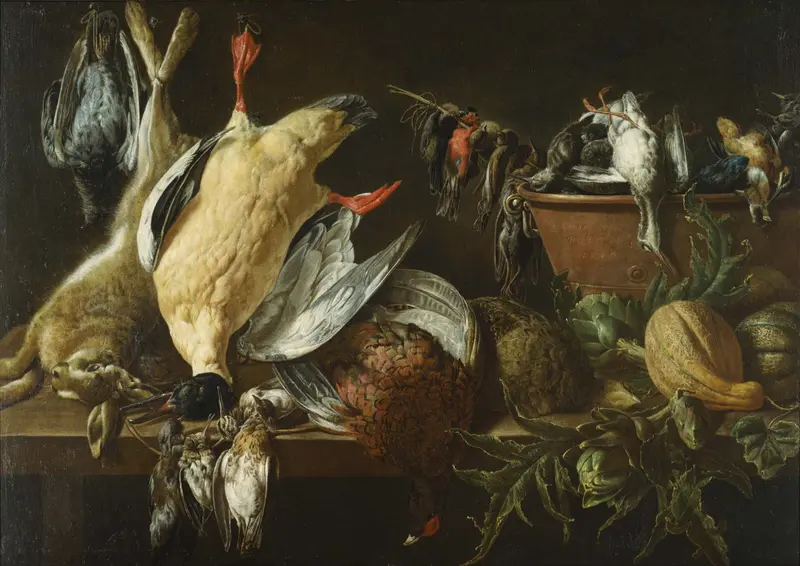
Still Life with Games and Vegetables
Adriaen van Utrecht
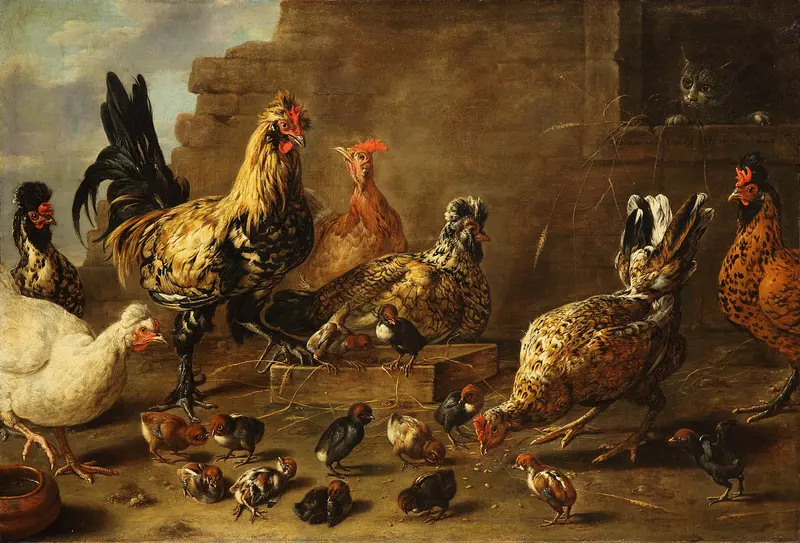
The chicken yard
Adriaen van Utrecht
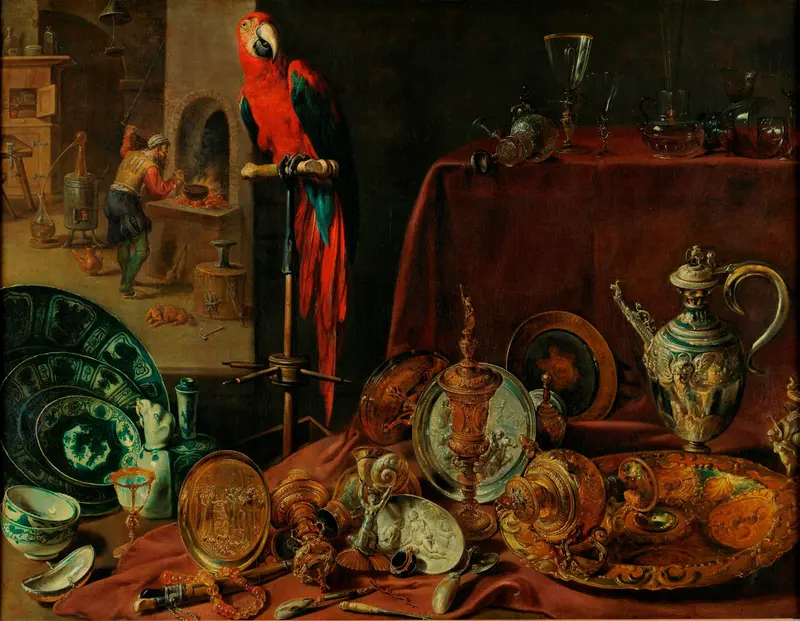
Still life with parrot, an allegory of fire
Adriaen van Utrecht
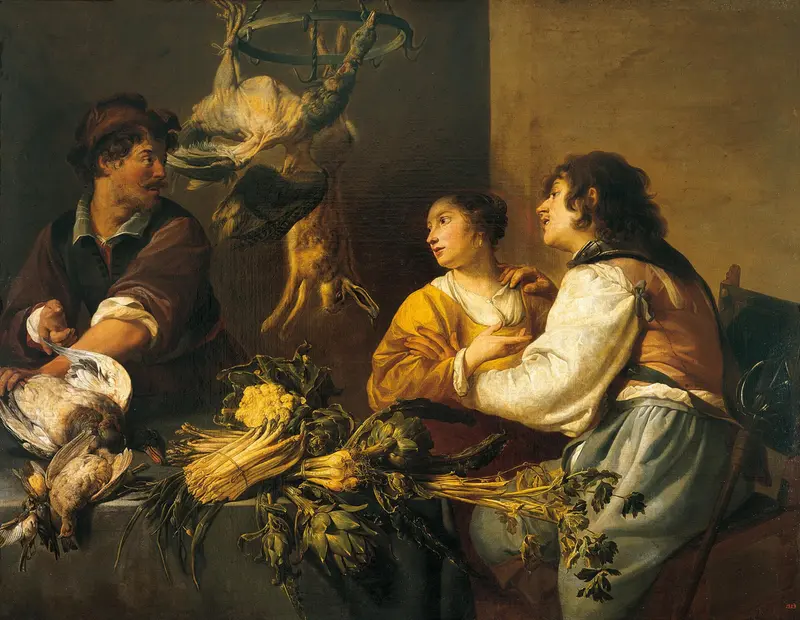
Kitchen
Adriaen van Utrecht
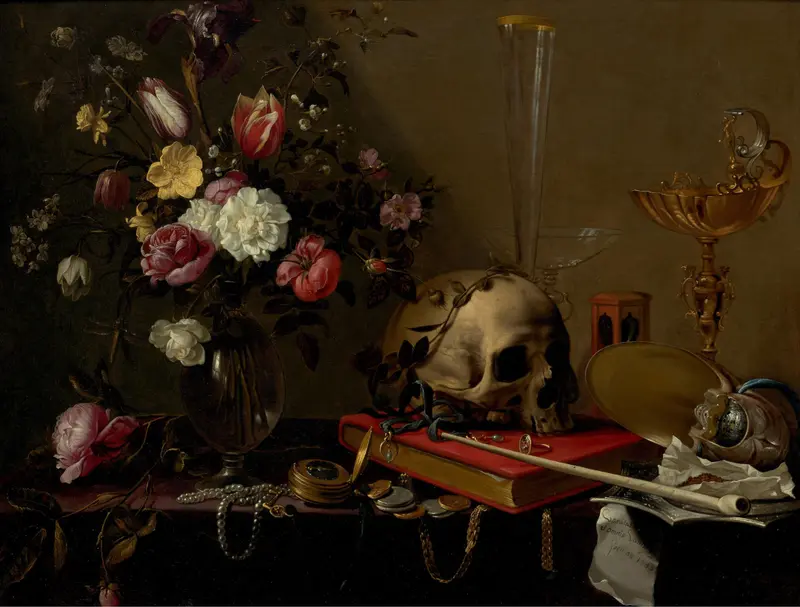
Vanitas - Still Life with Bouquet and Skull
Adriaen van Utrecht
A Larder
Adriaen van Utrecht
A Kitchen Still Life with Figures
Adriaen van Utrecht





