
Still Life with Grapes — History & Facts
No other Belgian modernist returned so often to the motif of fruit as Gustave Van de Woestijne. In Still Life with Grapes, the artist revisits a subject that fascinated both his contemporaries and the Old Masters he admired, yet his approach is unmistakably his own. The exact date and circumstances of this painting remain uncertain, adding an air of mystery that has intrigued scholars.
What is clear is that Van de Woestijne’s still lifes were never mere exercises in observation: they were, as he wrote in a 1922 letter, “an attempt to paint the silence of things.” Here, a cluster of grapes sits on a simple surface, isolated against a muted background. The fruit is rendered with a quiet intensity, each grape almost sculptural in its roundness, the light catching the skin to suggest both ripeness and fragility. Unlike the exuberant, overflowing tables of the Dutch Golden Age, Van de Woestijne’s composition is pared down, almost meditative—closer in spirit to the restrained arrangements of Chardin.
The careful placement and the subtle play of shadow invite the viewer to contemplate the ordinary, hinting at themes of abundance and mortality, presence and absence. The precise provenance of Still Life with Grapes is not fully documented, a common fate for many of Van de Woestijne’s works from the early 20th century. What is known is that the artist, a central figure in the Latem School, often painted still lifes during periods of personal reflection. This painting’s whereabouts for much of the 20th century remain unclear, but it now resides in a public collection, where it stands as a quiet testament to Van de Woestijne’s ability to find depth in the everyday.
It marks a significant point in his career, bridging his early Symbolist experiments and his later, more austere realism.
More Artworks by Gustave Van de Woestijne
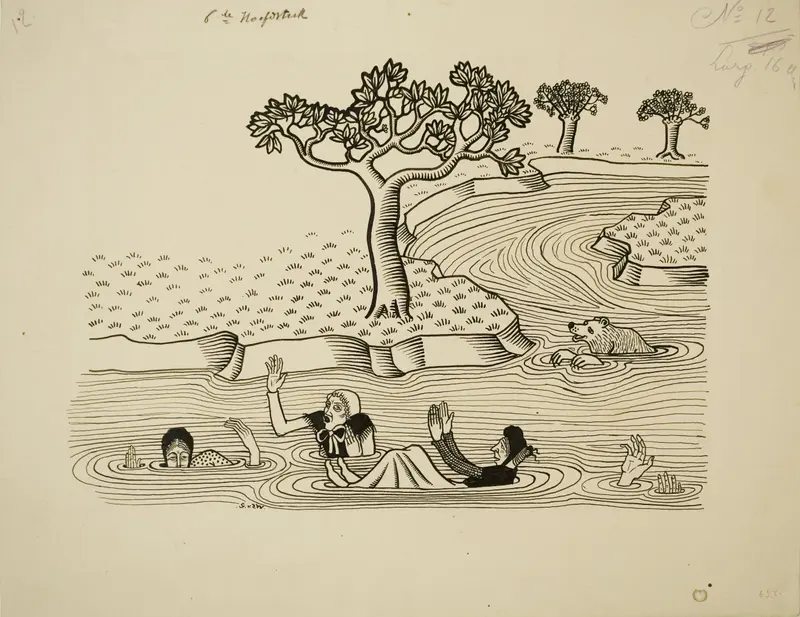
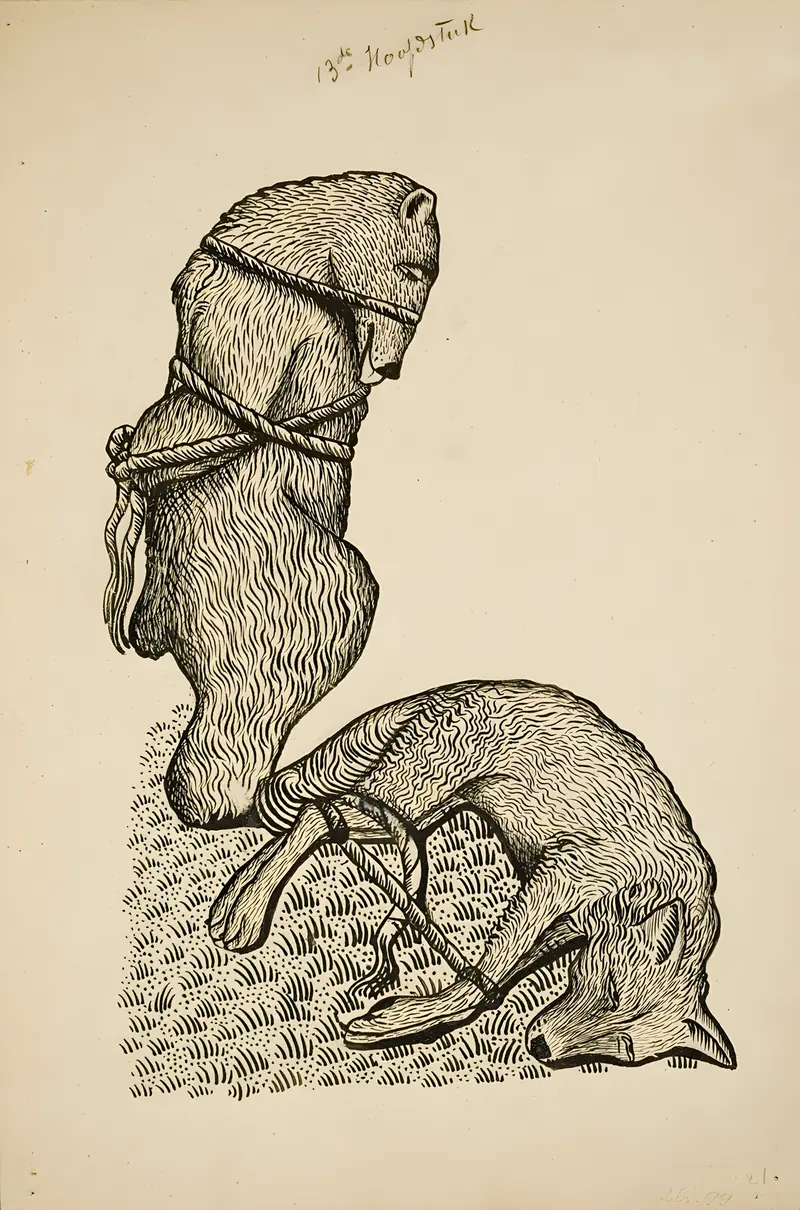
How Brown went out with Reynard where he thought he was eating honey and how he was caught by head and feet and suffered further misfortune
Gustave Van de Woestijne
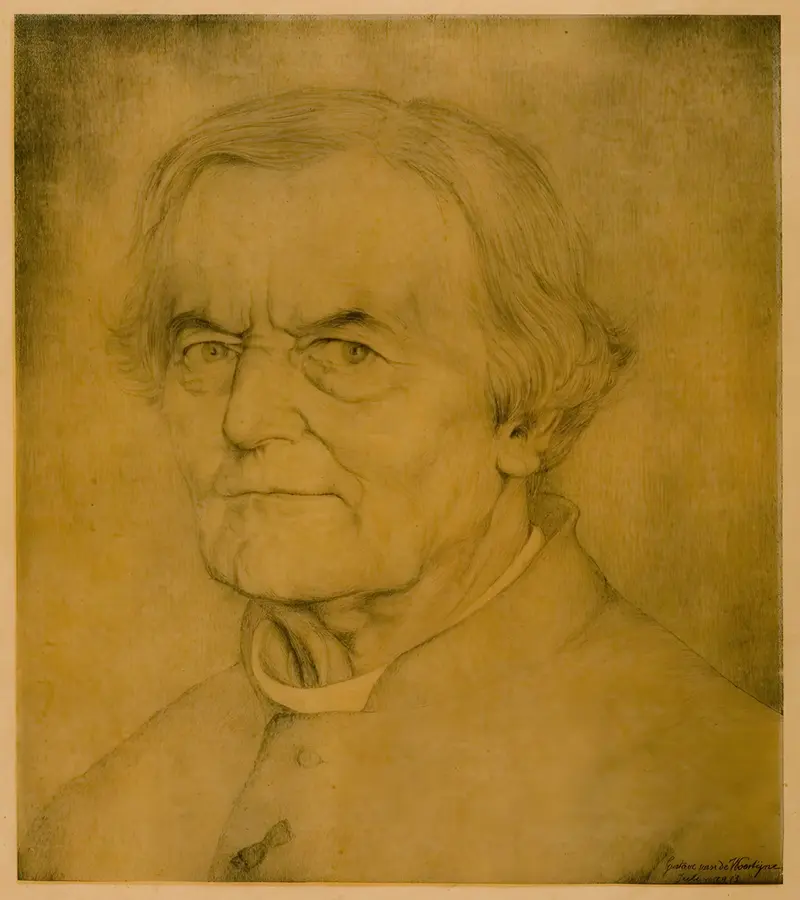
Portrait of Hugo Verriest
Gustave Van de Woestijne
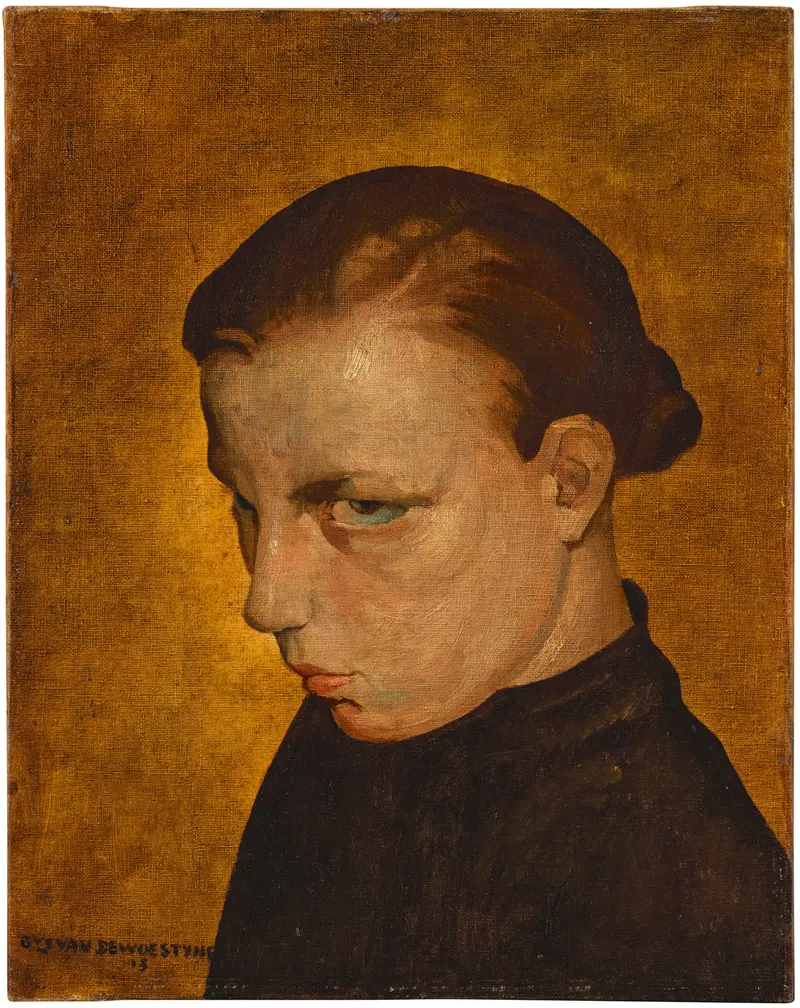
Angèle
Gustave Van de Woestijne
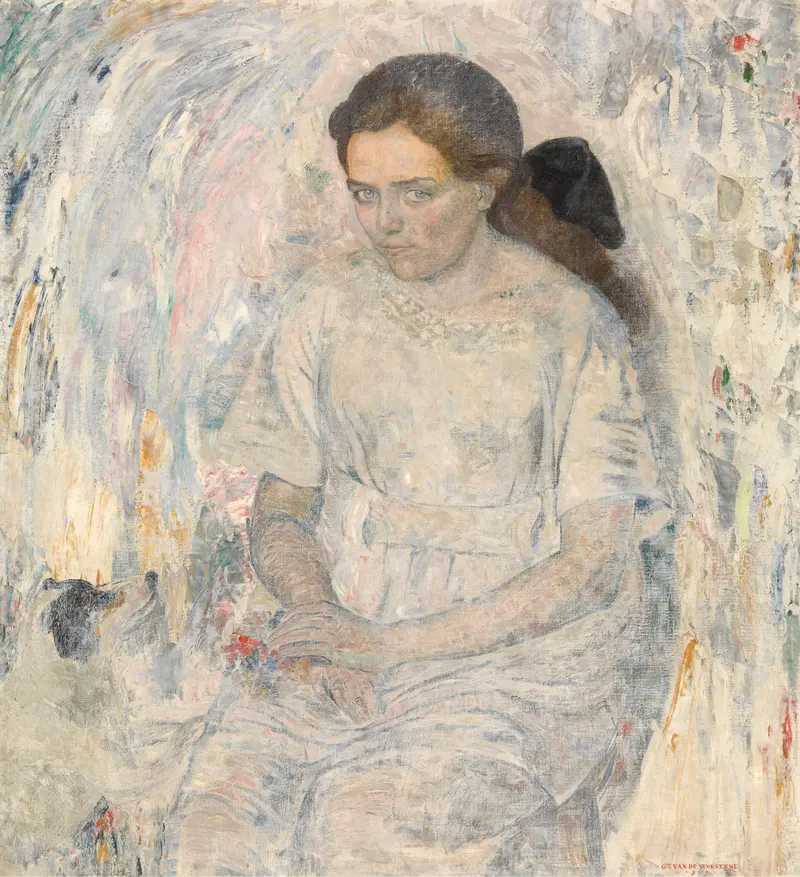
Adrienne
Gustave Van de Woestijne
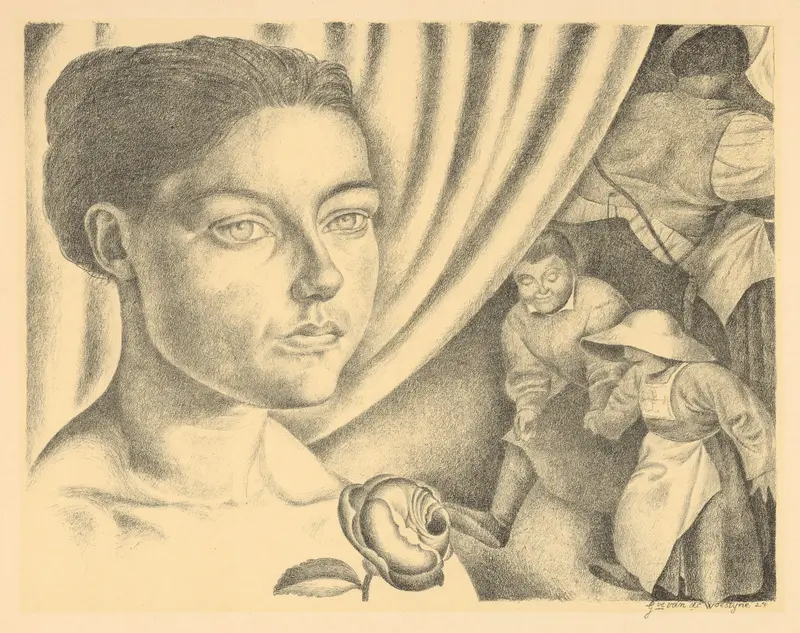
Jeune Femme
Gustave Van de Woestijne
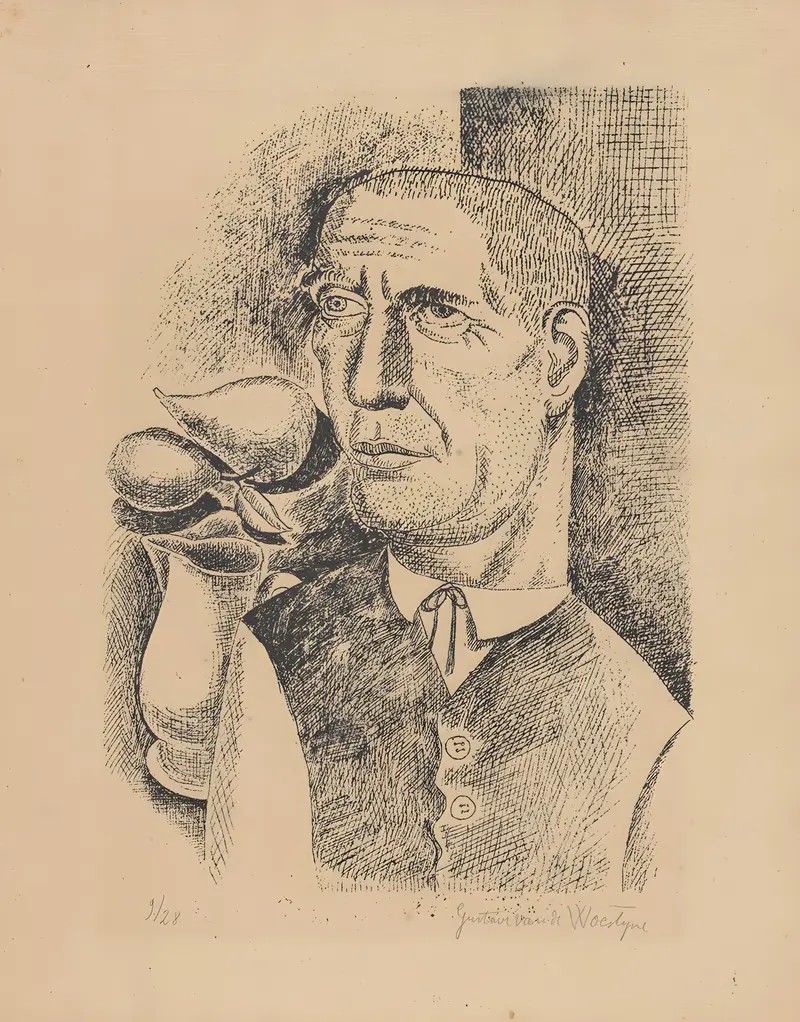
Boer op zijn zondags (Paysan endimanché)
Gustave Van de Woestijne
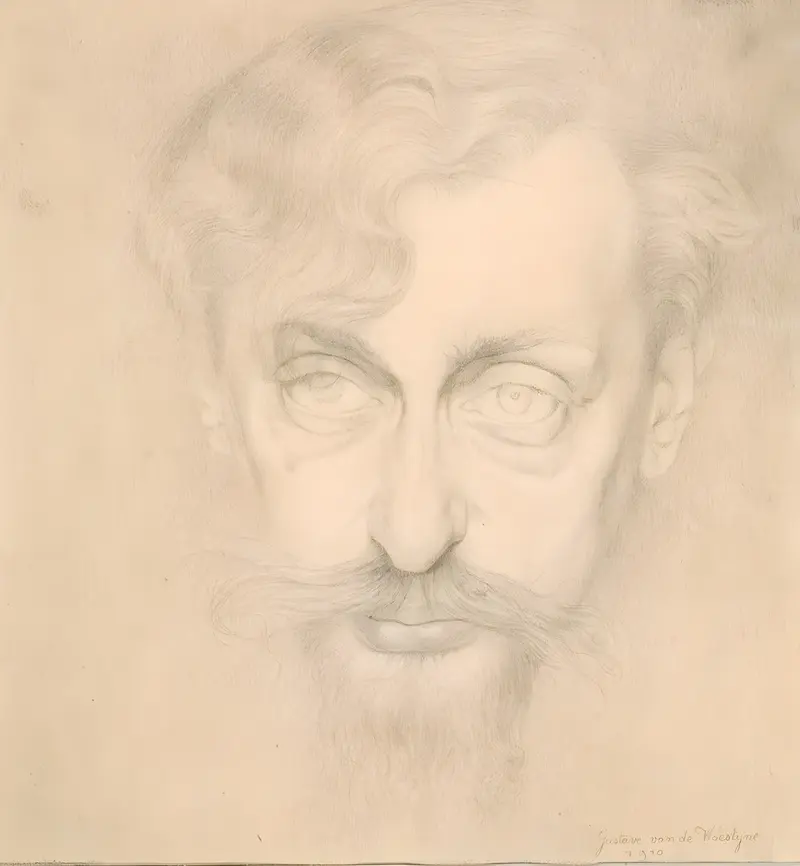
Portrait of the Writer Karel van de Woestijne
Gustave Van de Woestijne
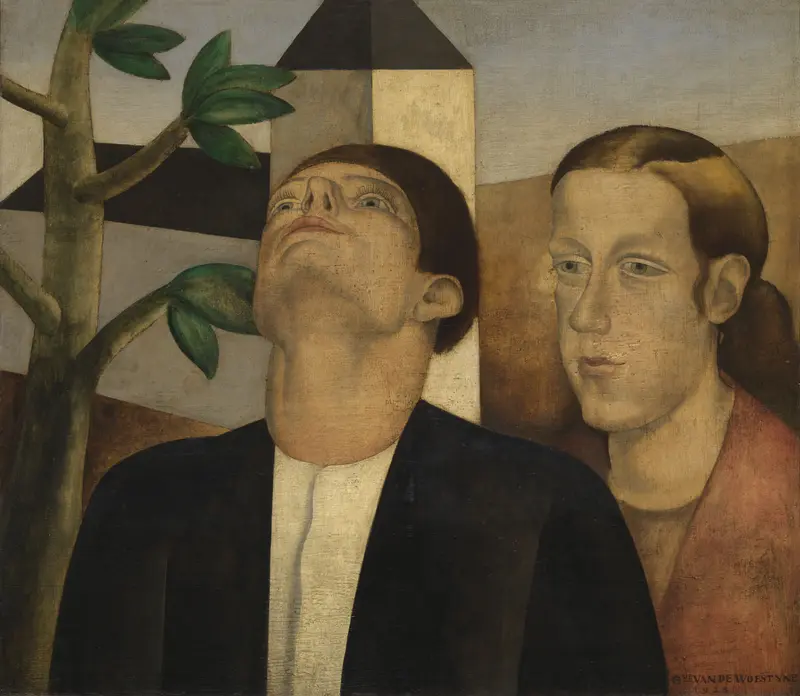
Azure
Gustave Van de Woestijne
How Reinaert devises a new trick to get free and exterminate his enemies
Gustave Van de Woestijne
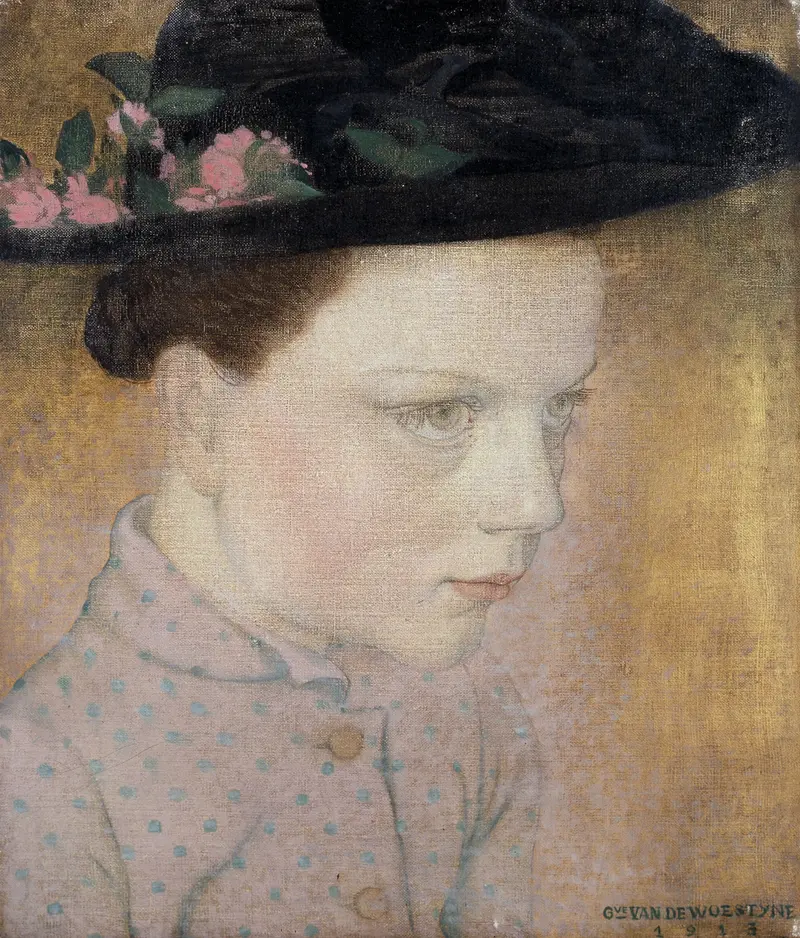
Country Girl
Gustave Van de Woestijne





