
How Reinaert devises a new trick to get free and exterminate his enemies — History & Facts
Few characters in medieval literature have inspired as much cunning delight as the fox Reinaert, whose exploits in the 13th-century Dutch epic Van den vos Reynaerde have been retold for centuries. Gustave Van de Woestijne’s painting captures one of the most notorious episodes: Reinaert’s escape from certain doom by outwitting his enemies yet again. The tale’s enduring popularity is evident in the many visual and literary adaptations across Europe, but Van de Woestijne’s interpretation stands out for its psychological depth, reflecting early 20th-century anxieties about trust and betrayal. At the heart of the scene, Reinaert is caught in the act of hatching his latest scheme, his sharp eyes glinting with calculation as he surveys the animals gathered around him.
The fox’s body is tense, poised between feigned submission and sudden flight, while his adversaries—wolf, bear, and others—lean in, unaware of the trap being set. Van de Woestijne’s use of muted earth tones and expressive brushwork draws the viewer into the tense standoff, echoing the moral ambiguity of the fable. Unlike the more literal illustrations by artists such as J.J.
Grandville, Van de Woestijne imbues his animals with human-like expressions, blurring the line between fable and social satire. The precise circumstances of this painting’s creation remain unclear; neither its date nor its first owner is firmly established, a common situation with Van de Woestijne’s narrative works. Likely painted during his mature period, when he often drew on Flemish folklore, the piece reflects the artist’s fascination with allegory and the darker side of human nature. While the painting’s early history is obscure, it has been exhibited in several retrospectives of Gustave Van de Woestijne, where it is praised for its psychological insight and technical assurance.
Today, it stands as a testament to the enduring power of medieval tales and the modern artist’s ability to find new meaning in old stories.
More Artworks by Gustave Van de Woestijne
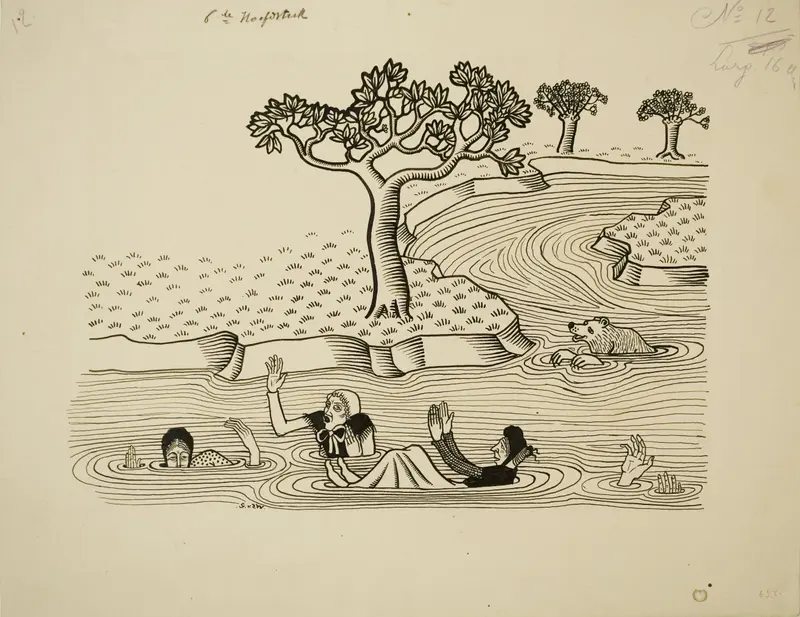
How Brown went out with Reynard where he thought he was eating honey and how he was caught by head and feet and suffered further misfortune
Gustave Van de Woestijne
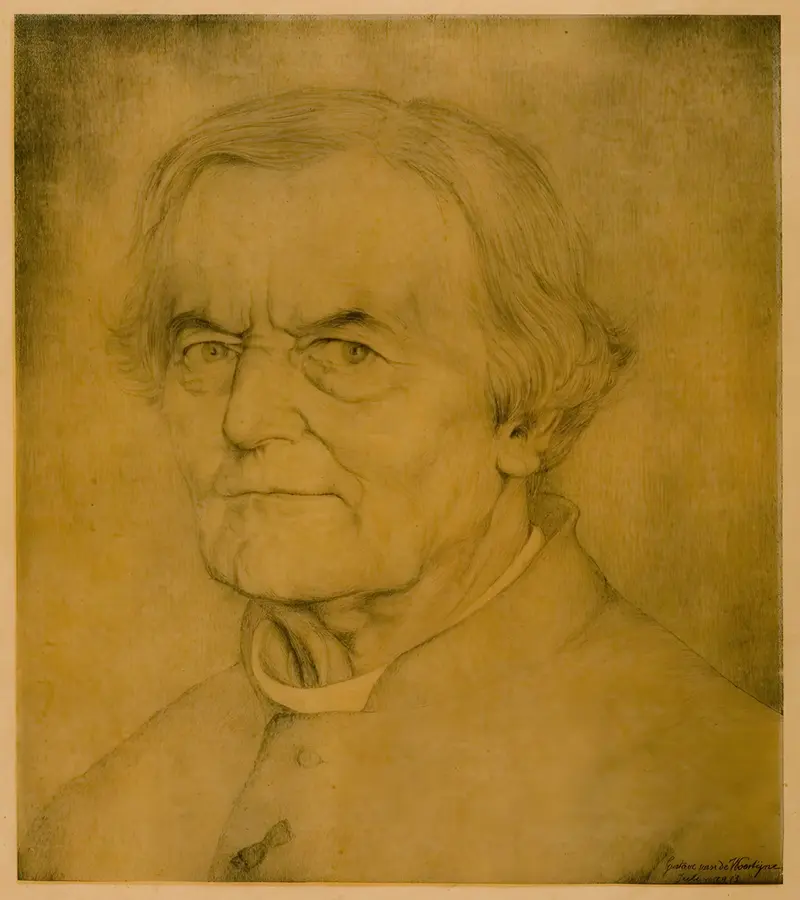
Portrait of Hugo Verriest
Gustave Van de Woestijne
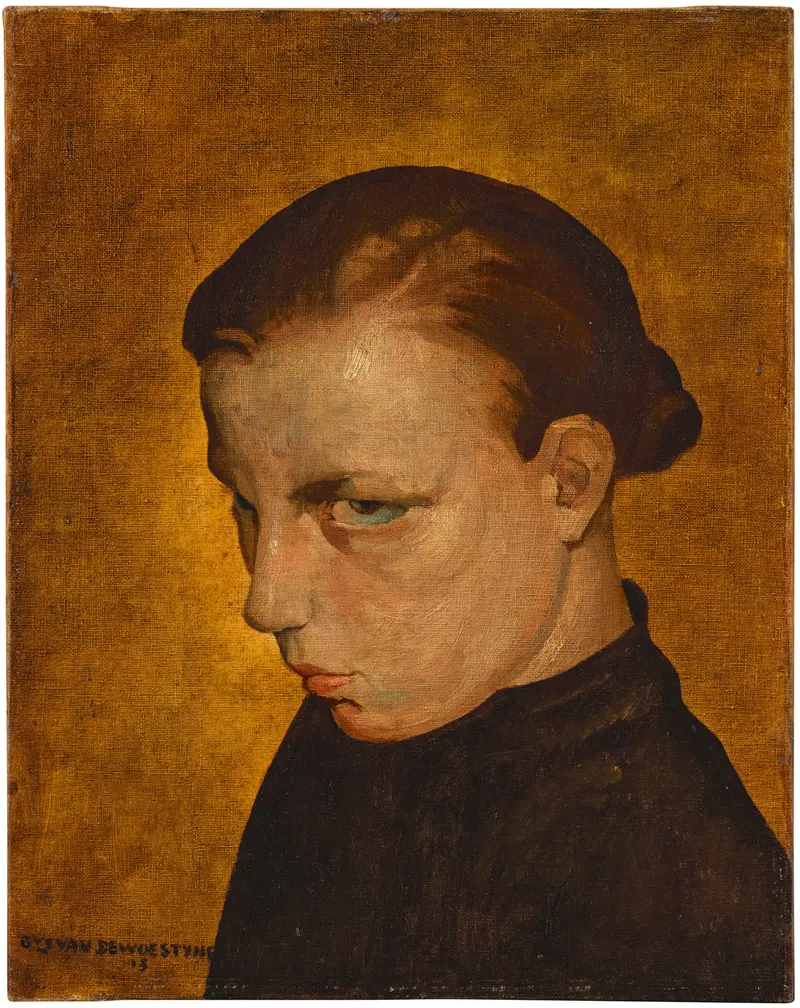
Angèle
Gustave Van de Woestijne
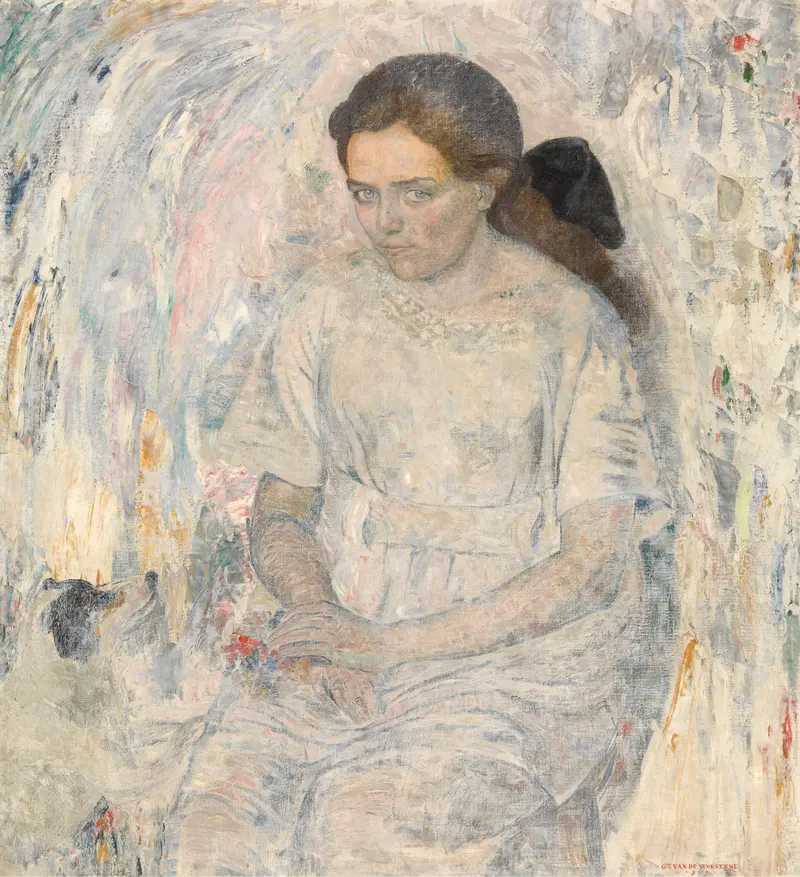
Adrienne
Gustave Van de Woestijne
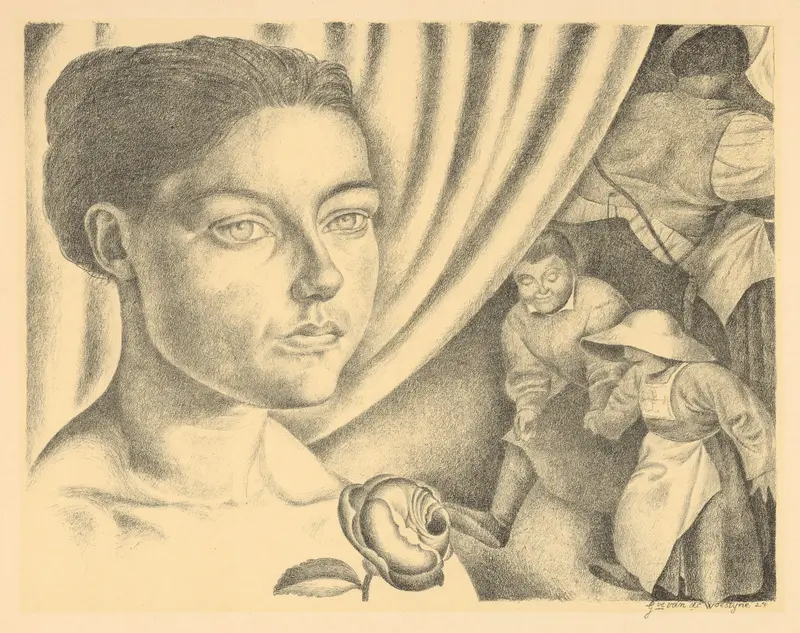
Jeune Femme
Gustave Van de Woestijne
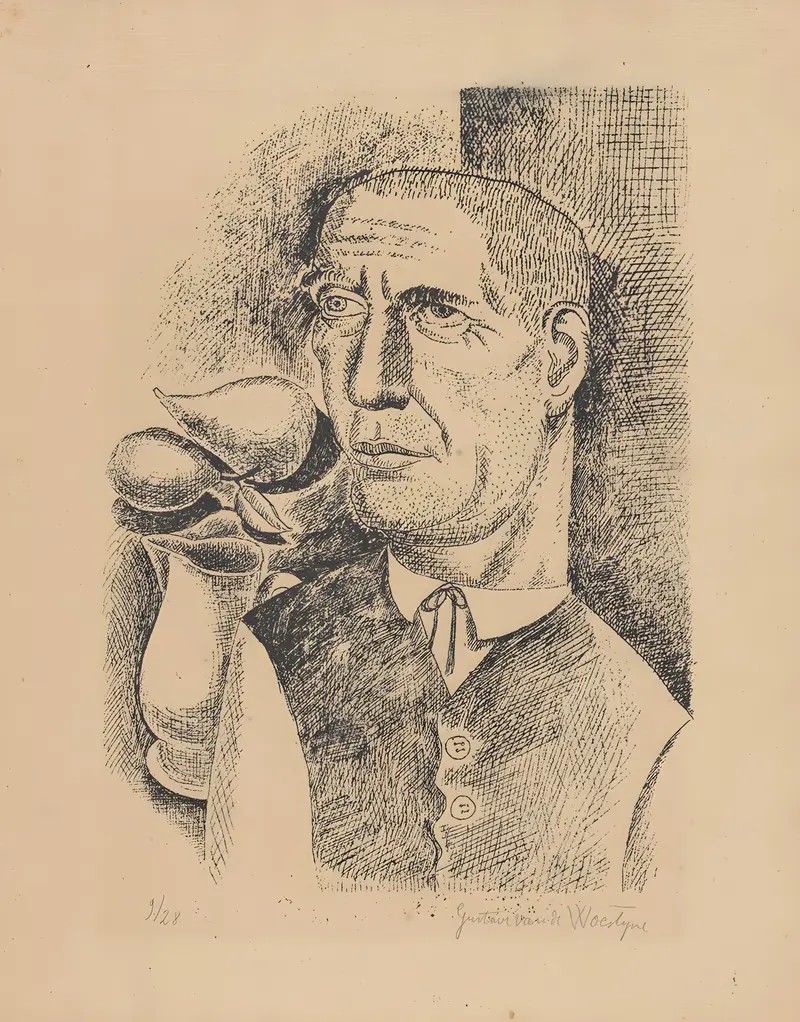
Boer op zijn zondags (Paysan endimanché)
Gustave Van de Woestijne
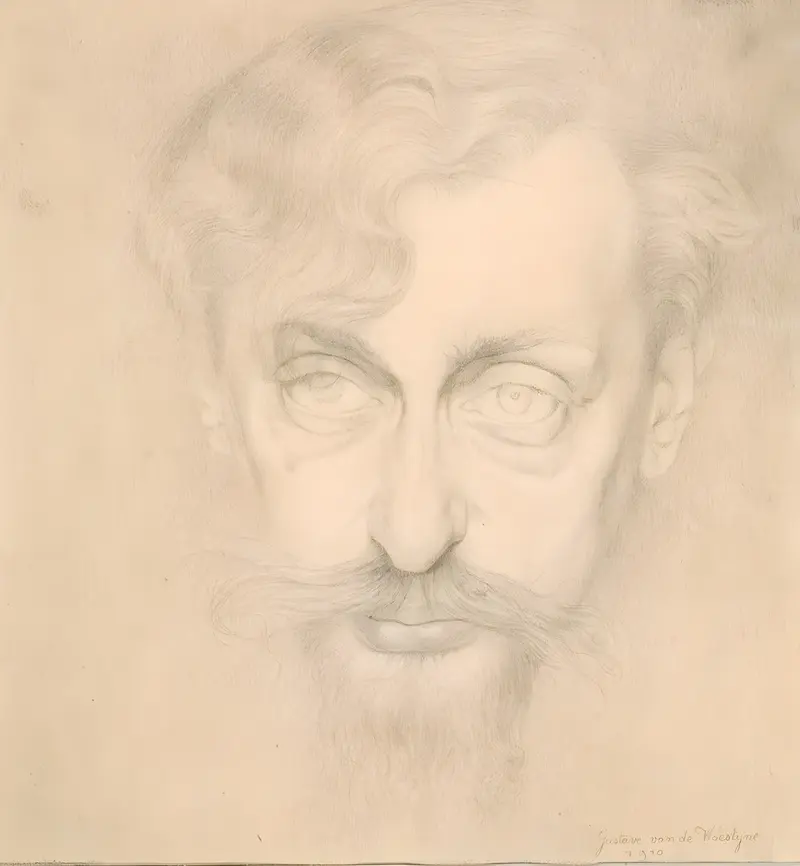
Portrait of the Writer Karel van de Woestijne
Gustave Van de Woestijne
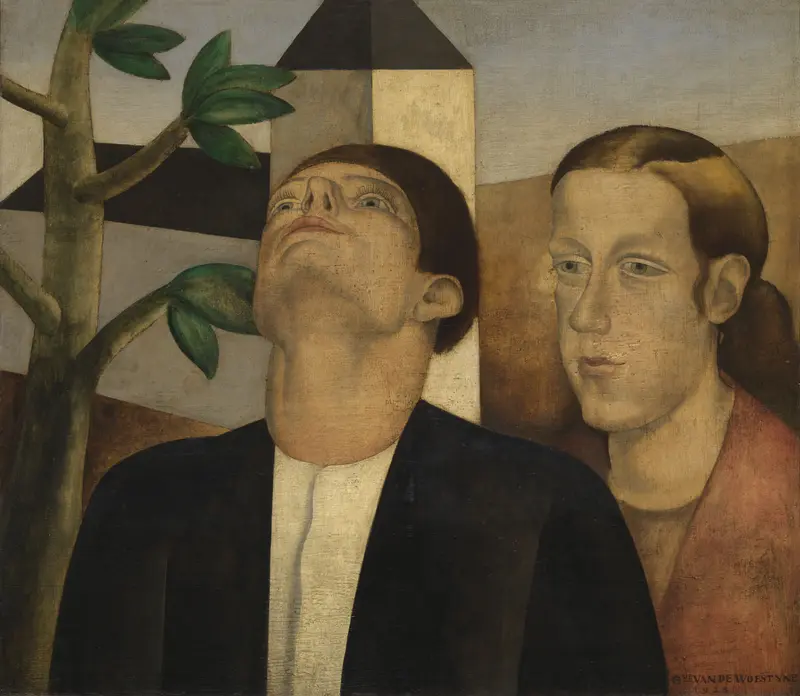
Azure
Gustave Van de Woestijne
Country Girl
Gustave Van de Woestijne
Hospitality for Foreigners
Gustave Van de Woestijne
More Genre Scene Art

Banquet of the Officers of the St George Civic Guard
Frans Hals

Rembrandt and Saskia in the Scene of the Prodigal Son
Rembrandt van Rijn

Bal du moulin de la Galette
Pierre-Auguste Renoir

Quadrille at the Moulin Rouge
Henri de Toulouse-Lautrec

A Burial at Ornans
Gustave Courbet

When Will You Marry?
Paul Gauguin