
Jeune Femme — History & Facts
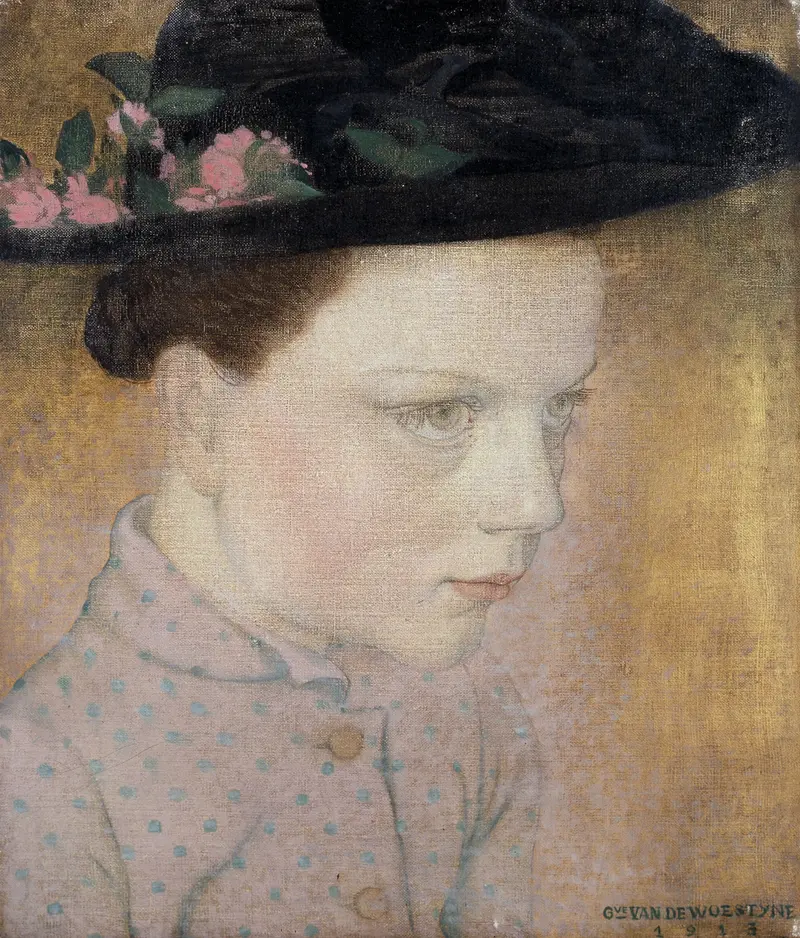
When Jeune Femme first appeared in exhibitions of the early twentieth century, it was immediately recognized as a striking example of the introspective realism that marked the Belgian avant-garde. The artist, Gustave Van de Woestijne, was associated with the First School of Latem, a group whose members sought spiritual depth in everyday life and ordinary faces. Unlike many of his contemporaries, Van de Woestijne rarely dated his works, and the precise year of Jeune Femme remains unknown—adding a layer of mystery that continues to intrigue scholars and viewers alike. The painting captures a young woman at a moment of quiet self-possession, her gaze direct yet reserved.
Her hands are clasped in her lap, and the simplicity of her dress draws attention to the subtle modeling of her features and the gentle play of light across her face. The background is muted, focusing all attention on the sitter’s expression—a technique reminiscent of Félix Vallotton’s psychological portraits, though Van de Woestijne’s approach is more intimate and less theatrical. The sense of stillness, combined with the sitter’s unwavering gaze, invites speculation about her inner life, a hallmark of the artist’s ongoing exploration of the human soul. While the early provenance of Jeune Femme is not fully documented, it is typical of Van de Woestijne’s portraits from his years in Sint-Martens-Latem, where he worked alongside George Minne and Valerius De Saedeleer.
The painting’s current location is not widely published, and it has not been linked to any major public collection, making it a rare sight for most audiences. Within Van de Woestijne’s career, Jeune Femme stands as a testament to his fascination with psychological depth and his ability to capture the dignity of ordinary people—qualities that have secured his reputation as a key figure in Belgian modernism.
More Artworks by Gustave Van de Woestijne
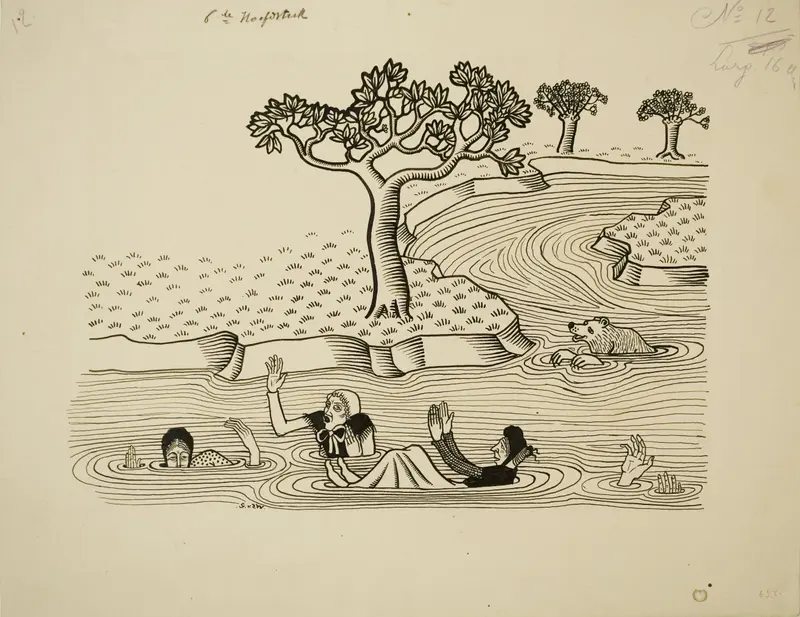
How Brown went out with Reynard where he thought he was eating honey and how he was caught by head and feet and suffered further misfortune
Gustave Van de Woestijne
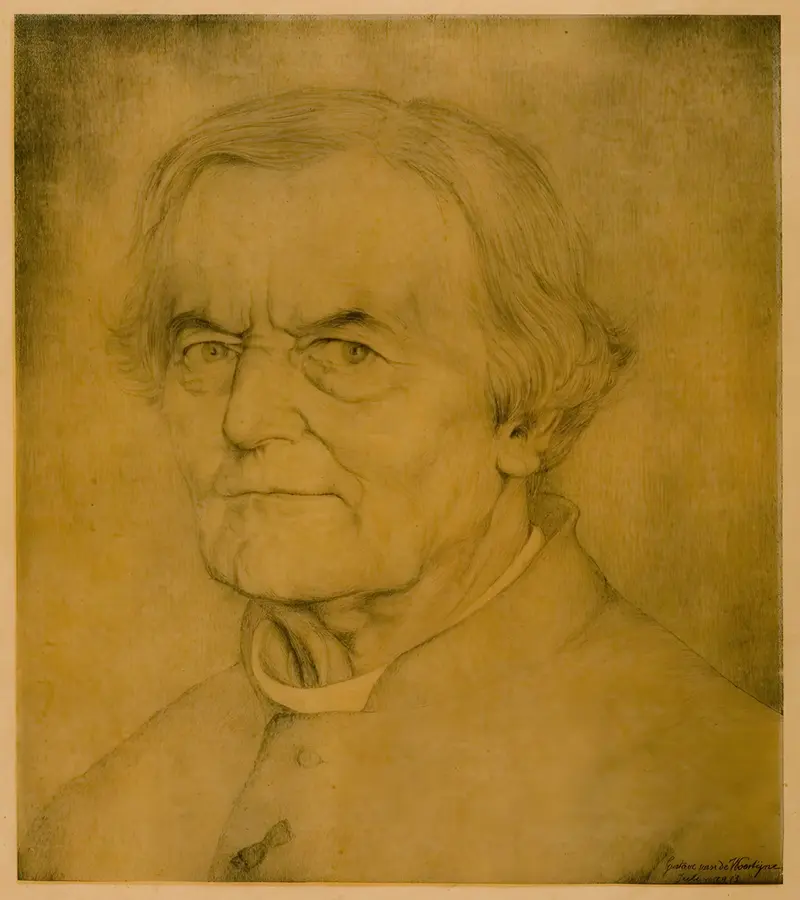
Portrait of Hugo Verriest
Gustave Van de Woestijne
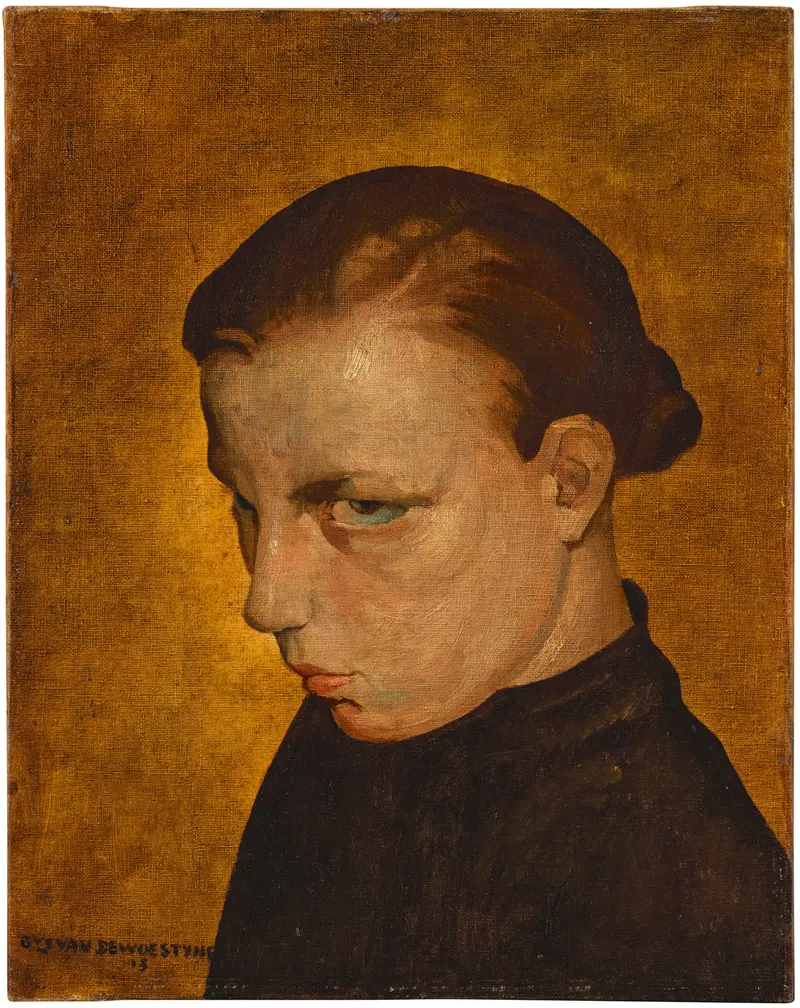
Angèle
Gustave Van de Woestijne
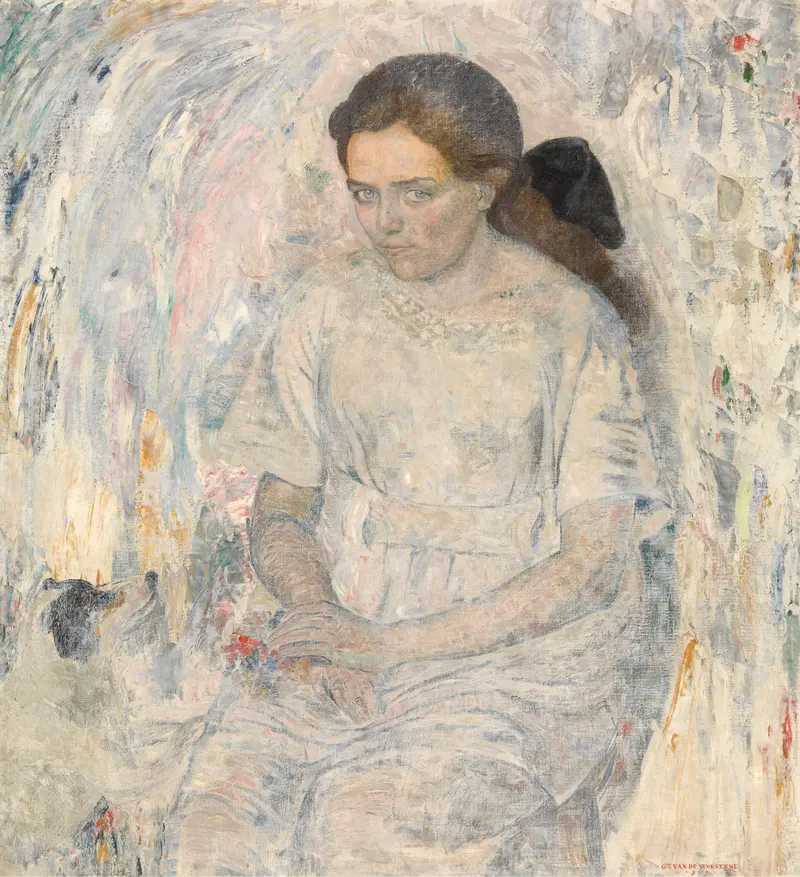
Adrienne
Gustave Van de Woestijne
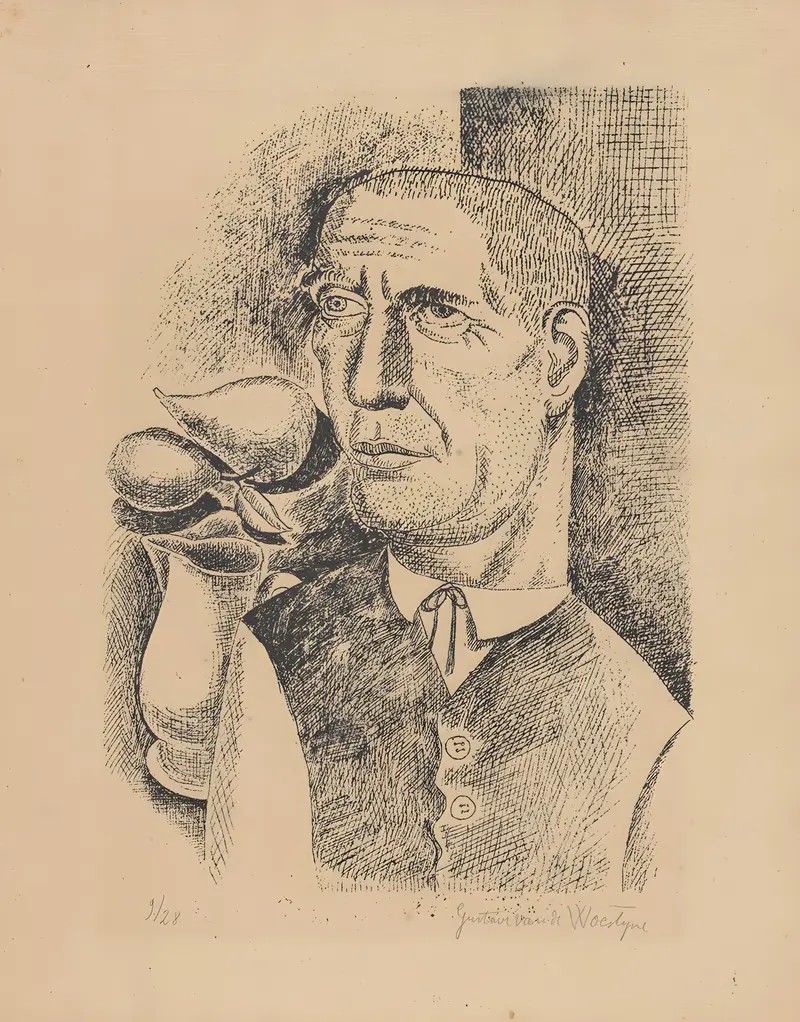
Boer op zijn zondags (Paysan endimanché)
Gustave Van de Woestijne
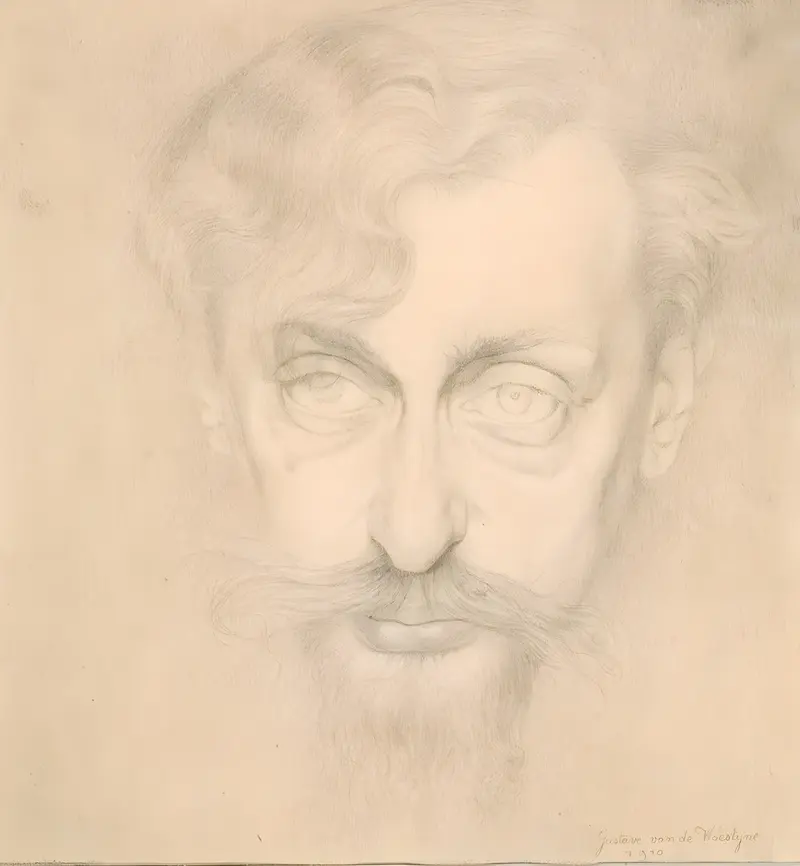
Portrait of the Writer Karel van de Woestijne
Gustave Van de Woestijne
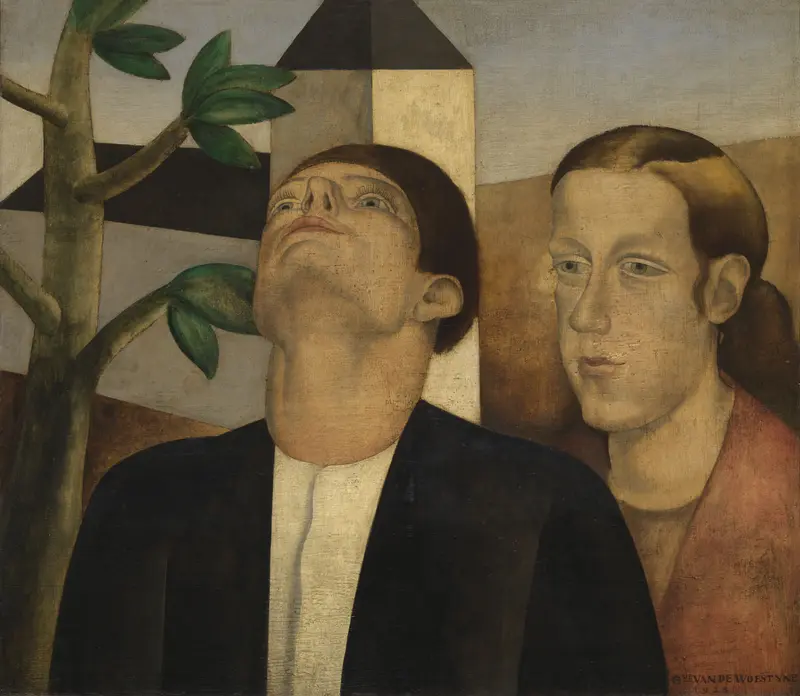
Azure
Gustave Van de Woestijne
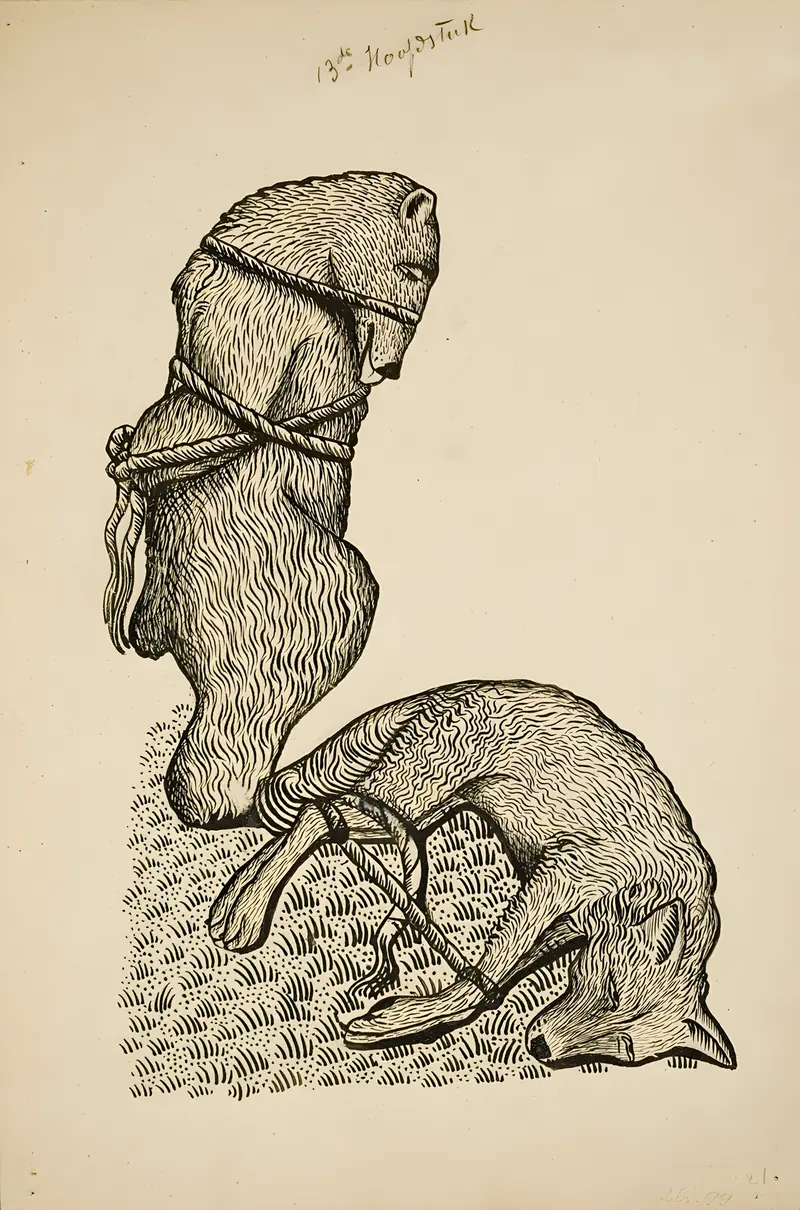
How Reinaert devises a new trick to get free and exterminate his enemies
Gustave Van de Woestijne
Country Girl
Gustave Van de Woestijne
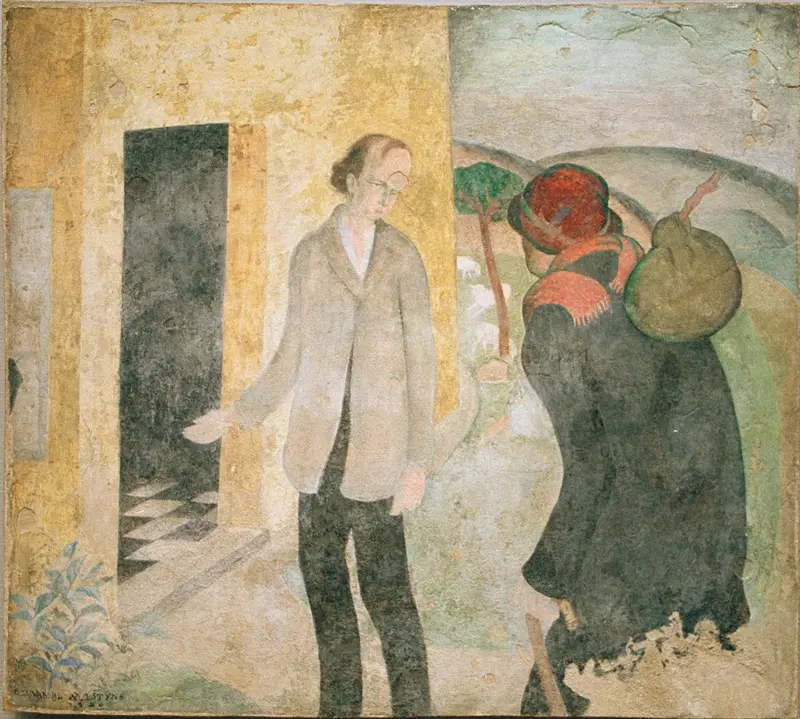
Hospitality for Foreigners
Gustave Van de Woestijne





