
Portrait of the Writer Karel van de Woestijne — History & Facts
Few portraits are as intimate as Portrait of the Writer Karel van de Woestijne, painted by his own brother, Gustave Van de Woestijne. The relationship between painter and sitter adds a layer of psychological depth that has fascinated viewers and scholars alike. Karel, a leading figure in Flemish literature, was often the subject of his brother’s brush, but this painting stands out for its intensity and quiet tension.
The exact date and circumstances of its creation remain uncertain, fueling speculation about what passed between the brothers during its making. This uncertainty has only increased the painting’s allure, making it a touchstone for those interested in the intersection of art and family. The painting captures Karel at a moment of introspection, his gaze turned slightly away from the viewer, as if lost in thought or caught mid-sentence. Gustave’s use of muted earth tones and careful modeling of light on Karel’s face draws attention to the writer’s expressive eyes and tightly set mouth, suggesting both vulnerability and determination.
The sparse background, typical of Gustave Van de Woestijne’s portraits, places all focus on the sitter, echoing the psychological depth found in Edvard Munch’s portraits, though with a quieter, more restrained emotion. Subtle details—a pressed collar, the tilt of the head—hint at Karel’s reserved nature and the weight of his intellectual pursuits. Every brushstroke seems to negotiate the delicate boundary between affection and observation. As with many works by Gustave Van de Woestijne, the painting’s early history is not fully documented.
It is believed to have remained within the family for some years, cherished as both a personal and artistic record. Only later did it enter public collections, where it has since been recognized as a key example of early twentieth-century Flemish portraiture. Today, it stands as a testament to the close-knit world of the Van de Woestijne brothers and to Gustave’s ability to capture the inner life of his subjects.
Its place in his oeuvre marks a period of intense personal exploration, bridging the realms of Symbolism and the emerging currents of modern art in Belgium.
More Artworks by Gustave Van de Woestijne
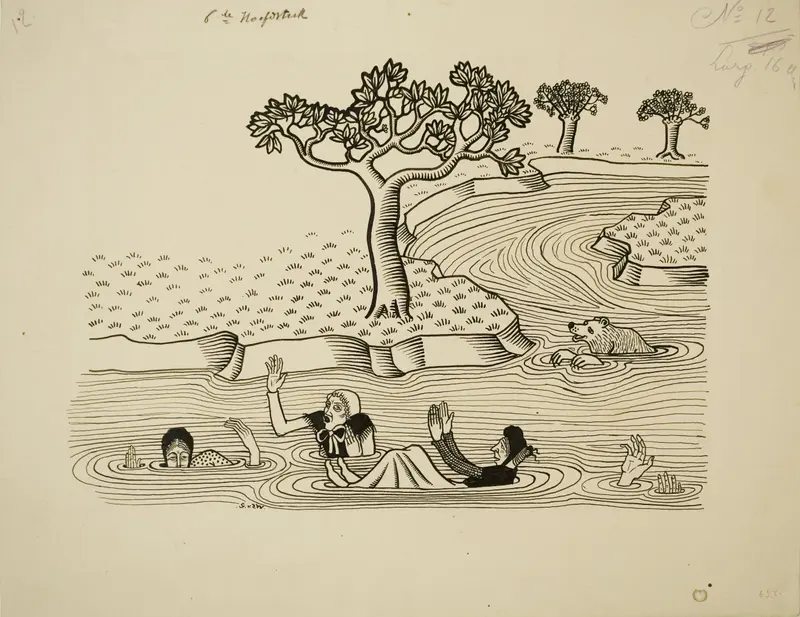
How Brown went out with Reynard where he thought he was eating honey and how he was caught by head and feet and suffered further misfortune
Gustave Van de Woestijne
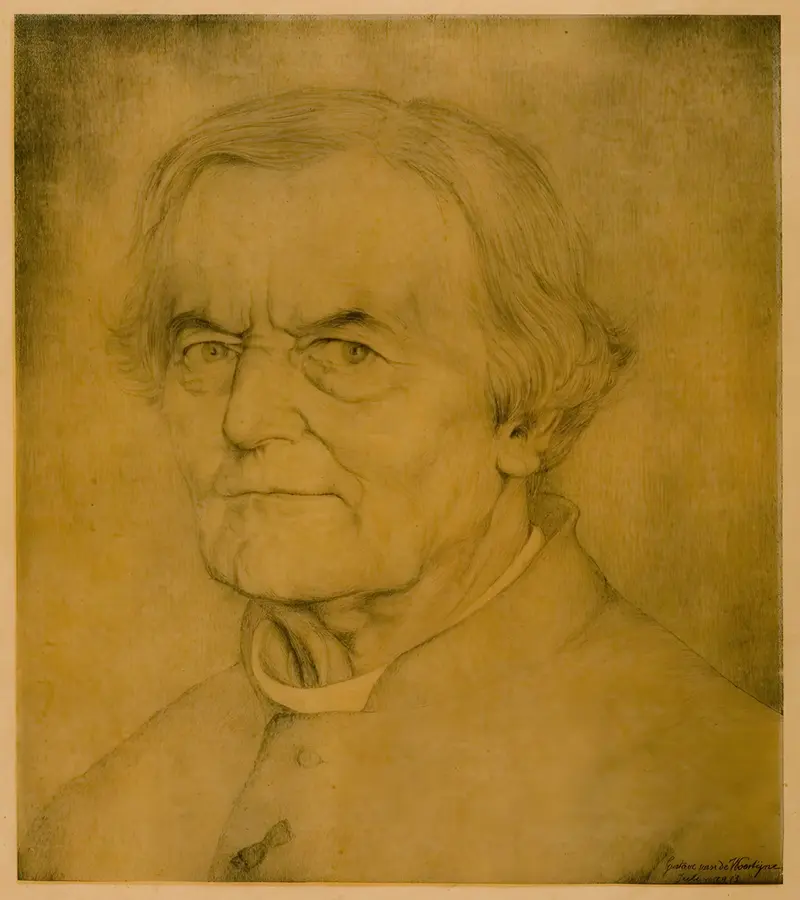
Portrait of Hugo Verriest
Gustave Van de Woestijne
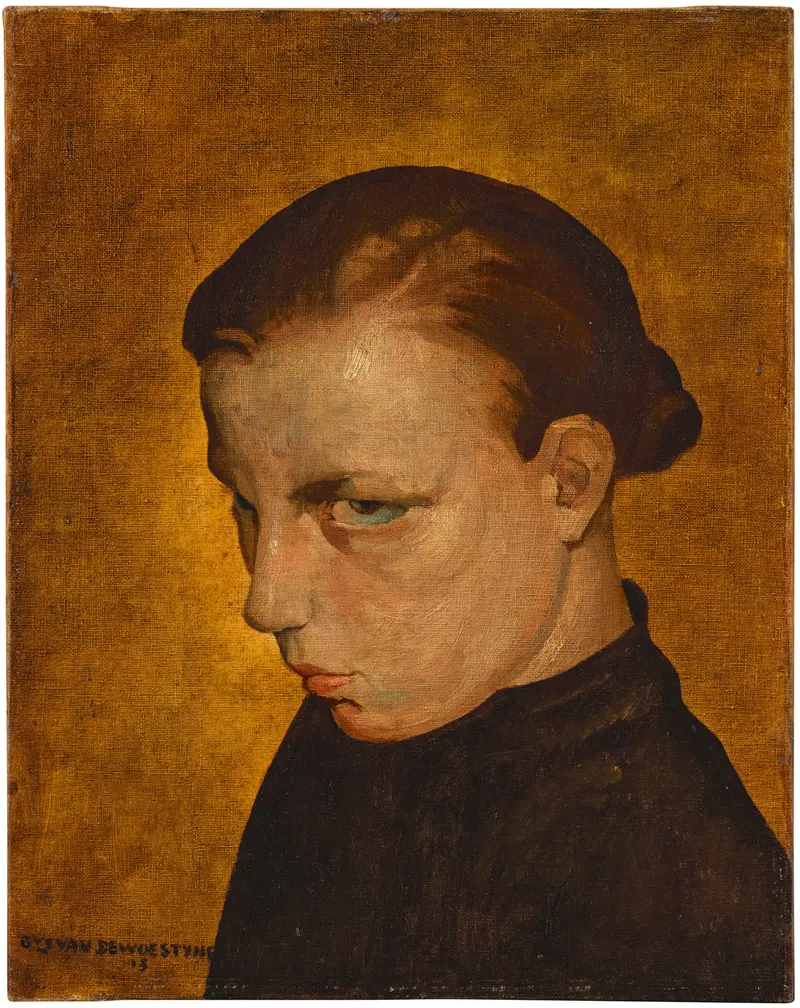
Angèle
Gustave Van de Woestijne
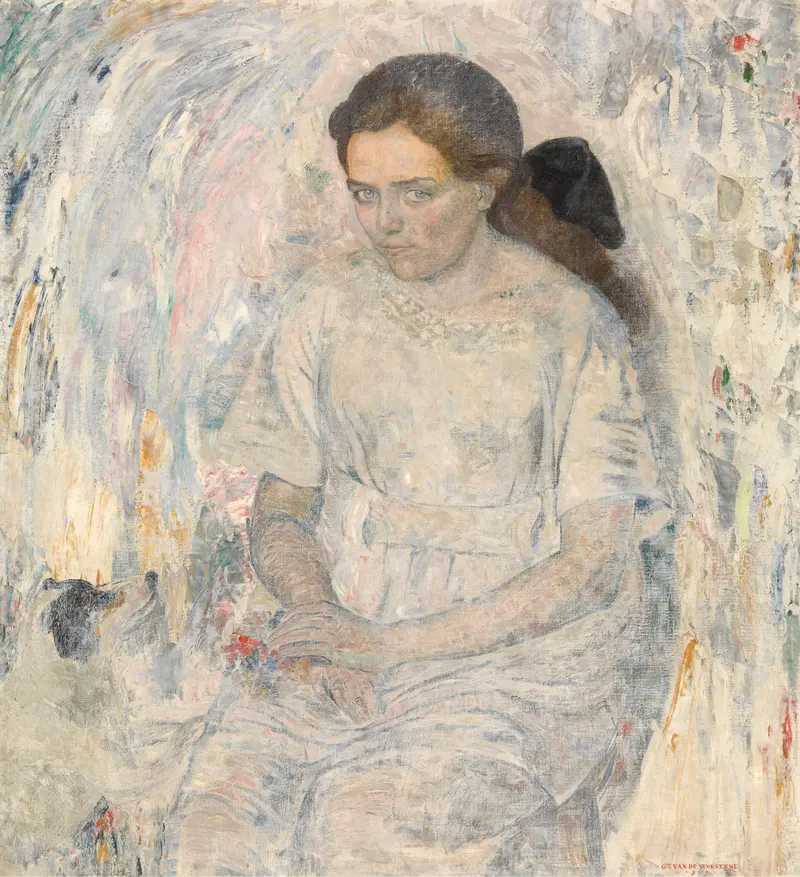
Adrienne
Gustave Van de Woestijne
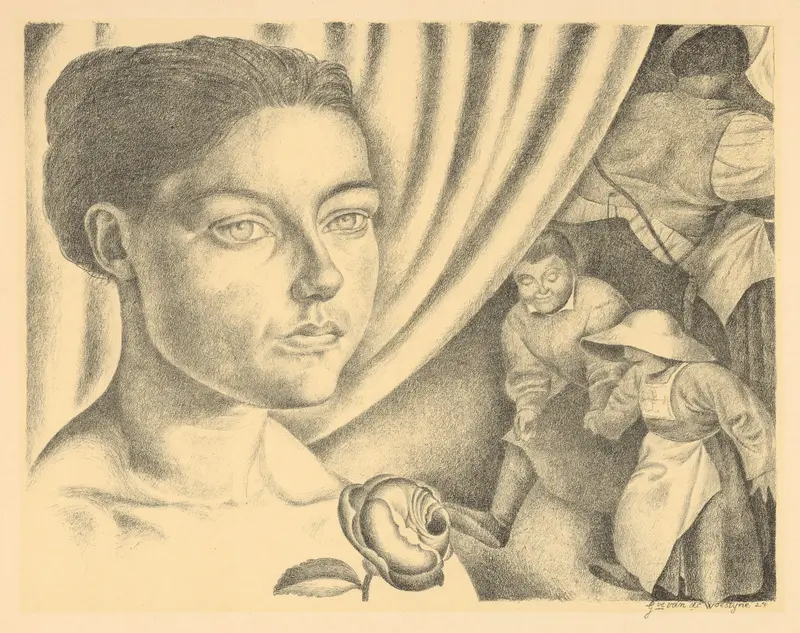
Jeune Femme
Gustave Van de Woestijne
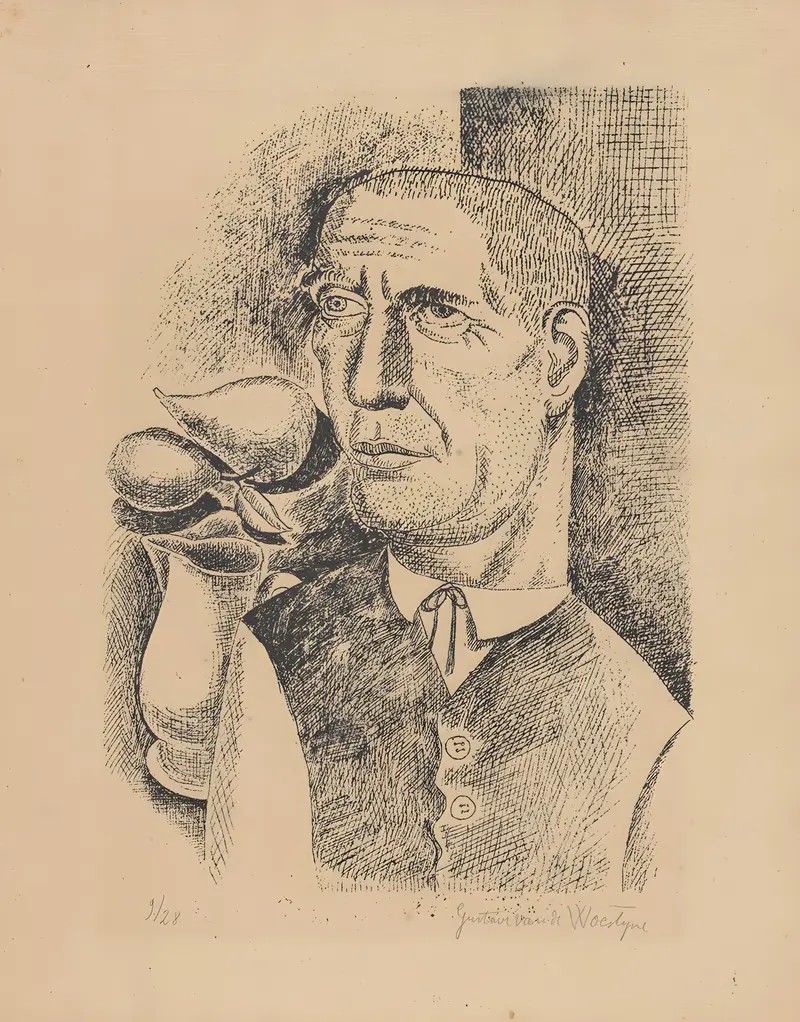
Boer op zijn zondags (Paysan endimanché)
Gustave Van de Woestijne
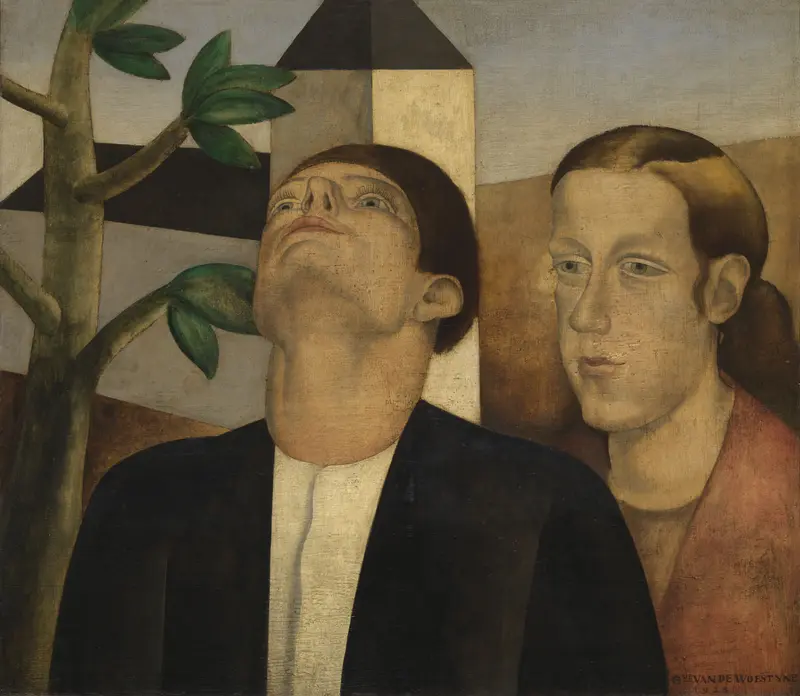
Azure
Gustave Van de Woestijne
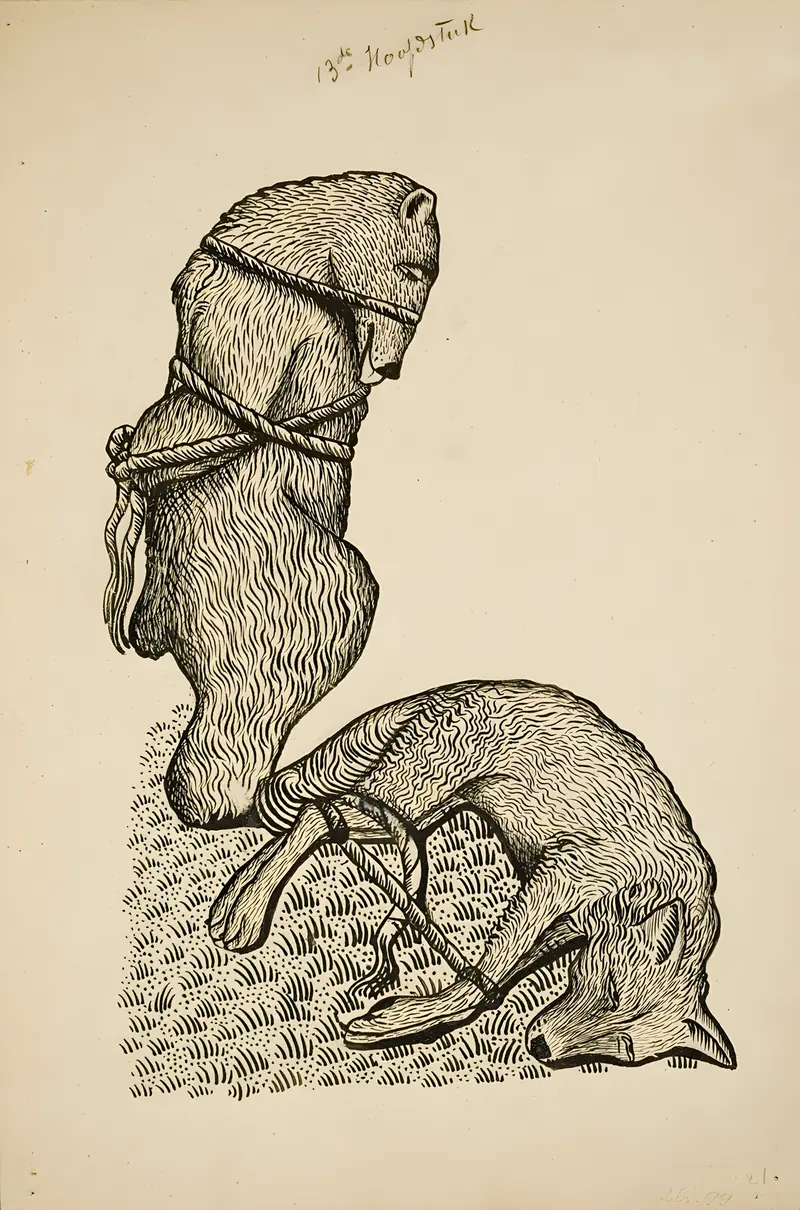
How Reinaert devises a new trick to get free and exterminate his enemies
Gustave Van de Woestijne
Country Girl
Gustave Van de Woestijne
Hospitality for Foreigners
Gustave Van de Woestijne





