
How Brown went out with Reynard where he thought he was eating honey and how he was caught by head and feet and suffered further misfortune — History & Facts
Few paintings have a title as mischievous and as long as How Brown went out with Reynard where he thought he was eating honey and how he was caught by head and feet and suffered further misfortune. This work by Gustave Van de Woestijne draws directly from the medieval beast epic of Reynard the Fox, a tale beloved in Flanders for centuries and a recurring theme in Northern European art. The painting's title alone promises not just a scene, but a whole misadventure — and, true to form, Van de Woestijne delivers a moment thick with irony and peril. At the heart of the scene is Brown the Bear, lured by Reynard the Fox into a trap disguised as a beehive brimming with honey.
Van de Woestijne selects the instant of Brown’s humiliation: the bear, head and paws wedged in a hollow log, is caught fast, while Reynard looks on with sly satisfaction. The composition brims with narrative detail — the glistening honey, the tension in Brown’s limbs, the fox’s sly, sidelong glance. The earthy palette and expressive faces recall the satirical animal fables illustrated by J.J.
Grandville, but Van de Woestijne’s brushwork adds a psychological intensity, making the animals’ predicament feel almost human. The painting’s humor is sharpened by the knowledge that, in the story, Brown’s greed is his undoing, a moral lesson as old as the fable itself. The exact date and medium of this painting remain uncertain, as does its early provenance, reflecting the often-fragmentary documentation of Van de Woestijne’s narrative works. What is certain is that the artist, a key figure in the early 20th-century Symbolist movement in Belgium, returned frequently to folkloric and biblical tales, using them as vehicles for psychological drama.
Works like this one, with their blend of allegory and realism, cemented his reputation in Belgian art circles. Today, How Brown went out with Reynard... stands as a testament to Van de Woestijne’s fascination with the border between animal and human folly, and is treasured wherever it is exhibited for its wit and narrative energy.
Sources: Wikidata Q22249880
More Artworks by Gustave Van de Woestijne
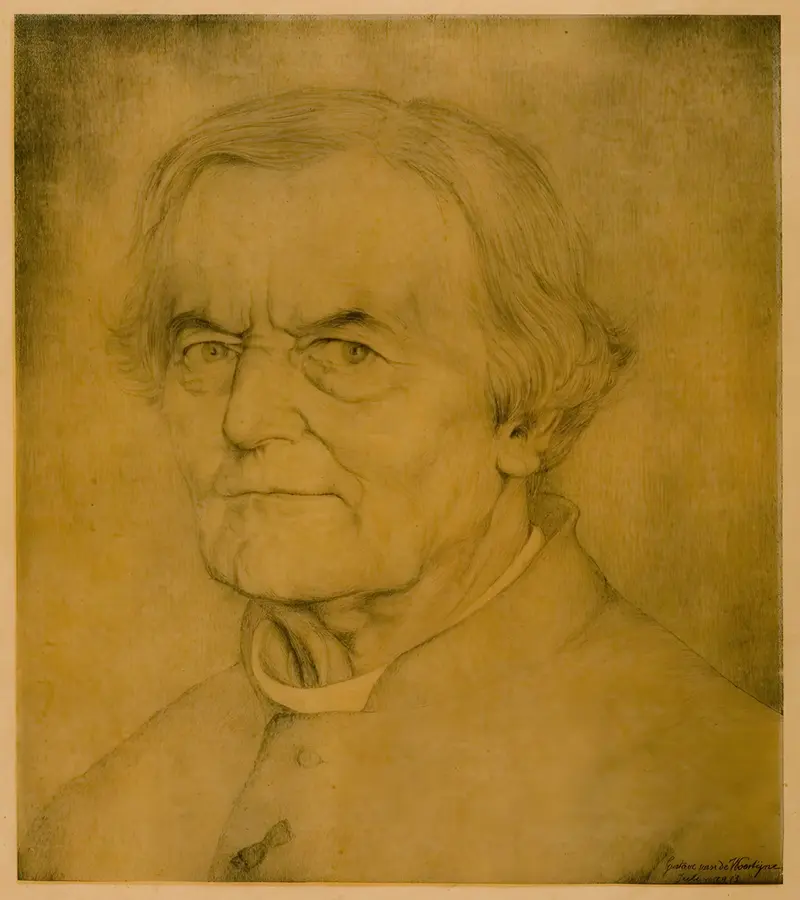
Portrait of Hugo Verriest
Gustave Van de Woestijne
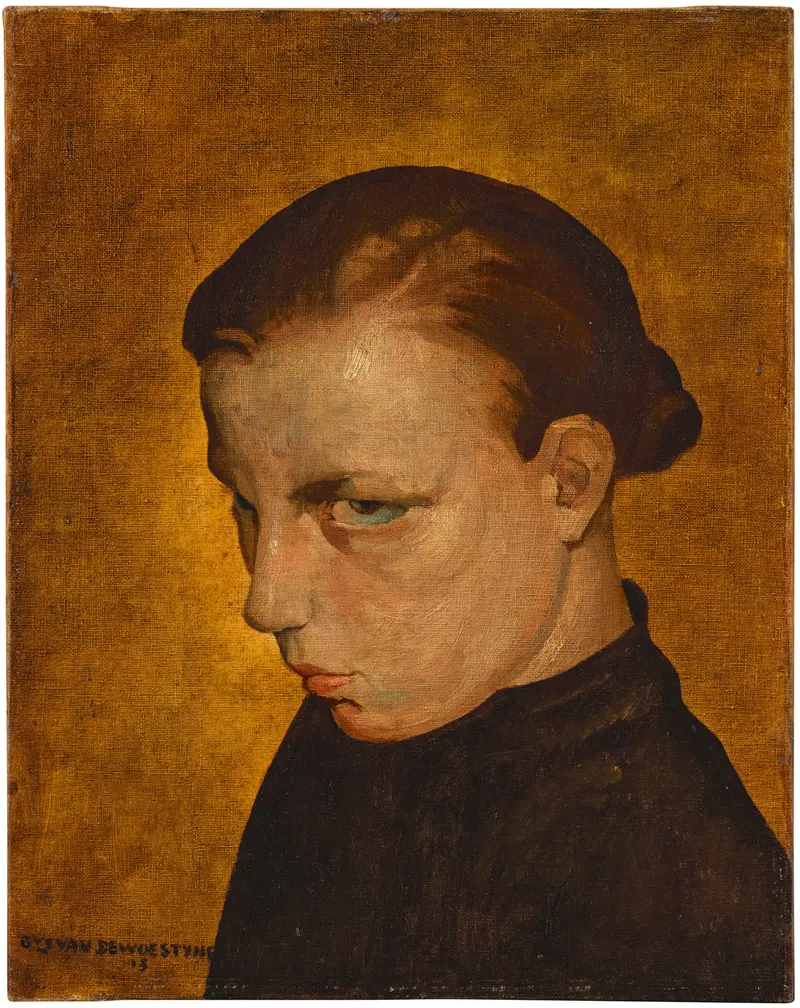
Angèle
Gustave Van de Woestijne
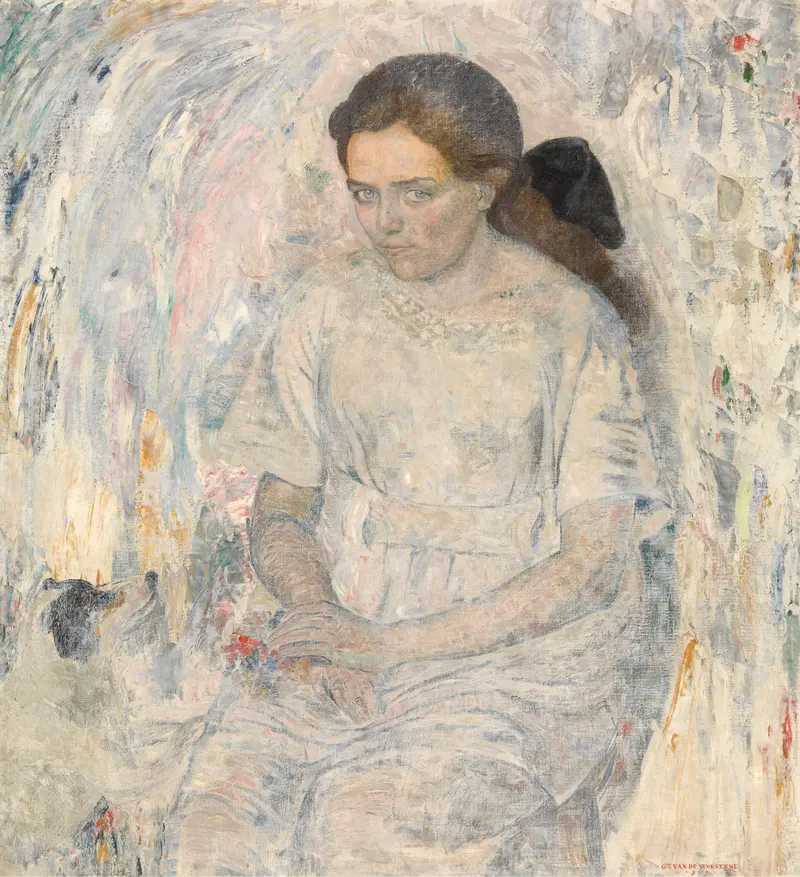
Adrienne
Gustave Van de Woestijne
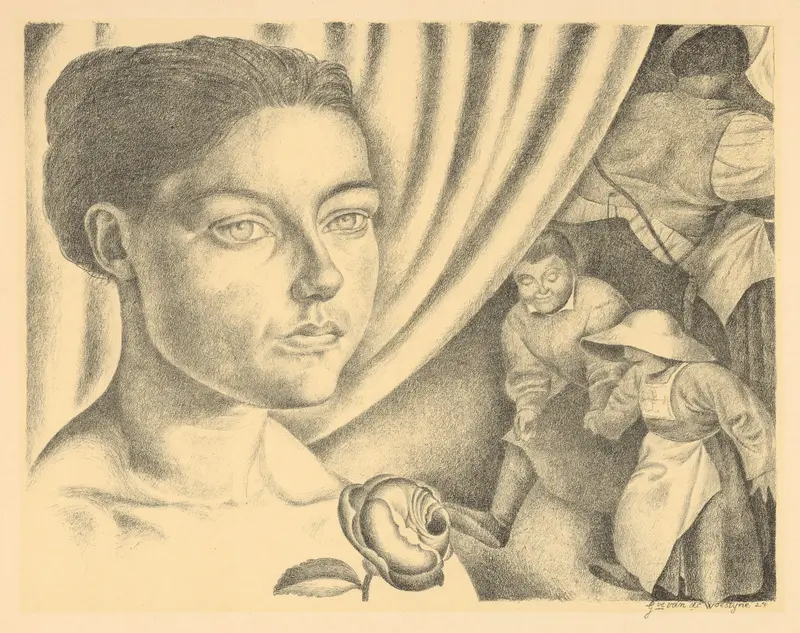
Jeune Femme
Gustave Van de Woestijne
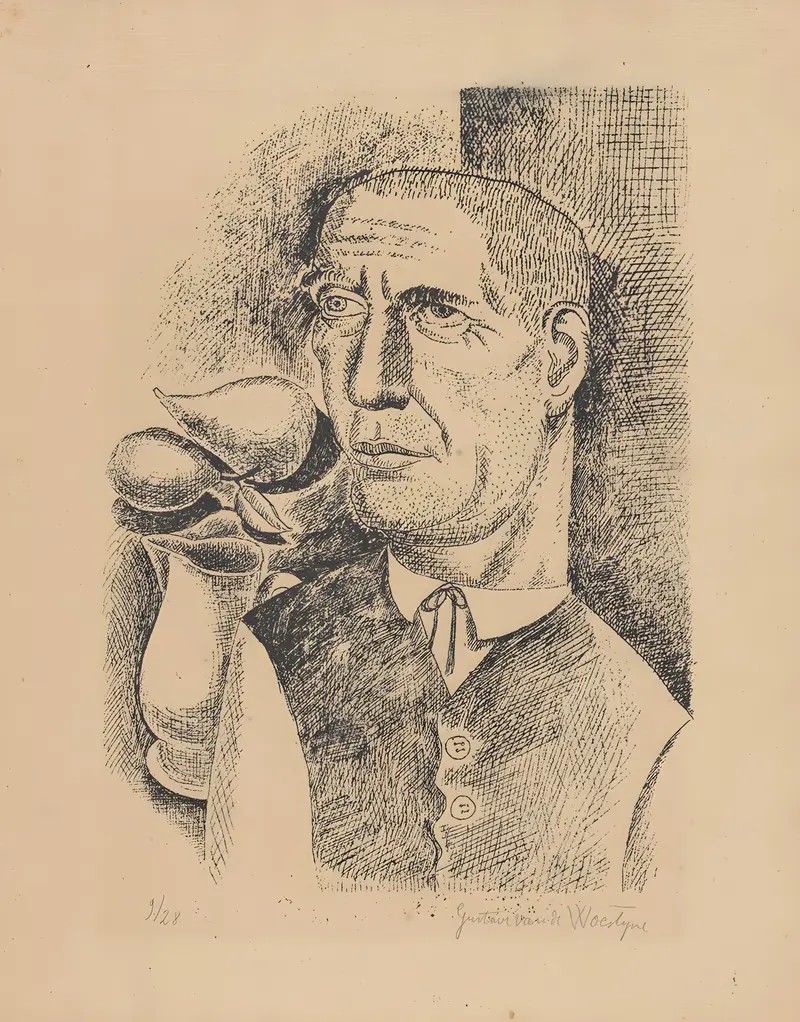
Boer op zijn zondags (Paysan endimanché)
Gustave Van de Woestijne
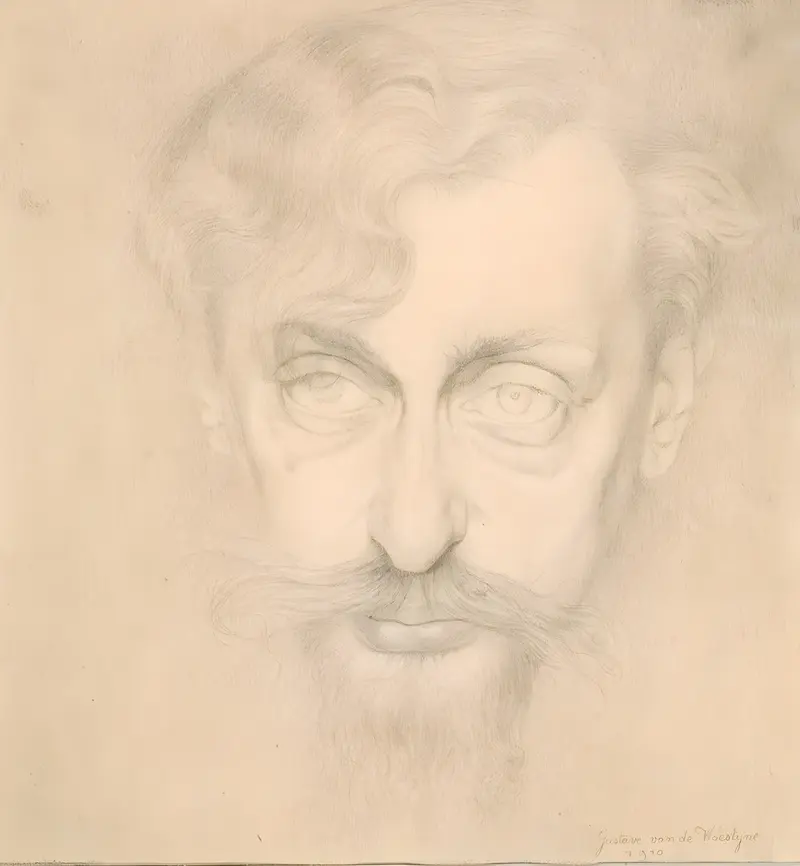
Portrait of the Writer Karel van de Woestijne
Gustave Van de Woestijne
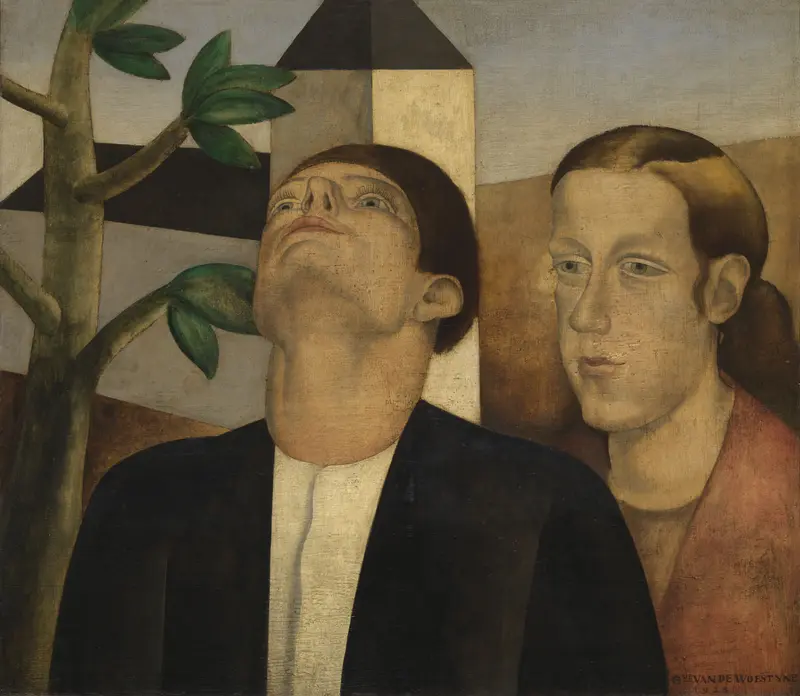
Azure
Gustave Van de Woestijne
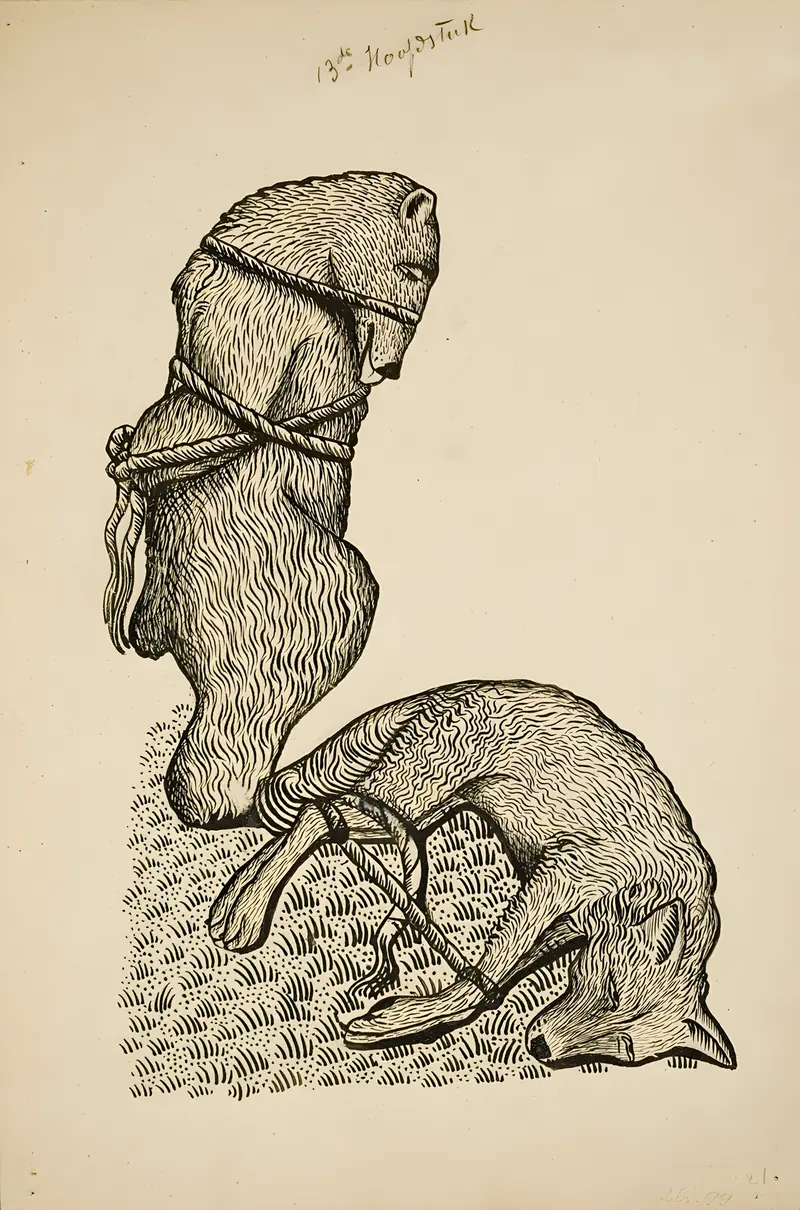
How Reinaert devises a new trick to get free and exterminate his enemies
Gustave Van de Woestijne
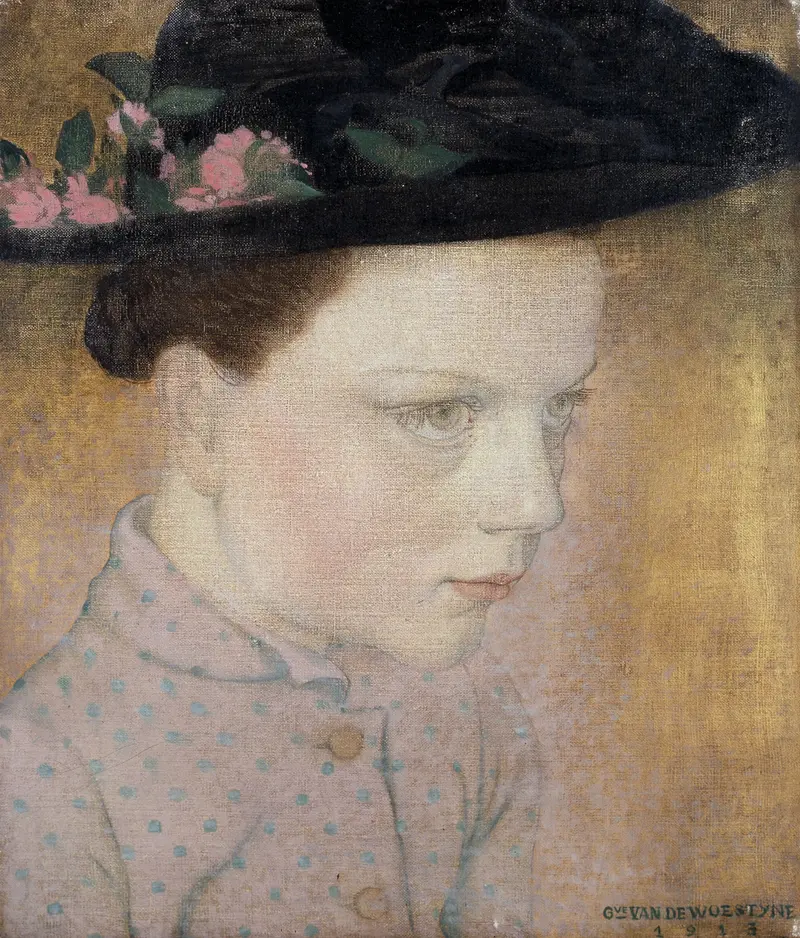
Country Girl
Gustave Van de Woestijne
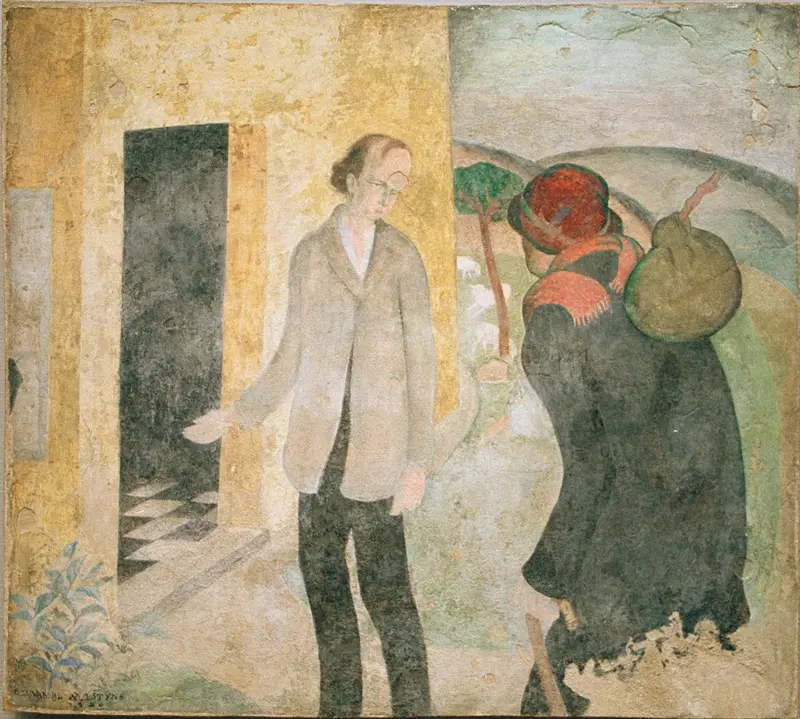
Hospitality for Foreigners
Gustave Van de Woestijne





