
Country Girl — History & Facts
When Country Girl entered the public eye, it was immediately recognized as a key example of Gustave Van de Woestijne’s deep fascination with rural life in Flanders. The painting’s origins remain shrouded in some uncertainty—its date and commission are unknown—but what is certain is its central role in establishing Van de Woestijne’s reputation for psychological intensity. Critics of his era remarked on the unnerving stillness of his figures, and Country Girl is often cited as a turning point in his shift from Symbolism to a more personal, expressive realism.
The painting’s subject—a solitary peasant girl—was unusual for its time, focusing not on idealized labor but on the inner world of its sitter. The girl stands rooted in a flat, open landscape, her gaze directed not at the viewer but somewhere inward and distant. Her hands are clasped tightly, suggesting a mixture of anxiety and resolve, while her plain dress and headscarf mark her as a child of the countryside. The light, sharp and clear, falls directly on her face, heightening the sense of isolation and psychological presence.
Unlike the romanticized peasants of Jean-François Millet or the earthy realism of Jules Bastien-Lepage, Van de Woestijne’s approach is more introspective, using the landscape as a stage for the sitter’s emotional state rather than as a backdrop for toil or hardship. The result is a portrait as much about inner life as external circumstance. The physical history of Country Girl is less documented than its artistic impact. It is thought to have remained in private hands for much of the twentieth century, surfacing occasionally in exhibitions devoted to Gustave Van de Woestijne and the early twentieth-century Flemish avant-garde.
Today, it is counted among the most representative works of the artist’s mature period, bridging his Symbolist beginnings with his later, more direct style. While the precise details of its creation and early ownership are unclear, its enduring presence in discussions of Belgian modernism speaks to its quiet, persistent power.
More Artworks by Gustave Van de Woestijne
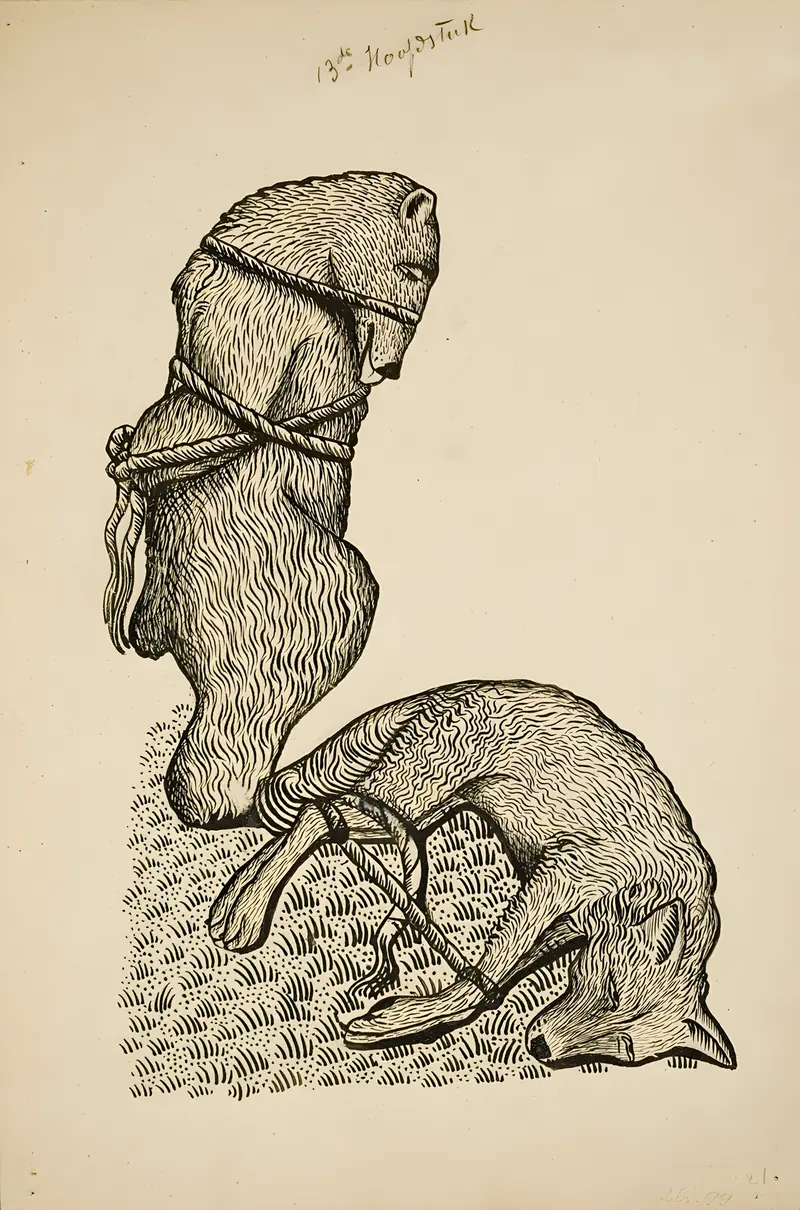
How Brown went out with Reynard where he thought he was eating honey and how he was caught by head and feet and suffered further misfortune
Gustave Van de Woestijne
Portrait of Hugo Verriest
Gustave Van de Woestijne
Angèle
Gustave Van de Woestijne
Adrienne
Gustave Van de Woestijne
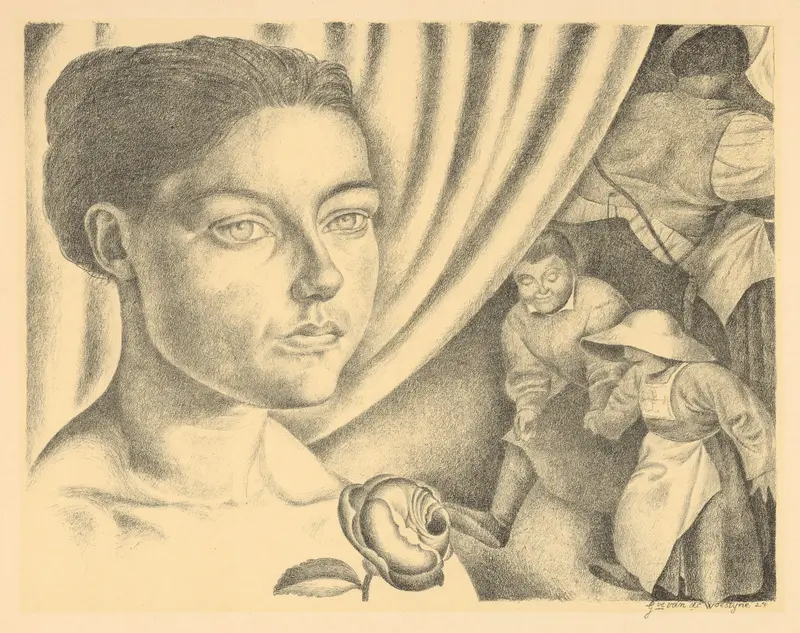
Jeune Femme
Gustave Van de Woestijne
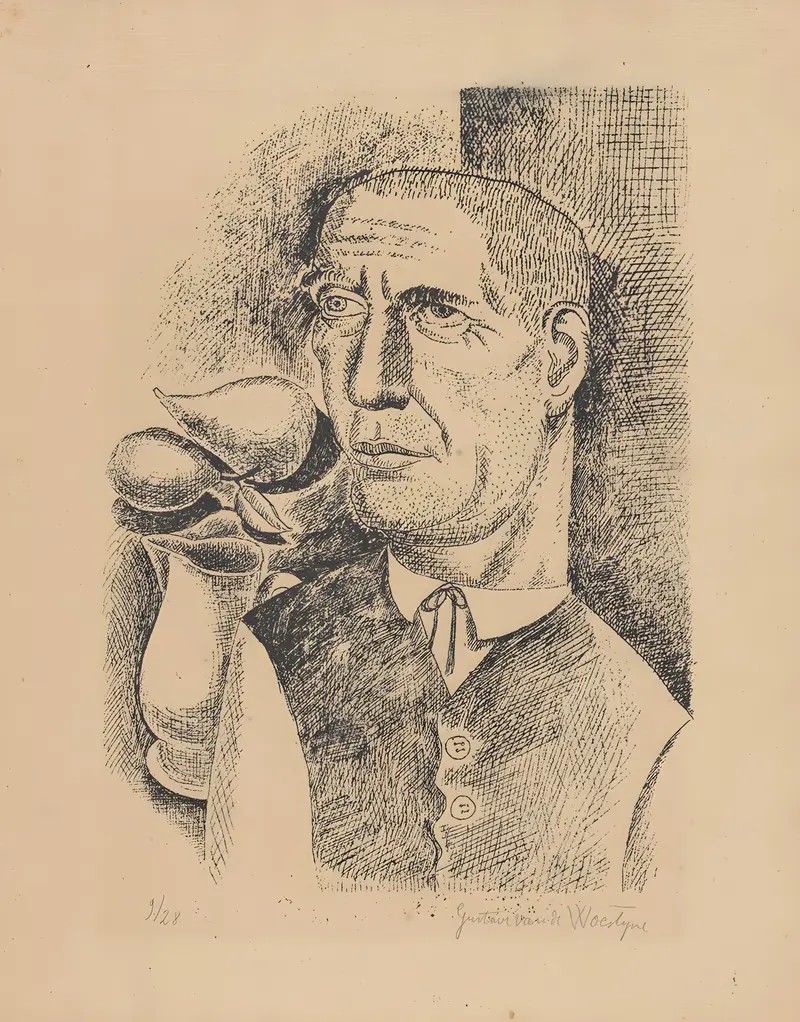
Boer op zijn zondags (Paysan endimanché)
Gustave Van de Woestijne
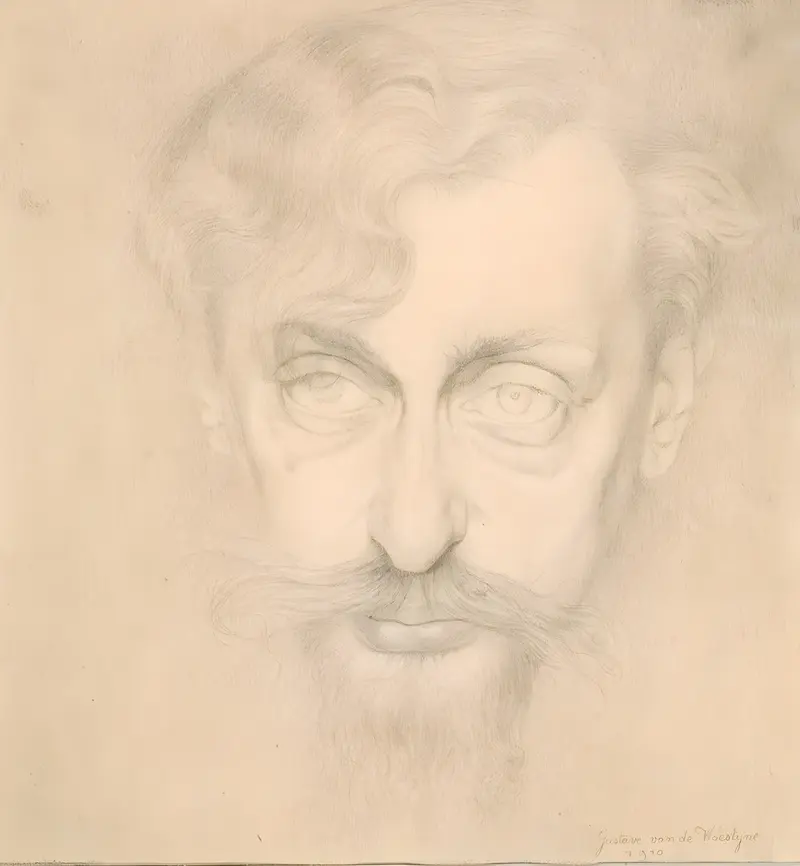
Portrait of the Writer Karel van de Woestijne
Gustave Van de Woestijne
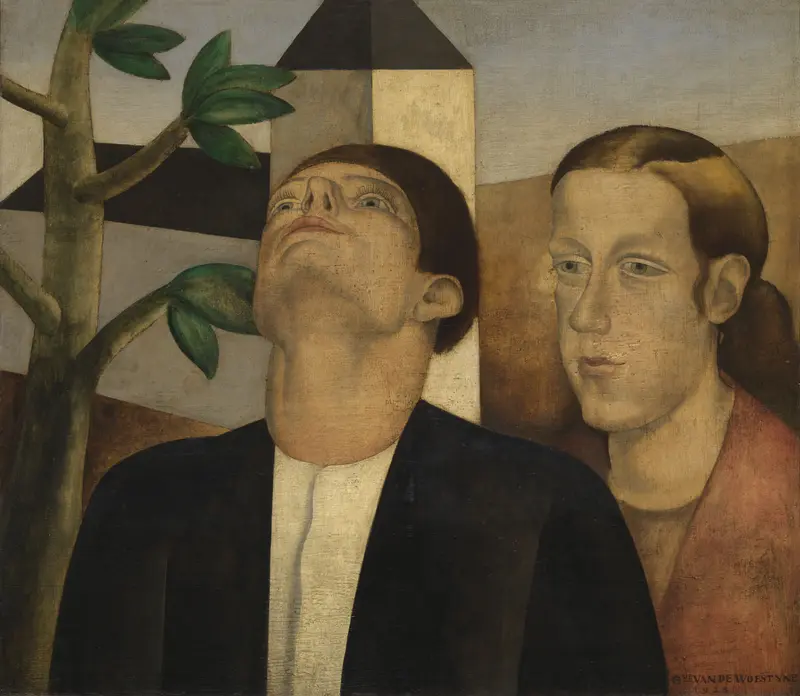
Azure
Gustave Van de Woestijne
How Reinaert devises a new trick to get free and exterminate his enemies
Gustave Van de Woestijne
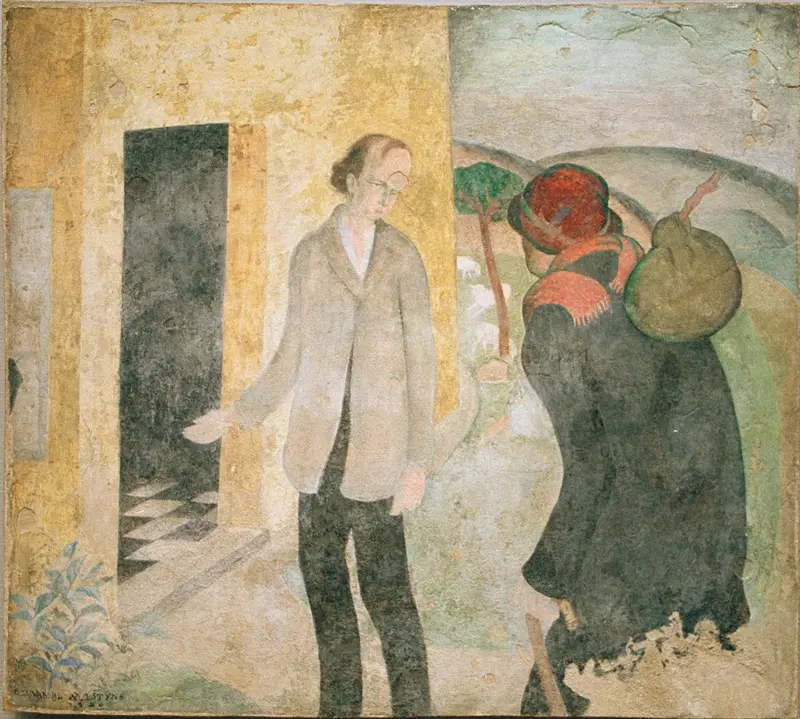
Hospitality for Foreigners
Gustave Van de Woestijne





