Still Life: Wood Tankard and Metal Pitcher — History & Facts
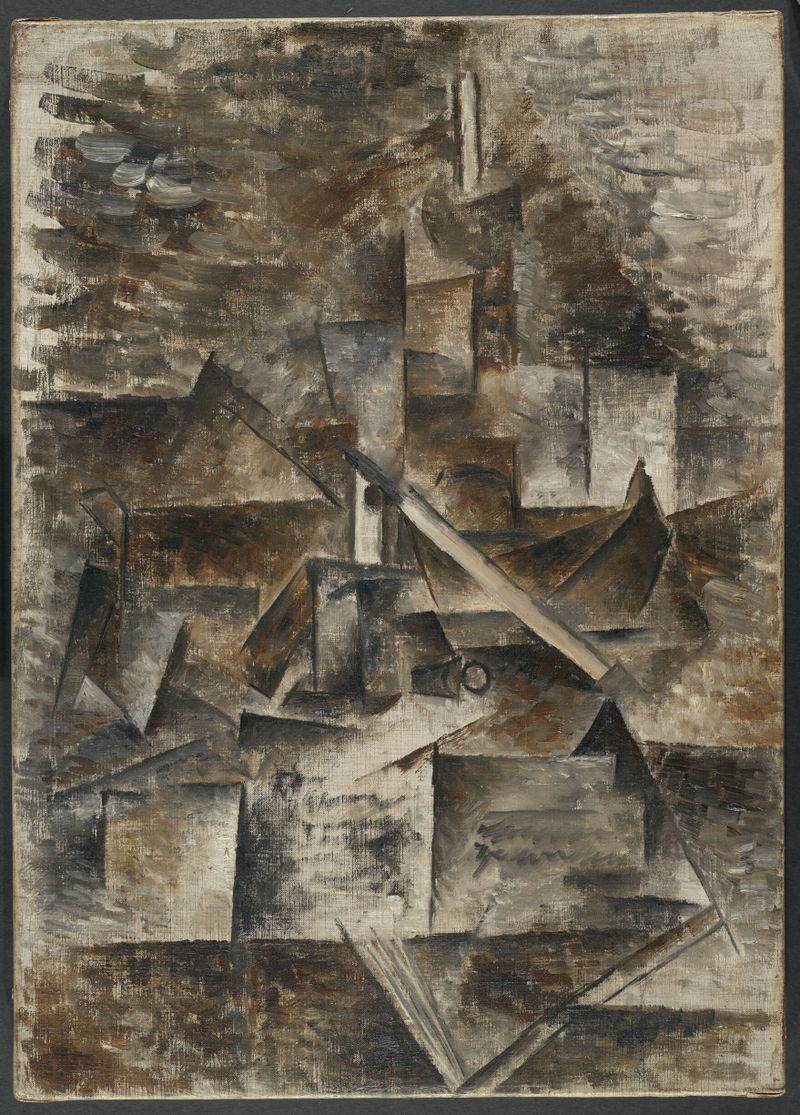
In the silence of a still life, moments of emptiness resonate with profound depth, inviting contemplation into the very essence of existence. Look to the left at the wood tankard, its textured surface catching the light, suggesting both warmth and weight. The metal pitcher stands tall beside it, its polished exterior reflecting the sparse illumination that fills the canvas, creating a striking contrast between the rough and the smooth. Notice how the dark background recedes, allowing these objects to emerge with a tangible presence, while warm, earthy hues dominate the scene, evoking a sense of intimacy and stillness. Delve deeper to uncover the emotional tensions at play: the juxtaposition of the sturdy tankard and the sleek pitcher suggests a dialogue between the familiar and the intriguing, the mundane and the artistic.
The emptiness surrounding them speaks to absence — of life, of movement, and of the stories that remain untold. This stillness can evoke a sense of solitude, urging the viewer to reflect on the quiet moments in their own life where meaning arises from simplicity. In 1880, Gauguin was in his early thirties, living in Paris while experimenting with different artistic styles and techniques. It was a period marked by his search for personal expression amid the burgeoning Impressionist movement.
This work exemplifies his transition towards a more symbolic and emotive approach, as he began to explore the emotional resonance of color and composition, laying the groundwork for his later, more vibrant masterpieces.
More Artworks by Paul Gauguin
Browse all →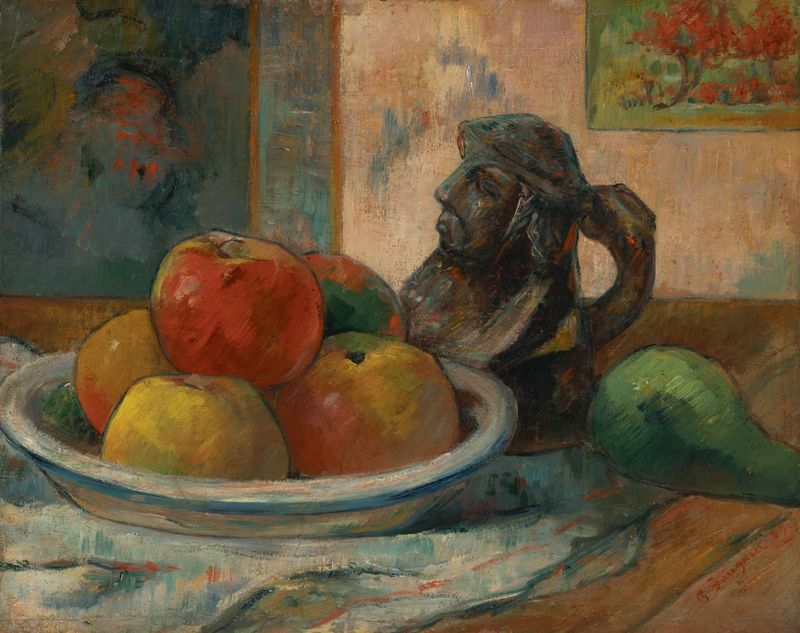
Still Life with Apples, a Pear, and a Ceramic Portrait Jug
Paul Gauguin
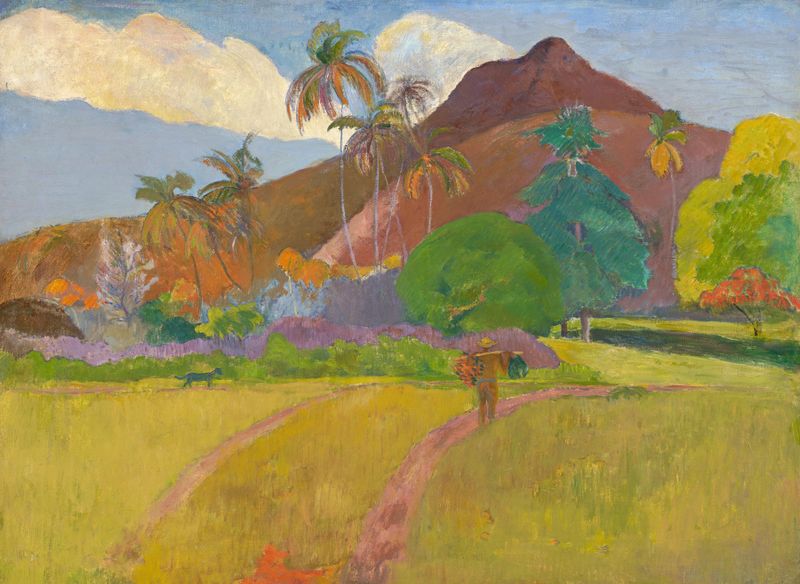
Tahitian Landscape
Paul Gauguin

Landscape near Pont-Aven
Paul Gauguin

No te aha oe riri (Why Are You Angry?)
Paul Gauguin
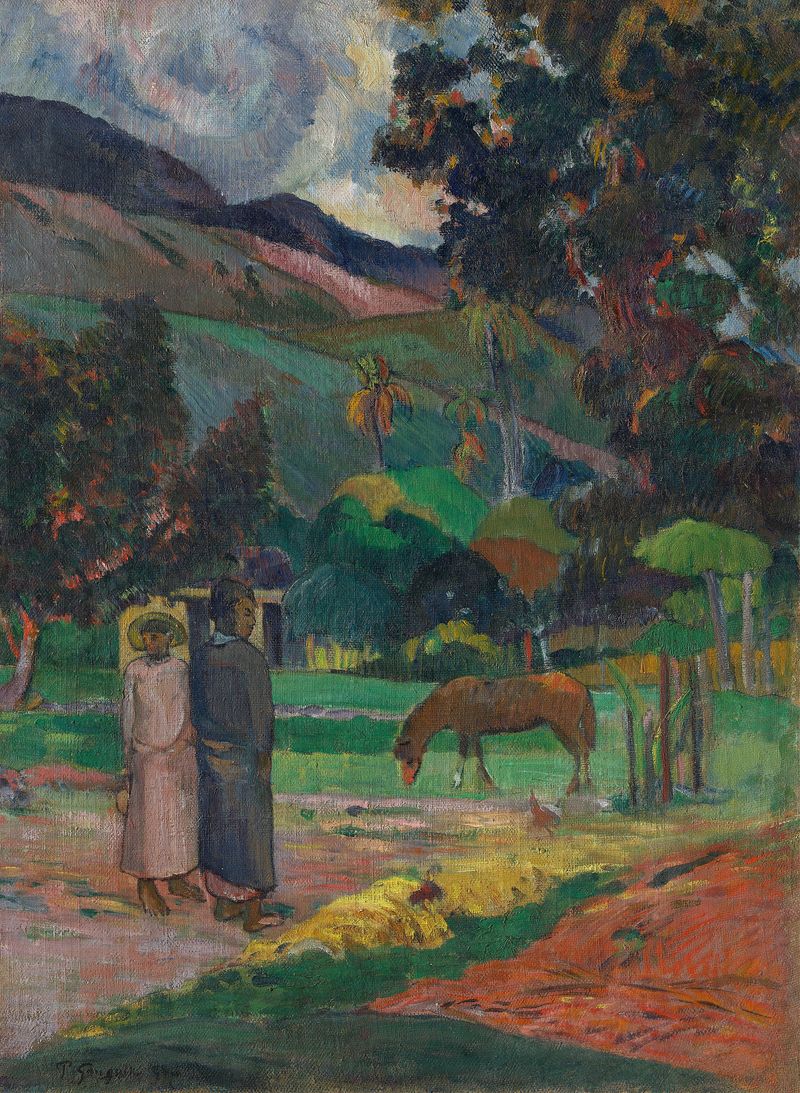
Tahitian Landscape
Paul Gauguin
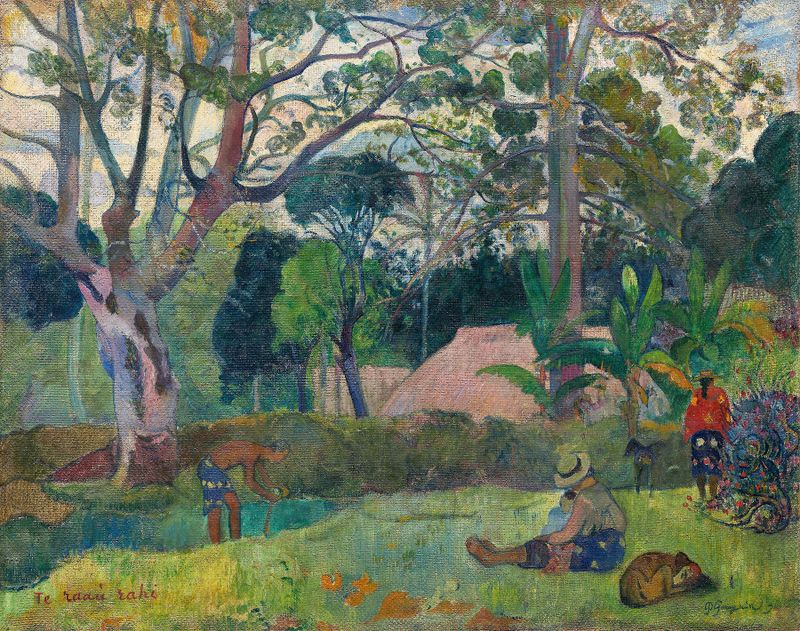
Te raau rahi (The Big Tree)
Paul Gauguin

Landscape at Le Pouldu
Paul Gauguin

Landscape of Brittany
Paul Gauguin

Poèmes Barbares
Paul Gauguin
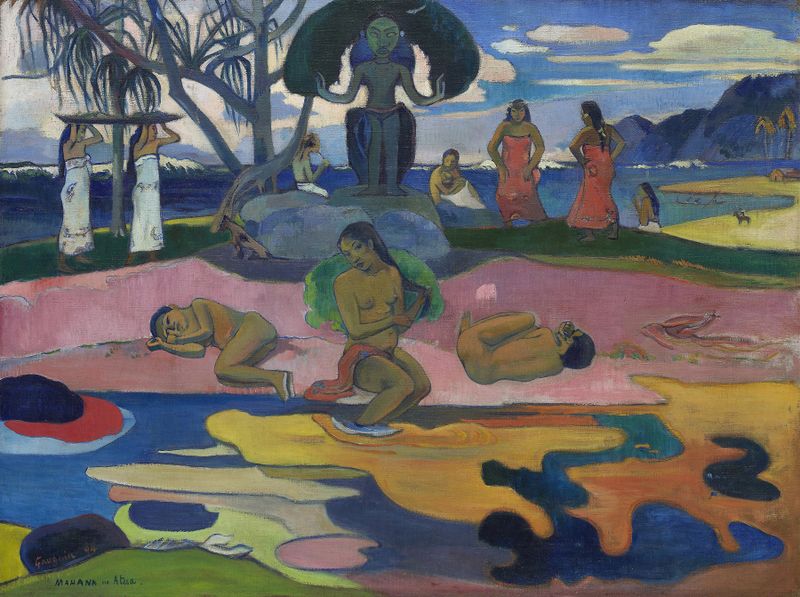
Mahana no atua (Day of the God)
Paul Gauguin