
Stoke Poges Church — History & Facts
Did the painter know this moment would outlive them? Surrounded by the gentle whispers of nature, Stoke Poges Church emerges from the canvas, a testament to eternity captured in vibrant hues. Focus on the church, standing resolute against a backdrop of lush greens and soft blues. The light dances across the scene, illuminating the structure’s delicate architecture while casting playful shadows that suggest a tender interaction with the landscape. Notice how the skilled brushwork invites you to trace the contours of the trees, their leaves a symphony of color that complements the silvery clouds drifting lazily above. At the heart of this work lies a profound tension between permanence and fleeting beauty.
The church symbolizes enduring faith, while the surrounding nature whispers of transience. The vibrant palette reflects life and vitality, yet the serene atmosphere evokes a contemplative stillness. Each detail, from the intricacies of the foliage to the carefully rendered sky, invites viewers to ponder their place within this harmonious balance. In 1834, John Constable painted this piece during a period of profound change in both his personal life and the art world.
He was grappling with the recent loss of his beloved wife and the evolution of landscape painting that sought to capture more than mere representation. Constable’s focus on color and emotional resonance in this work exemplifies his commitment to imbuing landscapes with personal depth, helping shape the trajectory of Romantic art.
More Artworks by John Constable
Browse all →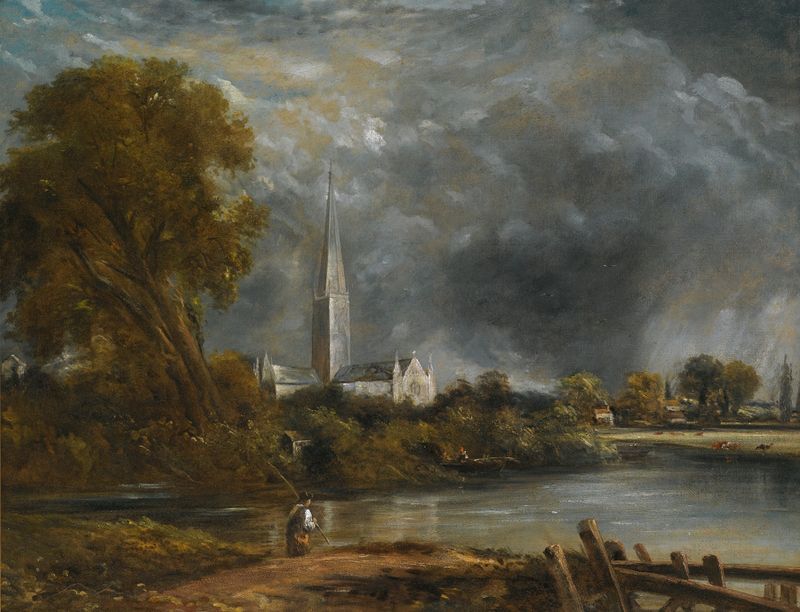
Salisbury Cathedral From The Meadows
John Constable
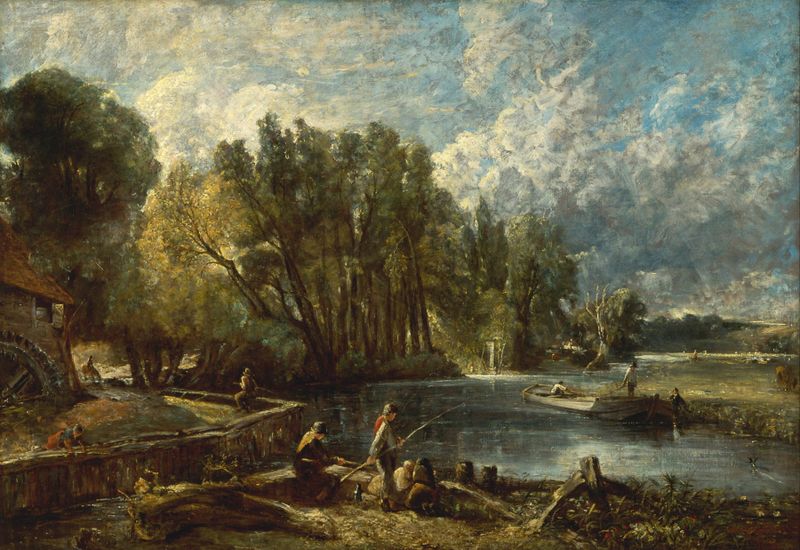
Stratford Mill
John Constable
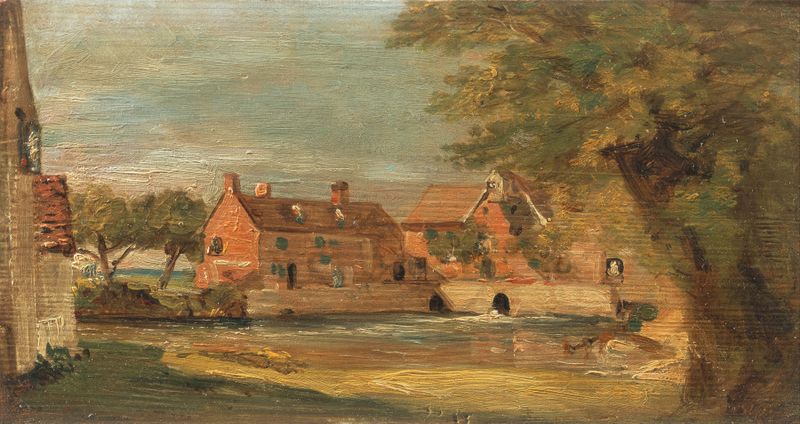
Flatford Mill
John Constable
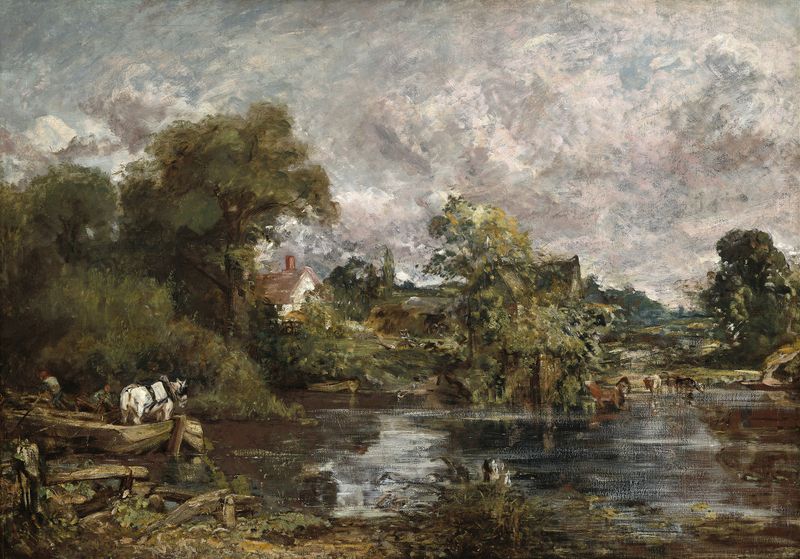
The White Horse
John Constable
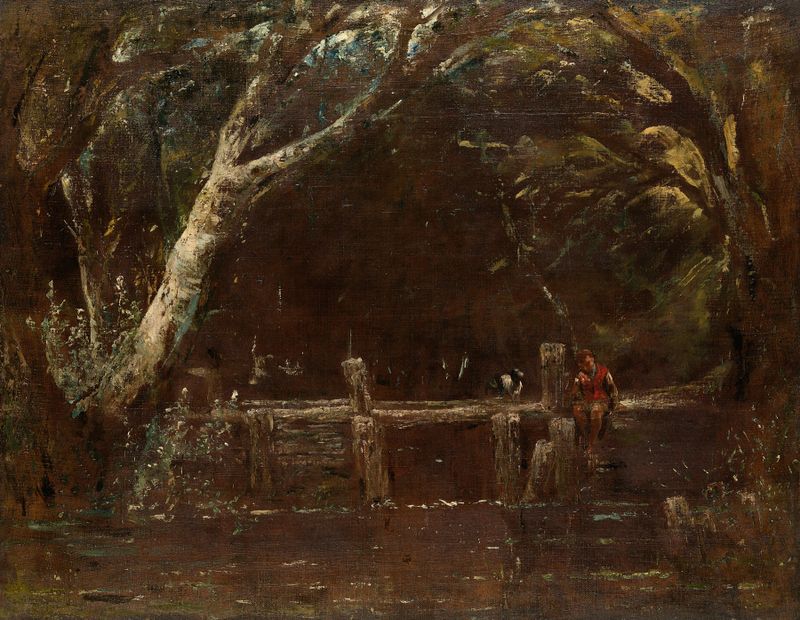
Landscape (The Lock)
John Constable
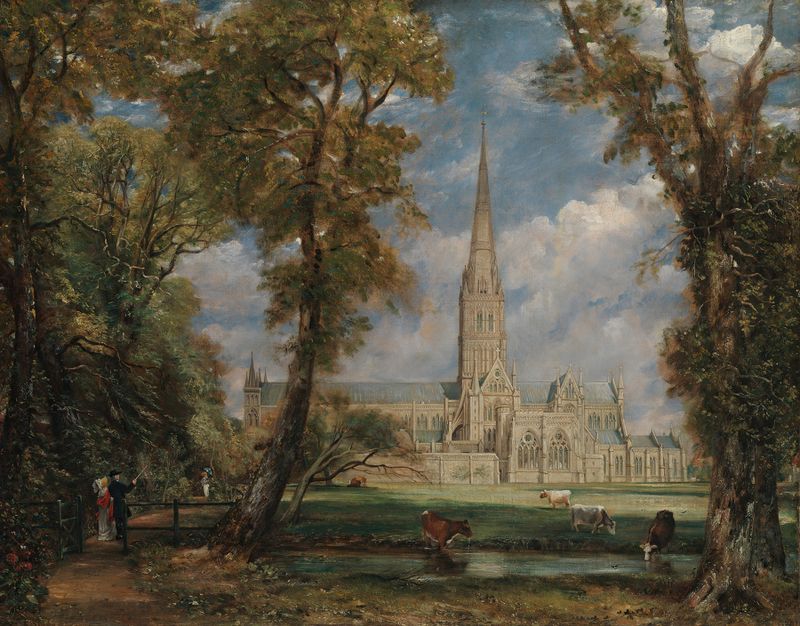
Salisbury Cathedral from the Bishop’s Grounds
John Constable
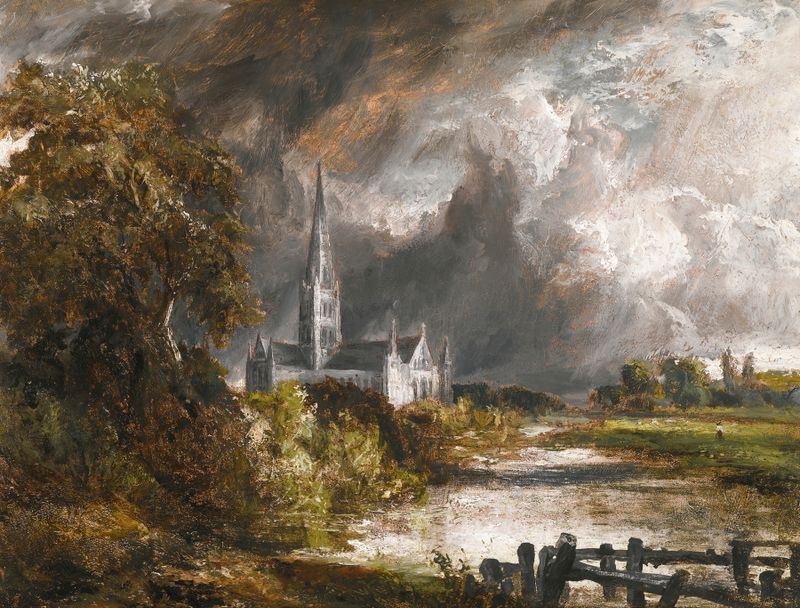
Salisbury Cathedral From The Meadows
John Constable
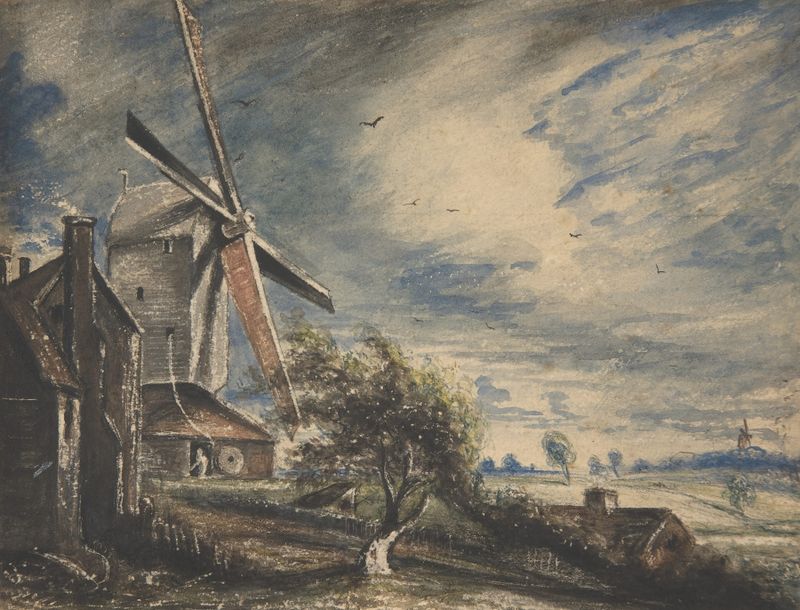
A Mill Near Colchester
John Constable
East Bergholt
John Constable

Flatford Mill
John Constable





