
Stop in Francolisi voor aankomst in Capua — History & Facts
Can beauty exist without sorrow? In Stop in Francolisi voor aankomst in Capua, the interplay of light and landscape invites a contemplation of joy intermingled with the melancholy of transience. Look to the foreground, where the vibrant greens of the lush Italian countryside seem to cradle the weary travelers. The painter’s brushwork brings texture to the foliage, while the soft, diffused light bathes the scene in a golden hue, suggesting late afternoon. Draw your eye along the winding path that leads into the distance, hinting at journeys yet to unfold.
Notice how the distant mountains stand sentinel, their peaks cloaked in mist—an embodiment of the unachievable heights that call to the human spirit. This artwork speaks volumes about the human experience, evoking a sense of longing that permeates the air. The juxtaposition of the serene landscape against the transient moment of rest captures a duality: the peacefulness of nature and the inevitable passage of time. Each figure, poised in their moment of pause, reflects the greater narrative of life’s journey—beauty intertwined with a sense of urgency that resonates deeply within our own lives. Created in 1778, this piece emerged during a time when Ducros was influenced by the burgeoning Romantic movement, which sought to connect deeply with nature and emotion.
As he painted in Italy, far from his native Switzerland, he grappled with themes of distance and connection, both geographical and emotional. In this period, artists flourished in exploring not just the aesthetics of landscapes but also their capacity to evoke profound feelings and reflections on existence.
More Artworks by Abraham-Louis-Rodolphe Ducros
Browse all →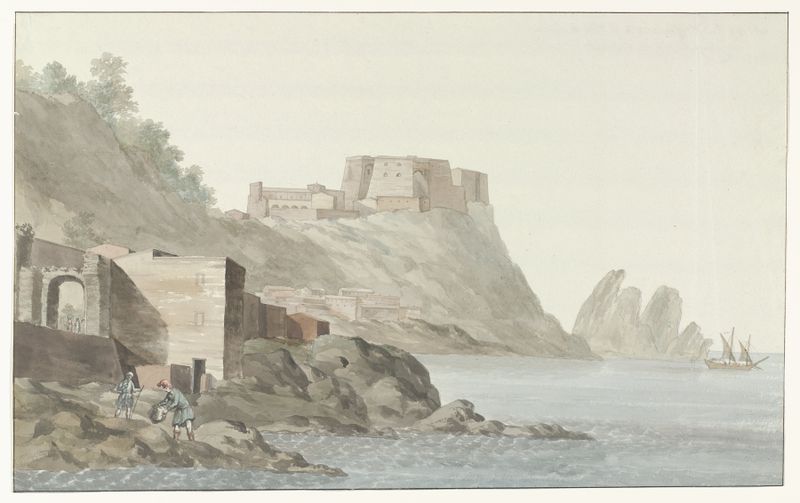
Rots en stad Scilla in de regio Calabrië aan de oostkust
Abraham-Louis-Rodolphe Ducros
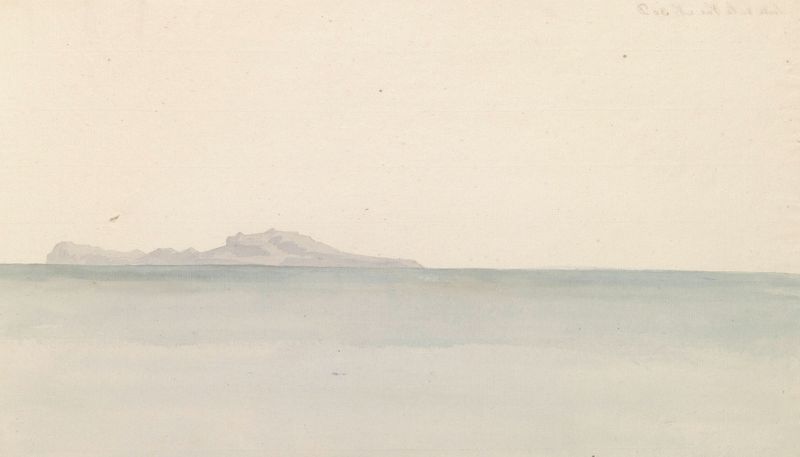
Gezicht op Golf van Napels vanaf kade bij kerk Santa Maria del Carmine
Abraham-Louis-Rodolphe Ducros
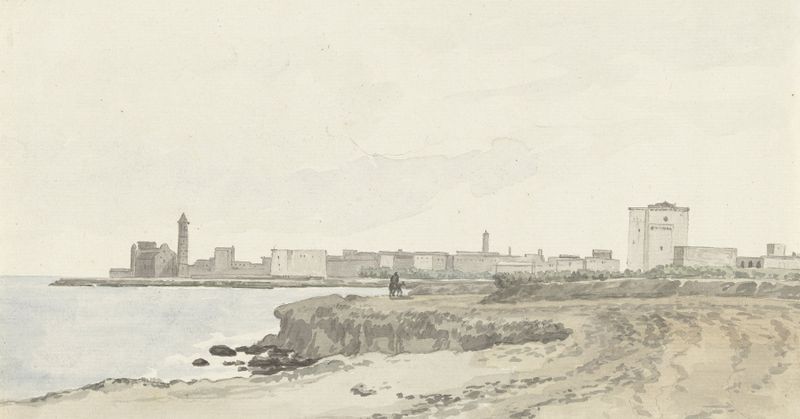
Gezicht op Trani gelegen aan de kust
Abraham-Louis-Rodolphe Ducros
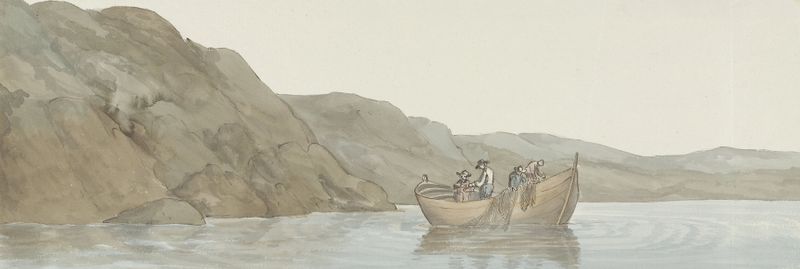
Gezicht op Kaap Paceco in Calabrië nabij de stad Scilla
Abraham-Louis-Rodolphe Ducros
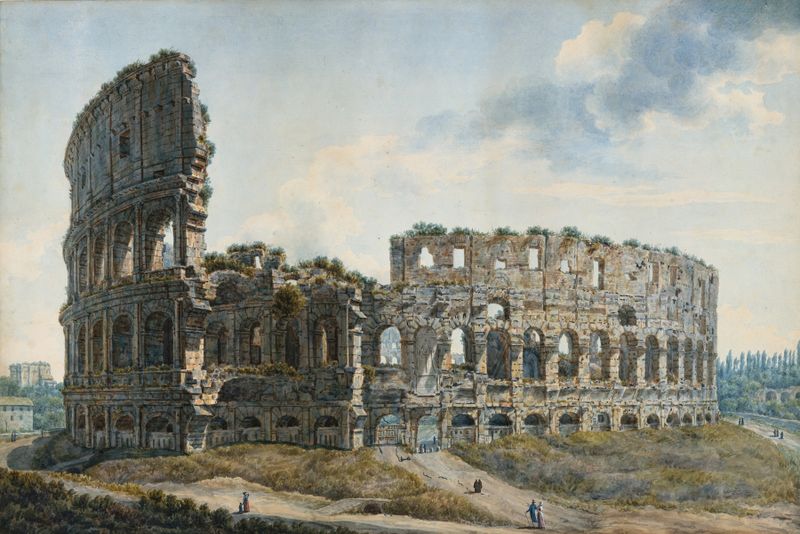
The Colosseum, Rome.
Abraham-Louis-Rodolphe Ducros
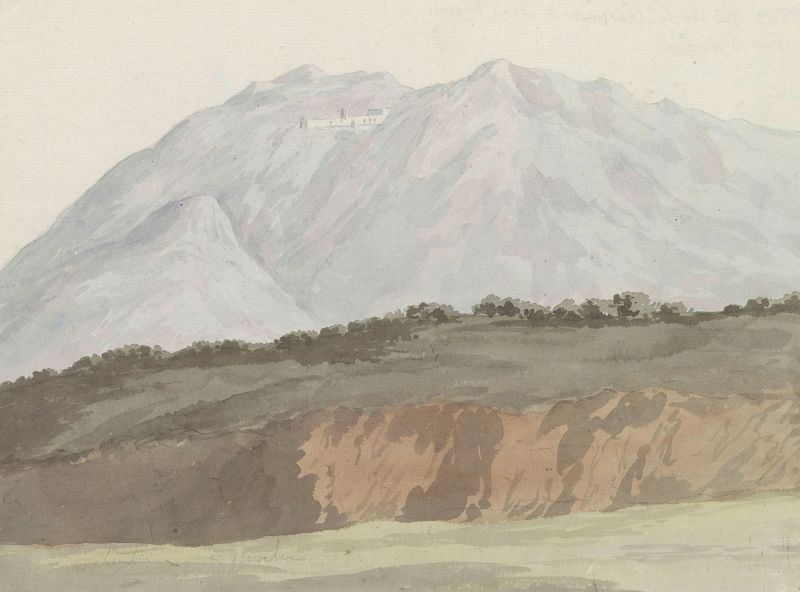
Gezicht op kartuizerklooster van Monte Vergine hoog gelegen boven Avellino
Abraham-Louis-Rodolphe Ducros
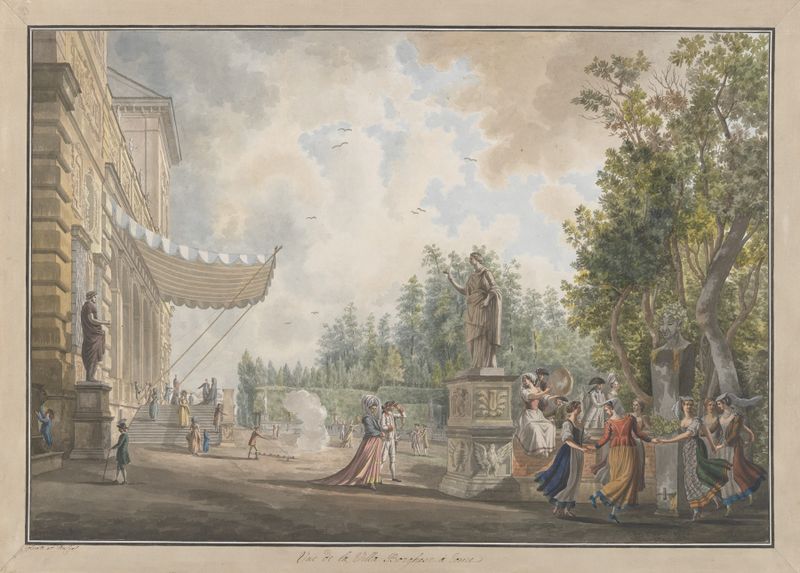
Villa Borghese
Abraham-Louis-Rodolphe Ducros
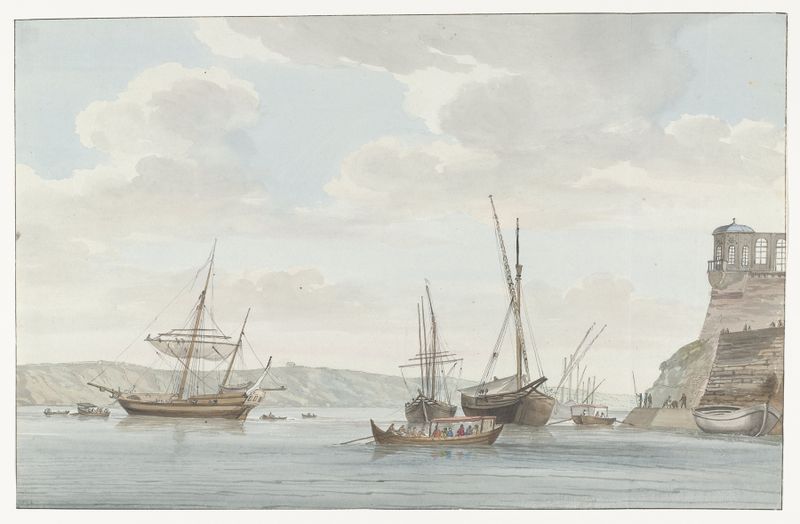
Tuinhuis van de Jardin du Grand Maître uittorend boven de haven met galei schepen op Malta
Abraham-Louis-Rodolphe Ducros
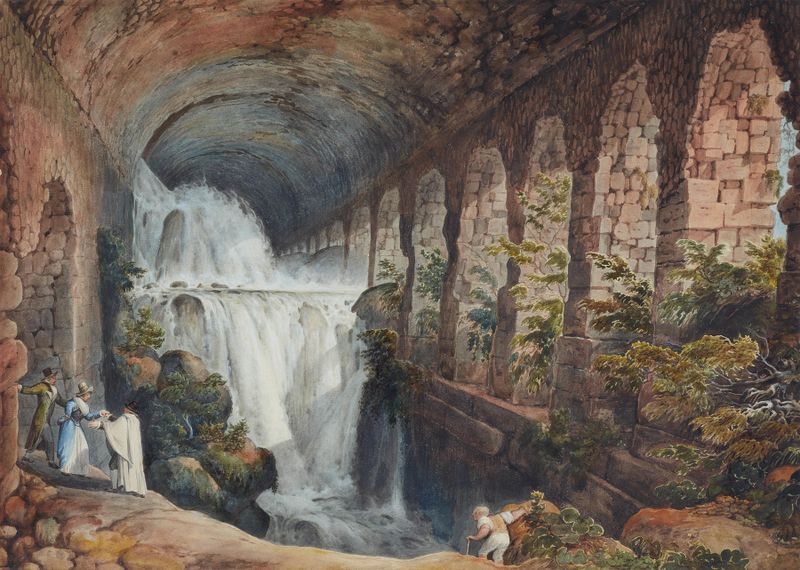
Aquädukt unter der Villa des Maecenas in Tivoli
Abraham-Louis-Rodolphe Ducros
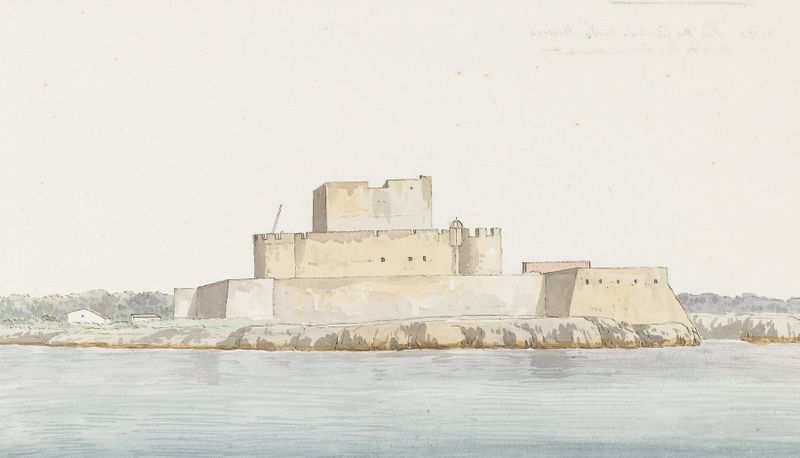
Gezicht op kasteel van San Mauro la Bruca vanaf zee bij aankomst
Abraham-Louis-Rodolphe Ducros





