
Strandgezicht met duinen — History & Facts
Who listens when art speaks of silence? In the stillness of Strandgezicht met duinen, a quiet truth emerges, echoing the whispers of nature and time. Look to the left at the gentle undulation of the dunes, their soft contours rendered in subtle earth tones that resonate with the warmth of late afternoon light. Notice how the artist employs delicate line work to capture the movement of grasses swaying in the breeze, inviting your gaze to dance along the shore. The horizon stretches beyond, a thin veil where the sky meets the sea, painted in soft blues and grays, creating a sense of infinite depth and calm. Here, the interplay of light and shadow reveals deeper emotional currents.
The light, filtering through clouded skies, suggests a fleeting moment; it evokes both tranquility and an underlying melancholy, as if the viewer stands on the precipice of reflection. The absence of figures hints at solitude and invites contemplation about the relationship between humanity and nature. The dunes, seemingly eternal, contrast the transience of human life, urging a recognition of our place within the vast landscape. Wenceslaus Hollar created this work between 1627 and 1636, during a time of great change in Europe marked by the Thirty Years' War.
Living in the Netherlands, he was immersed in a rich artistic environment where landscapes and etchings flourished. This piece reflects not only his mastery of line and form but also the evolving appreciation for the natural world in art, emerging amidst a backdrop of conflict and transformation.
More Artworks by Wenceslaus Hollar
Browse all →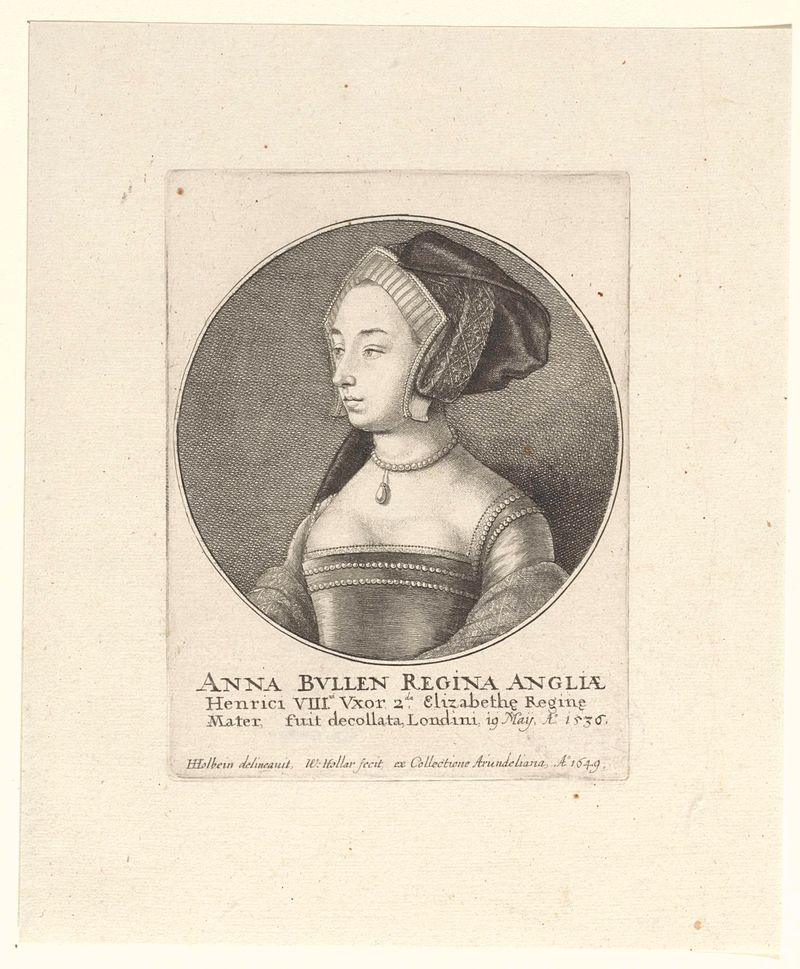
Portret van Anna Boleyn, koningin van Engeland
Wenceslaus Hollar
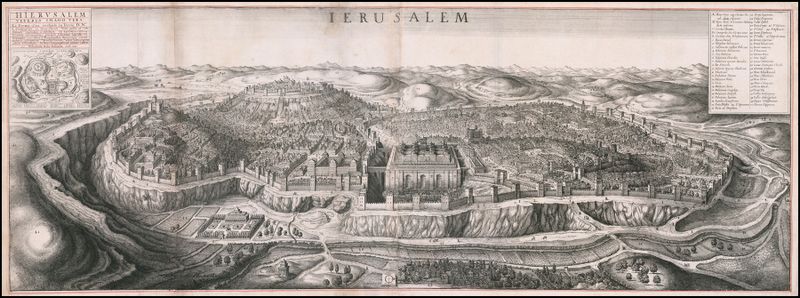
Bird’s eye view of Jerusalem
Wenceslaus Hollar
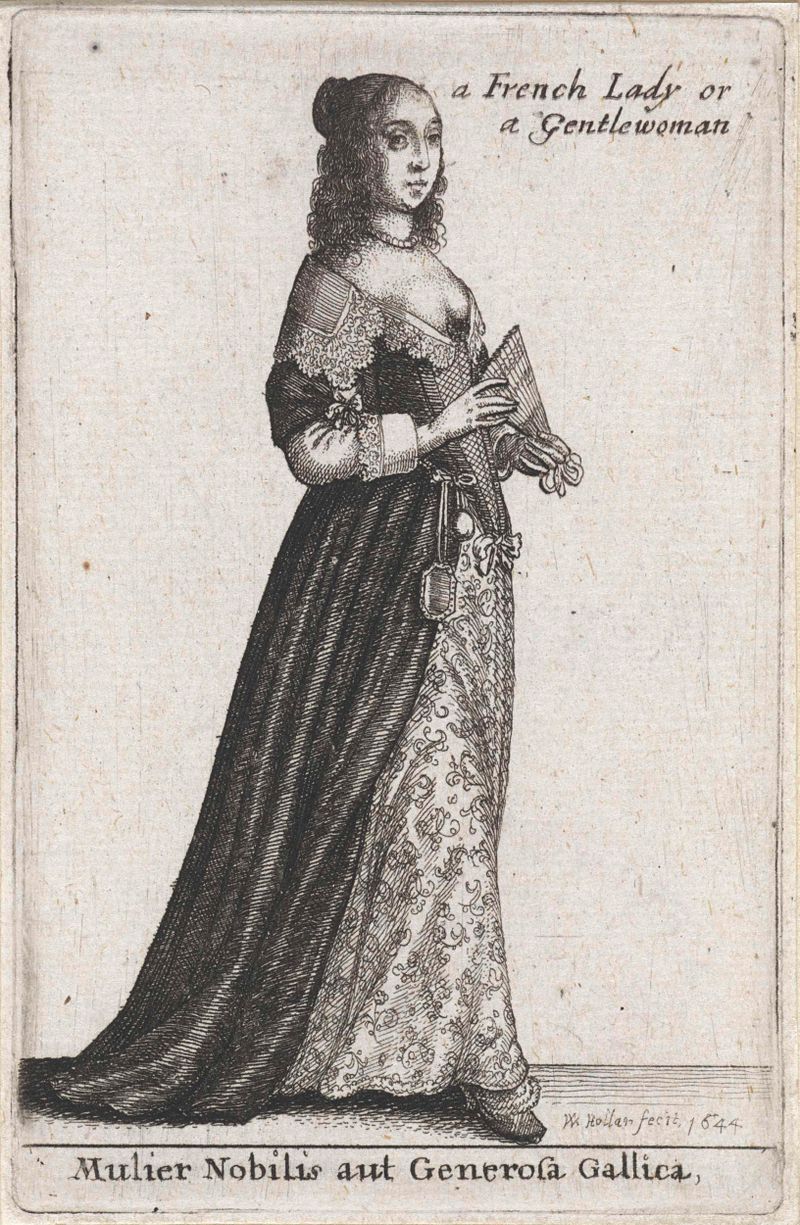
Mulier Nobilis aut Generosa Gallica / a French Lady or Gentlewoman
Wenceslaus Hollar
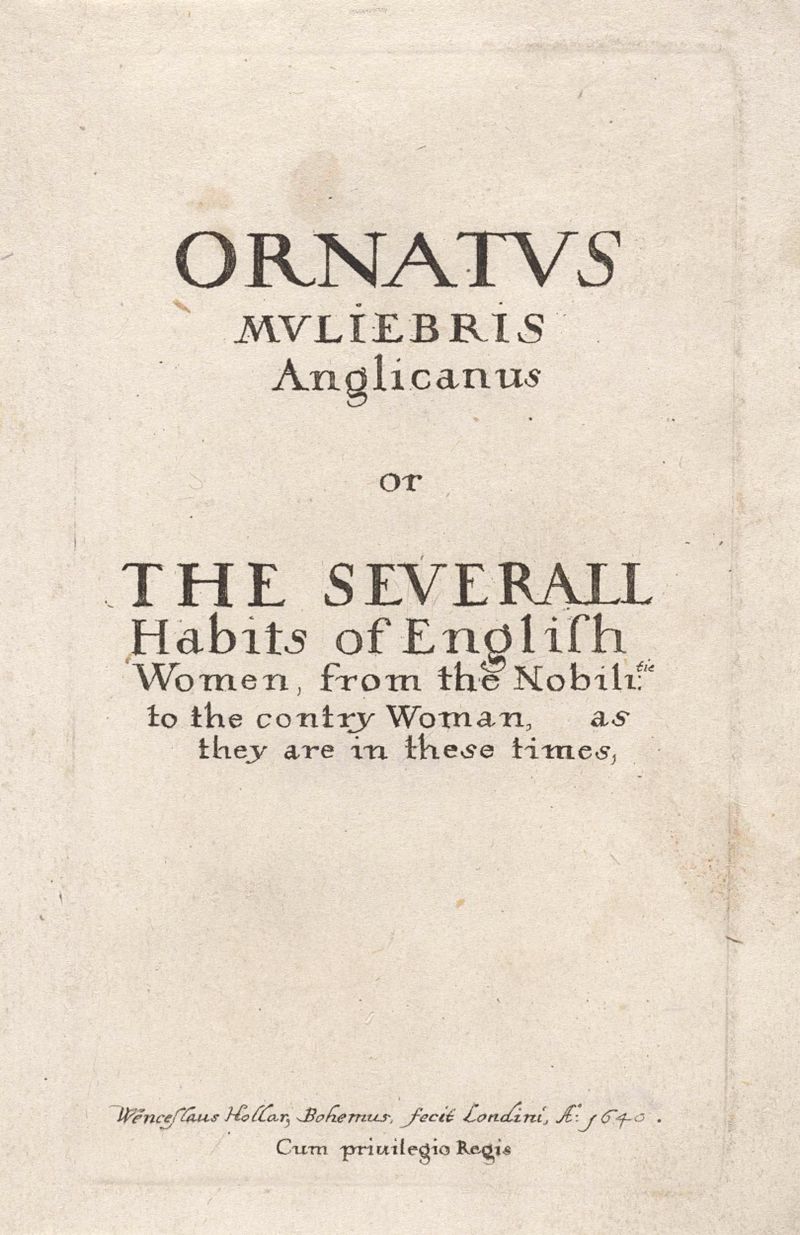
Titelprent voor: Ornatus Muliebris Anglicanus
Wenceslaus Hollar
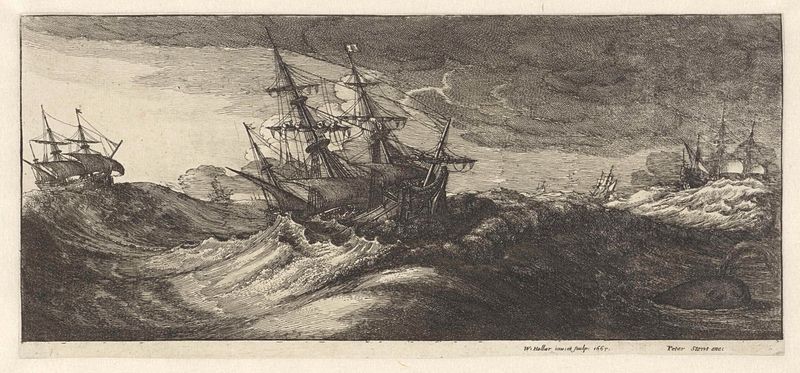
Oorlogsschepen en een walvis in een zeestorm
Wenceslaus Hollar
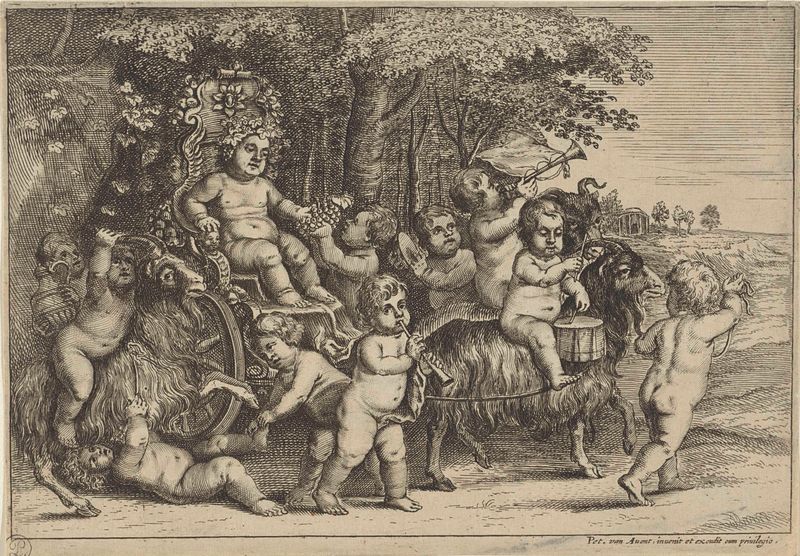
Optocht van bacchant en jongetjes op geiten
Wenceslaus Hollar
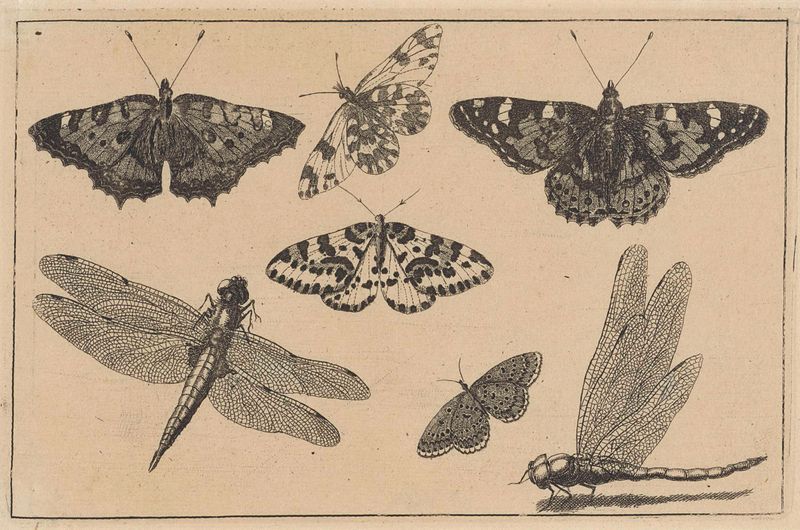
Twee libellen en vijf vlinders
Wenceslaus Hollar
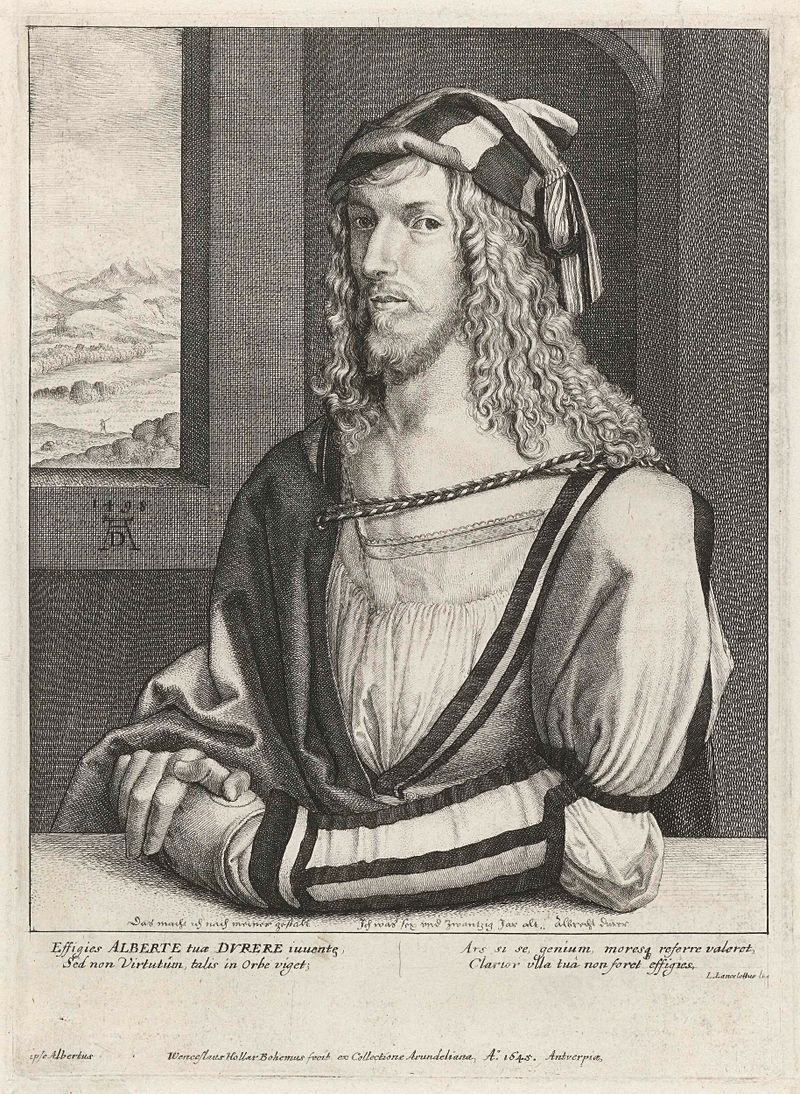
Portret van Albrecht Dürer
Wenceslaus Hollar
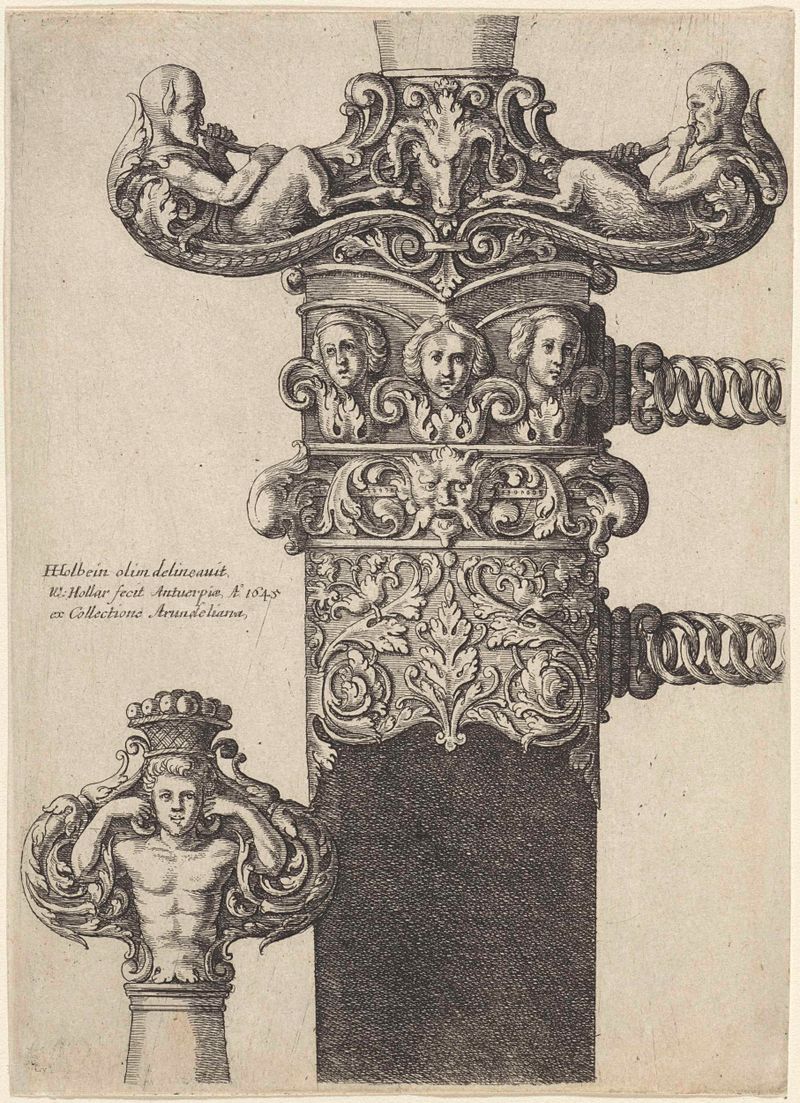
Ornamenteel ontwerp voor een dolk
Wenceslaus Hollar
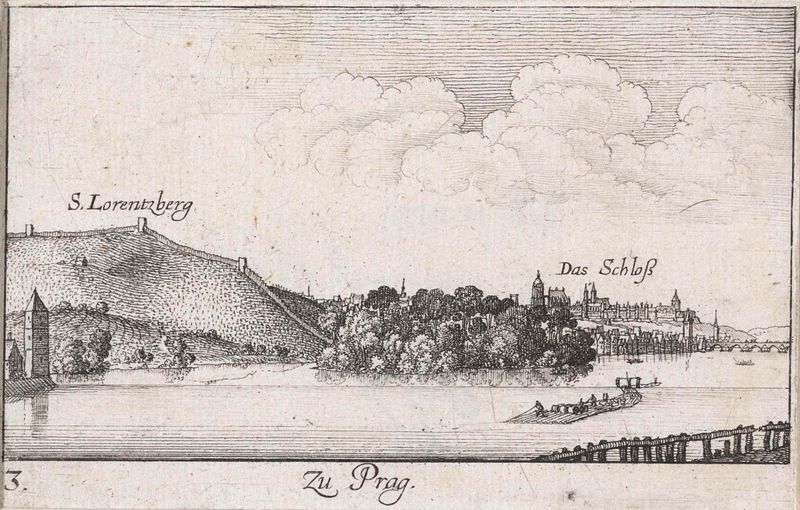
Gezicht op Praag vanaf de Moldau
Wenceslaus Hollar





