
Street at Saverne — History & Facts
What secret hides in the quiet of the canvas? In the stillness of Street at Saverne, whispers of grief intertwine with the shadows, inviting us to explore the depths of loss and nostalgia. Look to the left at the narrow path that meanders through the scene, framed by the muted hues of gray and blue. The delicate strokes of the brush evoke a sense of melancholy, as twilight descends upon the cobblestones, capturing fleeting moments of solitude. Notice how the light, almost ethereal, bathes the buildings in a ghostly glow, emphasizing their architectural details yet hinting at a deeper emotional resonance just beneath the surface. Amidst the tranquil composition, the figures appear almost ghostlike, their silhouettes merging with the twilight.
This subtle presence speaks to the idea of absence, evoking the grief that lingers in places once filled with life. The contrast between the stillness of the street and the emotional weight it carries captures a profound tension, as if the very air is heavy with unspoken memories. Each element, from the architecture to the muted palette, serves as a reminder of what has been lost, drawing viewers into a contemplative space. Painted in 1858, Street at Saverne reflects Whistler’s early exploration of mood and atmosphere during his time in France.
At this point in his career, the artist was experimenting with tonalism, moving away from the traditional focus on detail. This work emerged during a period of personal upheaval for Whistler, who was grappling with the loss of his father and navigating the complexities of his artistic identity.
More Artworks by James Abbott McNeill Whistler
Browse all →
Nocturne in Blue and Silver
James Abbott McNeill Whistler
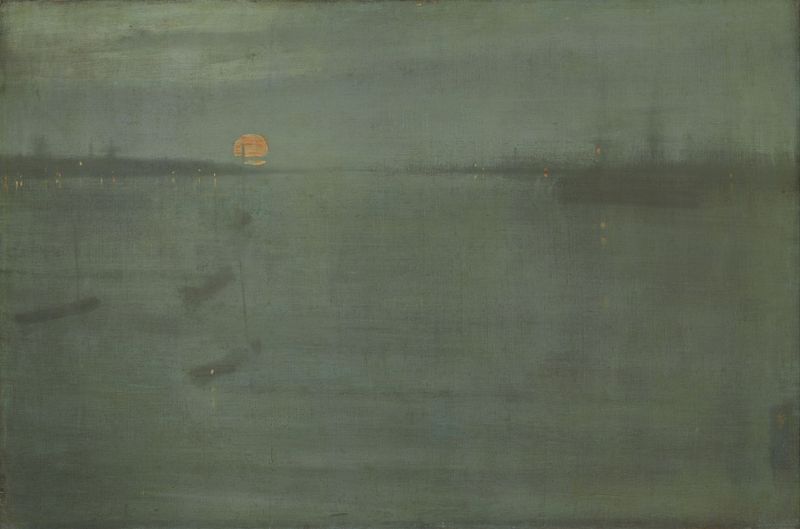
Nocturne: Blue and Gold–Southampton Water
James Abbott McNeill Whistler
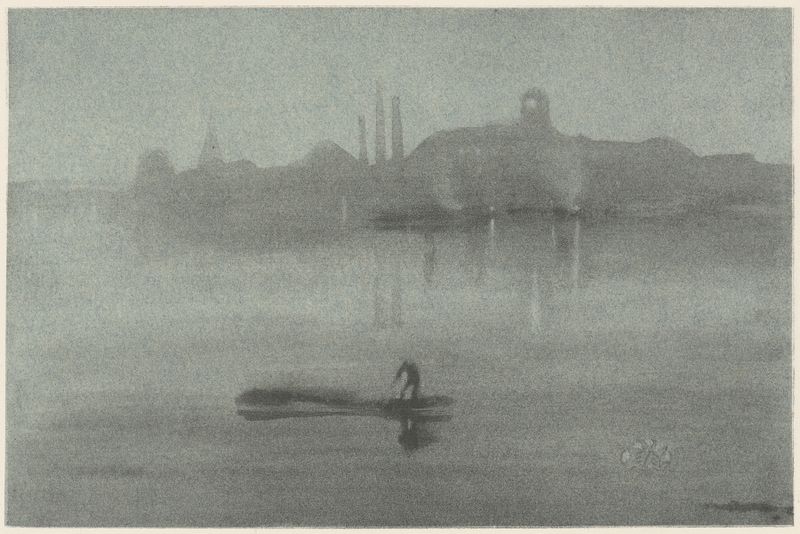
Nocturne
James Abbott McNeill Whistler
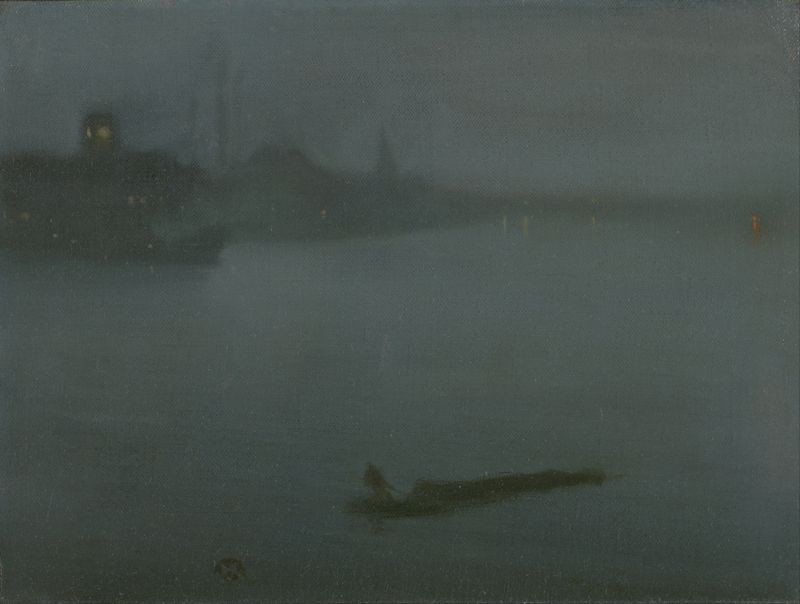
Nocturne in Blue and Silver
James Abbott McNeill Whistler
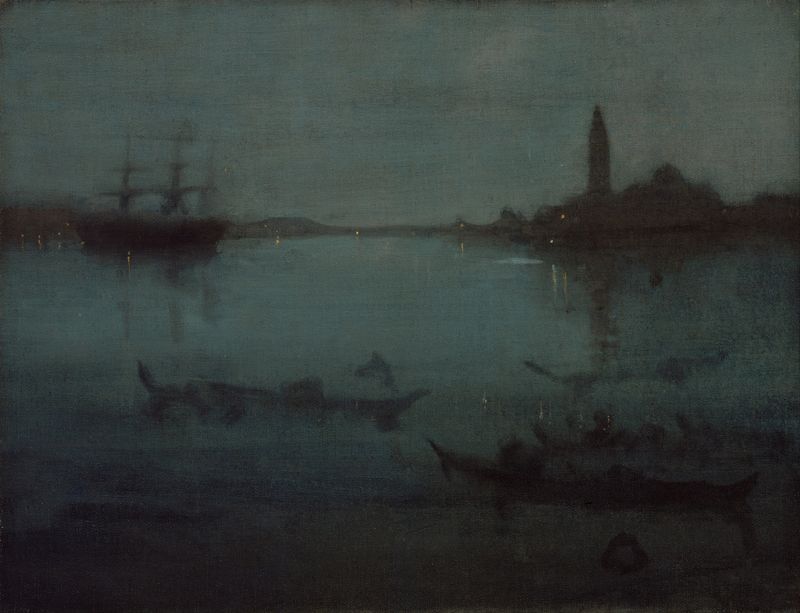
Nocturne in Blue and Silver- The Lagoon, Venice
James Abbott McNeill Whistler
Nocturne in Grey and Gold: Chelsea Snow
James Abbott McNeill Whistler
Nocturne: Black and Red—Back Canal, Holland
James Abbott McNeill Whistler
Old Battersea Bridge
James Abbott McNeill Whistler

Nocturne: Blue and Silver–Battersea Reach
James Abbott McNeill Whistler
Grey and Silver–Pier, Southend
James Abbott McNeill Whistler





