
Street at Saverne — History & Facts
Is this a mirror — or a memory? In Street at Saverne, a quiet moment unfolds, inviting the viewer to step into a realm of serenity where the past lingers gently in the air. Look closely at the soft hues washing over the canvas, where muted blues and gentle grays blend seamlessly into one another. Notice how the light falls upon the cobblestone street, creating a delicate interplay of shadow and shimmer that seems to breathe life into the scene. The figures, though subtle and almost ghostly, emerge from the backdrop, their silhouettes suggesting a casual stroll or a lingering thought, as they navigate the street's tranquility. Beneath the surface, this work offers layers of emotional resonance.
The juxtaposition of the figures against the empty stretch of the street raises questions about connection and solitude. The stretched-out shadows hint at the fleeting nature of time, while the stillness of the surroundings captures a moment that feels both ephemeral and eternal. Whistler masterfully creates a sense of longing and introspection, inviting the viewer to ponder their own memories intertwined with the serenity portrayed. In 1858, Whistler was living in France, where he was deeply influenced by the aesthetic movements of his time.
The artist was beginning to cultivate his signature style, focusing on harmony in color and form, often blending the boundaries between representation and abstraction. During this period, he sought to capture the essence of his surroundings, and Street at Saverne stands as a testament to his evolving vision in the rich tapestry of European art.
More Artworks by James Abbott McNeill Whistler
Browse all →
Nocturne in Blue and Silver
James Abbott McNeill Whistler
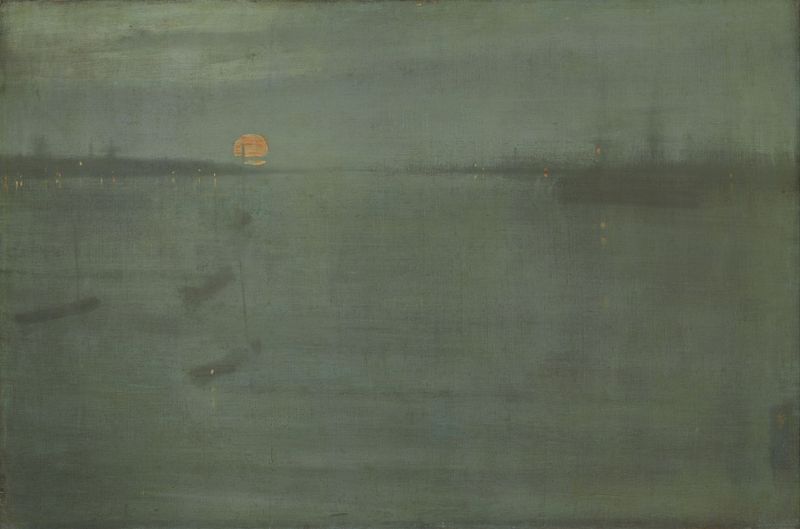
Nocturne: Blue and Gold–Southampton Water
James Abbott McNeill Whistler
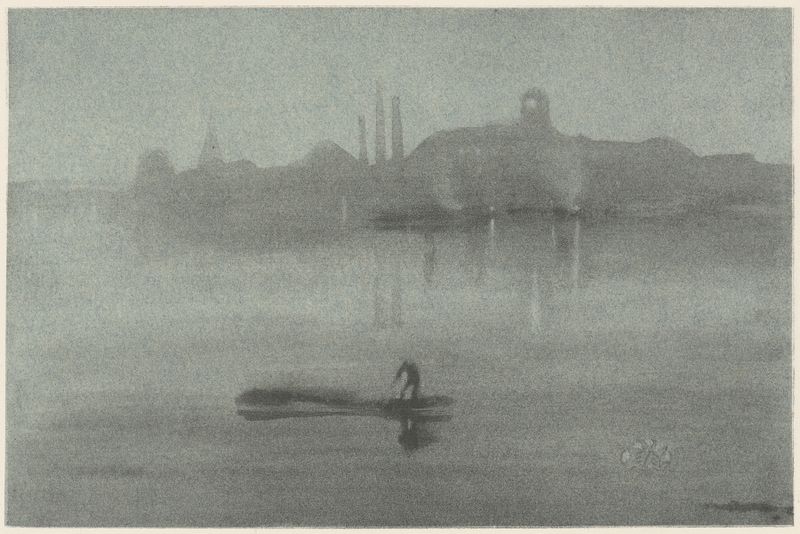
Nocturne
James Abbott McNeill Whistler
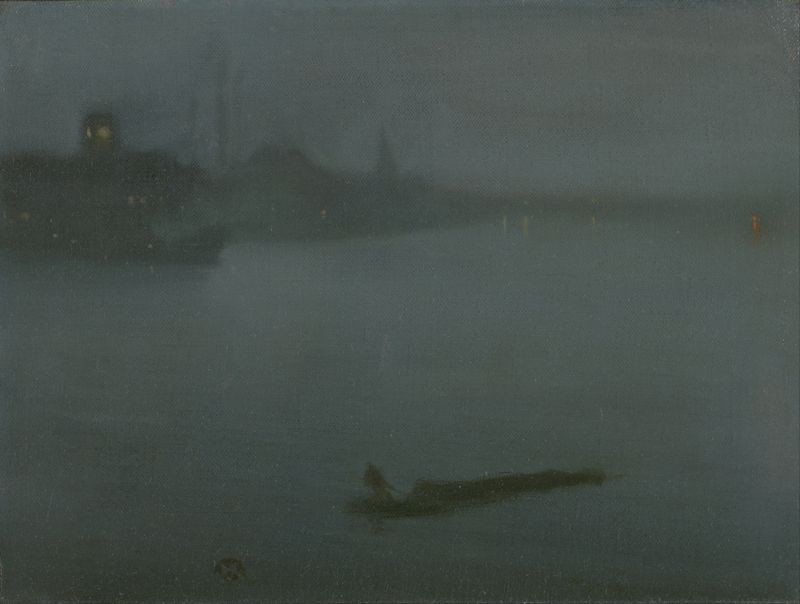
Nocturne in Blue and Silver
James Abbott McNeill Whistler
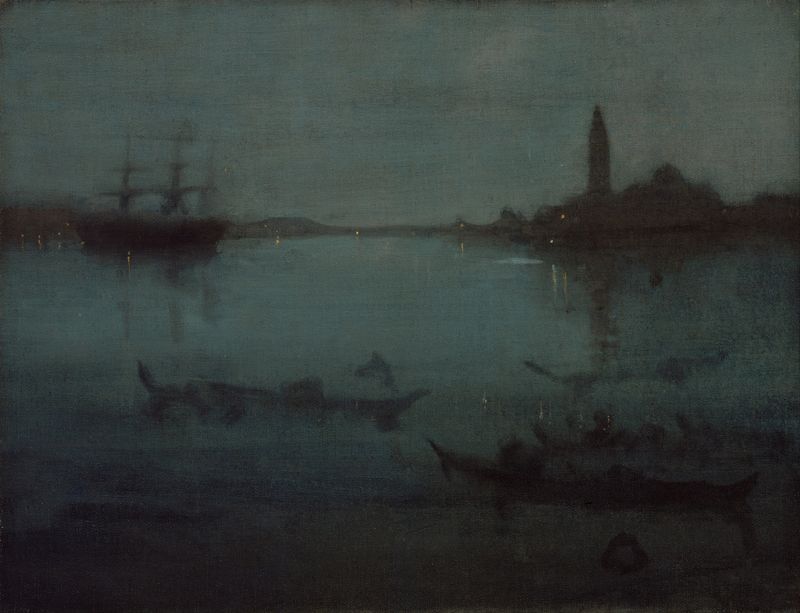
Nocturne in Blue and Silver- The Lagoon, Venice
James Abbott McNeill Whistler
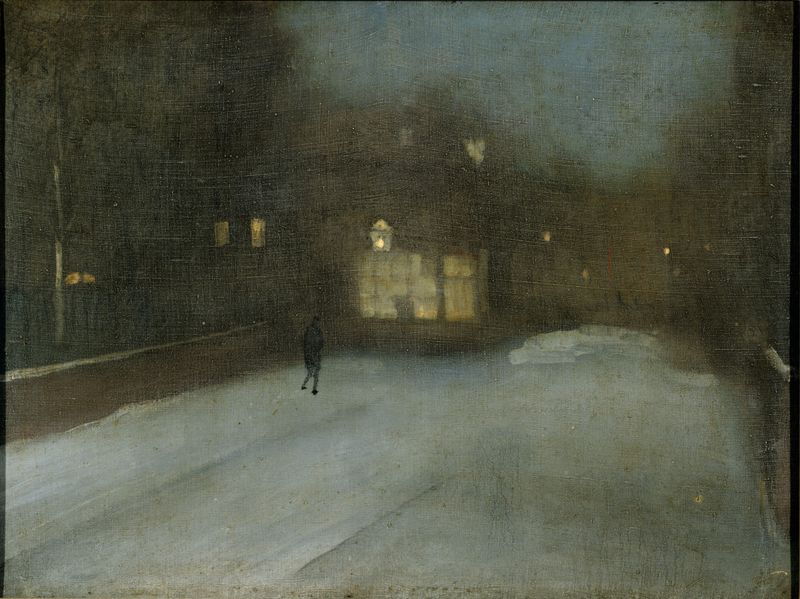
Nocturne in Grey and Gold: Chelsea Snow
James Abbott McNeill Whistler
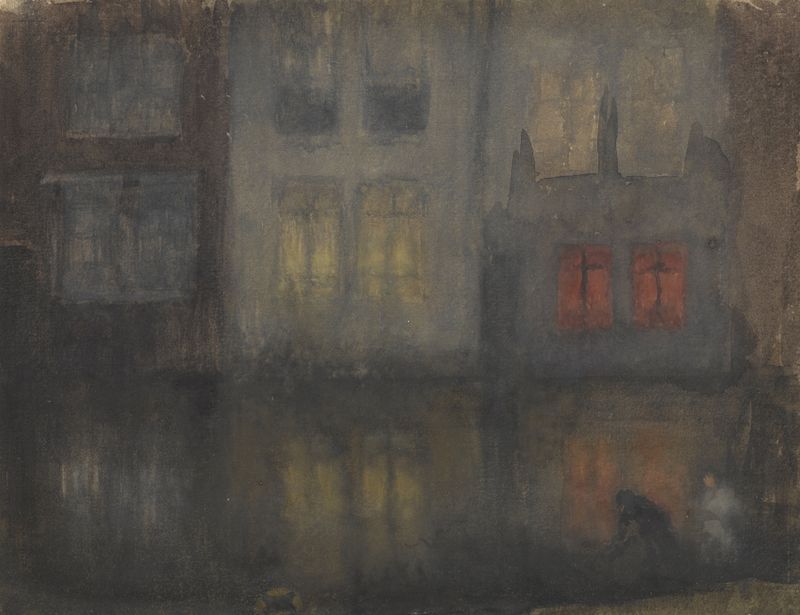
Nocturne: Black and Red—Back Canal, Holland
James Abbott McNeill Whistler
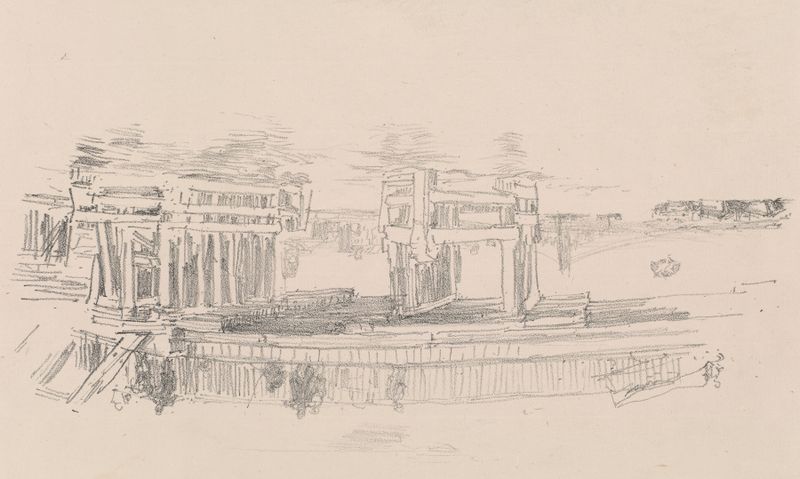
Old Battersea Bridge
James Abbott McNeill Whistler

Nocturne: Blue and Silver–Battersea Reach
James Abbott McNeill Whistler
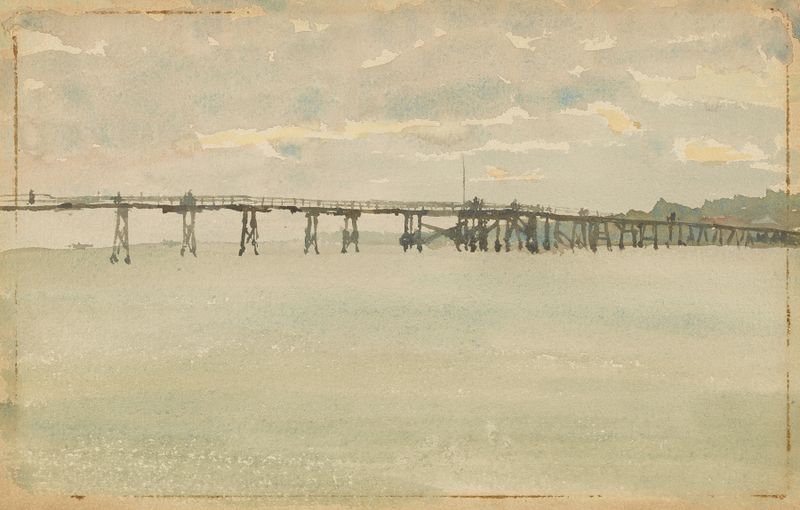
Grey and Silver–Pier, Southend
James Abbott McNeill Whistler





