
Street Cart — History & Facts
In Street Cart, Egon Schiele presents a bustling urban scene filled with vibrant colors. The painting features a street cart, likely selling goods, surrounded by figures that convey a sense of movement and life. Schiele's characteristic use of bold lines and exaggerated forms adds to the dynamic quality of the composition.
The palette is rich, with deep reds and yellows contrasting against the muted tones of the background. The painting is executed in oil on canvas, showcasing Schiele's distinctive expressionist style. The dimensions are approximately 70 x 90 cm, making it a medium-sized work that invites close inspection. Viewers can appreciate the intricate details in the figures and the textures of the cart.
Schiele's technique of layering paint creates depth and a tactile quality that enhances the overall visual impact. Egon Schiele was known for his raw and emotional depictions of the human figure and urban life. Street Cart reflects his fascination with the everyday scenes of city life, a common theme in his oeuvre. An interesting fact about this work is that it captures a moment in time during the early 20th century, a period of significant change in Vienna.
Schiele's unique approach to color and form continues to influence contemporary artists today.
More Artworks by Egon Schiele

Lovers
Egon Schiele
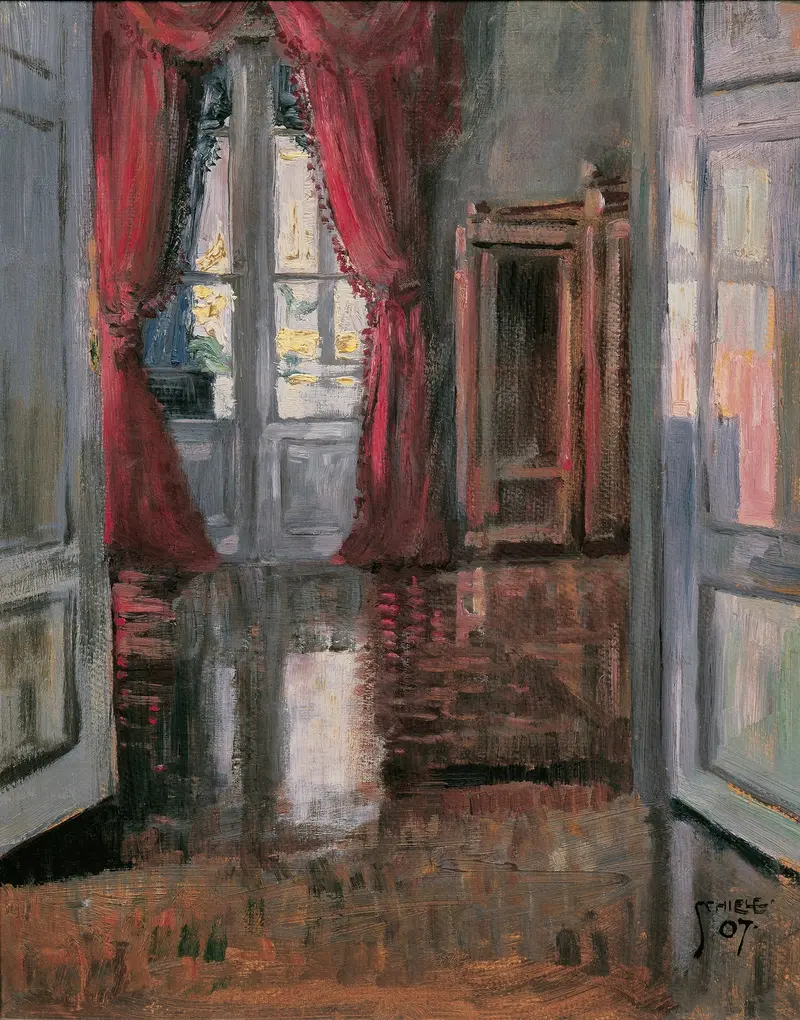
Blick in die Wohnung von Leopold und Marie Czihaczek
Egon Schiele
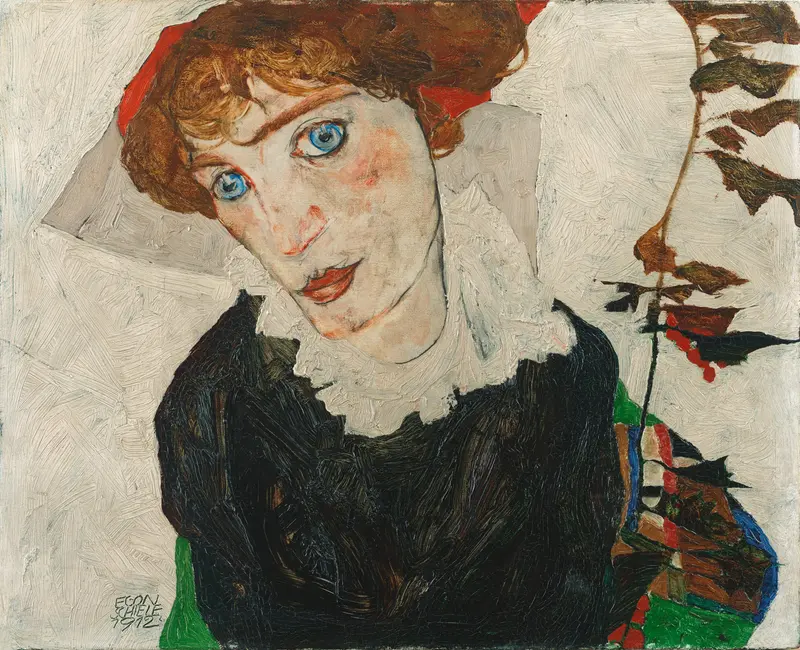
Portrait Of Wally Neuzil
Egon Schiele
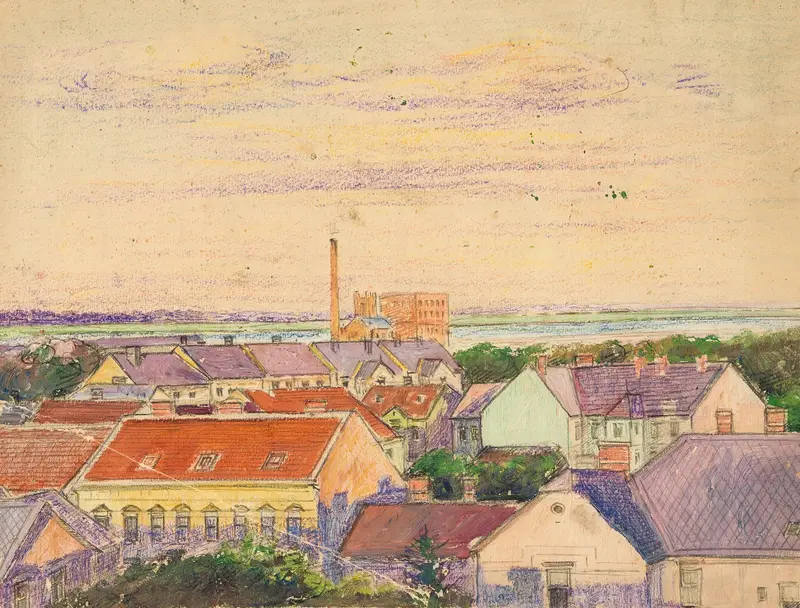
Stadtansicht
Egon Schiele
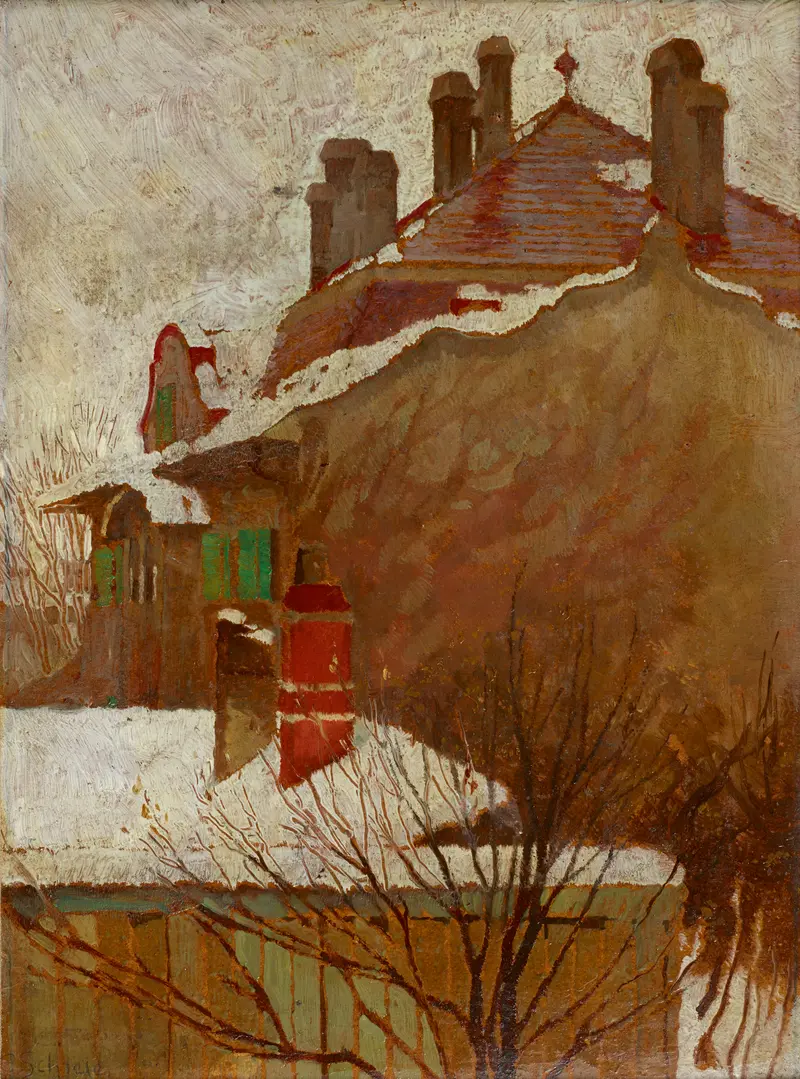
Häuser im Winter (Blick aus dem Atelier)
Egon Schiele
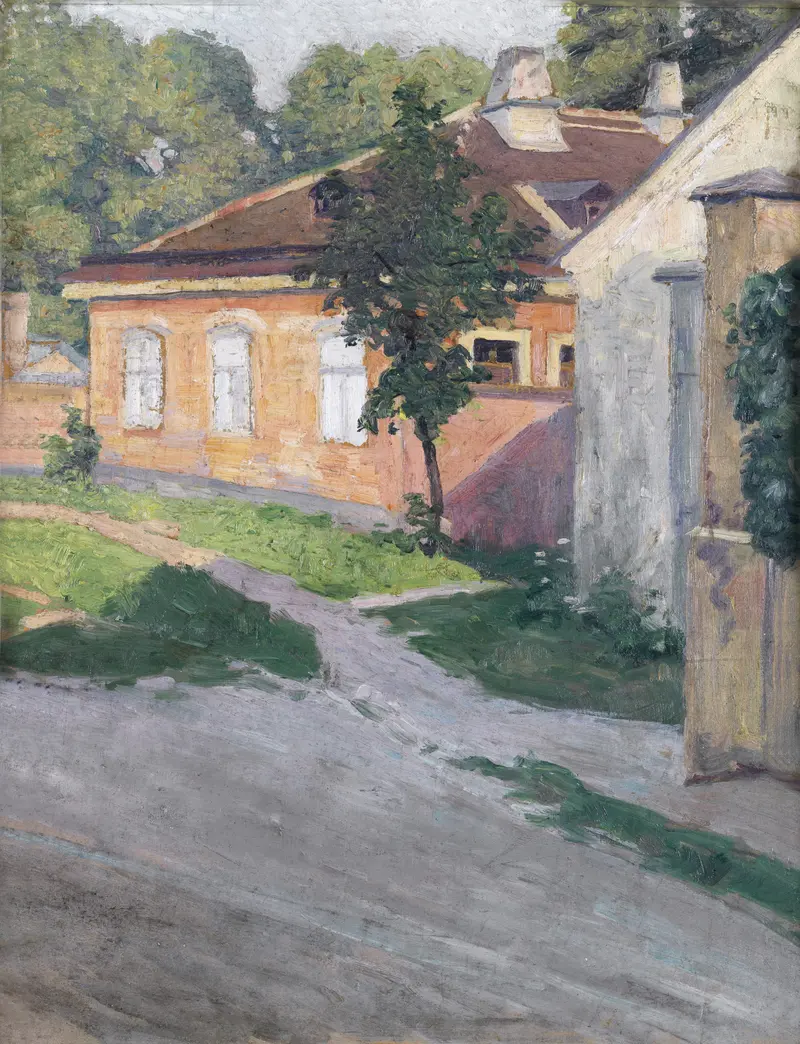
Haus In Hütteldorf (House In Hütteldorf)
Egon Schiele
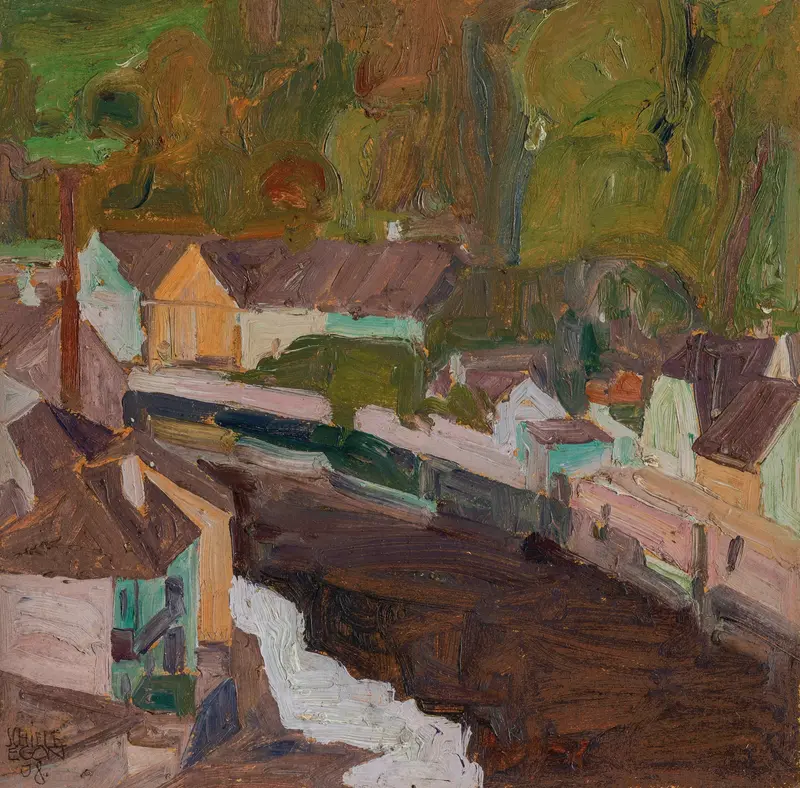
Dorf am Fluss II
Egon Schiele
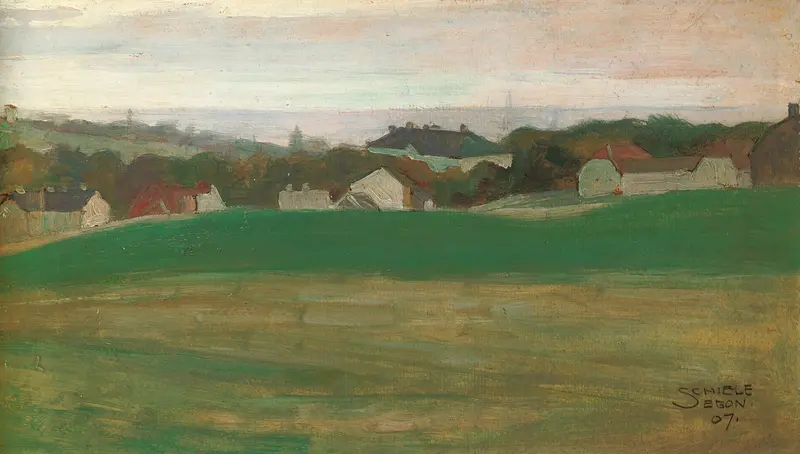
Wiese mit Dorf im Hintergrund II
Egon Schiele
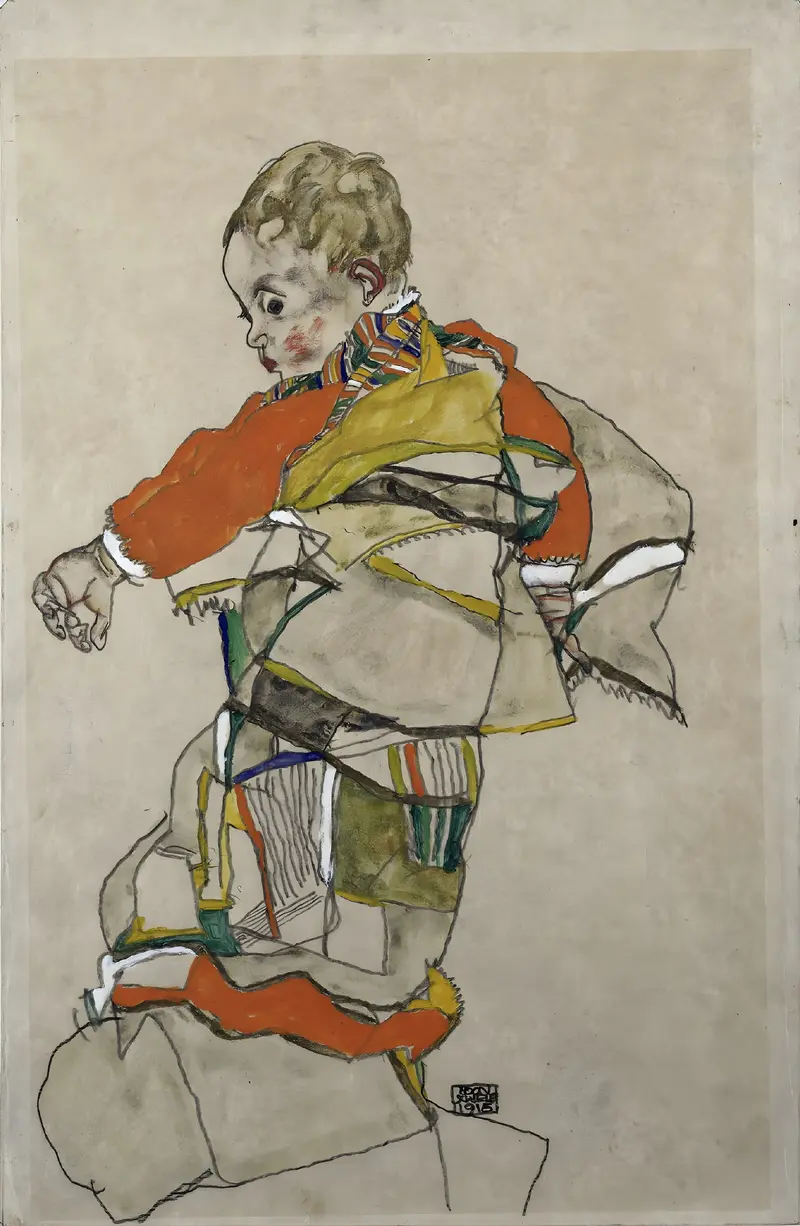
Portrait of a Child (Anton Peschka, Jr.)
Egon Schiele
The Embrace
Egon Schiele
More Genre Scene Art

Banquet of the Officers of the St George Civic Guard
Frans Hals

Rembrandt and Saskia in the Scene of the Prodigal Son
Rembrandt van Rijn

Bal du moulin de la Galette
Pierre-Auguste Renoir

Quadrille at the Moulin Rouge
Henri de Toulouse-Lautrec

A Burial at Ornans
Gustave Courbet

When Will You Marry?
Paul Gauguin