
Street in Bologne — History & Facts
In the stillness of urban life, a street waits, cloaked in tones of nostalgia, revealing the weight of every passing moment. Look to the center, where cobblestones glisten, a reflection of the soft, muted light that bathes the scene. The buildings rise like sentinels, their slightly faded hues whispering tales of time. Notice how Jabłczyński employs a delicate palette, blending earthy browns and gentle blues, to evoke a sense of melancholy that permeates the air.
The absence of figures draws you into a contemplative space, allowing the architecture itself to breathe and speak. Hidden within the layers of color lies a poignant contrast between vibrancy and stillness. The warm glow of the sunlight casts long shadows, suggesting a fleeting moment caught between day and night, life and solitude. Subtle hints of vegetation peek from windowsills, reminding us of resilience amid the passage of time.
Each brushstroke carries a weight of memory, inviting the viewer to consider what stories have unfolded on this quiet street. Feliks Jabłczyński painted this work in 1910, during a time when the art world was shifting towards modernism. Living in Poland, he was influenced by both the emerging urban landscapes and the rich cultural heritage of his homeland. This interplay of progress and tradition informed his style, capturing the essence of the provisional beauty found in everyday settings.
More Artworks by Feliks Jabłczyński
Browse all →
Villa Borgia in Rome
Feliks Jabłczyński

Mariensztat Street in Warsaw
Feliks Jabłczyński
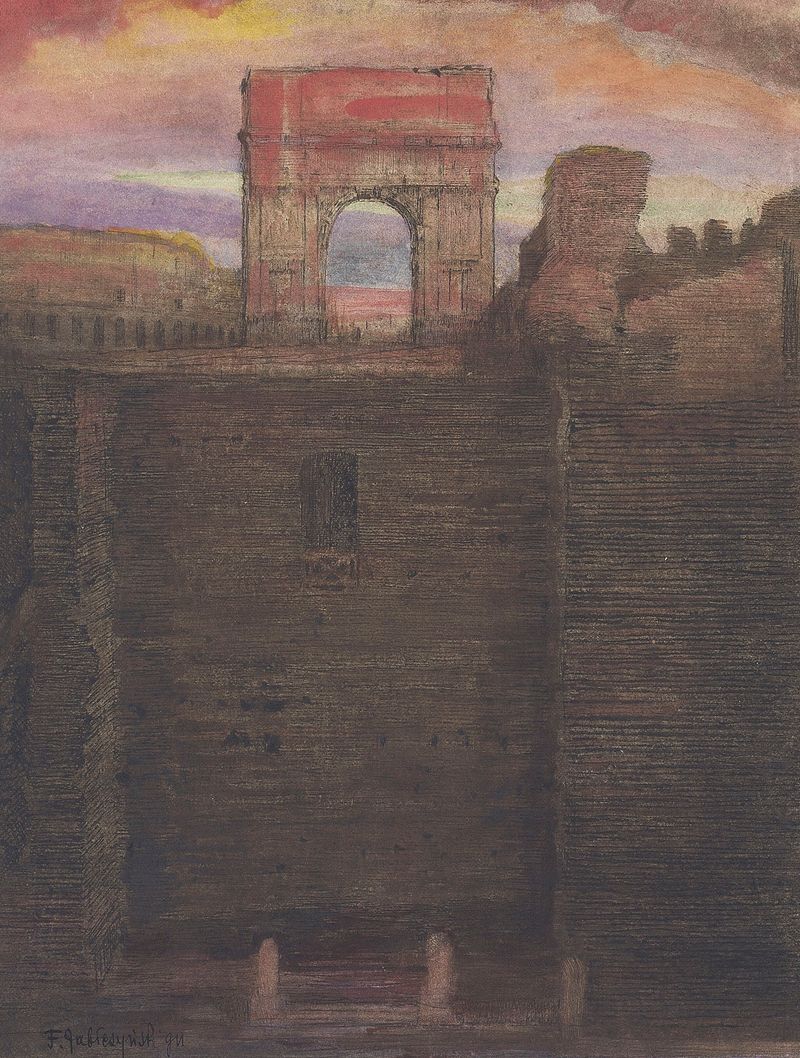
The House of Vestals and the Arch of Titus in the background
Feliks Jabłczyński
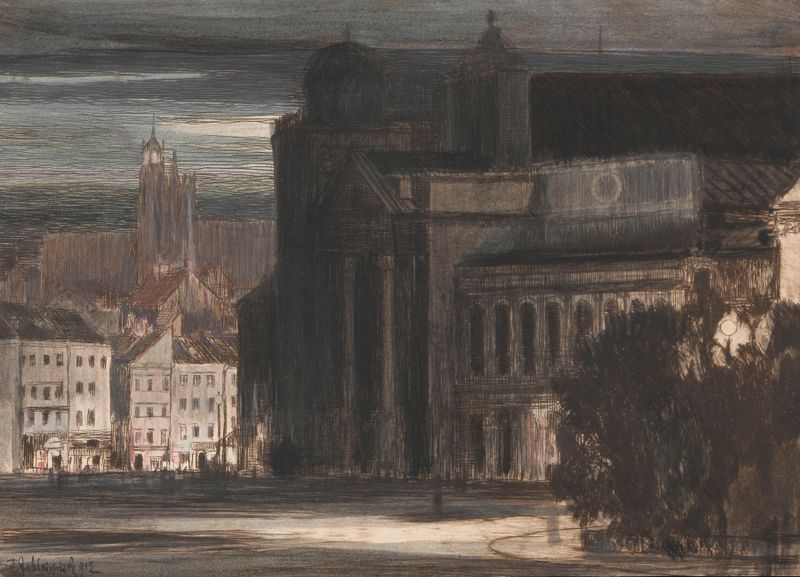
View of the Church of St. Anna and the Castle Square in Warsaw
Feliks Jabłczyński

Kaplica Boimów we Lwowie
Feliks Jabłczyński
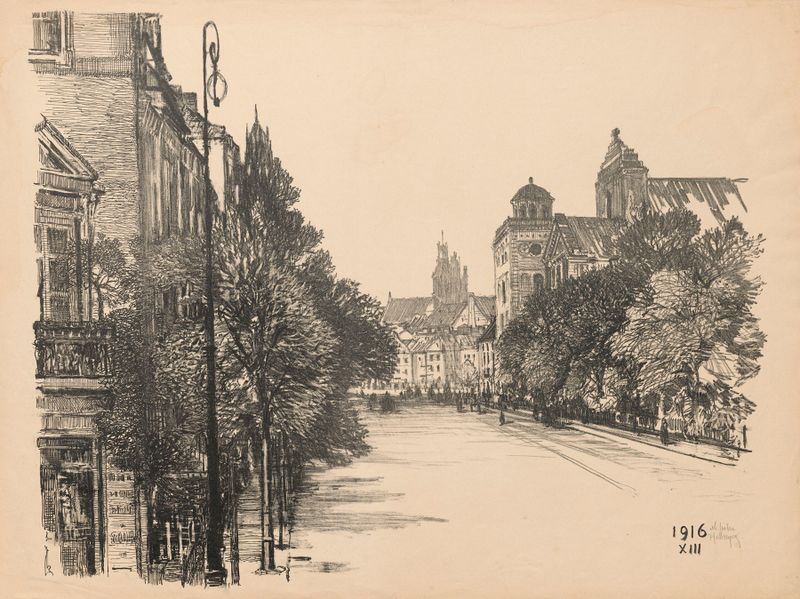
Krakowskie Przedmieście Street
Feliks Jabłczyński
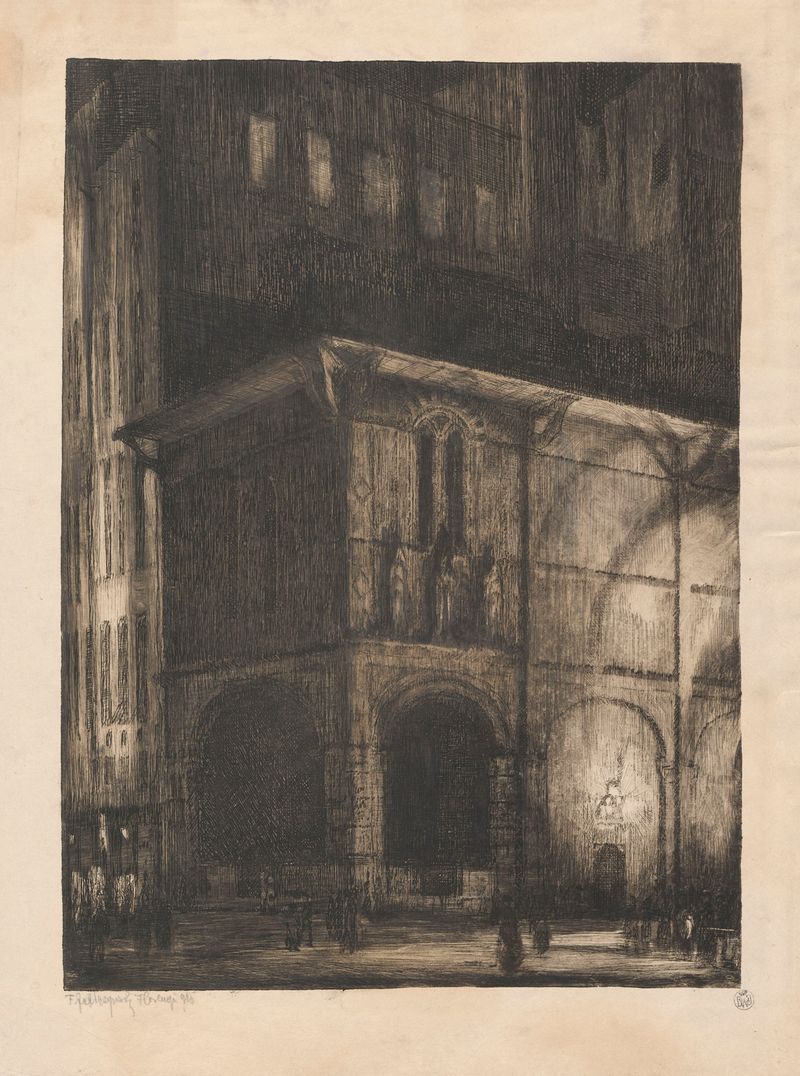
Florence
Feliks Jabłczyński
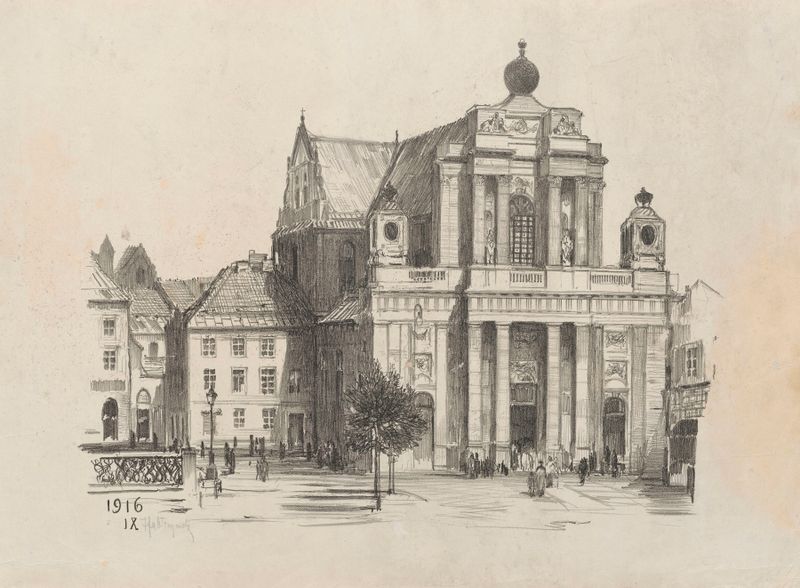
Carmelite Church.
Feliks Jabłczyński

The Visitation Sisters Church
Feliks Jabłczyński
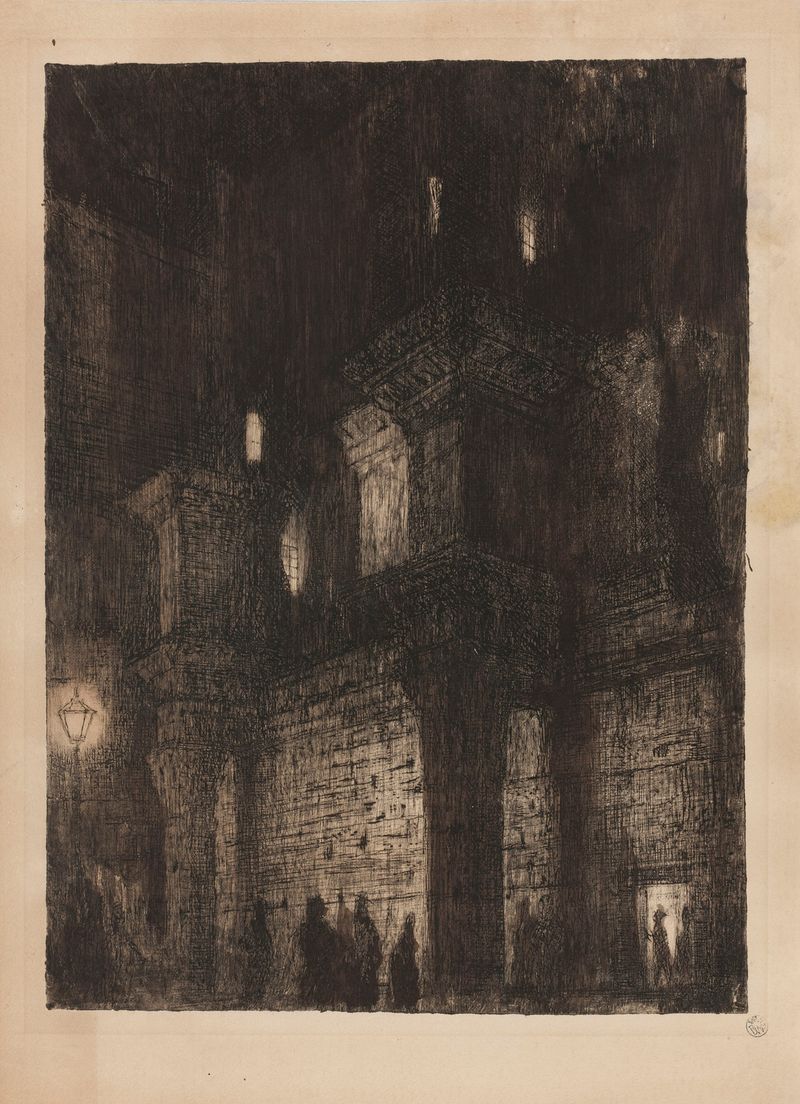
Forum Nervae
Feliks Jabłczyński





