
Street in Kitay-Gorod. The beginning of the XVII century — History & Facts
The first thing that grips the viewer in Street in Kitay-Gorod. The beginning of the XVII century is the dense, almost labyrinthine layering of rooftops and spires, all pressed together under a sky that glows with the last light of day. The eye is drawn along the bustling street, where figures in vivid reds and deep blues wind their way past wooden stalls and churches crowned with onion domes.
Every detail seems to jostle for attention: the merchant’s tables laden with goods, the banners and crosses that punctuate the skyline, and the intricate carvings that decorate the eaves. The crowded composition creates a sense of vitality and movement, as if the city itself is alive and humming with the energy of its people. The low, golden light pools in the street’s center, guiding us through the chaos and inviting us to linger over each face and gesture. Painted in 1900 by Apollinari Mikhailovich Vasnetsov, this work looks back three centuries to reconstruct a vanished Moscow.
At the turn of the twentieth century, Russian artists and intellectuals were fascinated by their medieval past, seeking to recover a sense of national identity through images of old cities and folk traditions. Paintings like this one were often commissioned for public and private collections eager to display pride in Russia’s history, and Vasnetsov became known for his meticulous reconstructions of ancient Moscow. While little is recorded about the specific journey of this painting, its presence in the collection documented at http://vasnec.ru/kartina6.php marks it as part of this broader movement to visualize and preserve the memory of Russia’s urban heritage.
The next time you look at this painting, let your eyes wander through its crowded street and imagine the stories hidden in every shadow and stall.
More Artworks by Apollinari Mikhailovich Vasnetsov

Landscape With Lake
Apollinari Mikhailovich Vasnetsov
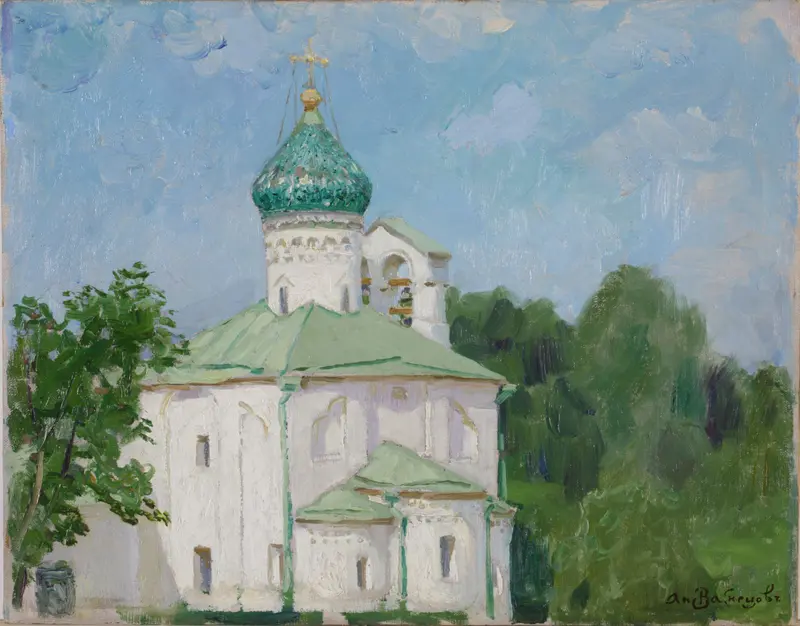
Sergius Luzhki
Apollinari Mikhailovich Vasnetsov
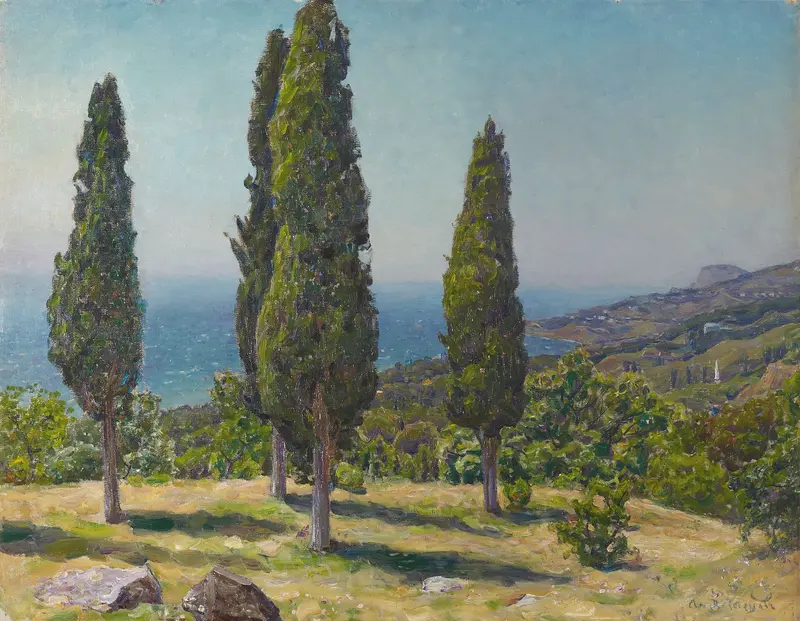
cypresses. Crimea
Apollinari Mikhailovich Vasnetsov
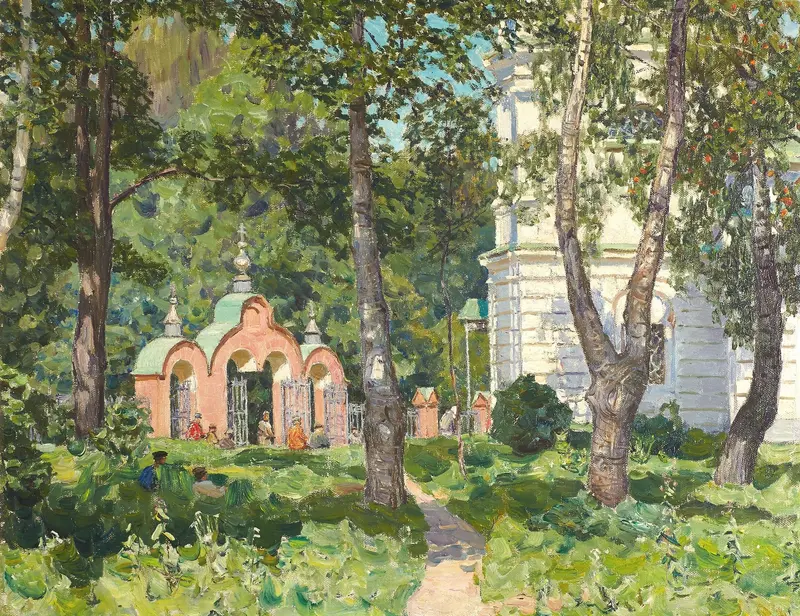
Demyanovo. At the churchyard
Apollinari Mikhailovich Vasnetsov
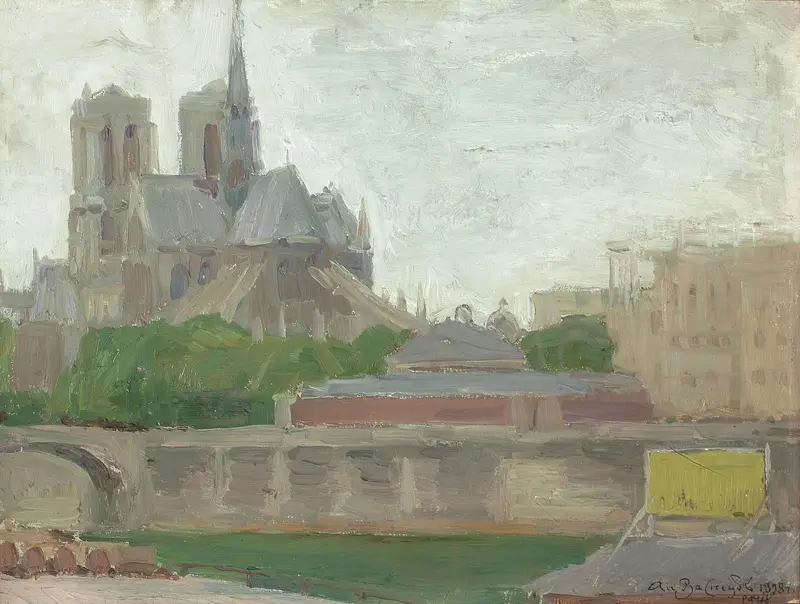
Notre Dame de Paris
Apollinari Mikhailovich Vasnetsov
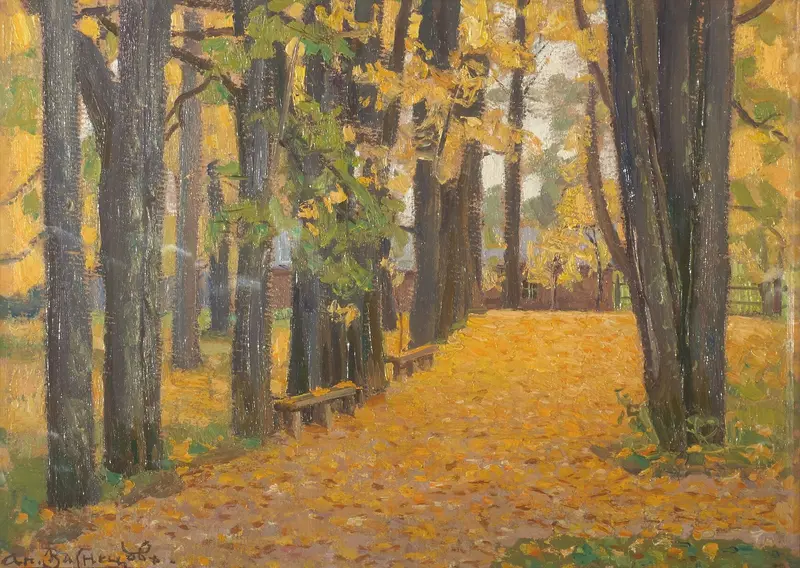
Autumn park
Apollinari Mikhailovich Vasnetsov
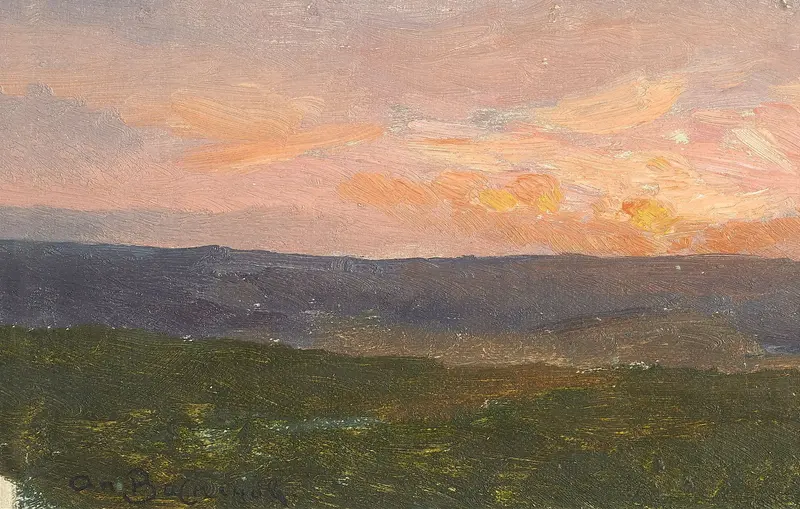
Sunset. Shurma
Apollinari Mikhailovich Vasnetsov

Via delle Tombe Pompeii
Apollinari Mikhailovich Vasnetsov
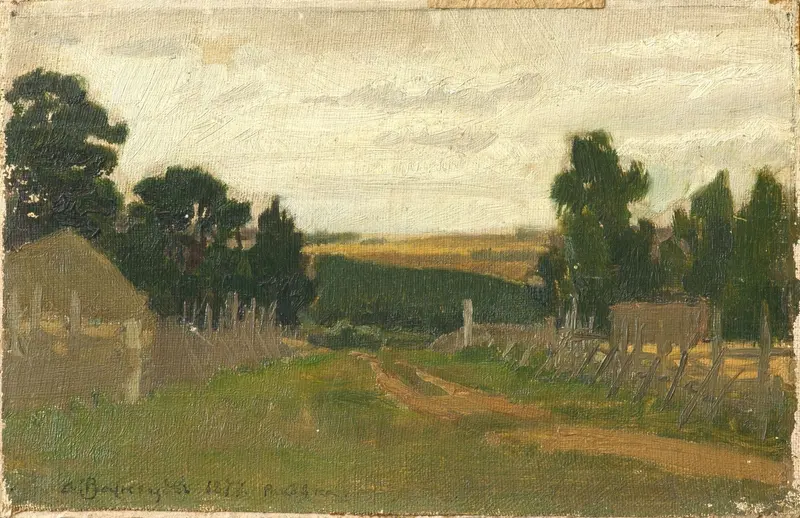
Rakovka
Apollinari Mikhailovich Vasnetsov
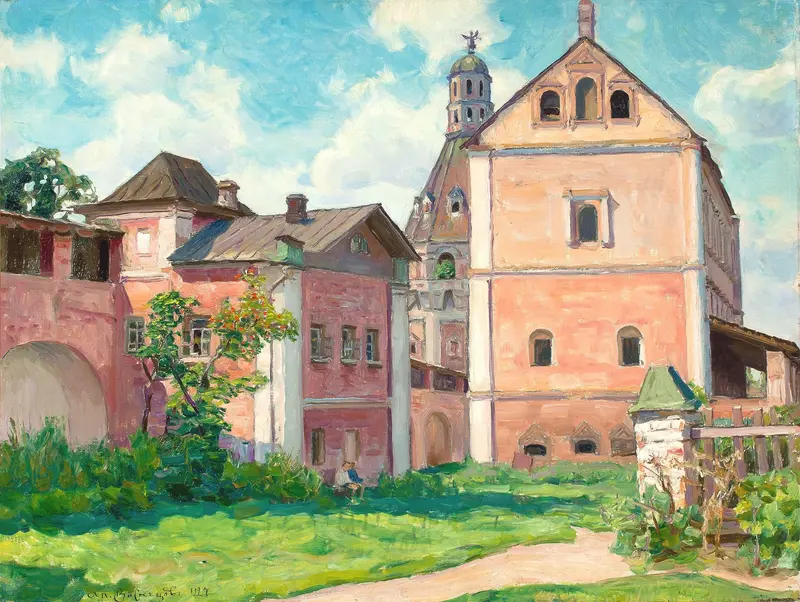
Simonov tower
Apollinari Mikhailovich Vasnetsov
More Genre Scene Art

Banquet of the Officers of the St George Civic Guard
Frans Hals

Rembrandt and Saskia in the Scene of the Prodigal Son
Rembrandt van Rijn

Bal du moulin de la Galette
Pierre-Auguste Renoir

Quadrille at the Moulin Rouge
Henri de Toulouse-Lautrec

A Burial at Ornans
Gustave Courbet

When Will You Marry?
Paul Gauguin