
Street in Saverne — History & Facts
In the stillness of Street in Saverne, a quiet violence simmers beneath the surface. Each brushstroke captures the tension of a world caught between memory and oblivion, where fleeting moments are immortalized yet obscured by the passage of time. Look closely at the left side of the canvas, where the buildings loom like silent sentinels over a narrow alleyway. Notice how the gray palette evokes a somber atmosphere, a veil cast over the scene that hints at secrets buried deep within the cobblestones.
The muted light falls gently, illuminating patches of sidewalk while leaving shadows to dance in the corners, creating a rhythmic pattern that guides your eye through the street's intimate recesses. Here, the contrasts are telling. The interplay of light and dark suggests a history of whispered conversations and hushed footsteps—stories long forgotten but lingering in the air. A single figure appears on the cobblestones, their posture conveying both solitude and a quiet resilience, embodying the everyday struggles amidst the backdrop of an unyielding landscape.
This melancholic scene resonates as a reminder of life’s fragility against the indifference of time and space. Whistler painted this piece in 1858 during a formative period in his life. Residing in France, he was deeply influenced by the emerging Impressionist movement, although his work retained a unique tonal quality. The streets of Saverne offered him a subject that was both ordinary and profound, reflecting his quest to capture the essence of modern life, imbued with the artist’s own experiences of displacement and longing.
More Artworks by James Abbott McNeill Whistler
Browse all →
Nocturne in Blue and Silver
James Abbott McNeill Whistler
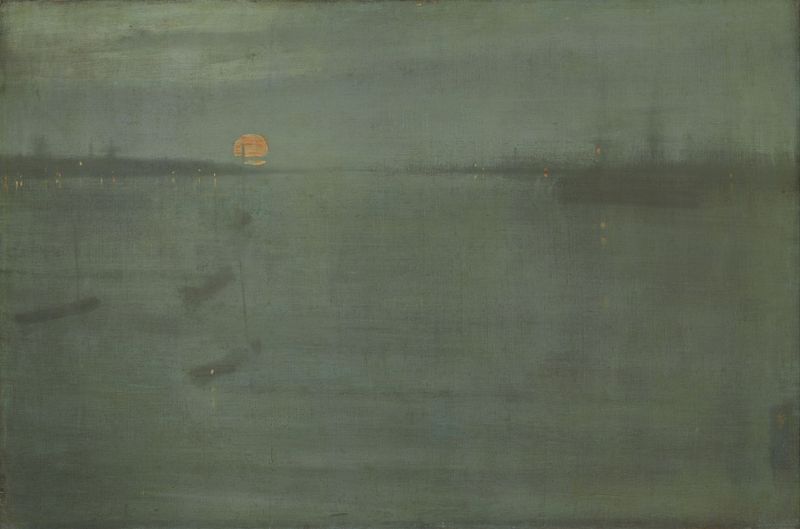
Nocturne: Blue and Gold–Southampton Water
James Abbott McNeill Whistler
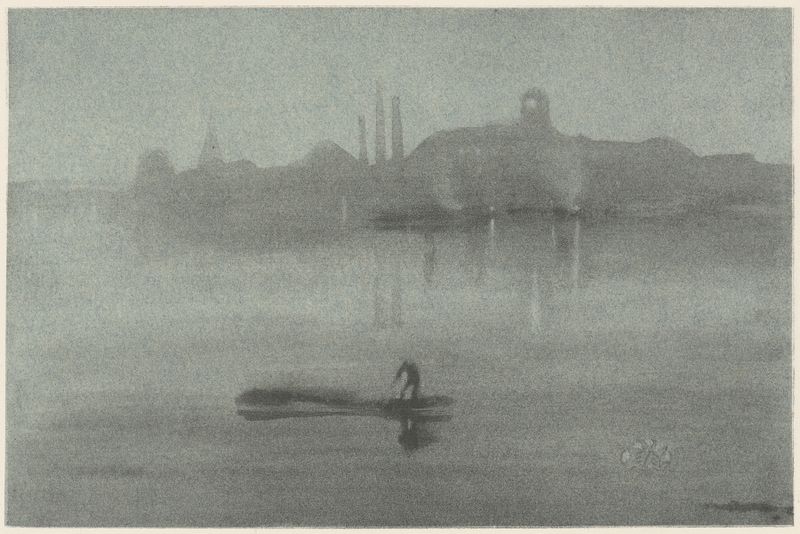
Nocturne
James Abbott McNeill Whistler
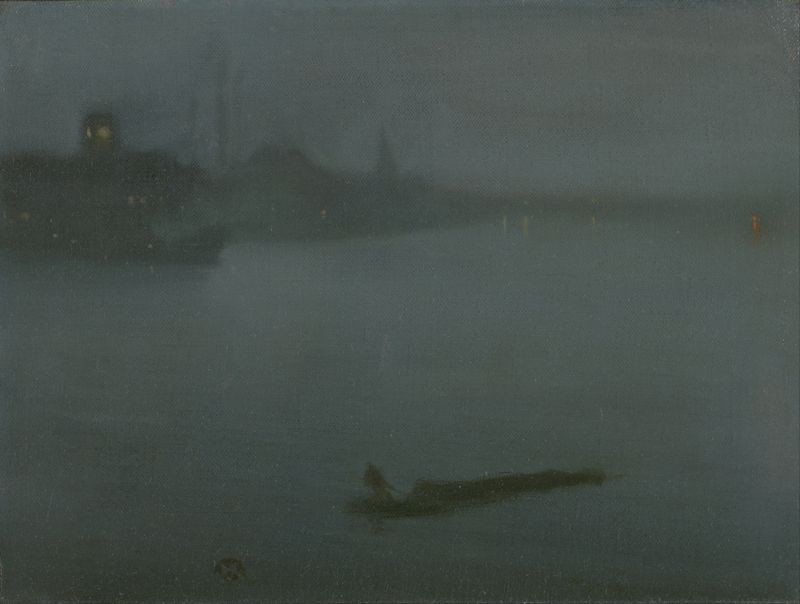
Nocturne in Blue and Silver
James Abbott McNeill Whistler
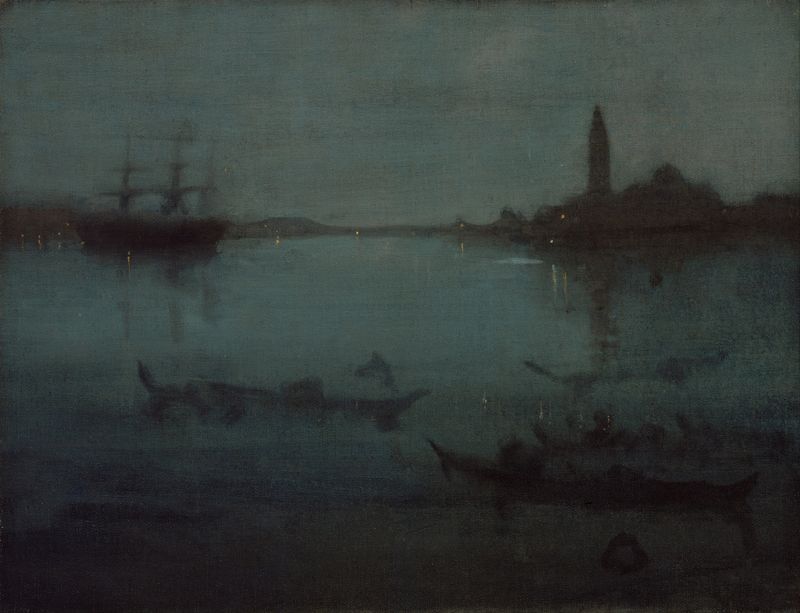
Nocturne in Blue and Silver- The Lagoon, Venice
James Abbott McNeill Whistler
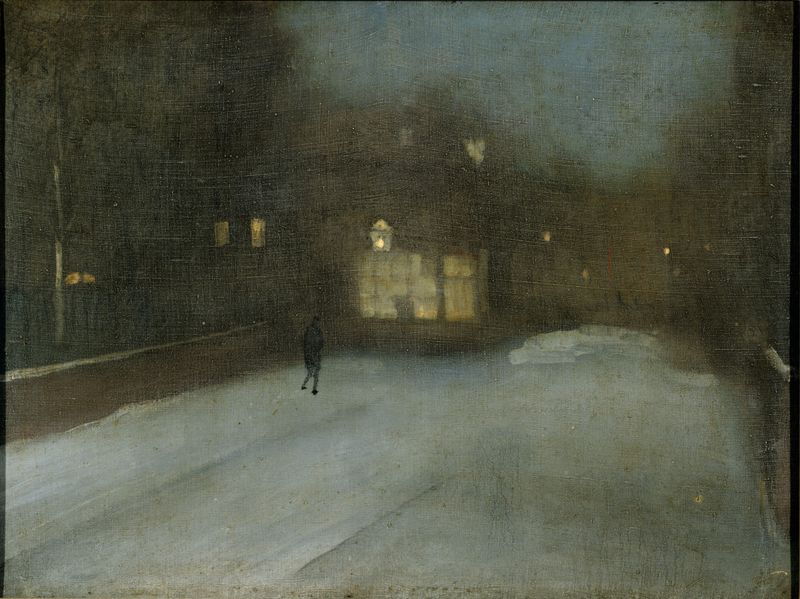
Nocturne in Grey and Gold: Chelsea Snow
James Abbott McNeill Whistler
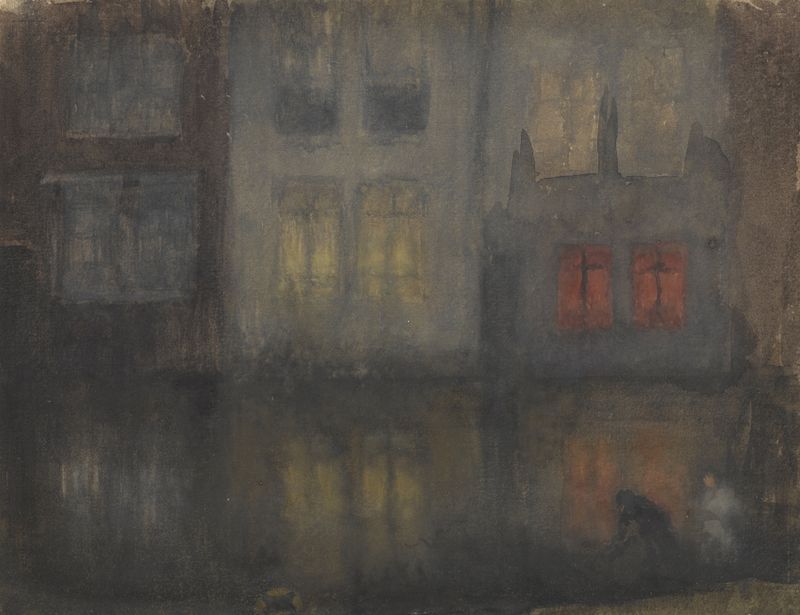
Nocturne: Black and Red—Back Canal, Holland
James Abbott McNeill Whistler
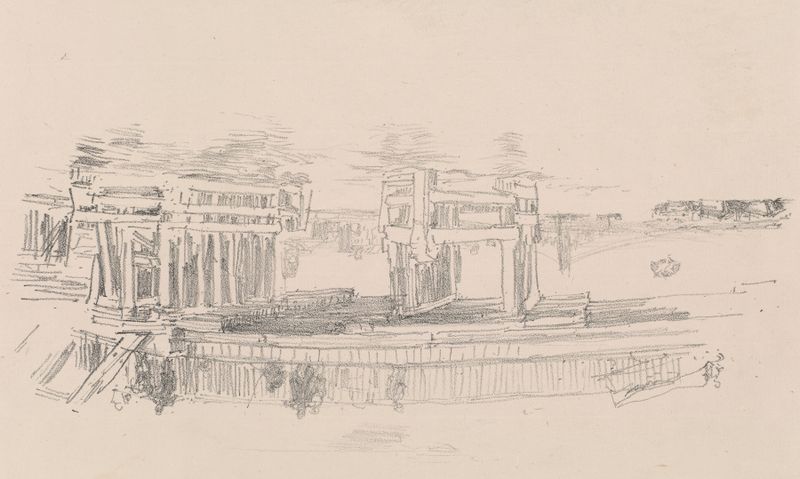
Old Battersea Bridge
James Abbott McNeill Whistler

Nocturne: Blue and Silver–Battersea Reach
James Abbott McNeill Whistler
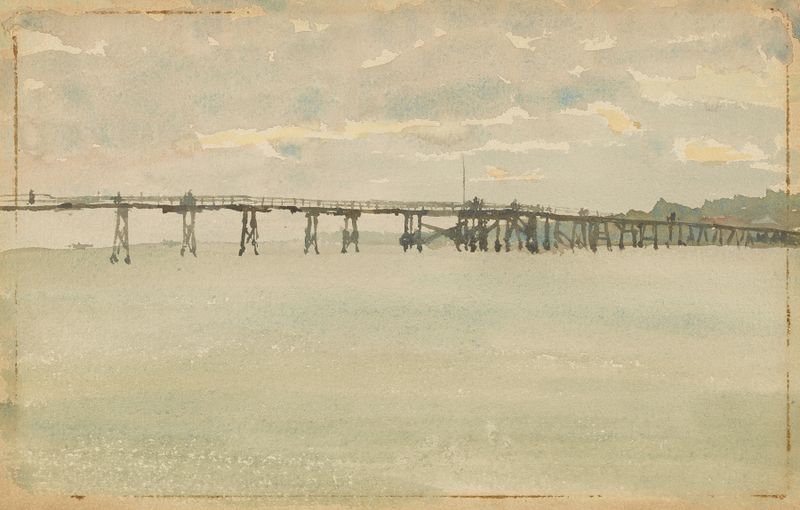
Grey and Silver–Pier, Southend
James Abbott McNeill Whistler





