
Street in Siena I — History & Facts
In a world that rushes by, art invites us to pause and dwell in awe, to reflect on moments captured beyond the constraints of time. Look to the lower left where two narrow alleyways converge, framed by weathered, sun-kissed buildings. The warm ochres and muted earth tones breathe life into the scene, while the interplay of light and shadow shapes the contours of the cobblestones beneath. Notice how the dappled sunlight spills across the scene, illuminating details like the flowerpots perched on windowsills and the distant figures strolling along the path, drawing you into their quiet journey. Amidst the serene architecture lies a subtle tension between stillness and movement.
The juxtaposition of the static buildings against the fleeting figures conveys a sense of transience, a reminder of life’s impermanence. Furthermore, the gentle curvature of the street invites both the eye and the imagination to wander, suggesting that the viewer, too, is part of this timeless moment. This blend of tranquility and vibrancy creates an emotional landscape that resonates deep within the soul. At the turn of the century, Street in Siena I was created during a pivotal time for Józef Pankiewicz, who was deeply influenced by the Impressionist movement.
Painted in 1900 in Siena, Italy, his work reflects both the beauty of everyday life and the artist’s fascination with light and atmosphere. This period marked a shift in Pankiewicz's career, as he moved toward embracing a more personal style, one that would later become a hallmark of his artistic legacy.
More Artworks by Józef Pankiewicz
Browse all →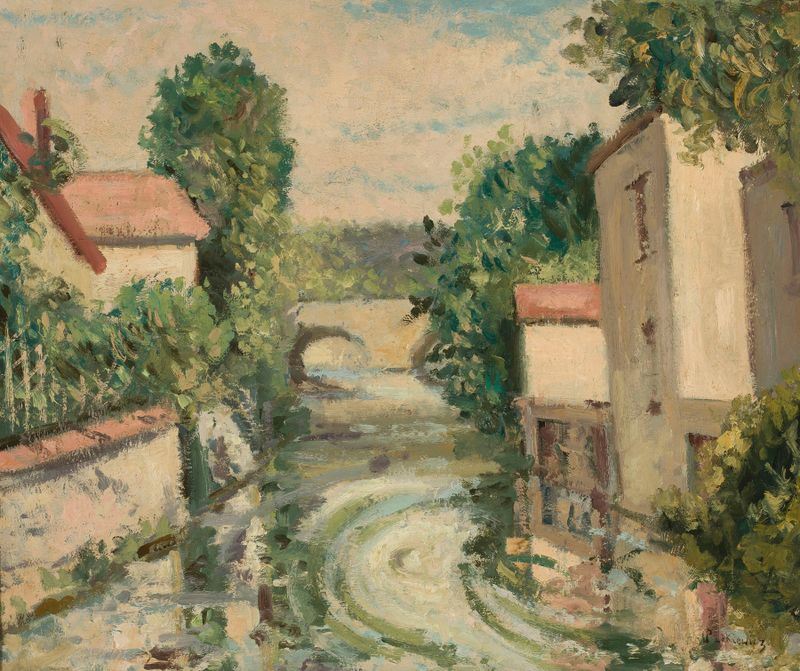
Landscape
Józef Pankiewicz

Cab in the Rain
Józef Pankiewicz
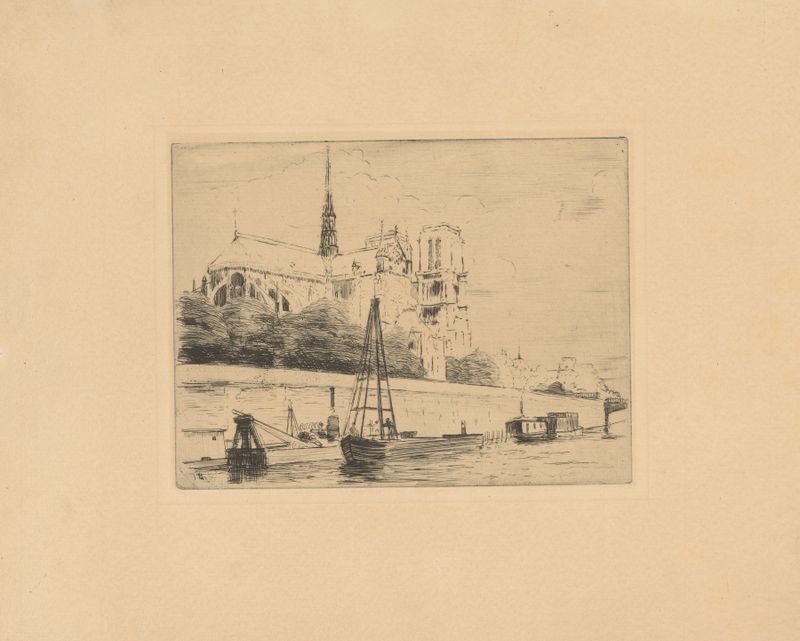
Notre Dame Cathedral in Paris
Józef Pankiewicz
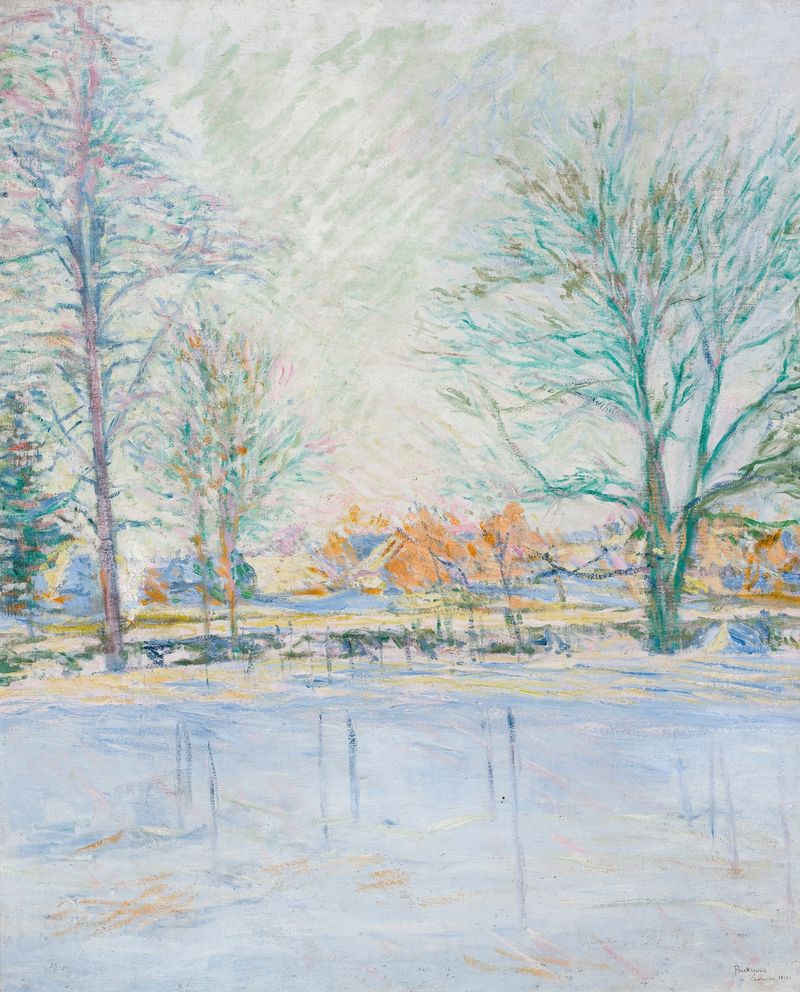
Landscape from Czarnolas
Józef Pankiewicz
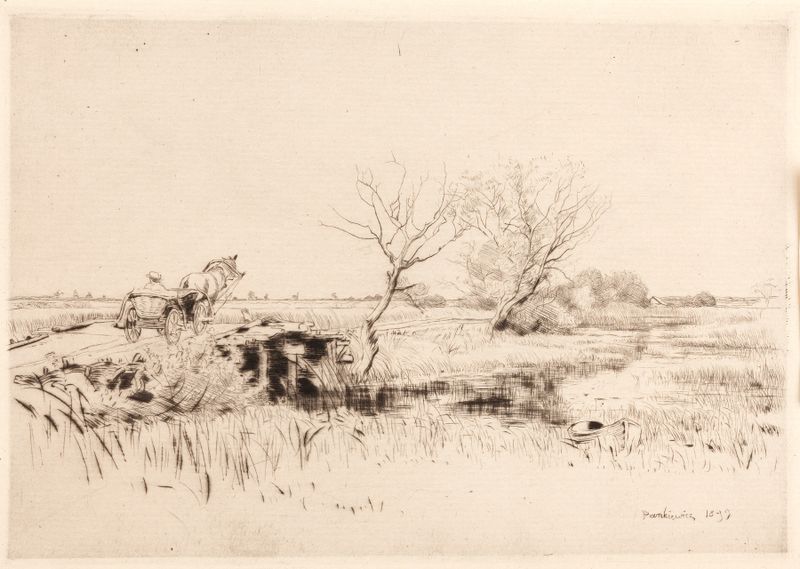
Pińsk Channel in Polesie I
Józef Pankiewicz
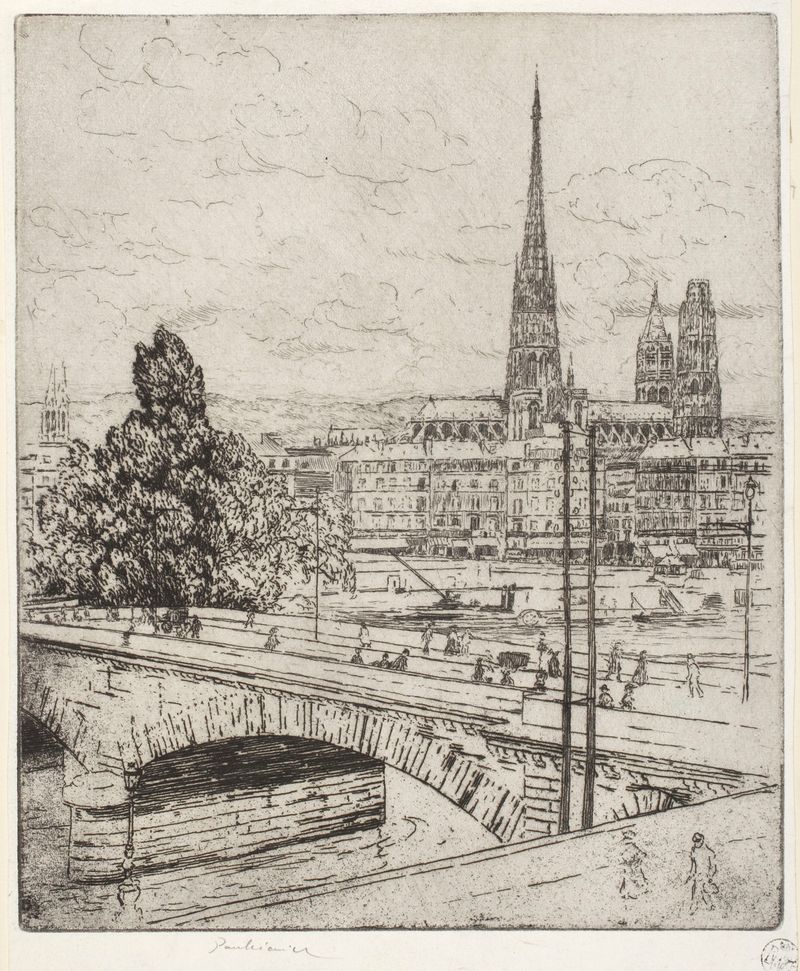
Pont Corneille in Rouen
Józef Pankiewicz
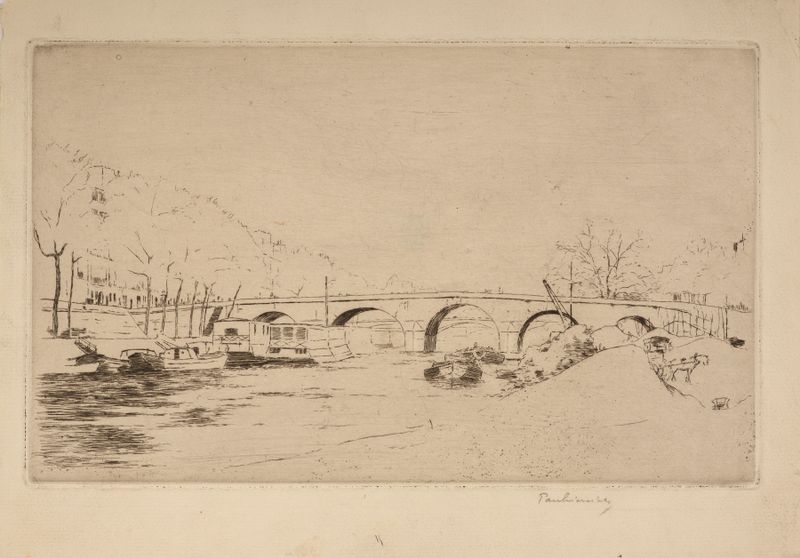
Pont Marie in Paris
Józef Pankiewicz

Rouen – portal from the Church of St Maclou
Józef Pankiewicz
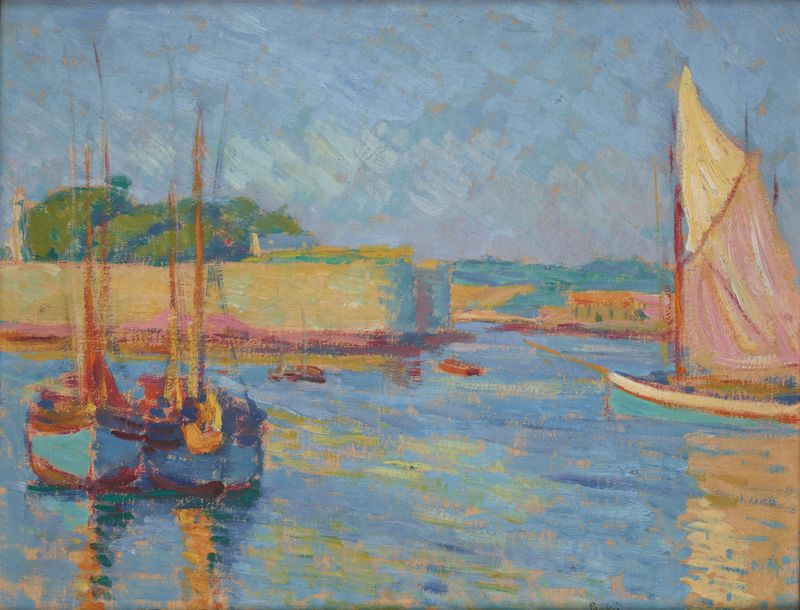
Harbour at Concarneau
Józef Pankiewicz
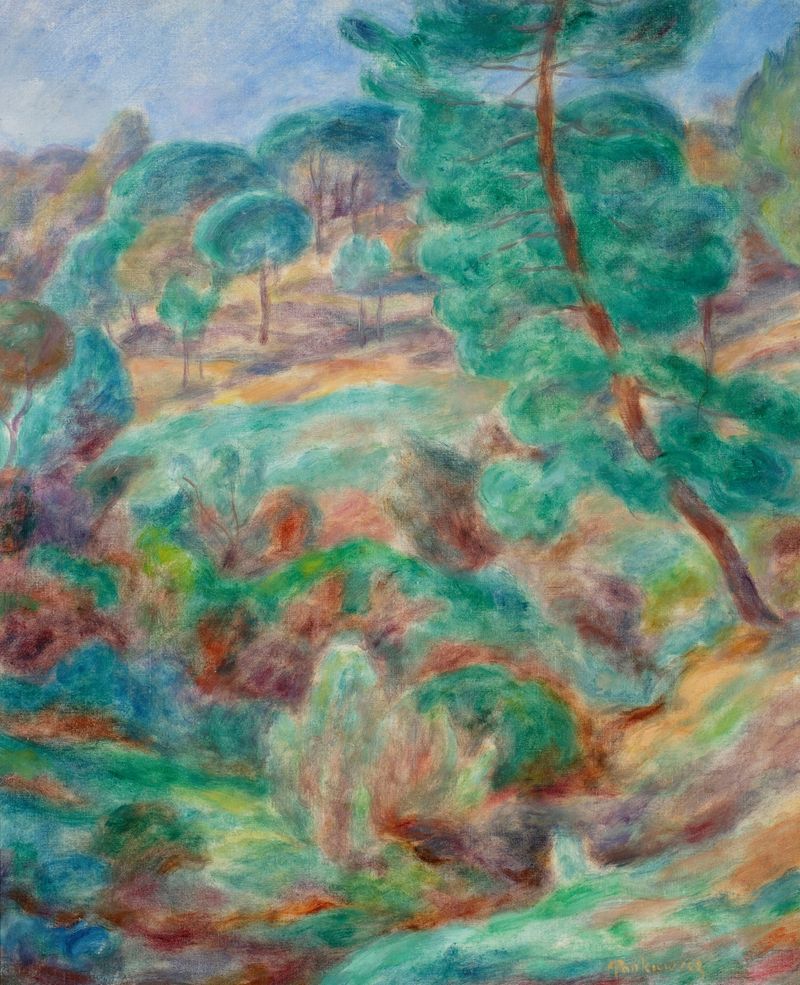
Landscape from Saint-Tropez – Stone pines
Józef Pankiewicz





