
Street Scene In Jerusalem — History & Facts
Who listens when art speaks of silence? In Street Scene In Jerusalem, a moment of stillness transforms into a profound narrative, inviting viewers to contemplate the spaces between sound and silence. Look to the center of the canvas, where a narrow street unfurls like a forgotten memory. The warm, golden sunlight bathes the stone walls in a soft glow, illuminating the intricate textures that speak to centuries of history. Notice the figures, cloaked in traditional attire, their movements poised yet deliberate, as if caught in a delicate dance of daily life.
The shadows stretch long, anchoring the scene in a time that feels both past and present, while the subdued palette evokes a deep sense of reverence. Beneath the surface, the painting reveals the emotional tension of transformation. The juxtaposition of light and shadow hints at the duality of Jerusalem itself—a city of conflict and peace, ancient yet vibrant. The solitary figure on the far left, with a contemplative stance, suggests introspection amidst the bustling atmosphere, serving as a reminder of the personal journeys woven into the tapestry of communal experiences.
Each detail, from the weathered stones to the distant arches, tells a story of resilience and change. In 1863, the artist immersed himself in the rich cultural tapestry of the city, capturing the essence of a Jerusalem teetering between tradition and modernity. This period in his life coincided with a growing interest in Orientalism within the art world, prompting him to depict scenes that echoed both the splendor and complexity of his surroundings. The work reflects a pivotal moment, not only in the artist’s career but also in the broader narrative of a city steeped in history and contradiction.
More Artworks by Carl Friedrich Heinrich Werner
Browse all →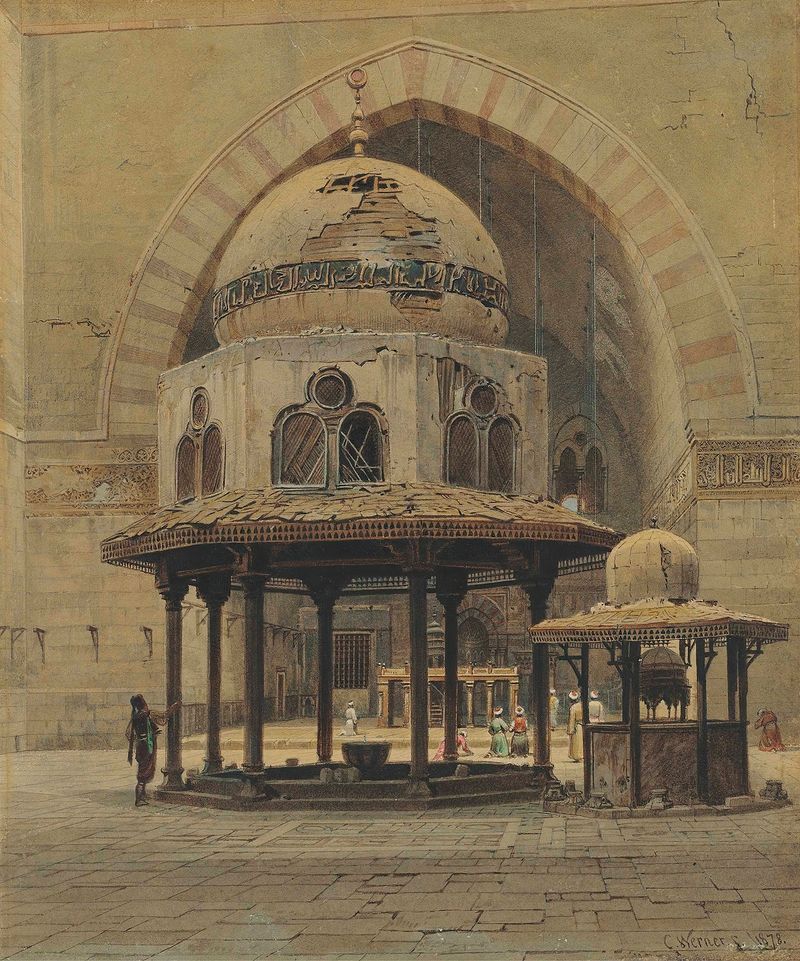
Mosque of Sultan Hassan, Cairo
Carl Friedrich Heinrich Werner
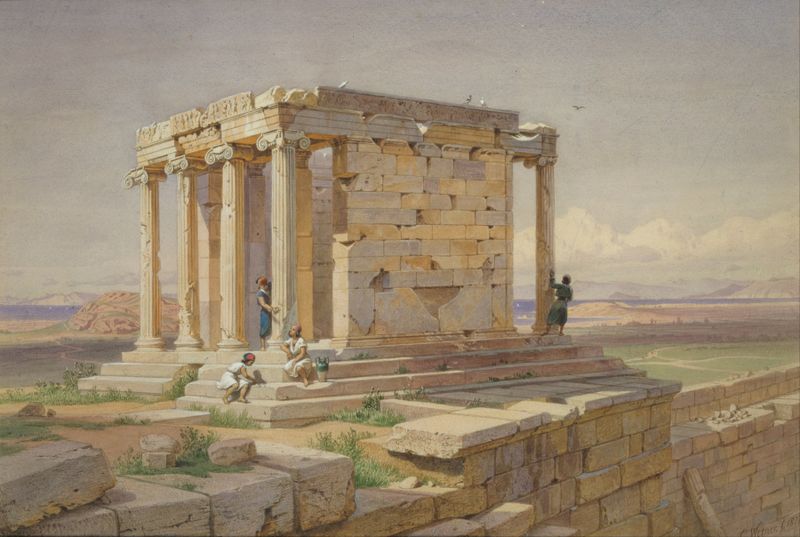
The Temple of Athena Nike. View from the North-East
Carl Friedrich Heinrich Werner
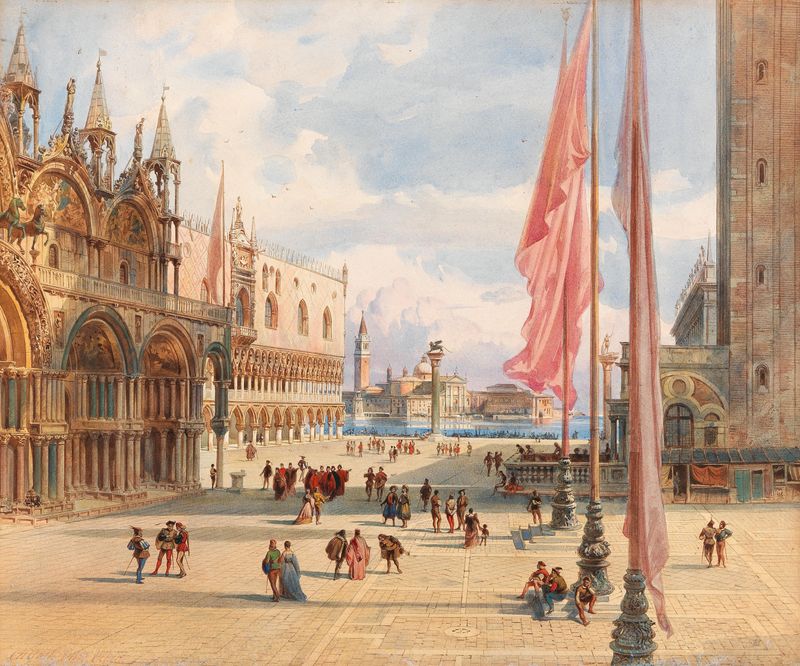
Marcus Square In Venice
Carl Friedrich Heinrich Werner

Canal Grande and Rialto Bridge
Carl Friedrich Heinrich Werner
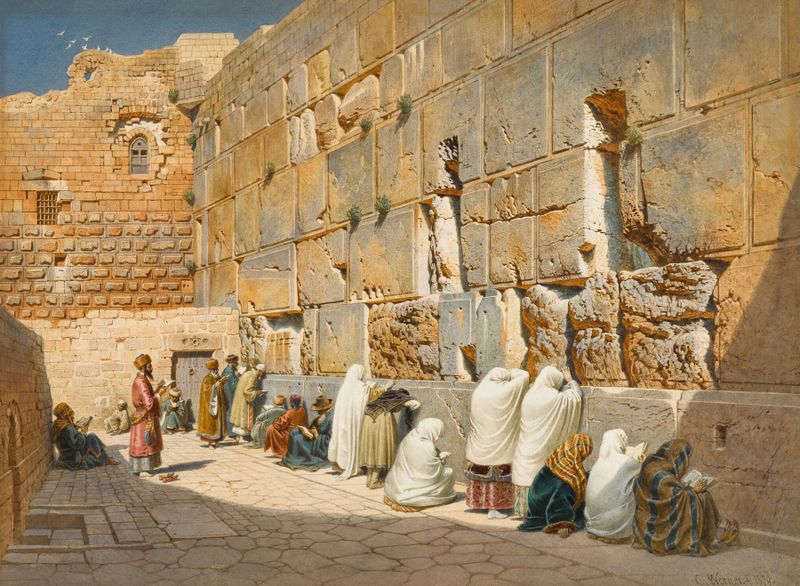
The Wailing Wall, Jerusalem
Carl Friedrich Heinrich Werner
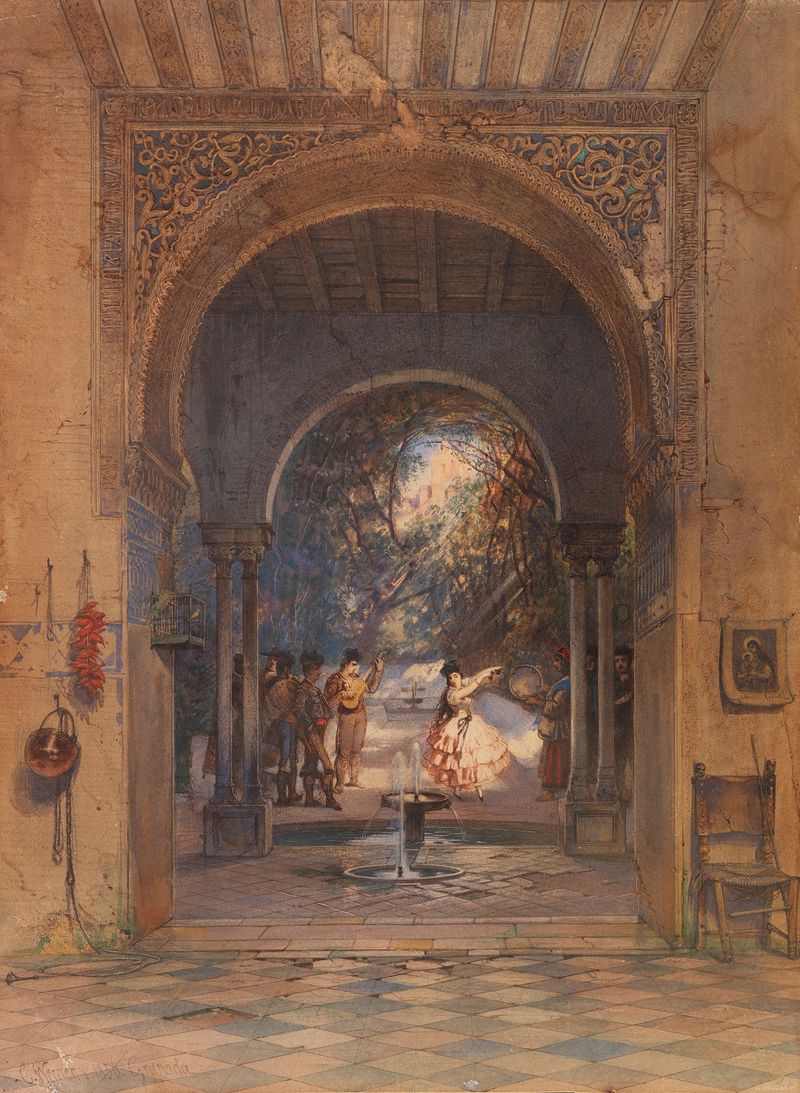
Kastagnettentänzerin in der Alhambra in Granada
Carl Friedrich Heinrich Werner
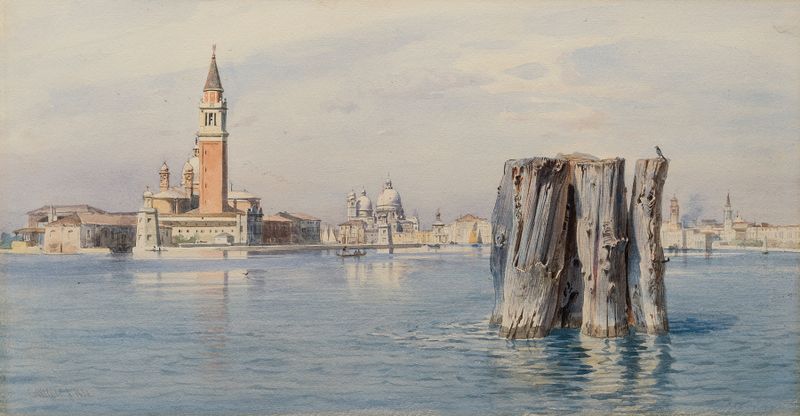
Ansicht von San Giorgio Maggiore und Santa Maria della Salute in Venedig
Carl Friedrich Heinrich Werner
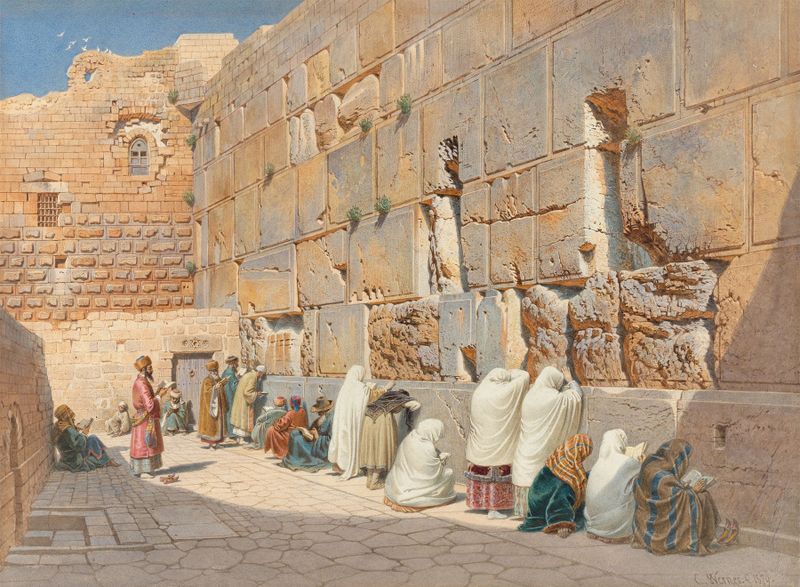
The Wailing Wall in Jerusalem
Carl Friedrich Heinrich Werner
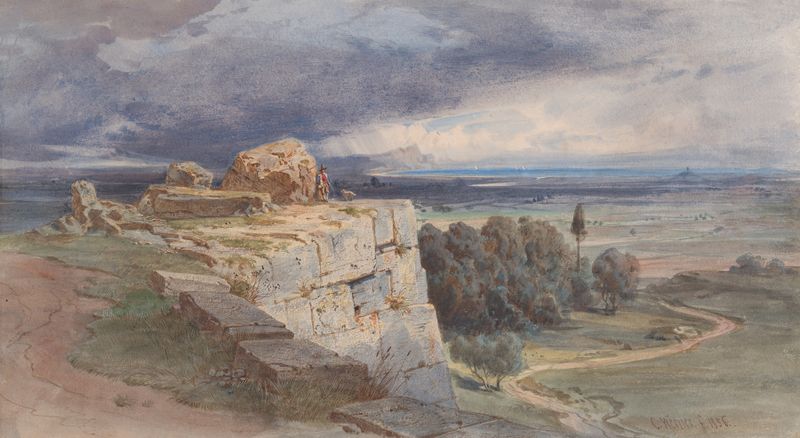
View of Norba from the North, towards San Felice Circeo
Carl Friedrich Heinrich Werner
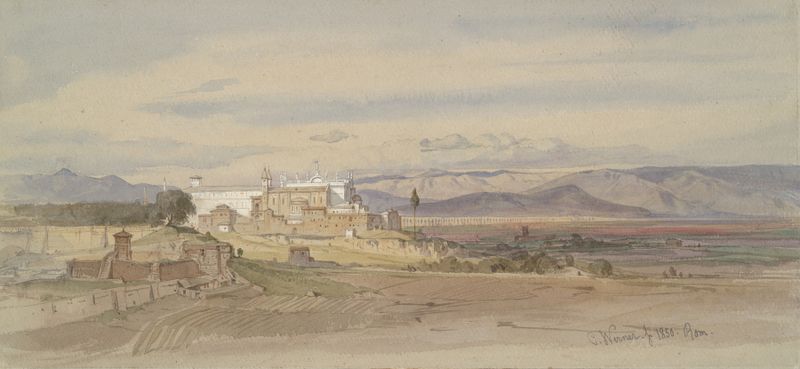
Roman Landscape with San Giovanni in Laterano
Carl Friedrich Heinrich Werner





