
Stromy pri rieke — History & Facts
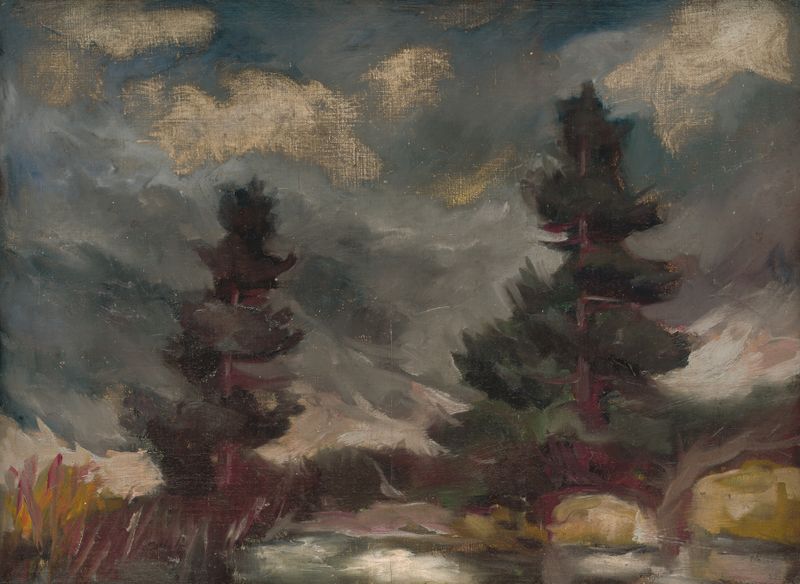
When did color learn to lie? In a world where beauty can mask truth, this painting invites an exploration of nature's duality, capturing a moment that feels both serene and tumultuous. Look to the center, where a river meanders through a landscape rife with emotional resonance. The brushstrokes create a vivid interplay of deep blues and greens, contrasting with vibrant flashes of ochre and burnt sienna. The turbulent sky, laden with heavy clouds, casts a dramatic light upon the scene, illuminating the water's surface with a shimmering brilliance that belies the storm’s approach.
Each element is rendered with a certain urgency, drawing the viewer into the complexity of the natural world. Within the tumult of colors lies a discourse on beauty and chaos. The river, though calm at first glance, symbolizes a journey fraught with unseen dangers. The juxtaposition of the tranquil water and the foreboding sky suggests an emotional tension between hope and despair, inviting contemplation on the fleeting nature of peace.
Where light dances upon the waves, shadows whisper of uncertainty, prompting a reflection on how beauty can both enchant and deceive. In 1929, Zolo Palugyay painted this work during a time of significant change in Central Europe, where the aftermath of World War I still loomed large over society. As modernism began to take root, artists were exploring emotional depth and new expressions of reality. Amidst this turbulent artistic landscape, Palugyay's work embodies a commitment to capturing not just the visible world, but the underlying emotions that govern human experience.
More Artworks by Zolo Palugyay
Browse all →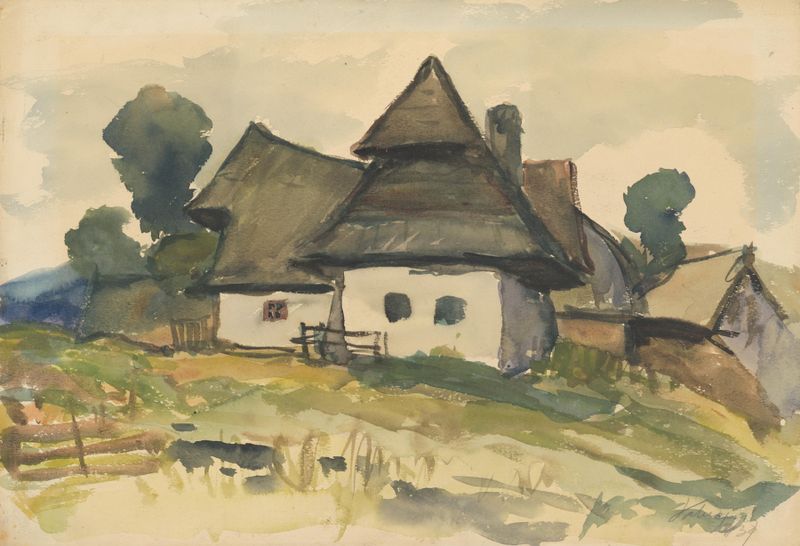
Dedinský motív
Zolo Palugyay
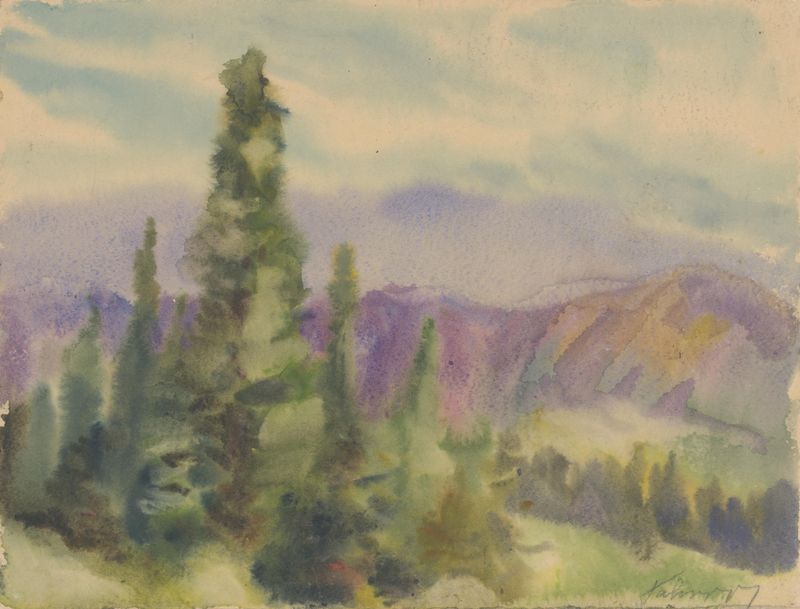
Motif from Liptov Mountains
Zolo Palugyay
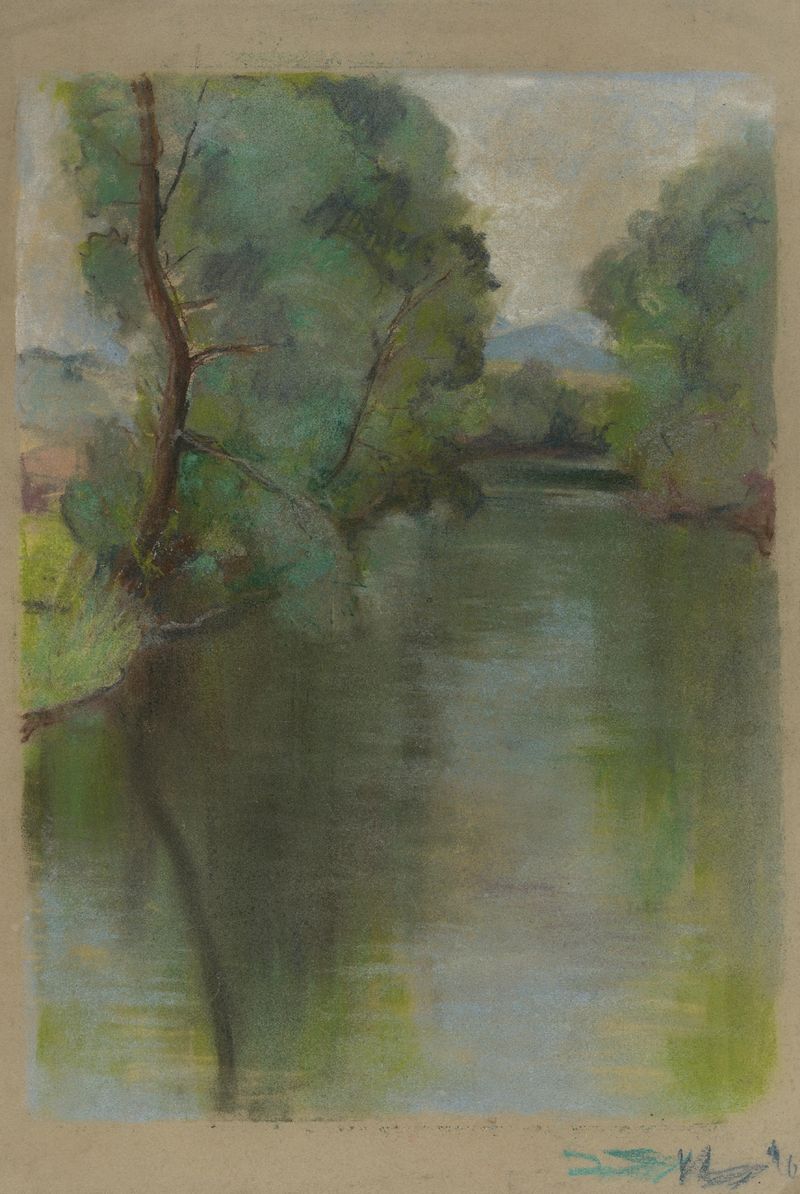
Silent River
Zolo Palugyay
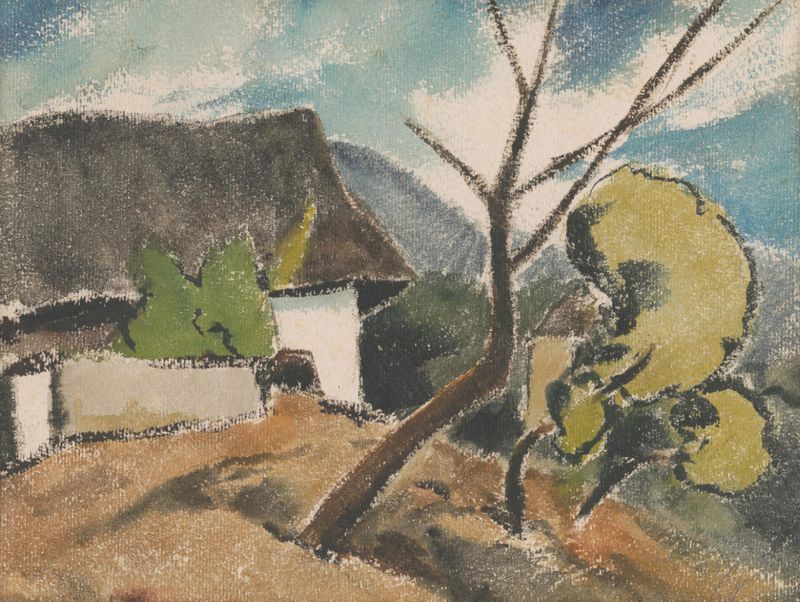
Oravská chalupa
Zolo Palugyay
Modré chalupy
Zolo Palugyay
Mountain Landscape with Snowy Peaks
Zolo Palugyay
Three Trees on a Plain
Zolo Palugyay
Horská krajina
Zolo Palugyay
Tatra Landscape
Zolo Palugyay
Spring Landscape
Zolo Palugyay





