Štúdia hlavy ženy v tmavom O 426 Slovak National Gallery — History & Facts
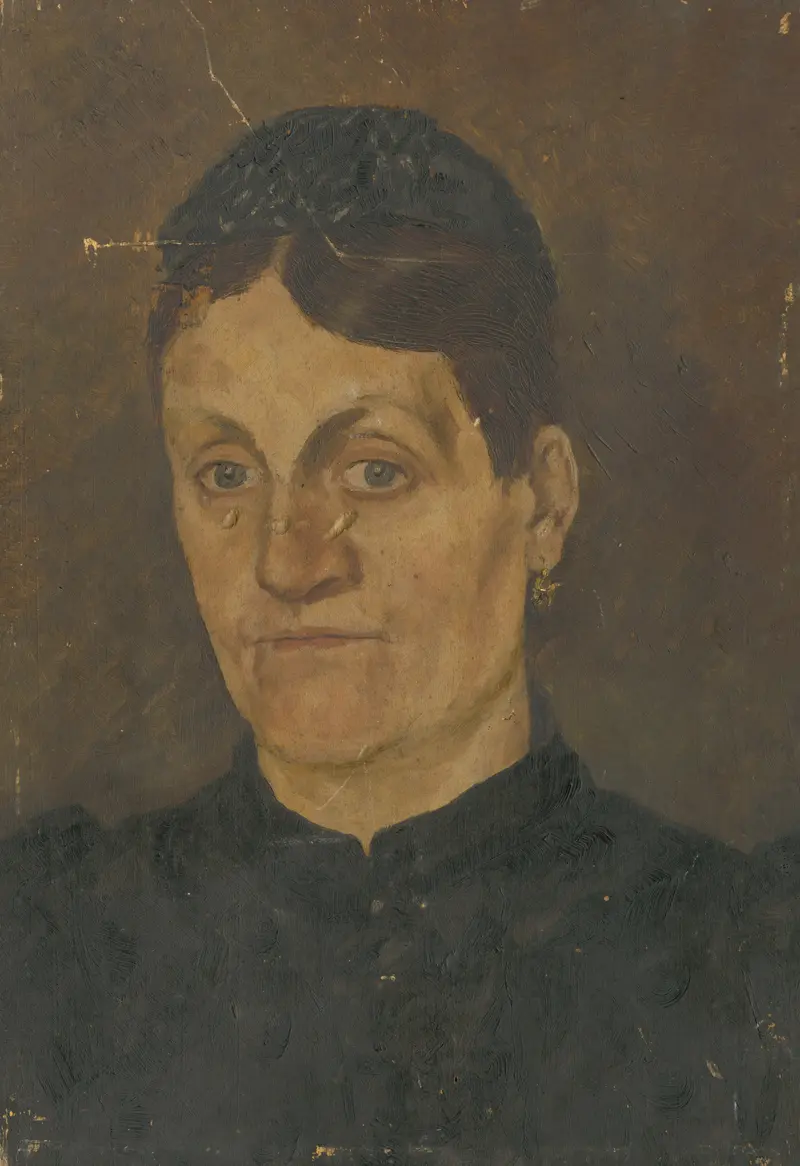
What first arrests the viewer in Štúdia hlavy ženy v tmavom O 426 is the way the face seems to emerge from darkness, as if conjured by memory rather than by light. The gaze is steady, almost searching, yet the features are softened by a gentle modeling that suggests both vulnerability and resolve. The artist, Aurel Ballo, has chosen to let the shadows envelop everything but the essential: the eyes, the bridge of the nose, the curve of the lips.
The background dissolves into a deep, textured black, which pushes the illuminated face forward, making the viewer feel the immediacy of this quiet encounter. Every brushstroke in the flesh tones is purposeful, guiding the eye from the high forehead to the strong chin, while the ambiguous expression leaves us wondering what thoughts flicker behind those eyes. Painted in 1894, this work belongs to a period when artists across Europe were turning to intimate studies and psychological portraits, often as exercises in capturing character rather than likeness for its own sake. In the late nineteenth century, such studies were rarely meant for grand display; instead, they served as private explorations of mood, technique, and identity—sometimes for patrons, but often for the artist’s own growth.
The Slovak National Gallery now holds this piece, preserving a moment when Aurel Ballo paused to consider not just a face, but the quiet drama of light and shadow. History has kept few traces of Ballo’s sitters, but the intensity of this gaze invites us to linger, searching for the story it almost reveals.
More Artworks by Aurel Ballo

Náčrt krajiny s mostom O 425 Slovak National Gallery
Aurel Ballo
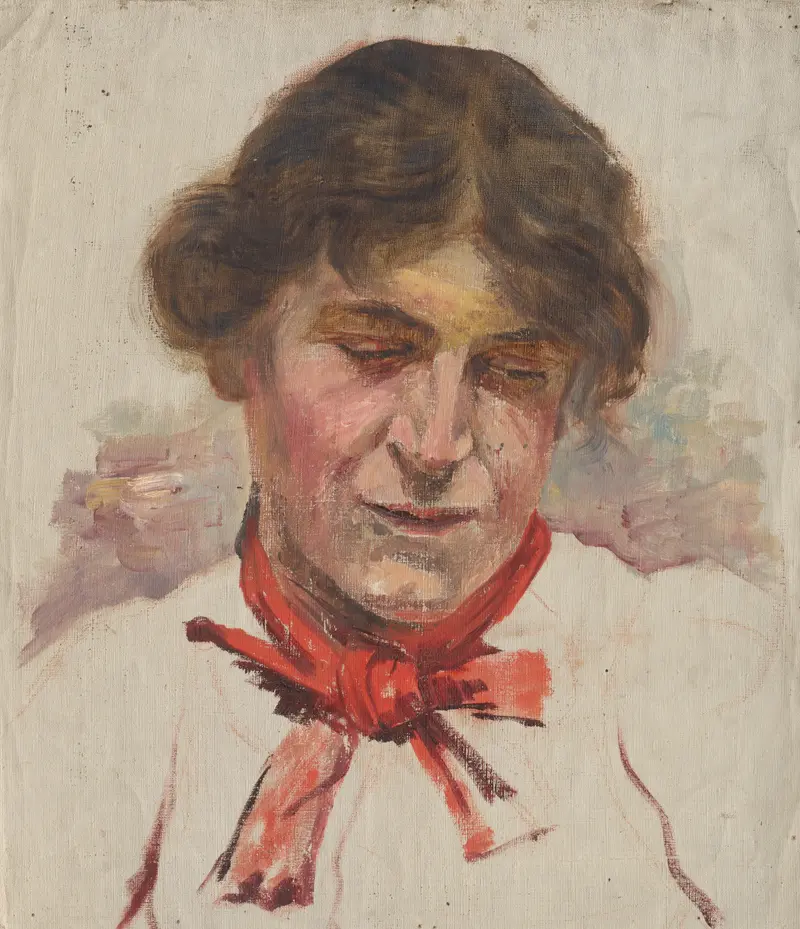
Štúdia ženskej hlavy s červenou mašľou O 416 Slovak National Gallery
Aurel Ballo
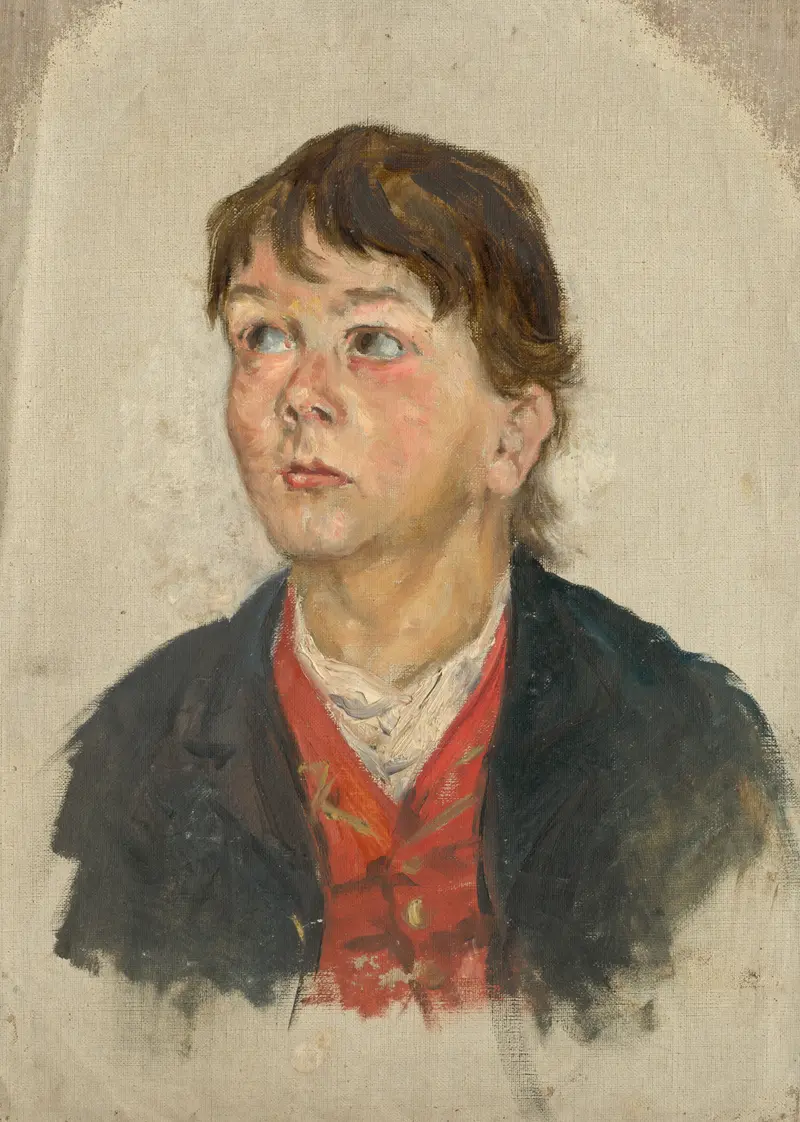
Podobizeň Zuzany Ballovej. Portrét chlapca Štefana Žuffu O 2896 Slovak National Gallery
Aurel Ballo
Štúdia ženskej hlavy v trištvrťovom profile O 424 Slovak National Gallery
Aurel Ballo
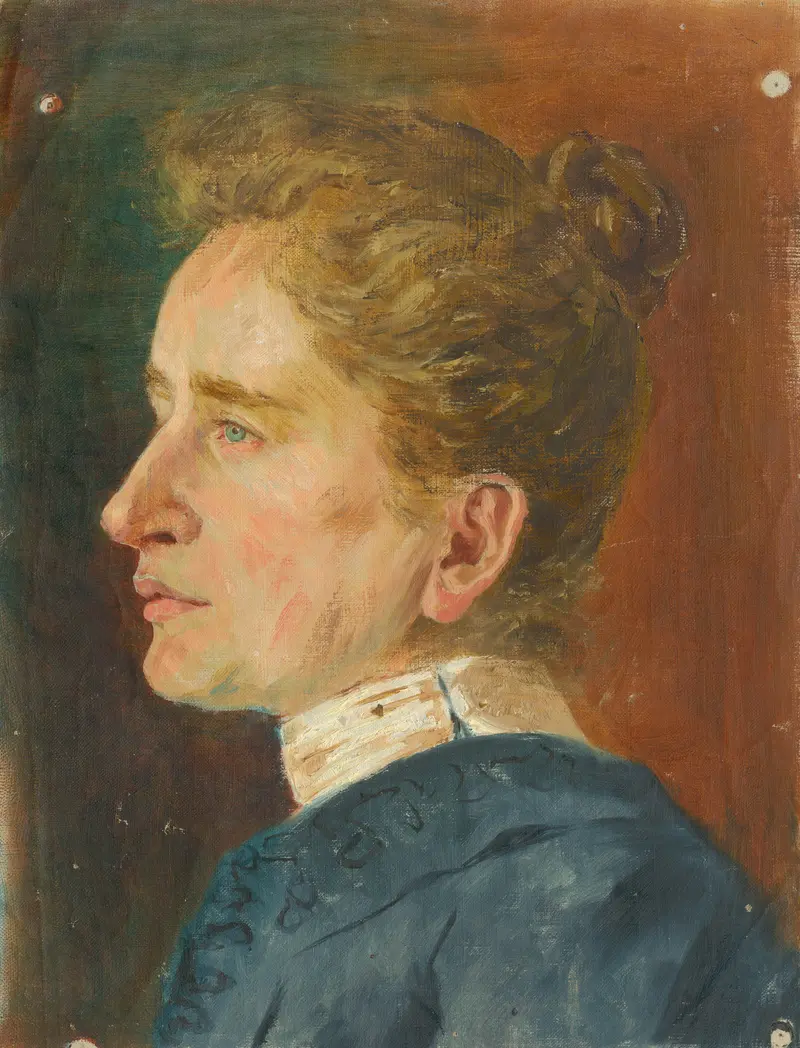
Štúdia hlavy staršej ženy v profile O 419 Slovak National Gallery
Aurel Ballo
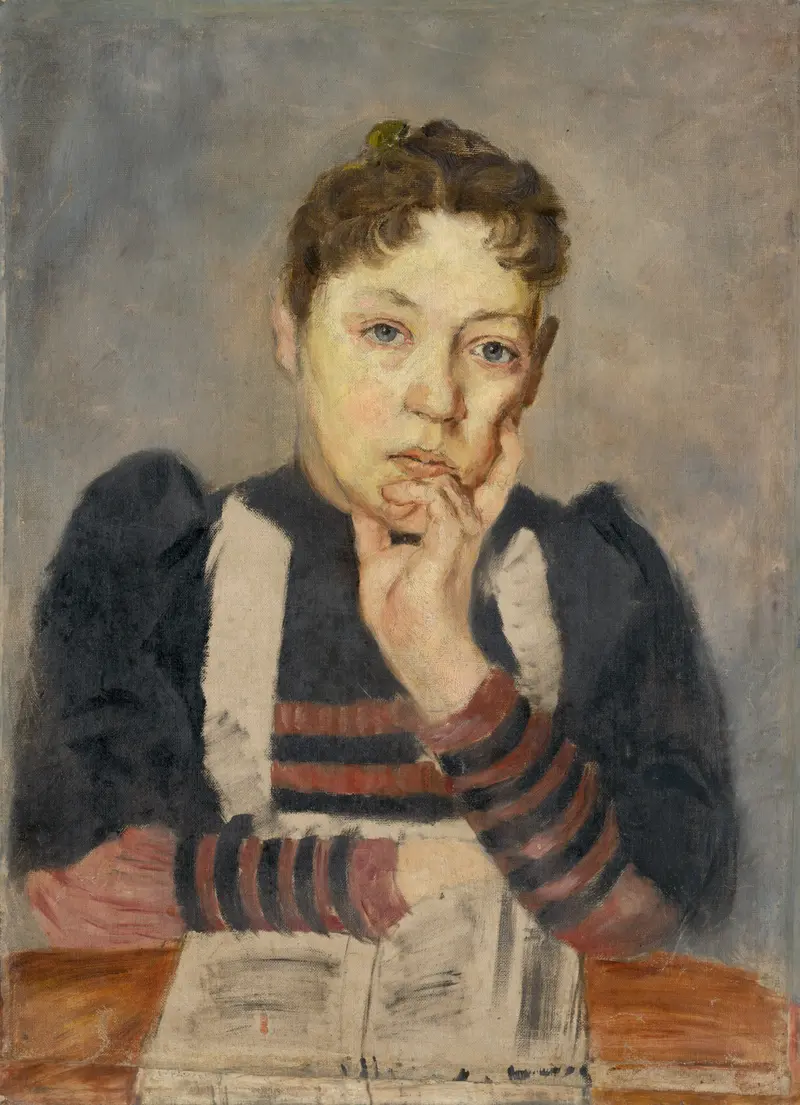
Štúdia ženy s podopretou rukou O 422 Slovak National Gallery
Aurel Ballo
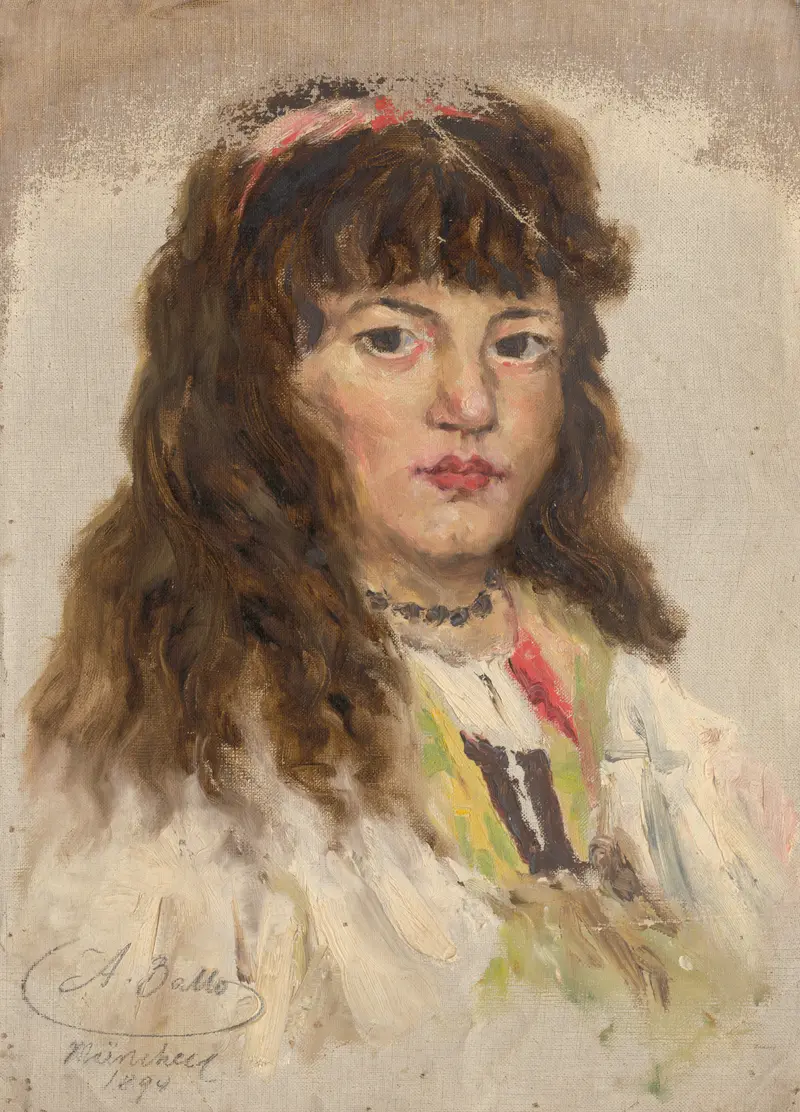
Štúdia ženskej hlavy s dlhými vlasmi O 421 Slovak National Gallery
Aurel Ballo
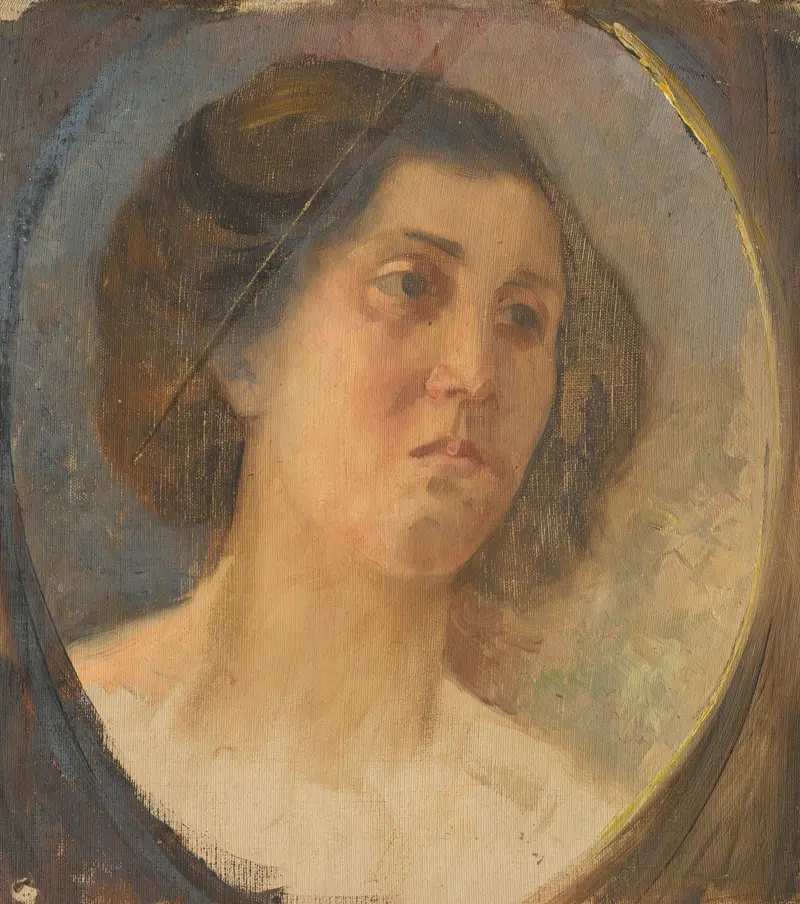
Štúdia ženskej hlavy O 418 Slovak National Gallery
Aurel Ballo
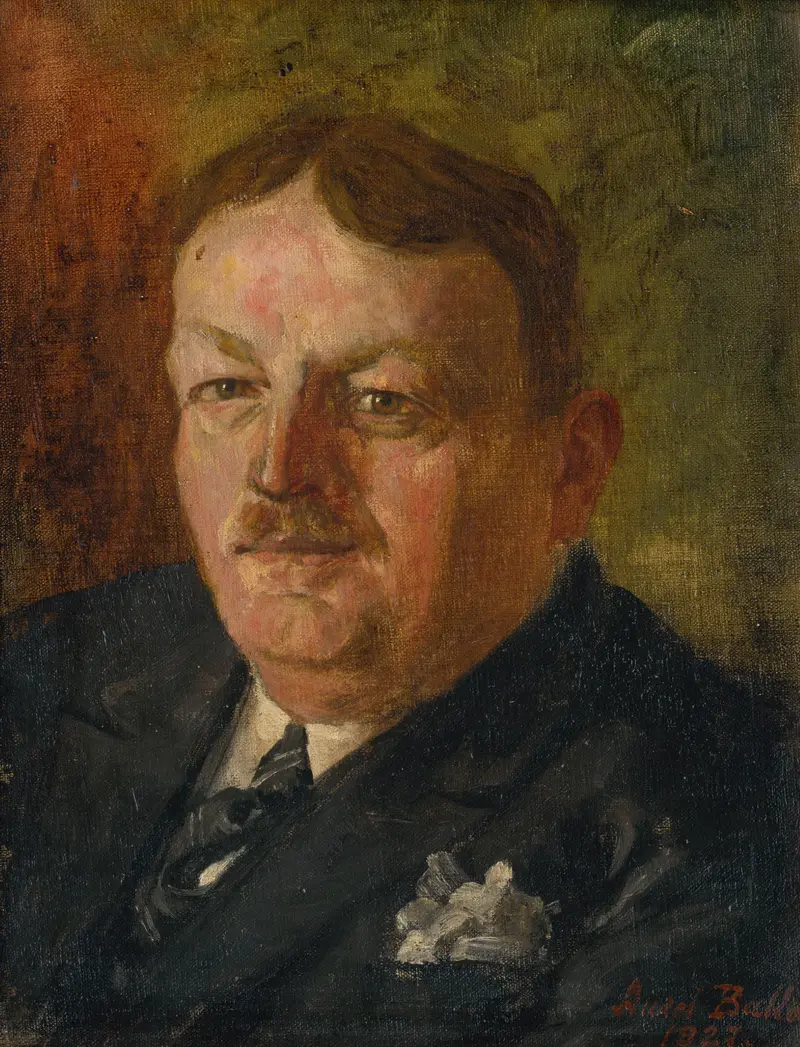
Portrét Pavla Gallu O 5107 Slovak National Gallery
Aurel Ballo
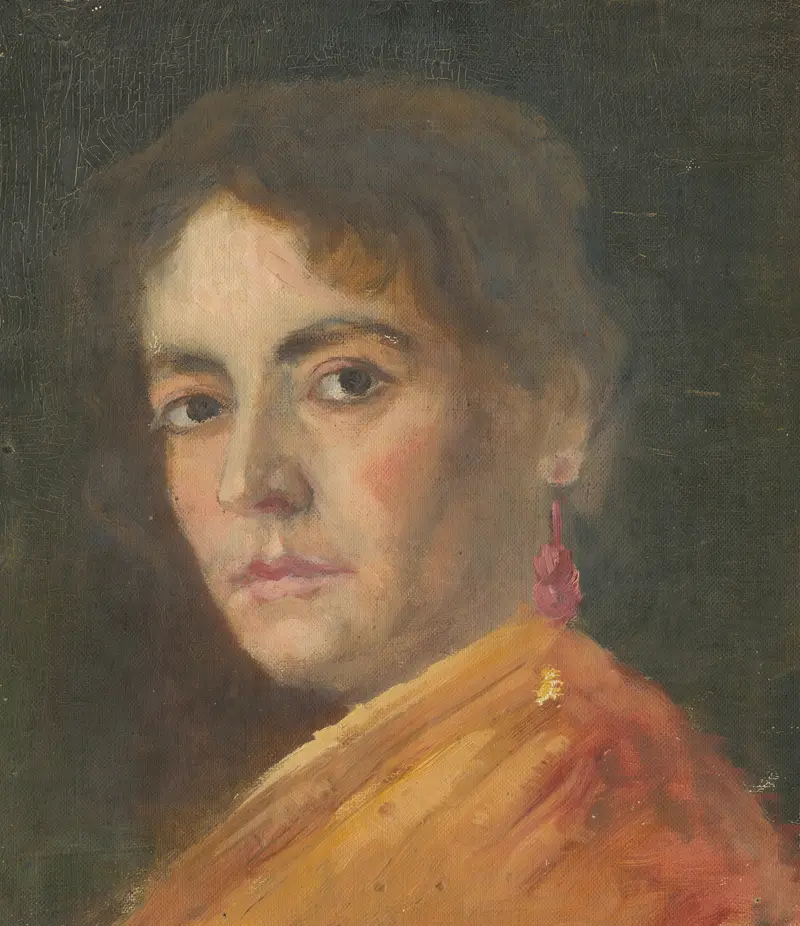
Head Study of a Woman with an Earring
Aurel Ballo