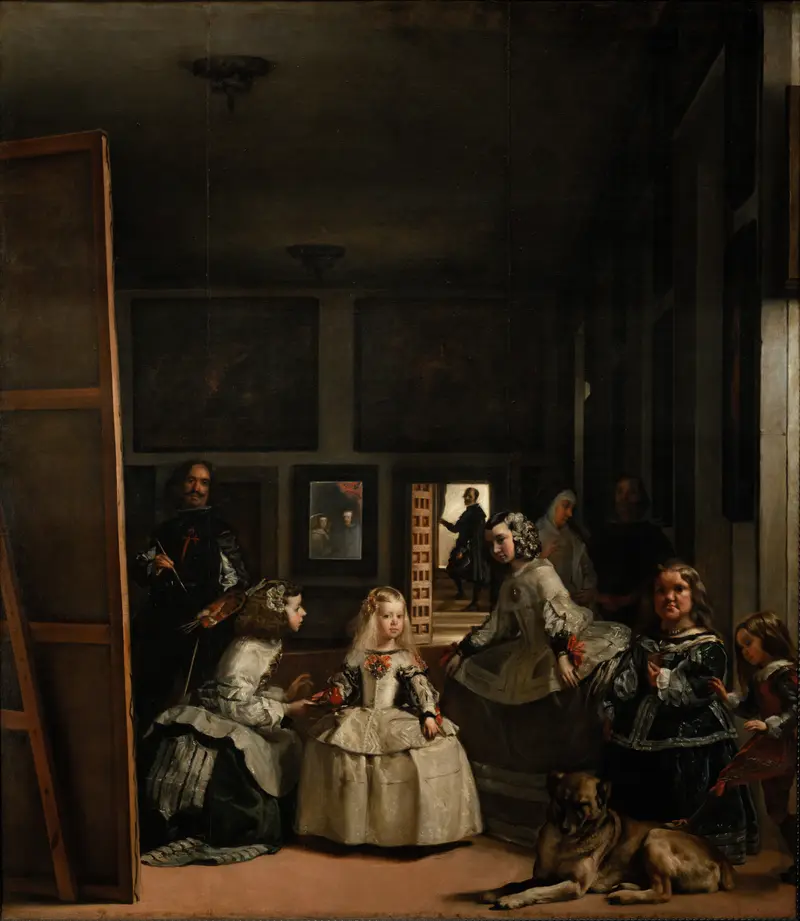
Štúdia ženskej hlavy s červenou mašľou O 416 Slovak National Gallery — History & Facts
What first catches the eye in Štúdia ženskej hlavy s červenou mašľou O 416 is the intensity of the sitter’s downward gaze, her features modeled with bold, almost sculptural brushwork that leaves much of the canvas bare. The red bow at her neck anchors the composition—a splash of color that draws you in, suggesting both individuality and the artist’s fascination with the play of light on fabric and skin. The unfinished quality of her shoulders and the background, where strokes dissolve into suggestion, keeps the focus on her face, inviting us to wonder what thoughts weigh behind those closed lids and furrowed brow.
The palette is earthy and direct, with reds and browns echoing through the cheeks and lips, giving the impression of a fleeting moment captured in the studio. Created in 1890, this study belongs to a time when artists across Europe were turning away from formal portraiture to seek truth in immediacy and character. Works like this—often painted for practice or as preparatory sketches—were rarely intended for public display, yet they offer a privileged glimpse into the artist’s process and the world of late nineteenth-century Central Europe. The Slovak National Gallery now preserves this piece, a reminder that history has kept few traces of Aurel Ballo’s sitters, but much of the searching, human gaze of the artist himself.
Look again at the red bow: it is both a flourish and a question, left for us to answer.
More Artworks by Aurel Ballo

Náčrt krajiny s mostom O 425 Slovak National Gallery
Aurel Ballo
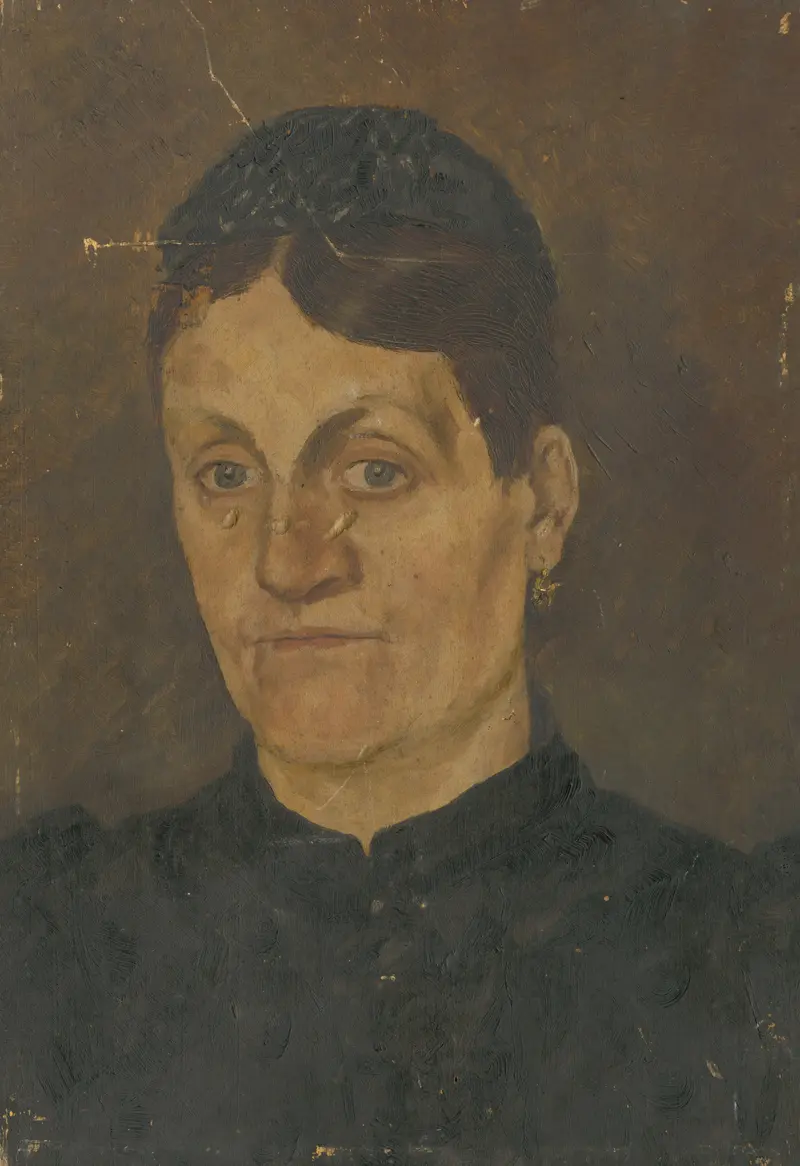
Podobizeň Zuzany Ballovej. Portrét chlapca Štefana Žuffu O 2896 Slovak National Gallery
Aurel Ballo
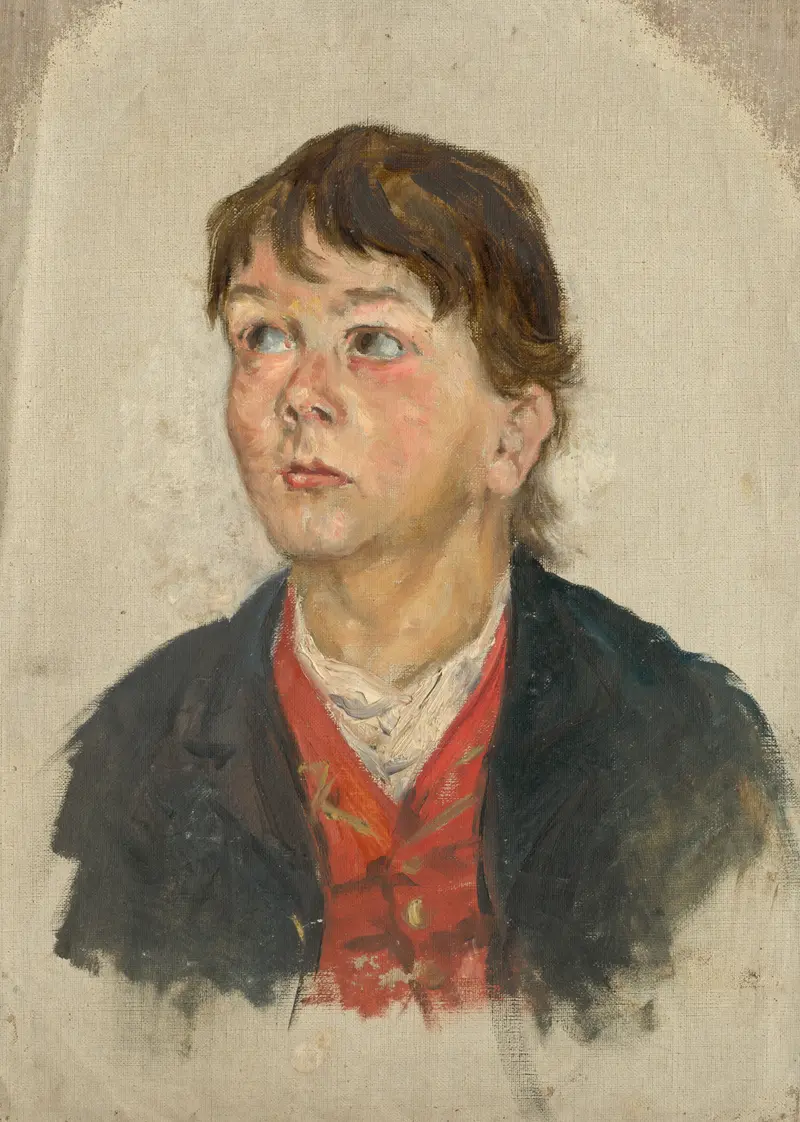
Štúdia ženskej hlavy v trištvrťovom profile O 424 Slovak National Gallery
Aurel Ballo
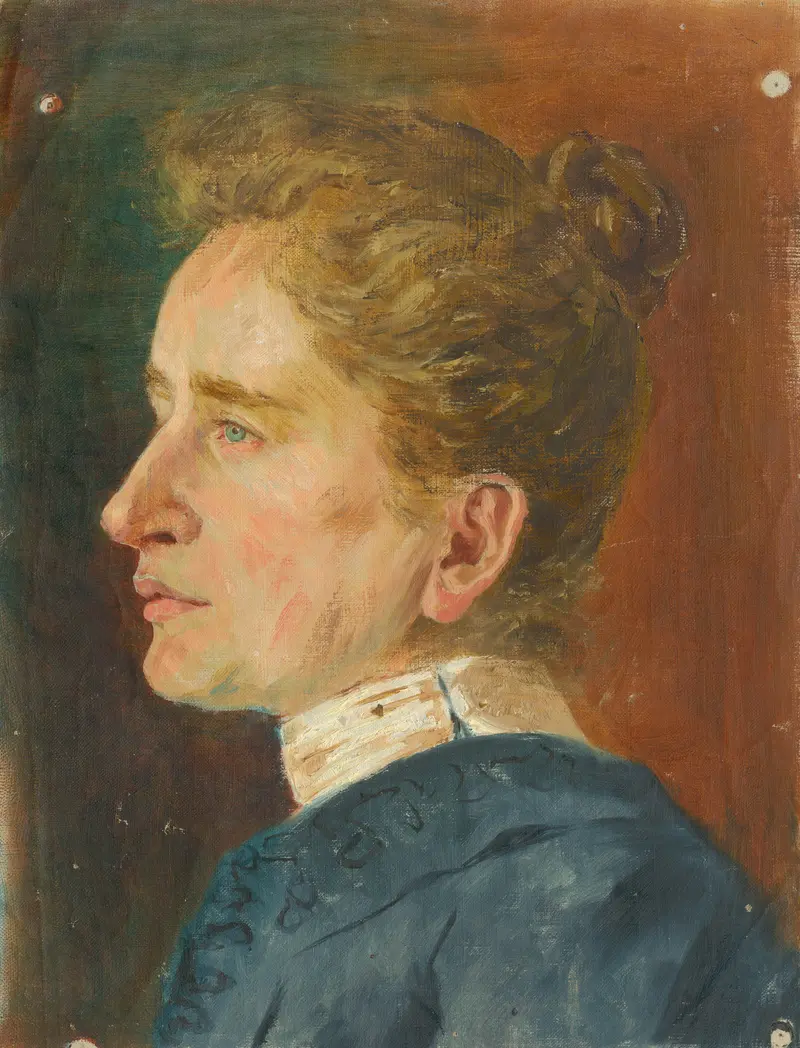
Štúdia hlavy staršej ženy v profile O 419 Slovak National Gallery
Aurel Ballo
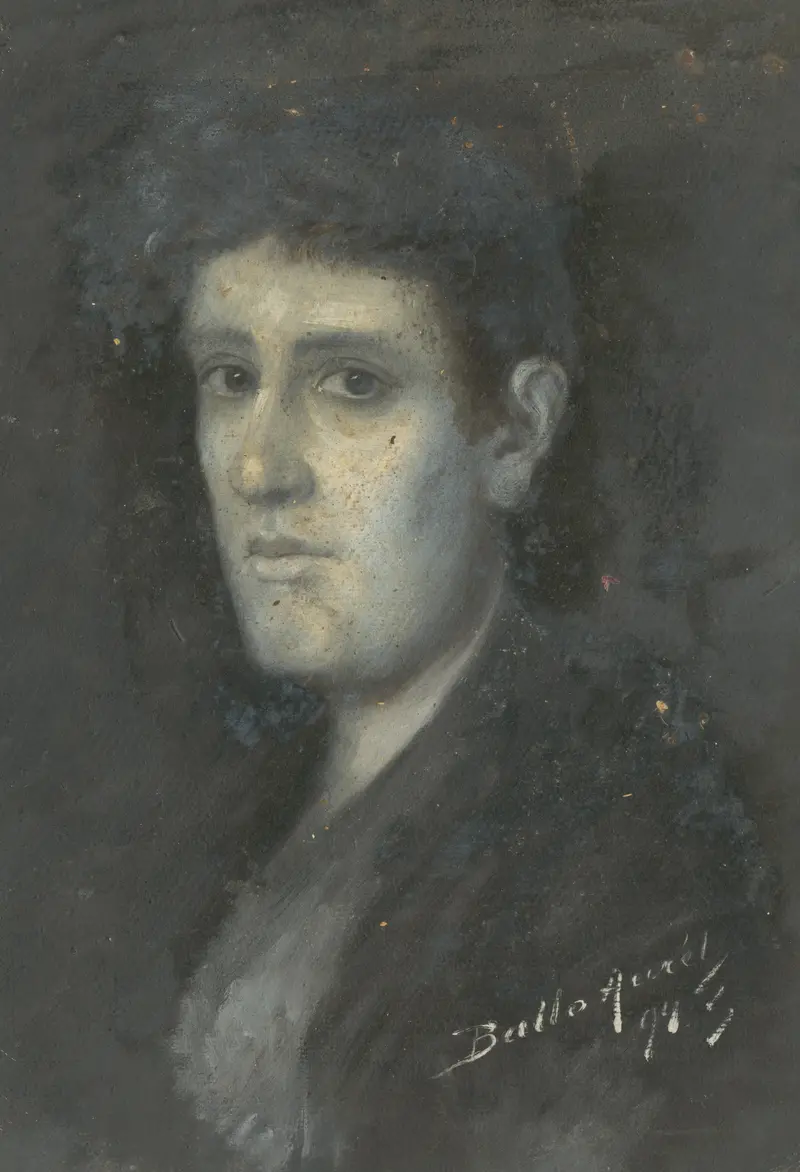
Štúdia hlavy ženy v tmavom O 426 Slovak National Gallery
Aurel Ballo
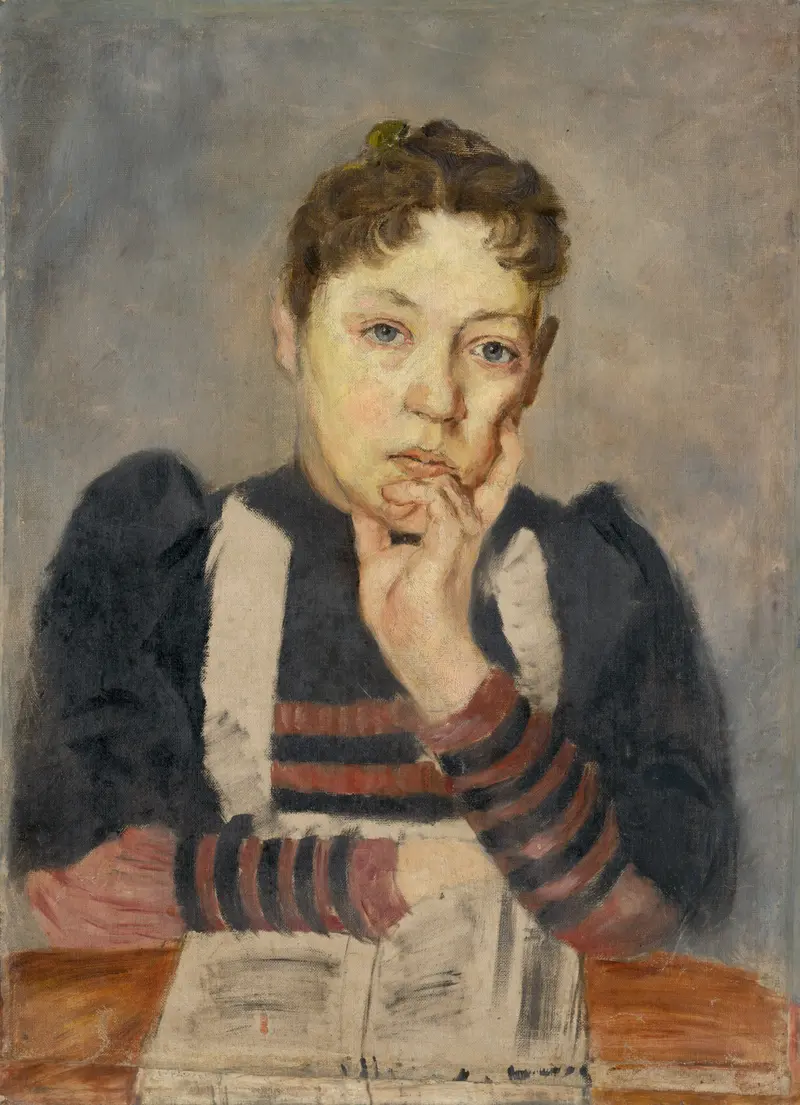
Štúdia ženy s podopretou rukou O 422 Slovak National Gallery
Aurel Ballo
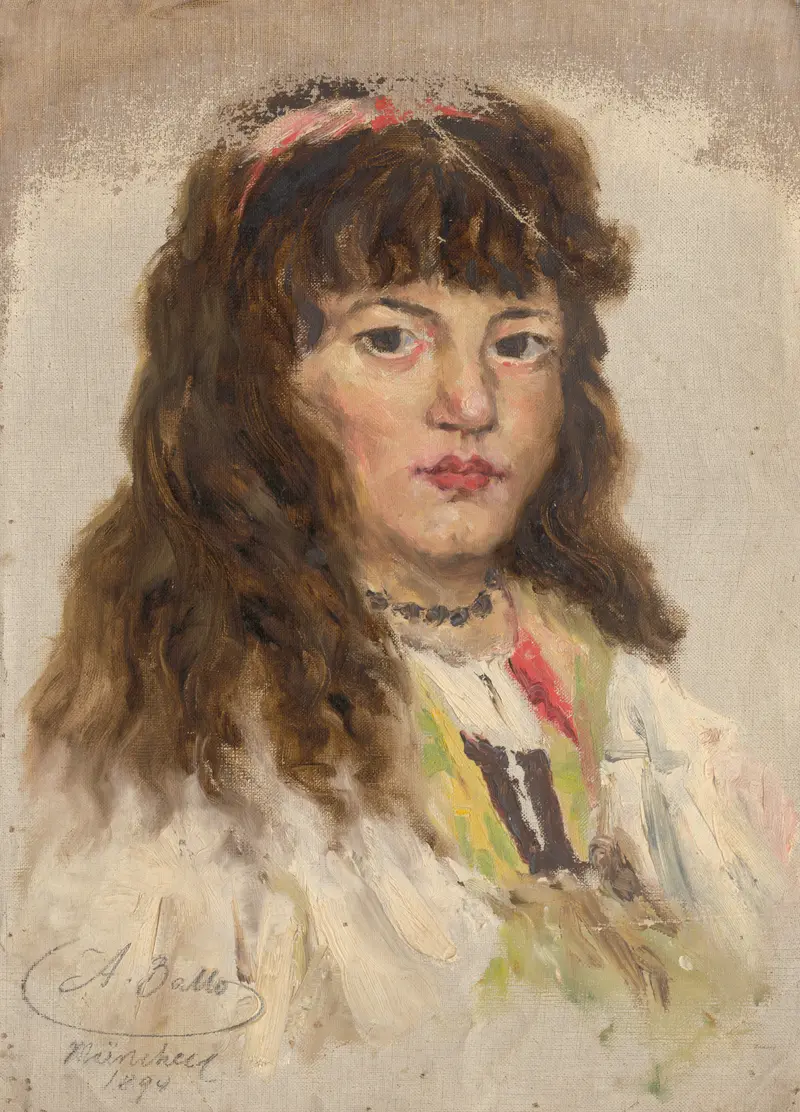
Štúdia ženskej hlavy s dlhými vlasmi O 421 Slovak National Gallery
Aurel Ballo
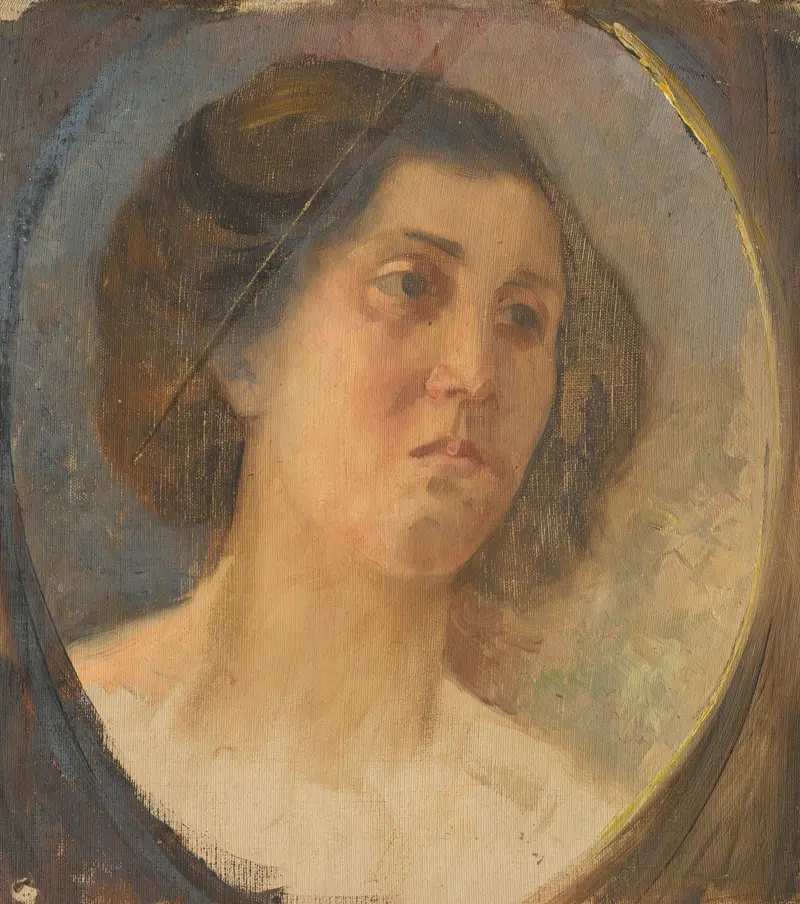
Štúdia ženskej hlavy O 418 Slovak National Gallery
Aurel Ballo
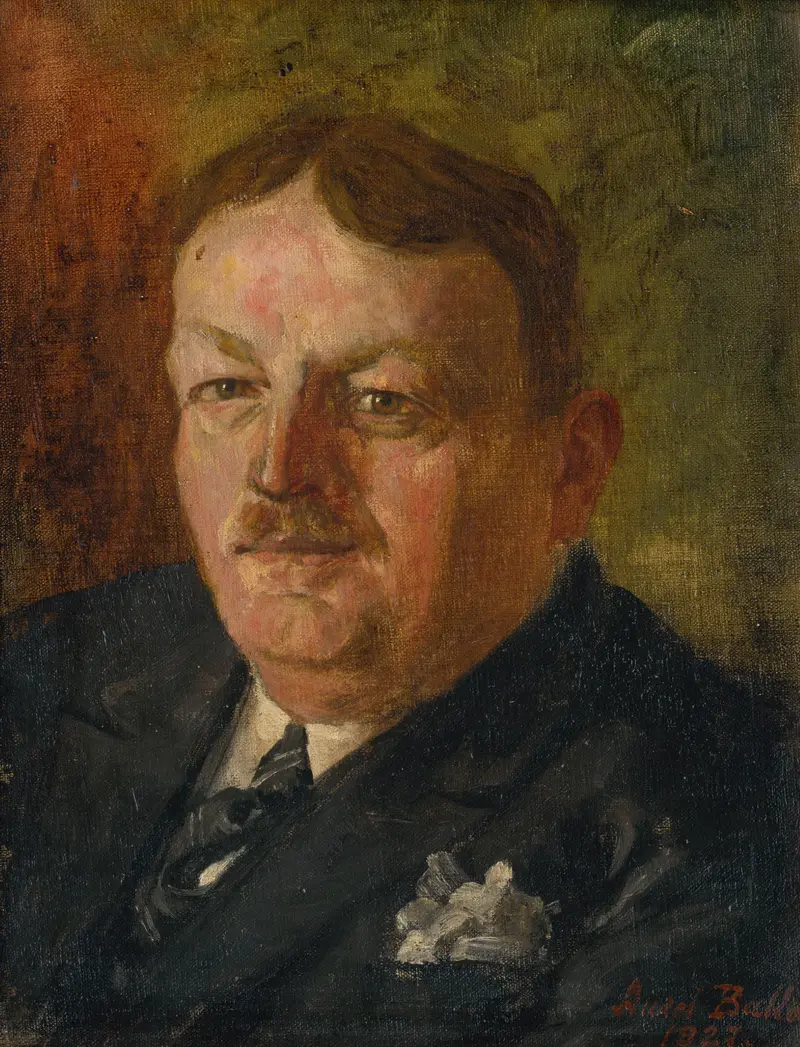
Portrét Pavla Gallu O 5107 Slovak National Gallery
Aurel Ballo
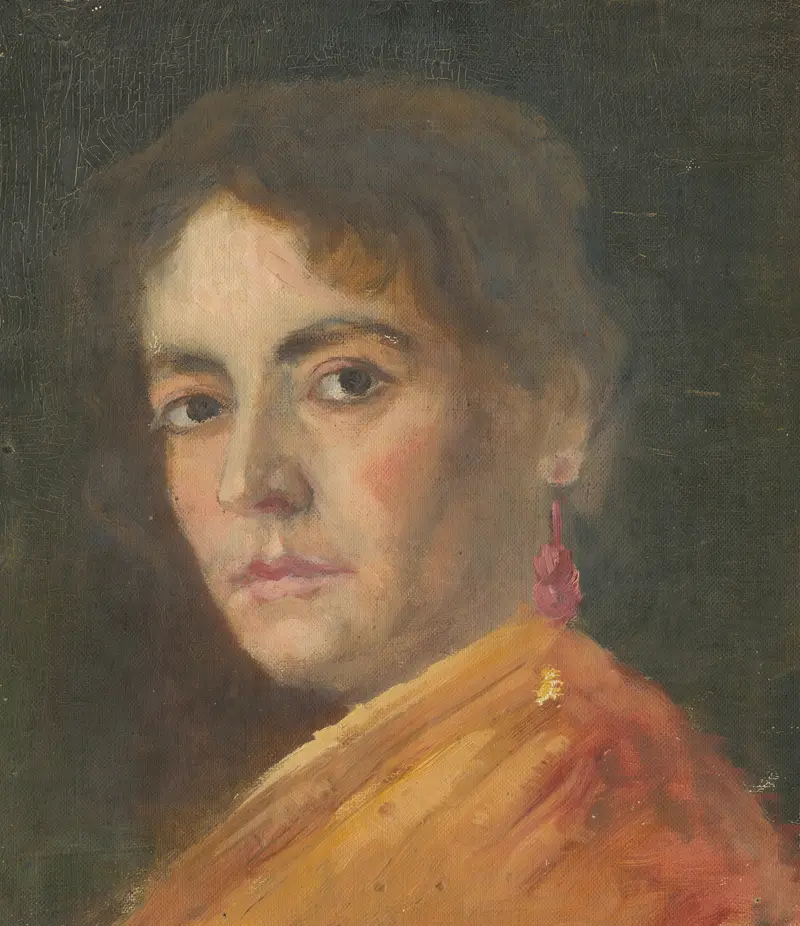
Head Study of a Woman with an Earring
Aurel Ballo