Štúdia ženy s podopretou rukou O 422 Slovak National Gallery — History & Facts
What holds the viewer here is the directness of the gaze—a young woman caught in a moment of thought, her hand propping up her chin as if the weight of her day, or perhaps her reading, has settled in her bones. The artist, Aurel Ballo, chooses not to flatter or dramatize but to linger on the quiet, heavy-lidded weariness in her eyes. The palette is subdued, the background a simple, muted wash that refuses to distract from the subject’s pale, almost luminous face.
Every brushstroke in her striped sleeves and the open book below signals a life paused, a mind wandering elsewhere, while the slightly parted lips and the tension in her fingers suggest a question unspoken. Painted in 1890, this work belongs to a period when portraiture was shifting away from grand, formal commissions toward more intimate, psychological studies. Across Central Europe, artists were exploring the ordinary—often women in domestic interiors, caught between tradition and the stirrings of modernity. Little is recorded about the journey of Štúdia ženy s podopretou rukou O 422 before its place in the Slovak National Gallery, but its quiet realism speaks to an era when painters sought truth in the everyday.
Look again at her eyes: they are not just windows, but mirrors of a world on the cusp of change.
More Artworks by Aurel Ballo

Náčrt krajiny s mostom O 425 Slovak National Gallery
Aurel Ballo
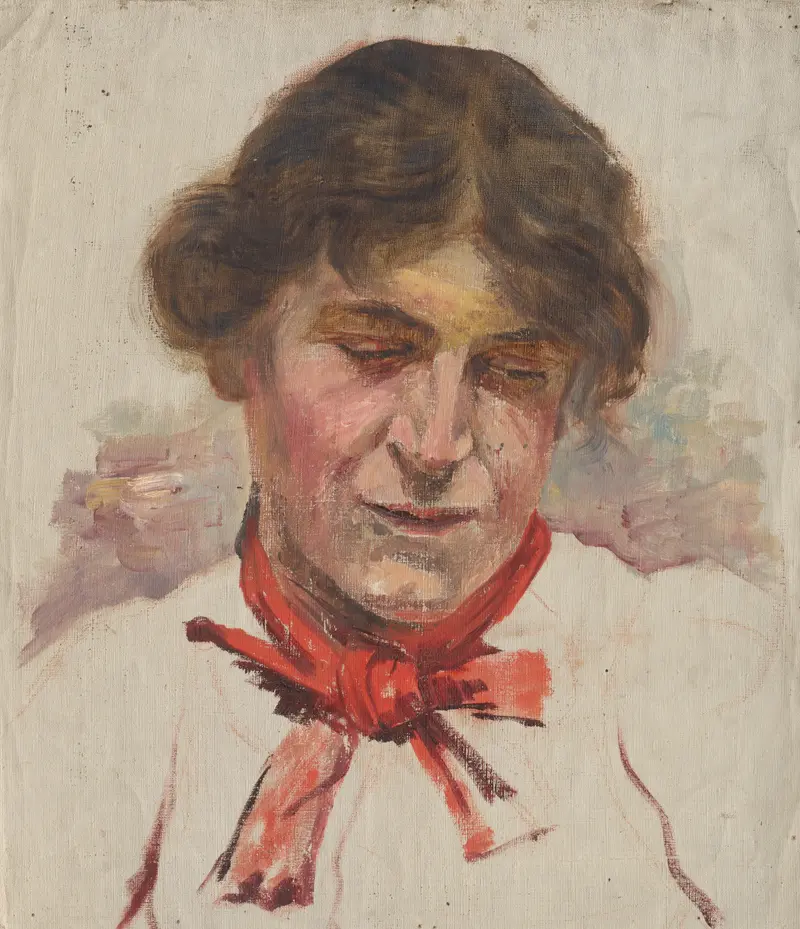
Štúdia ženskej hlavy s červenou mašľou O 416 Slovak National Gallery
Aurel Ballo
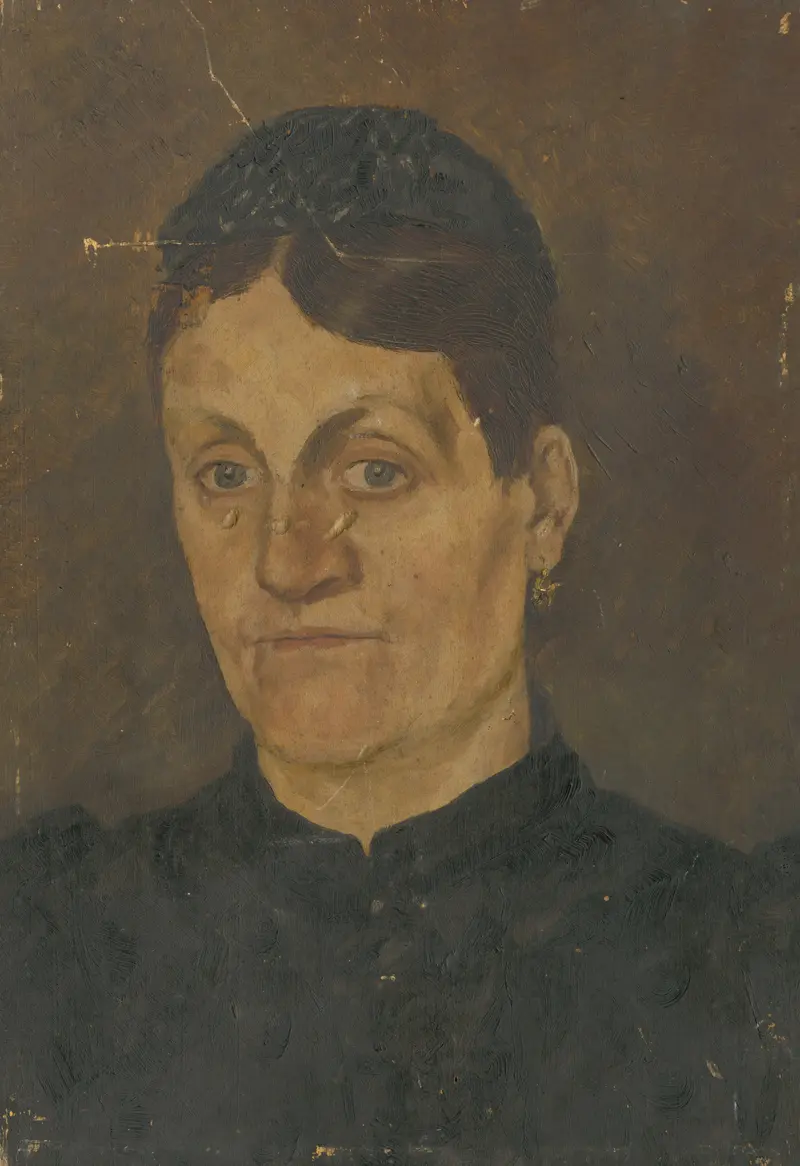
Podobizeň Zuzany Ballovej. Portrét chlapca Štefana Žuffu O 2896 Slovak National Gallery
Aurel Ballo
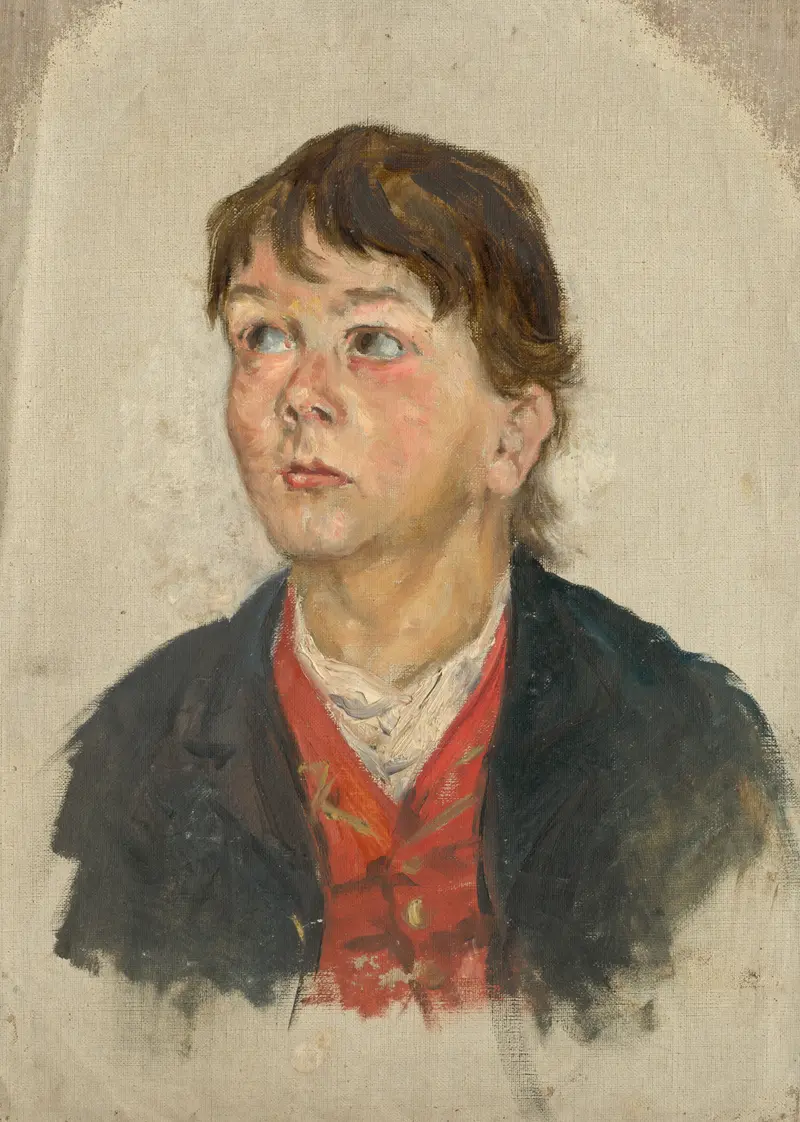
Štúdia ženskej hlavy v trištvrťovom profile O 424 Slovak National Gallery
Aurel Ballo
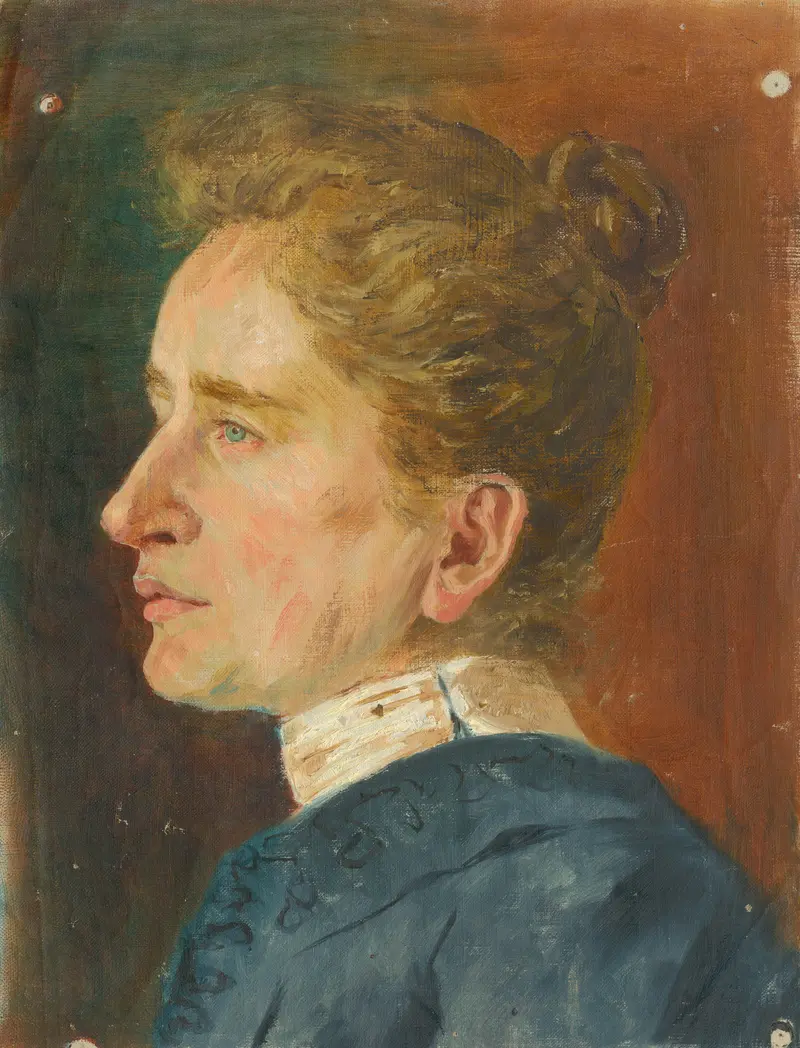
Štúdia hlavy staršej ženy v profile O 419 Slovak National Gallery
Aurel Ballo
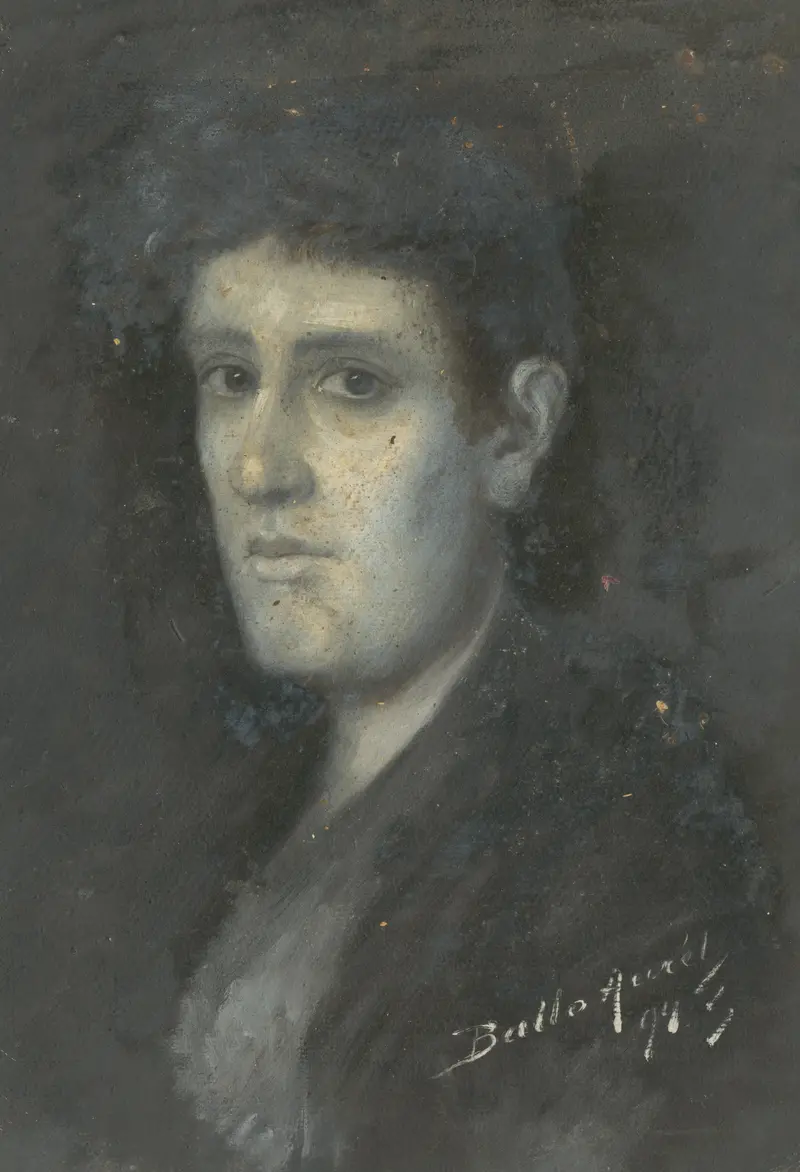
Štúdia hlavy ženy v tmavom O 426 Slovak National Gallery
Aurel Ballo
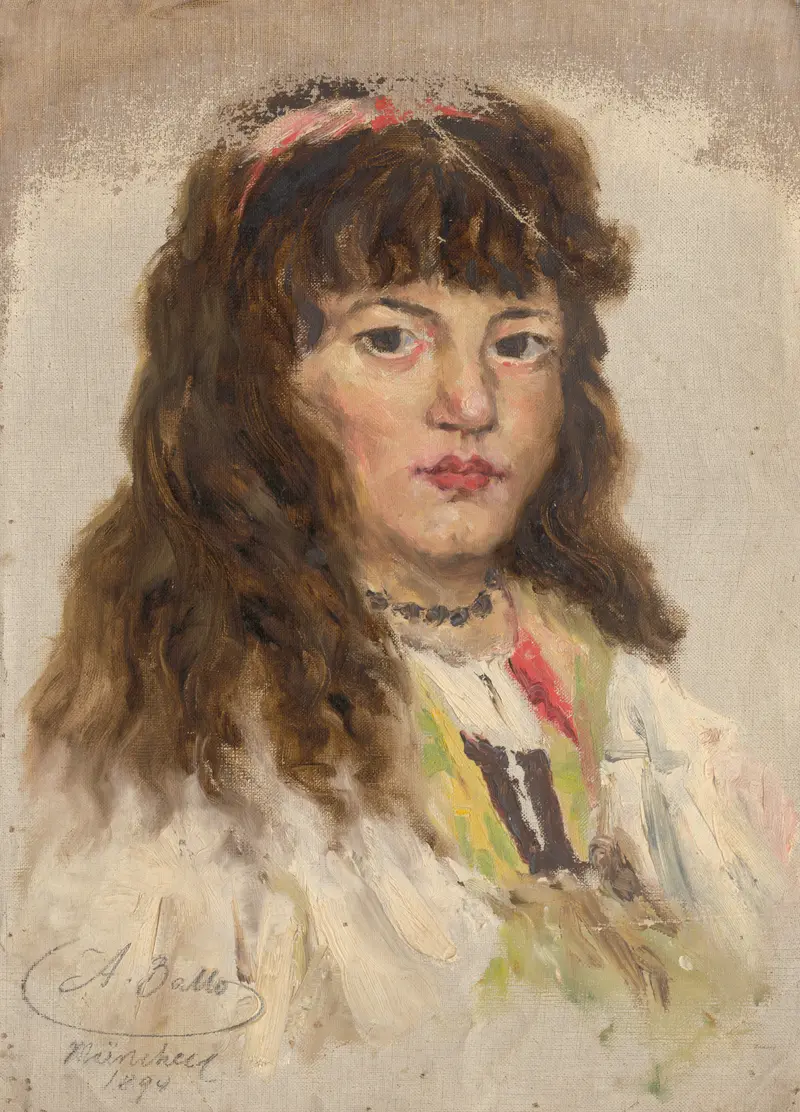
Štúdia ženskej hlavy s dlhými vlasmi O 421 Slovak National Gallery
Aurel Ballo
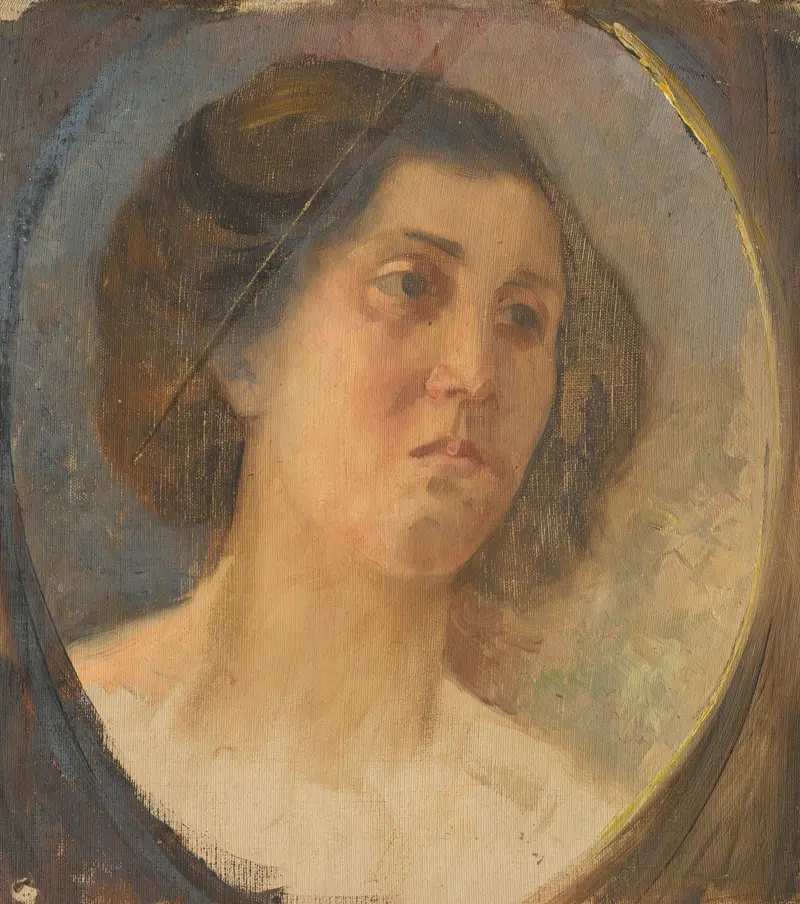
Štúdia ženskej hlavy O 418 Slovak National Gallery
Aurel Ballo
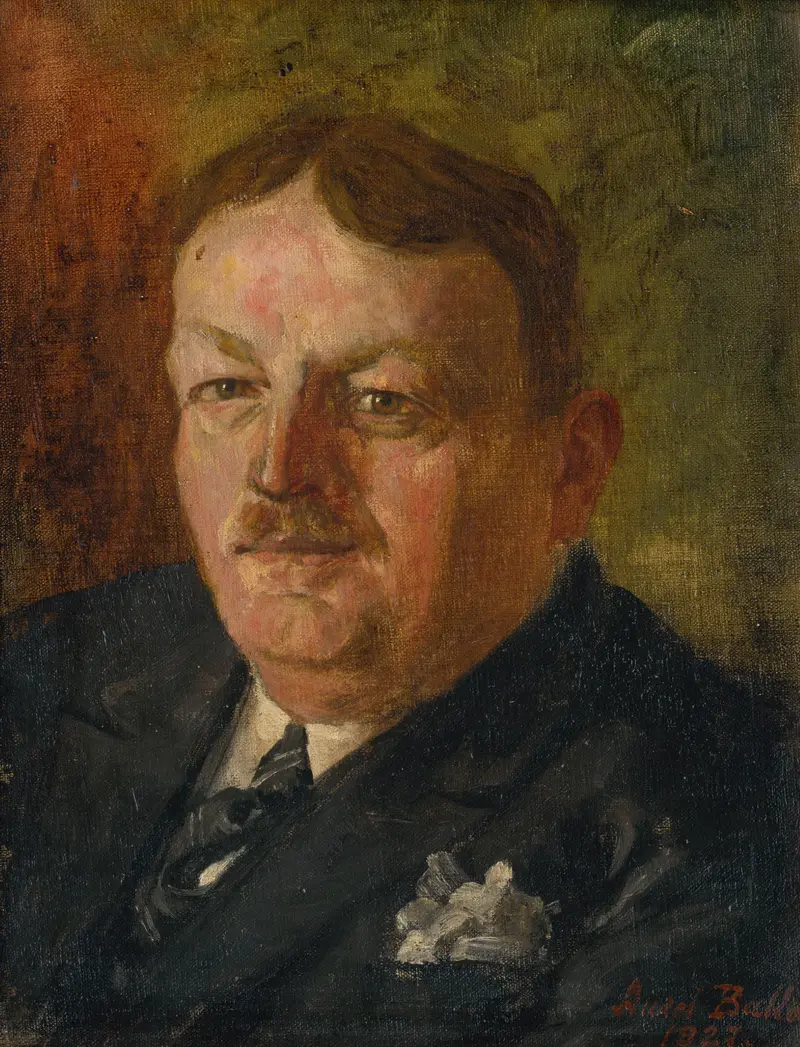
Portrét Pavla Gallu O 5107 Slovak National Gallery
Aurel Ballo
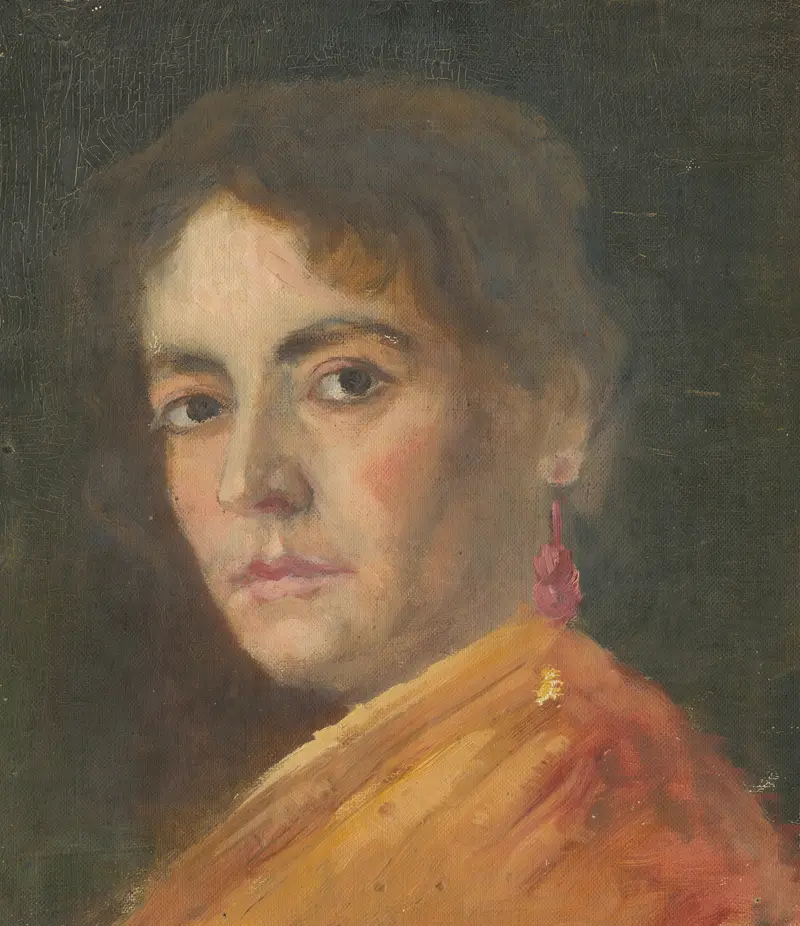
Head Study of a Woman with an Earring
Aurel Ballo