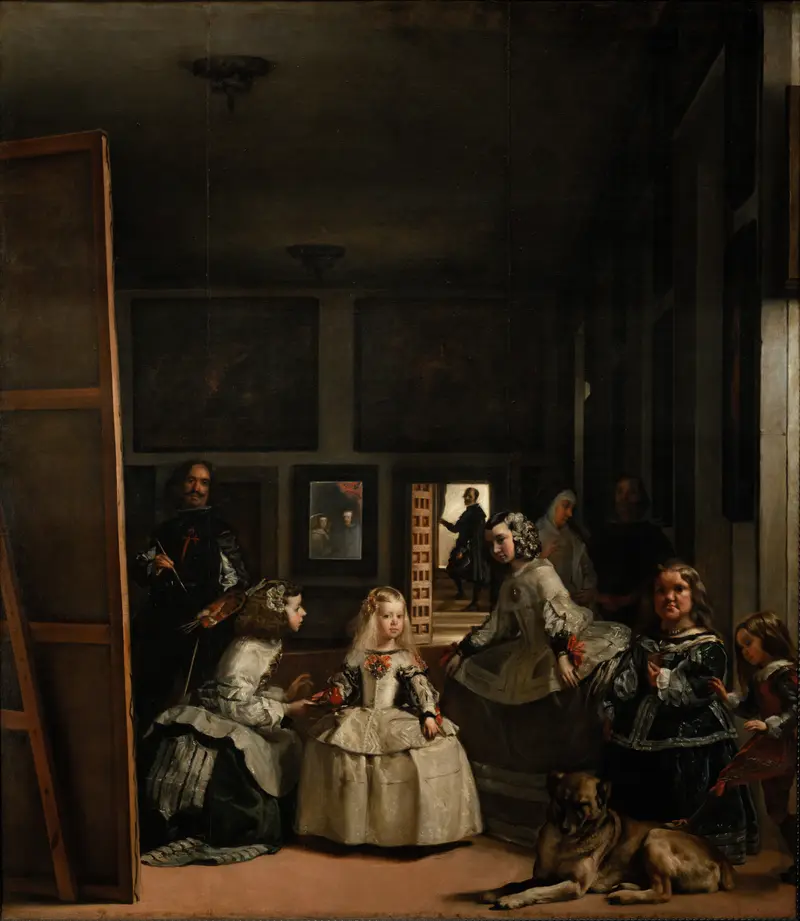
Štúdia ženskej hlavy v trištvrťovom profile O 424 Slovak National Gallery — History & Facts
What first draws the eye in Štúdia ženskej hlavy v trištvrťovom profile O 424 is the searching gaze of the sitter, her head turned slightly, eyes lifted as if caught by a sudden thought or distant sound. The unfinished edges and visible weave of the canvas remind us that this is a study—a moment of observation and practice, not a polished commission. The painter’s brushwork is quick and direct, especially in the flushed cheeks and the tousled hair, which seem to pulse with life.
The red of her vest, set against the dark jacket, pulls the viewer’s attention to her chest and face, suggesting warmth and a certain rural dignity. Every detail, from the loosely tied scarf at her neck to the uneven application of paint, speaks of immediacy and presence. Created in 1890, this work belongs to a period when artists across Central Europe were turning to the people around them—neighbors, relatives, local models—for inspiration, capturing them in studies that were as much about technique as about character. Such portraits were often painted for academic practice or as preparatory works for larger compositions, and rarely left the studio walls.
Today, the Slovak National Gallery preserves this study, a fragment of artistic process and a testament to the everyday faces that shaped the art of the era. The unfinished quality invites us to linger, to imagine the conversation between artist and sitter, and to wonder what stories might have unfolded beyond the frame.
More Artworks by Aurel Ballo

Náčrt krajiny s mostom O 425 Slovak National Gallery
Aurel Ballo
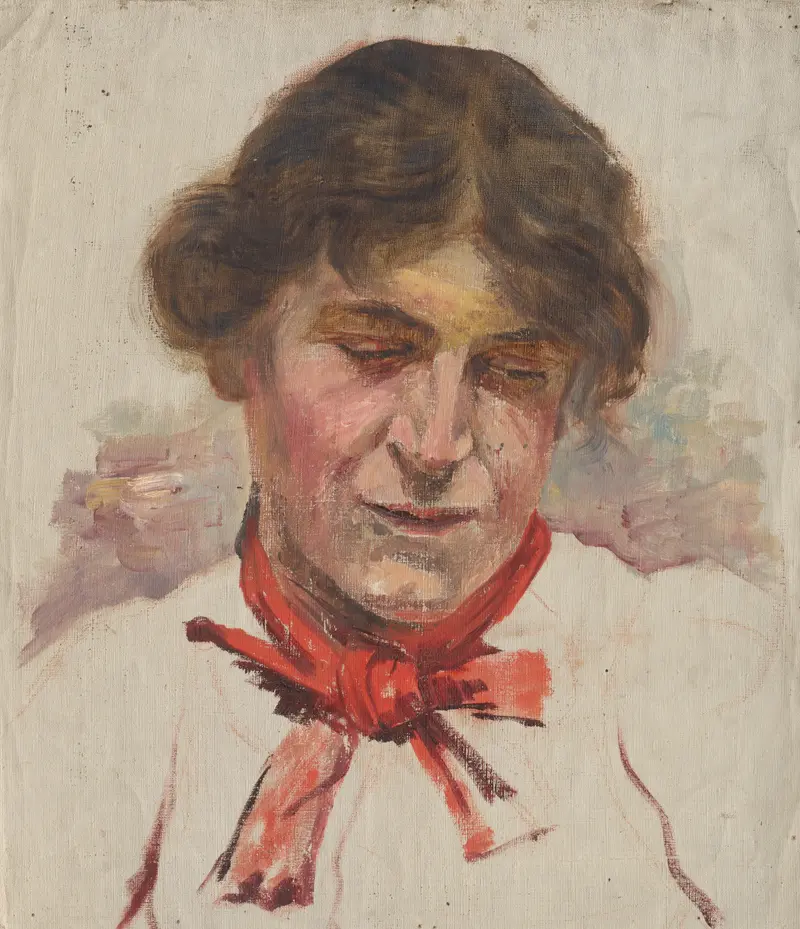
Štúdia ženskej hlavy s červenou mašľou O 416 Slovak National Gallery
Aurel Ballo
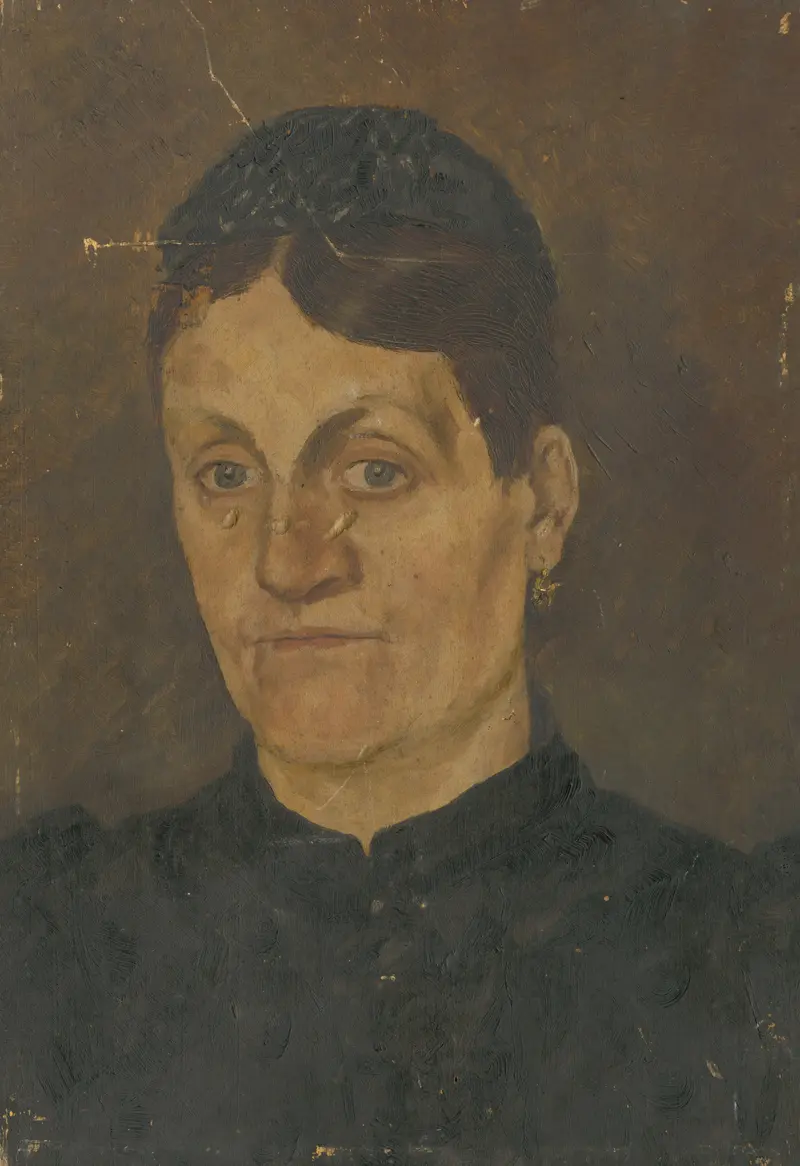
Podobizeň Zuzany Ballovej. Portrét chlapca Štefana Žuffu O 2896 Slovak National Gallery
Aurel Ballo
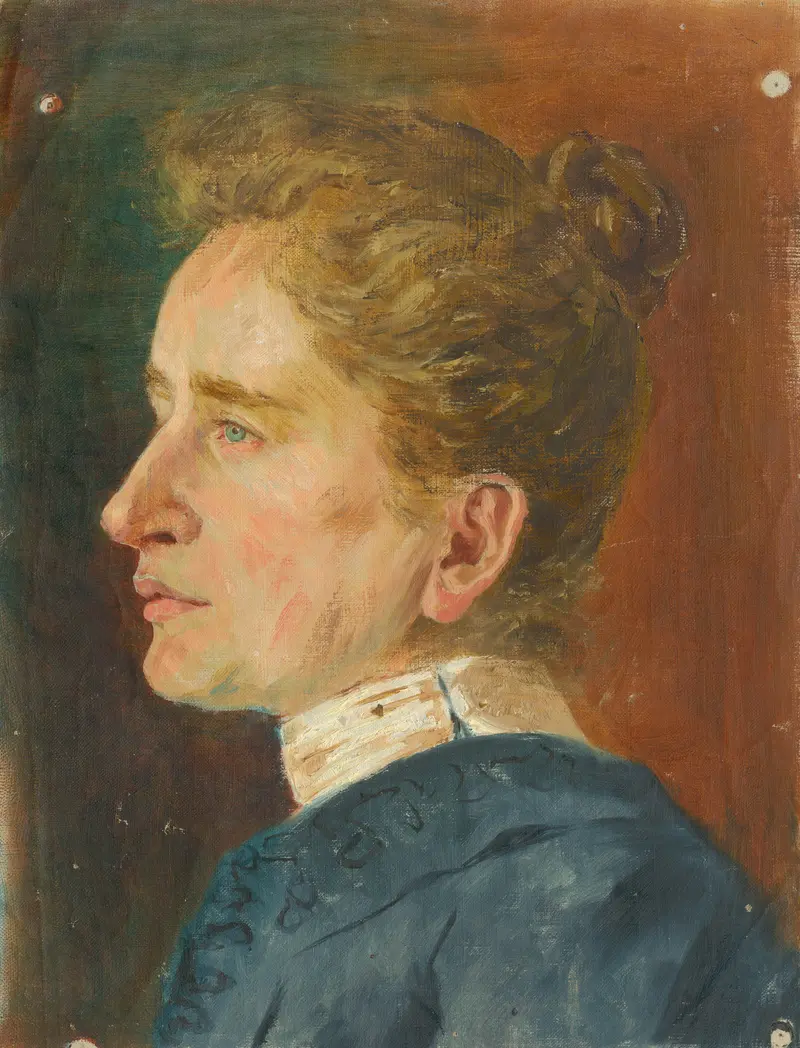
Štúdia hlavy staršej ženy v profile O 419 Slovak National Gallery
Aurel Ballo
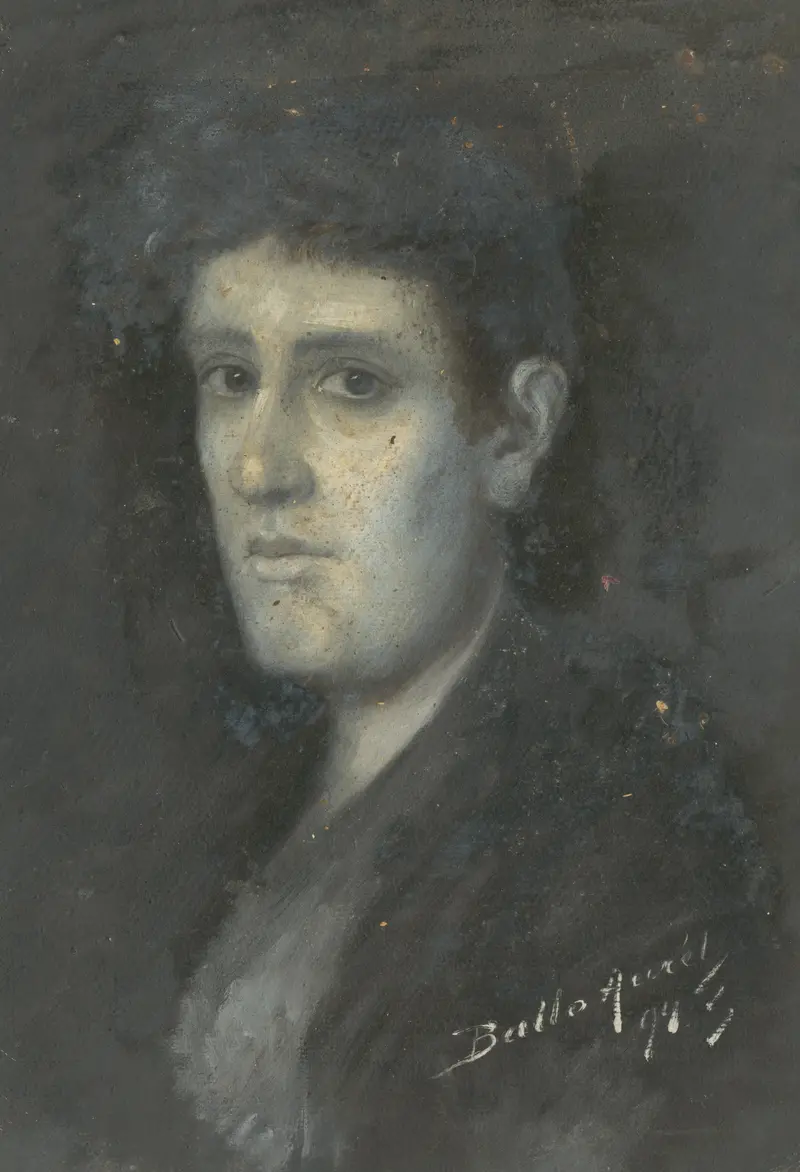
Štúdia hlavy ženy v tmavom O 426 Slovak National Gallery
Aurel Ballo
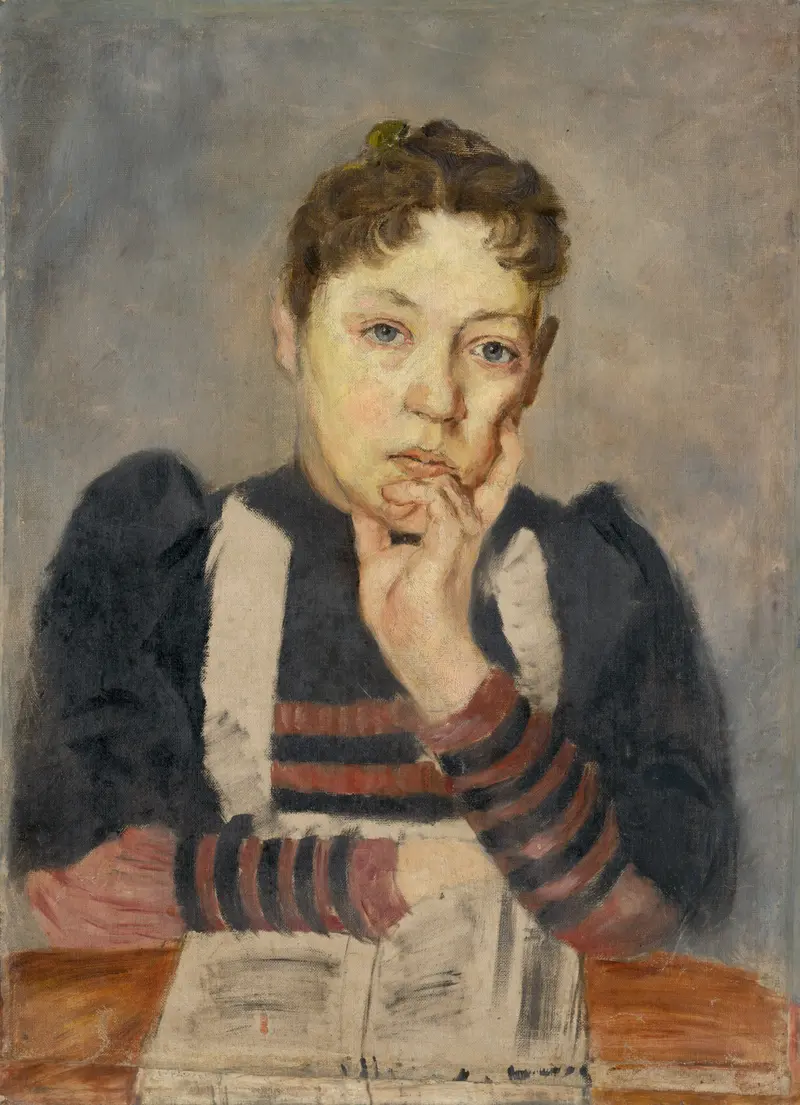
Štúdia ženy s podopretou rukou O 422 Slovak National Gallery
Aurel Ballo
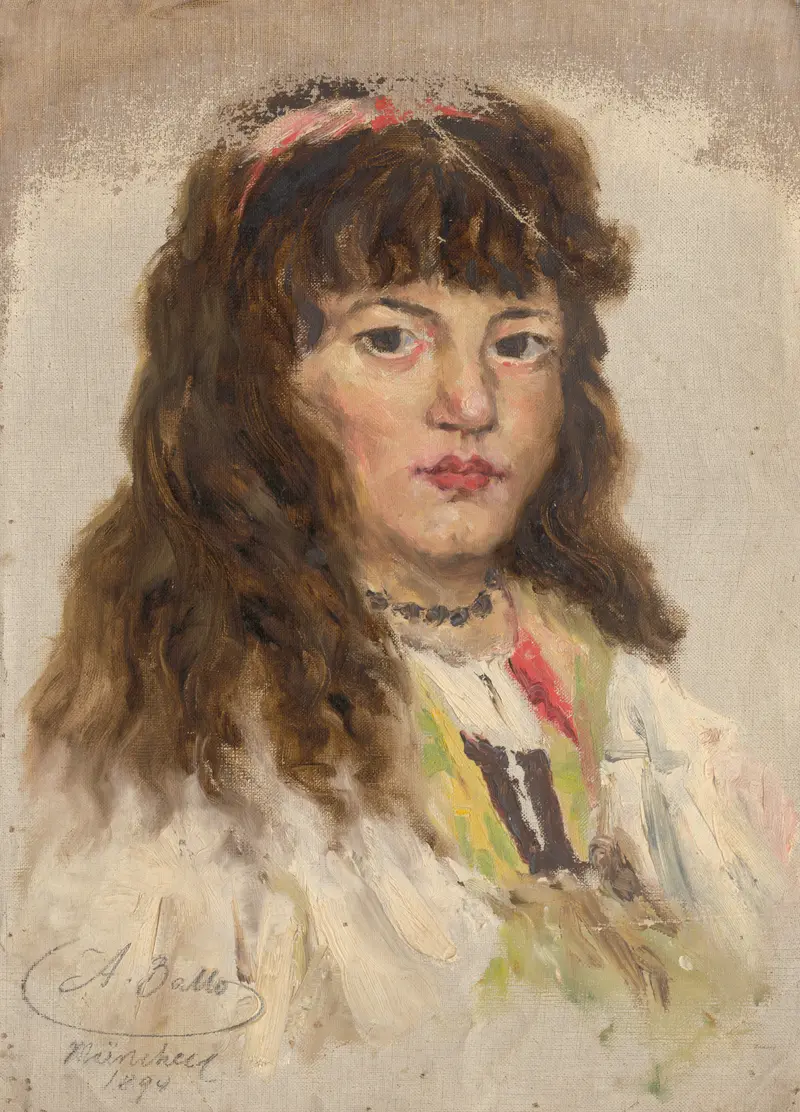
Štúdia ženskej hlavy s dlhými vlasmi O 421 Slovak National Gallery
Aurel Ballo
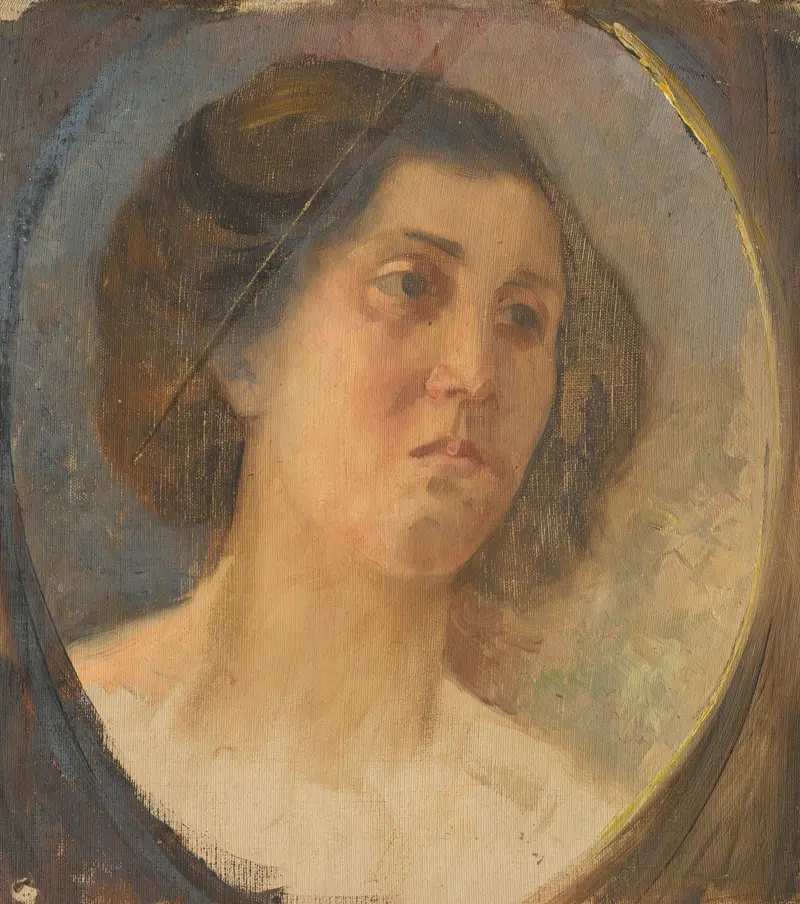
Štúdia ženskej hlavy O 418 Slovak National Gallery
Aurel Ballo
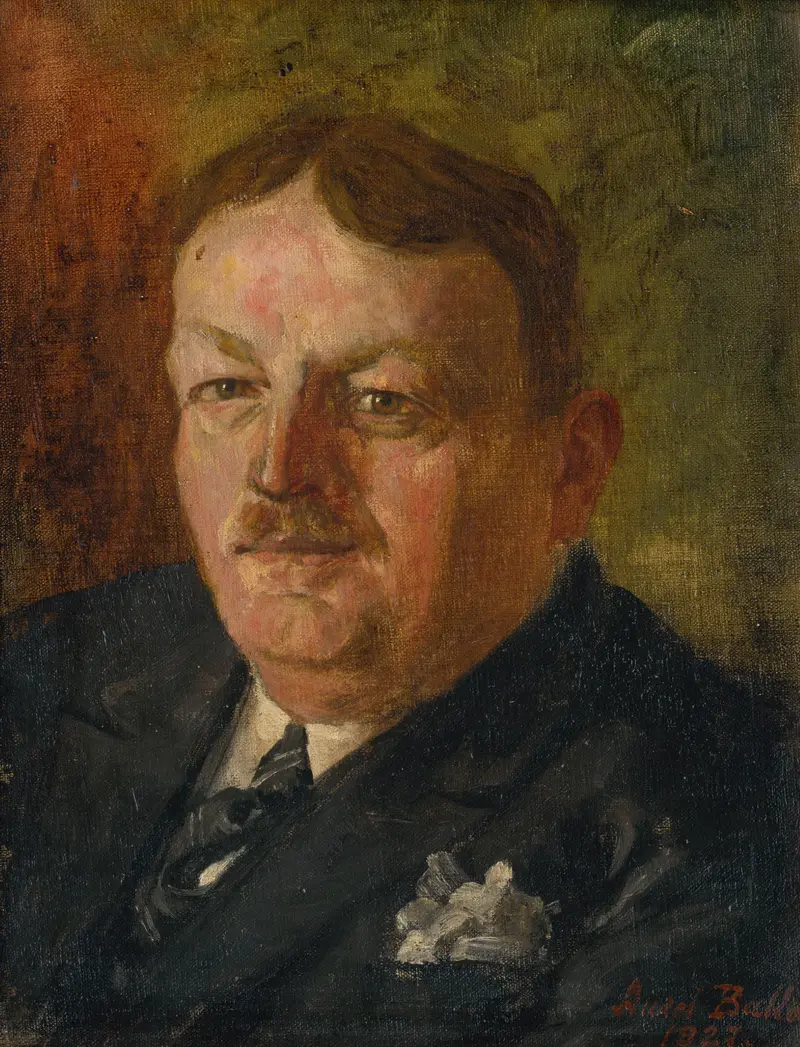
Portrét Pavla Gallu O 5107 Slovak National Gallery
Aurel Ballo
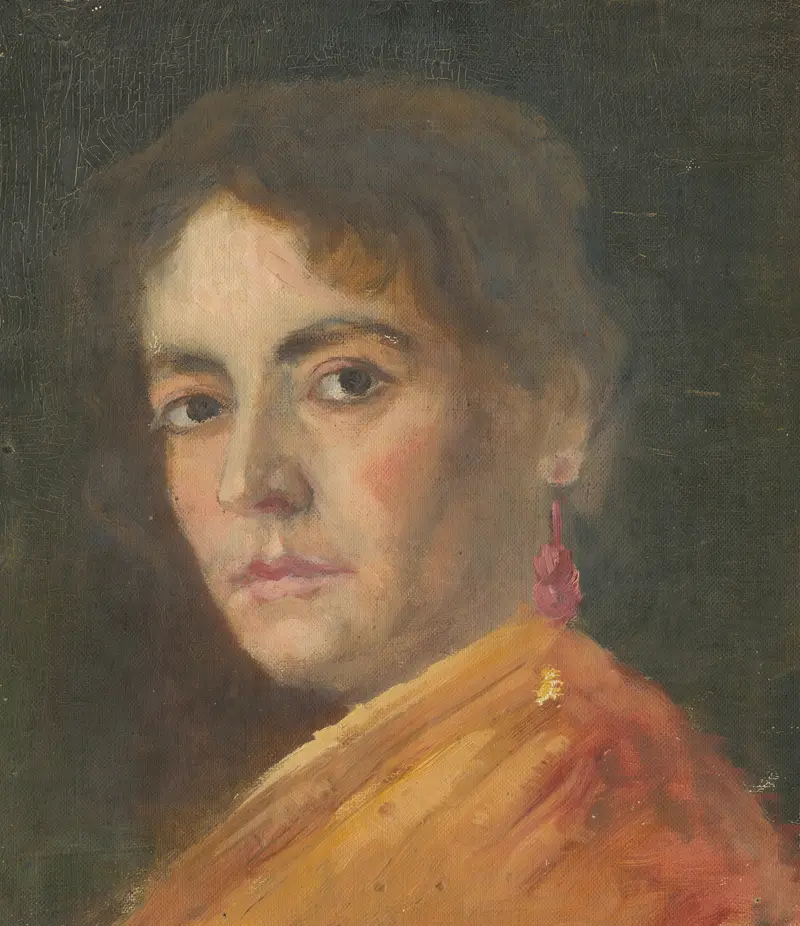
Head Study of a Woman with an Earring
Aurel Ballo