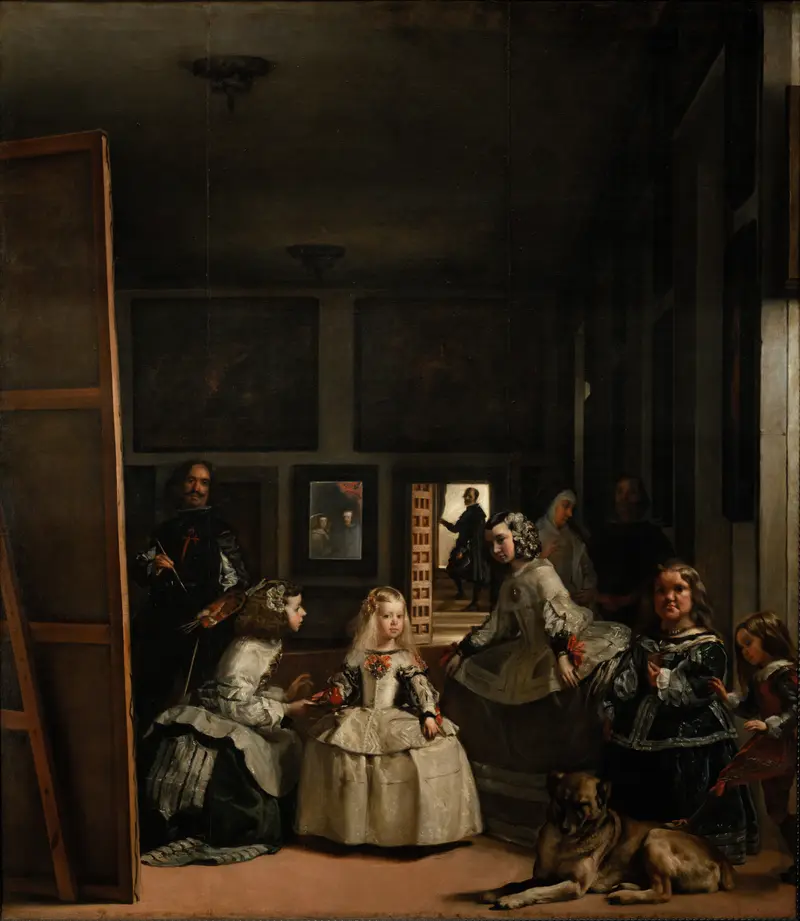
Štúdia ženskej hlavy s dlhými vlasmi O 421 Slovak National Gallery — History & Facts
What first catches the eye in Štúdia ženskej hlavy s dlhými vlasmi O 421 is the direct, almost challenging gaze of the sitter, her features rendered with swift, confident strokes that leave the raw linen visible at the edges. The artist, Aurel Ballo, chooses not to smooth away the marks of his process; instead, he lets the unfinished background and the loose handling of the hair frame a face that is alive with individuality. The thick, dark waves of hair, the slight flush in the cheeks, and the suggestion of a red ribbon or headband all work together to create the impression of a fleeting moment—caught, but not tamed.
The choker at her neck and the hints of folk costume in her clothing root her in a particular time and place, while her expression seems to resist easy interpretation. Painted in 1894, this study belongs to a period when artists across Central Europe were turning their attention to local subjects and everyday people, often in response to the rising tide of national consciousness. Portrait studies such as this were rarely grand commissions; instead, they served as exercises in observation, or as tributes to the beauty and complexity of ordinary life. Aurel Ballo’s work now resides in the Slovak National Gallery, a quiet testament to a moment in art history when the boundaries between study and finished portrait, between individual and type, were being redrawn.
In the unfinished edges and the searching brushwork, the viewer is invited to imagine both the artist’s hand at work and the world this young woman inhabited.
More Artworks by Aurel Ballo

Náčrt krajiny s mostom O 425 Slovak National Gallery
Aurel Ballo
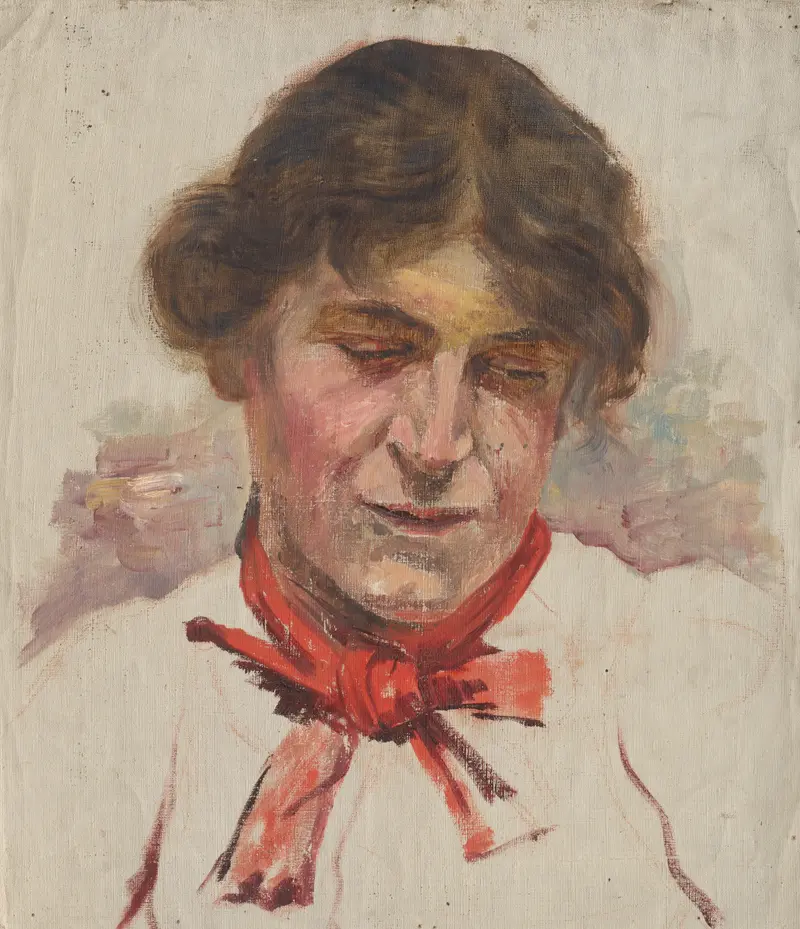
Štúdia ženskej hlavy s červenou mašľou O 416 Slovak National Gallery
Aurel Ballo
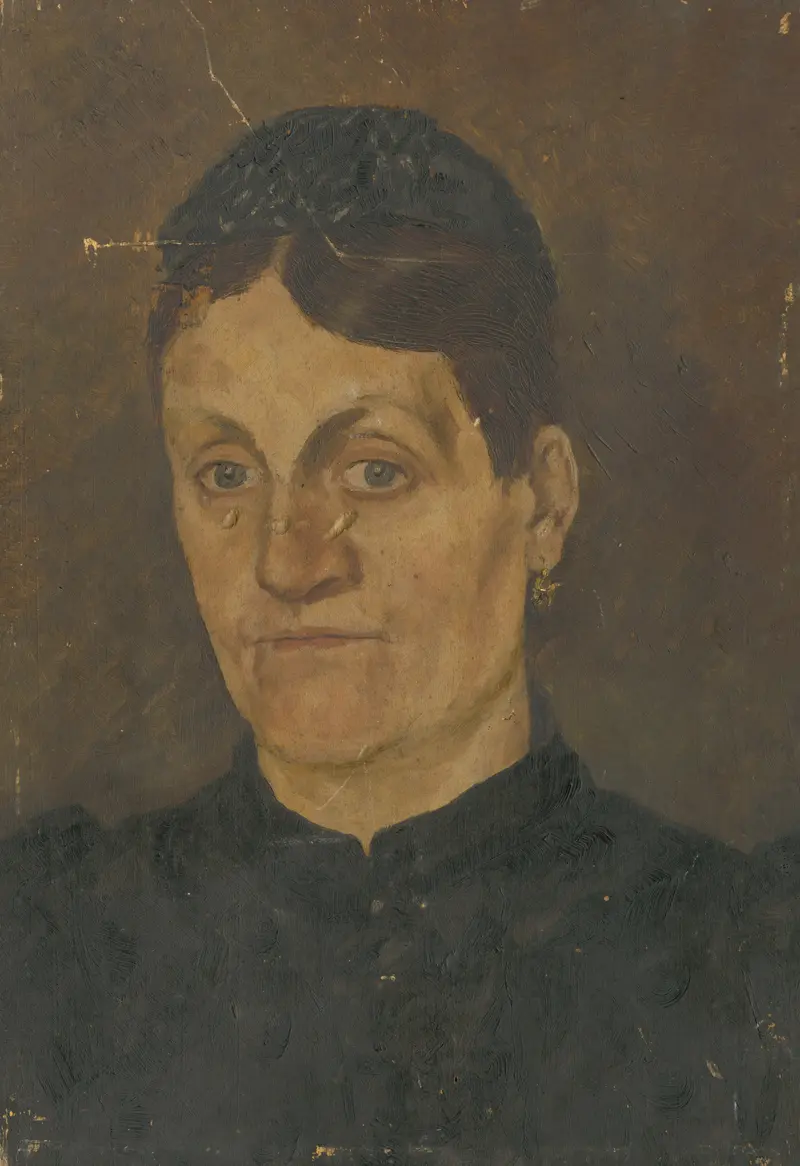
Podobizeň Zuzany Ballovej. Portrét chlapca Štefana Žuffu O 2896 Slovak National Gallery
Aurel Ballo
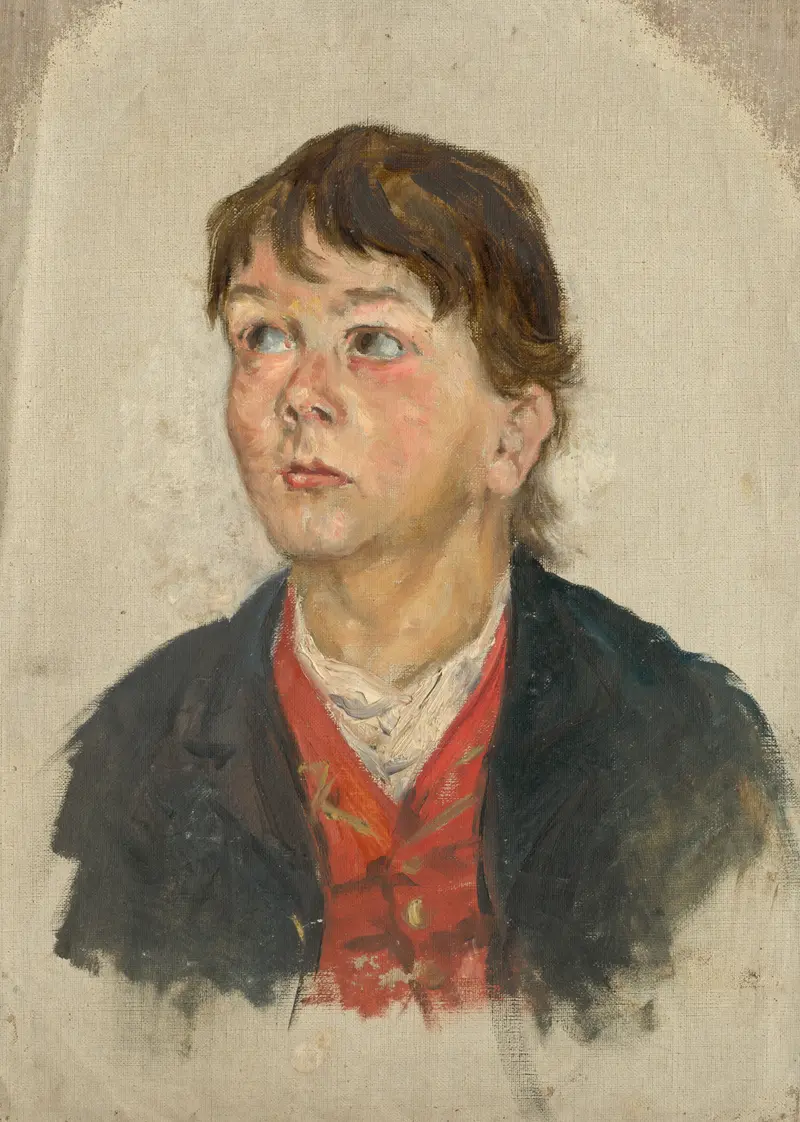
Štúdia ženskej hlavy v trištvrťovom profile O 424 Slovak National Gallery
Aurel Ballo
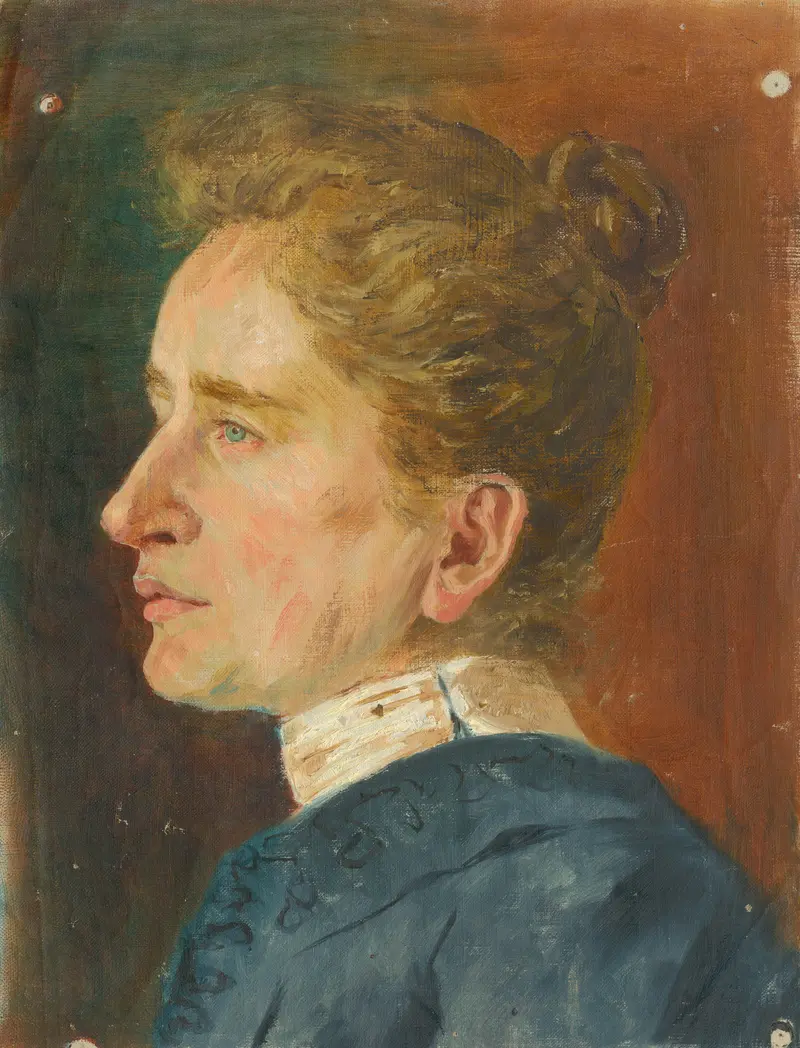
Štúdia hlavy staršej ženy v profile O 419 Slovak National Gallery
Aurel Ballo
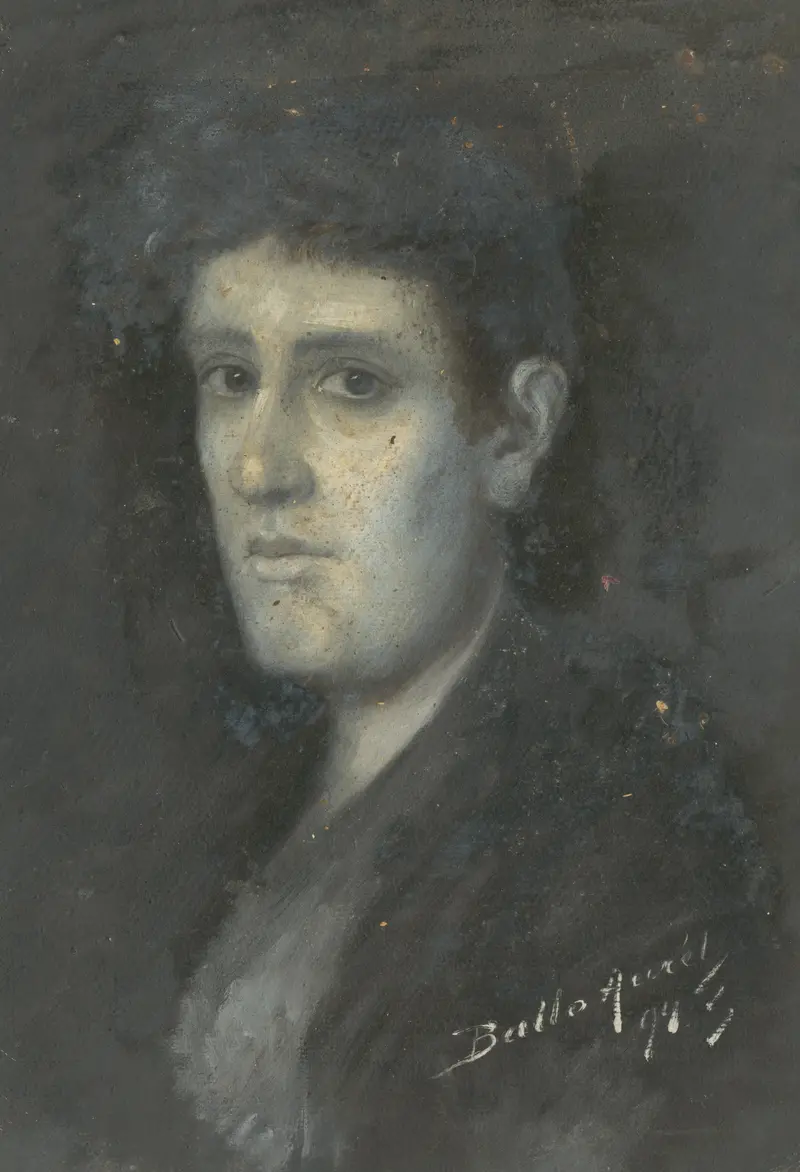
Štúdia hlavy ženy v tmavom O 426 Slovak National Gallery
Aurel Ballo
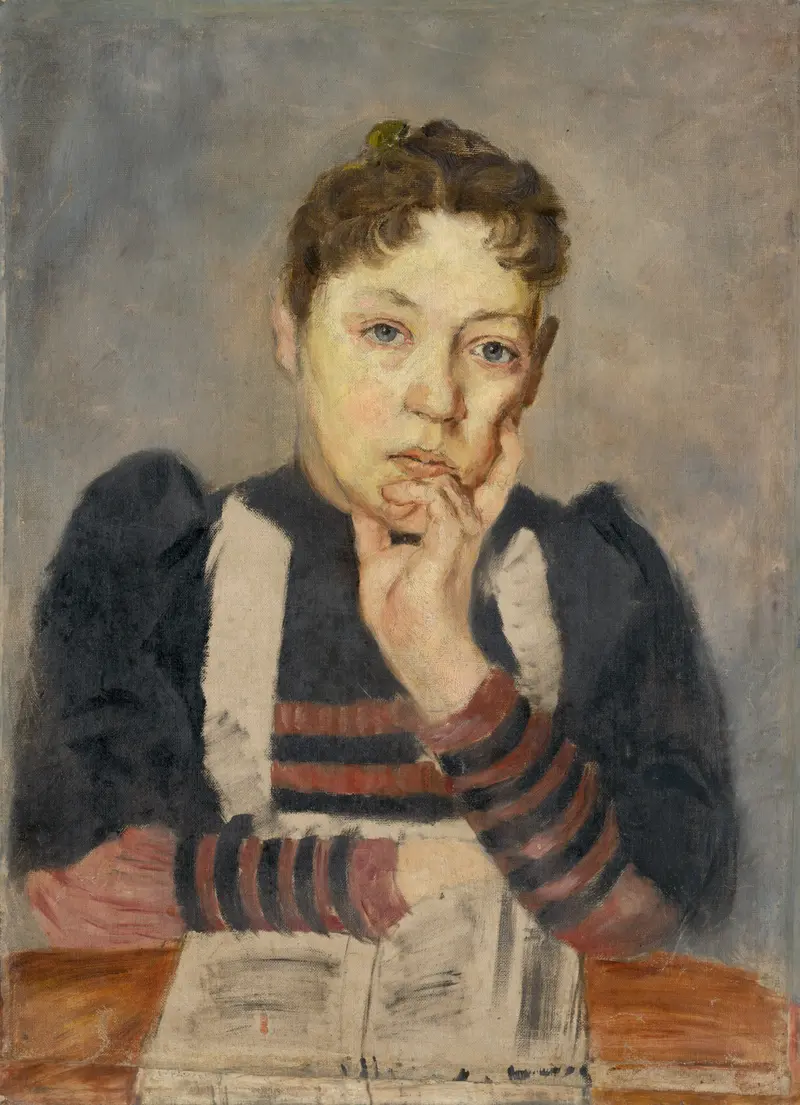
Štúdia ženy s podopretou rukou O 422 Slovak National Gallery
Aurel Ballo
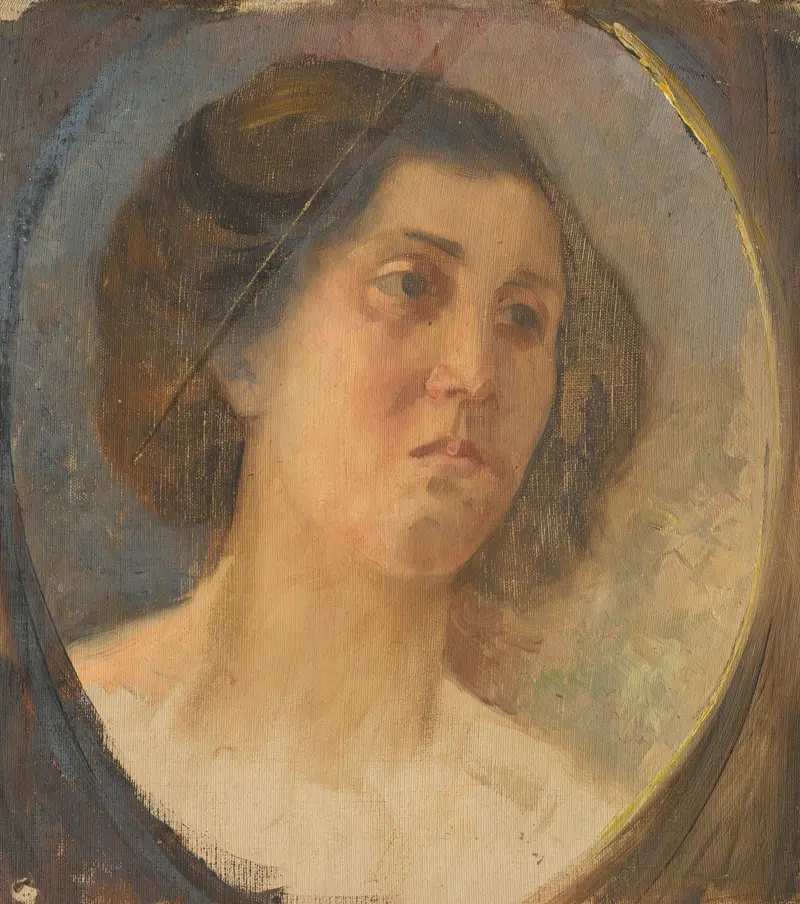
Štúdia ženskej hlavy O 418 Slovak National Gallery
Aurel Ballo
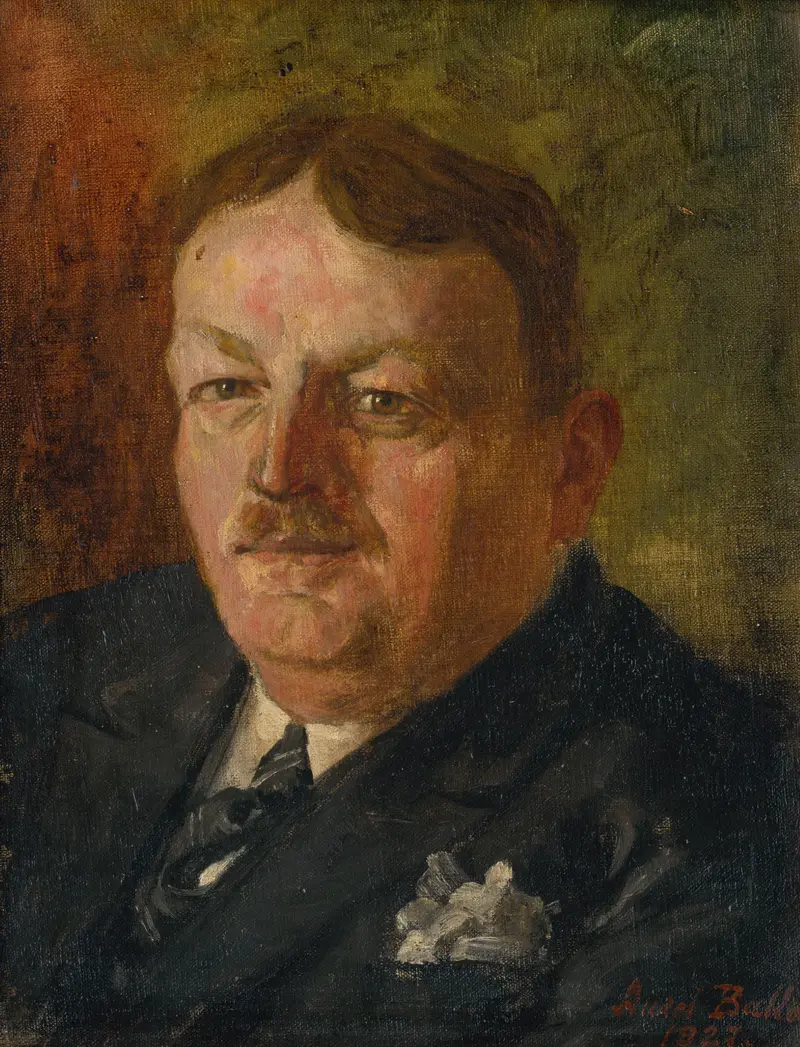
Portrét Pavla Gallu O 5107 Slovak National Gallery
Aurel Ballo
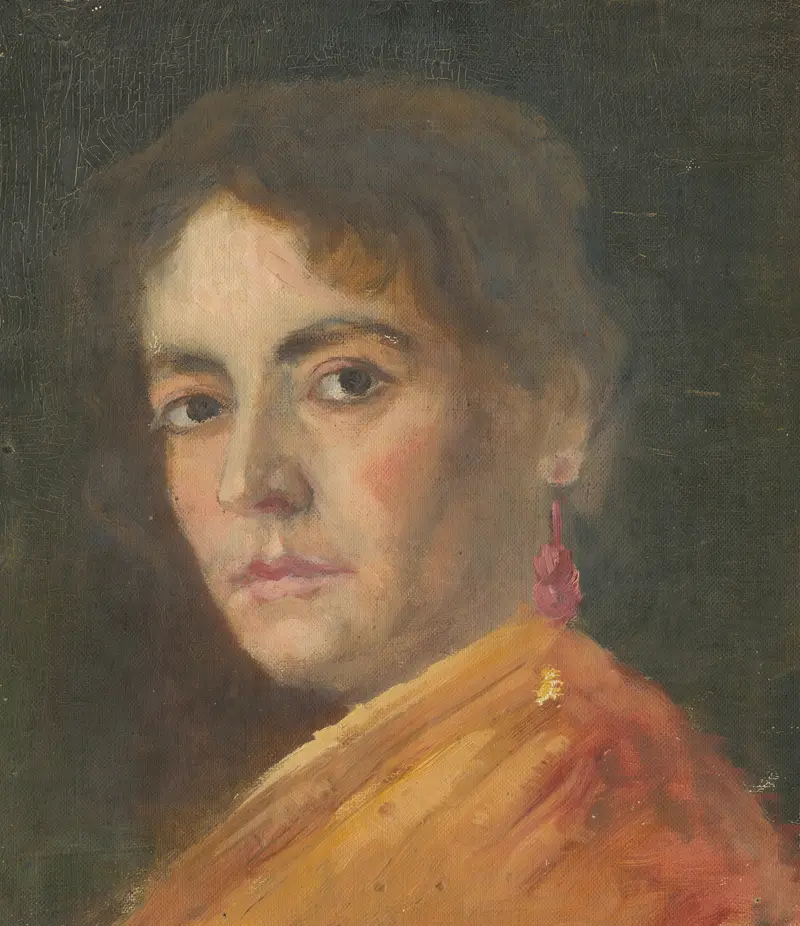
Head Study of a Woman with an Earring
Aurel Ballo