
Studies for Jesus among the Doctors — History & Facts
Few works offer such a privileged glimpse into the working mind of Jean Auguste Dominique Ingres as Studies for Jesus among the Doctors. Unlike finished paintings, these preparatory sketches reveal the artist’s restless search for the perfect arrangement, gesture, and expression. Ingres returned again and again to the story of the young Jesus in the Temple, producing numerous studies over many years as he refined his vision.
This process was so central to his practice that the French critic Théophile Silvestre once remarked, “Ingres draws as others breathe.” The very existence of these studies is a testament to Ingres’s belief that drawing was the foundation of all painting. The scene Ingres explores is drawn from the Gospel of Luke: at the age of twelve, Jesus is found in the Temple, astonishing the learned doctors with his wisdom. In these studies, the drama is distilled into the moment when the boy, poised and radiant, engages the elders who lean in with a mixture of skepticism and awe. Ingres’s pencil or chalk lines (the exact medium is uncertain) carve out the figures’ searching gazes and expressive hands, each detail a clue to their inner debate.
The young Jesus is often placed at the center, his calm demeanor contrasting with the animated gestures of his listeners—a compositional strategy reminiscent of Leonardo da Vinci’s treatment of Christ in The Last Supper, where the central figure is ringed by dynamic apostles. The precise history of Studies for Jesus among the Doctors remains partly obscured; as with many preparatory works, it was likely kept in the artist’s studio, consulted and reworked as Ingres moved toward his final painting. Such studies rarely entered public collections in the artist’s lifetime, but today they are prized for the insight they offer into his method. These sheets speak to Ingres’s lifelong devotion to draftsmanship and the academic tradition, bridging the Neoclassical ideals he inherited and the personal intensity that set his religious scenes apart.
Whether resting in a museum archive or displayed alongside his finished canvases, they remind us that great art is often born in the quiet persistence of study.
More Artworks by Jean Auguste Dominique Ingres
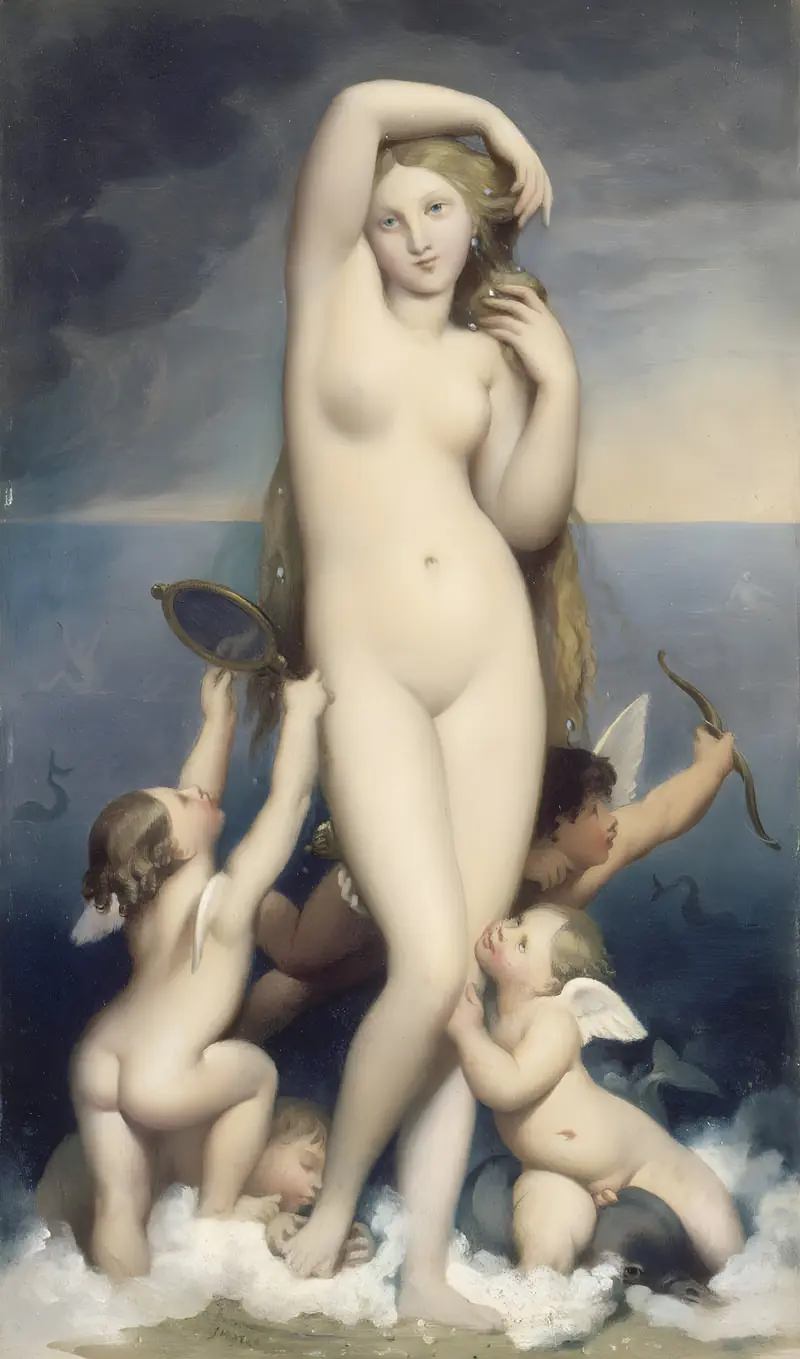
Vénus anadyomène
Jean Auguste Dominique Ingres
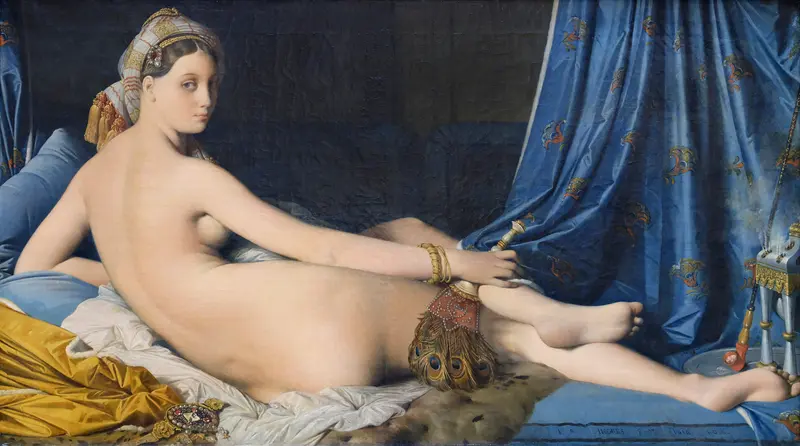
Grande Odalisque
Jean Auguste Dominique Ingres
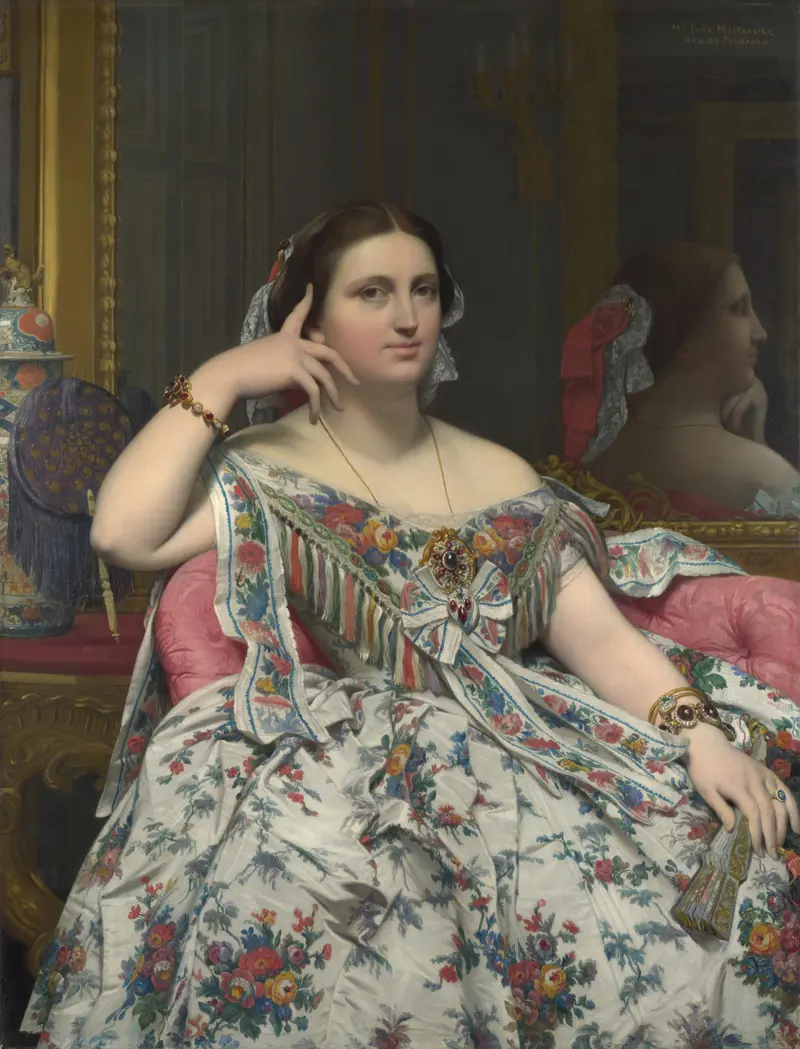
Madame Moitessier (seated)
Jean Auguste Dominique Ingres
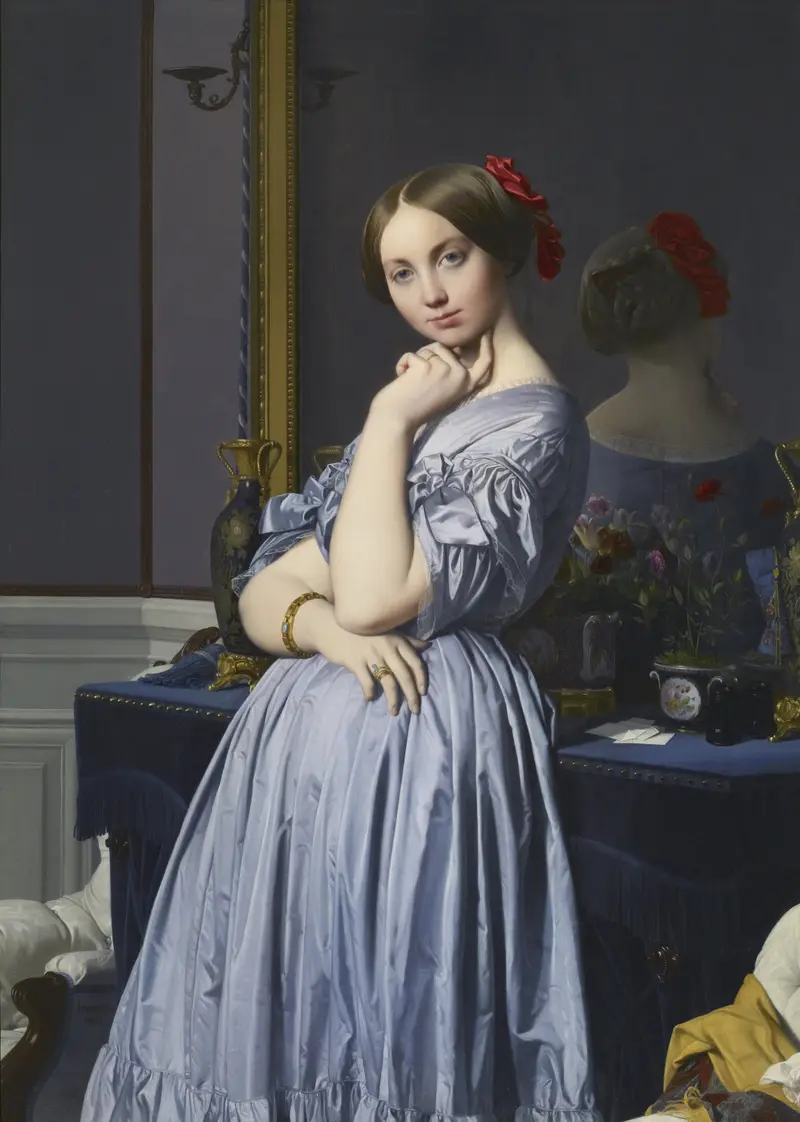
Portrait of Comtesse d’Haussonville
Jean Auguste Dominique Ingres
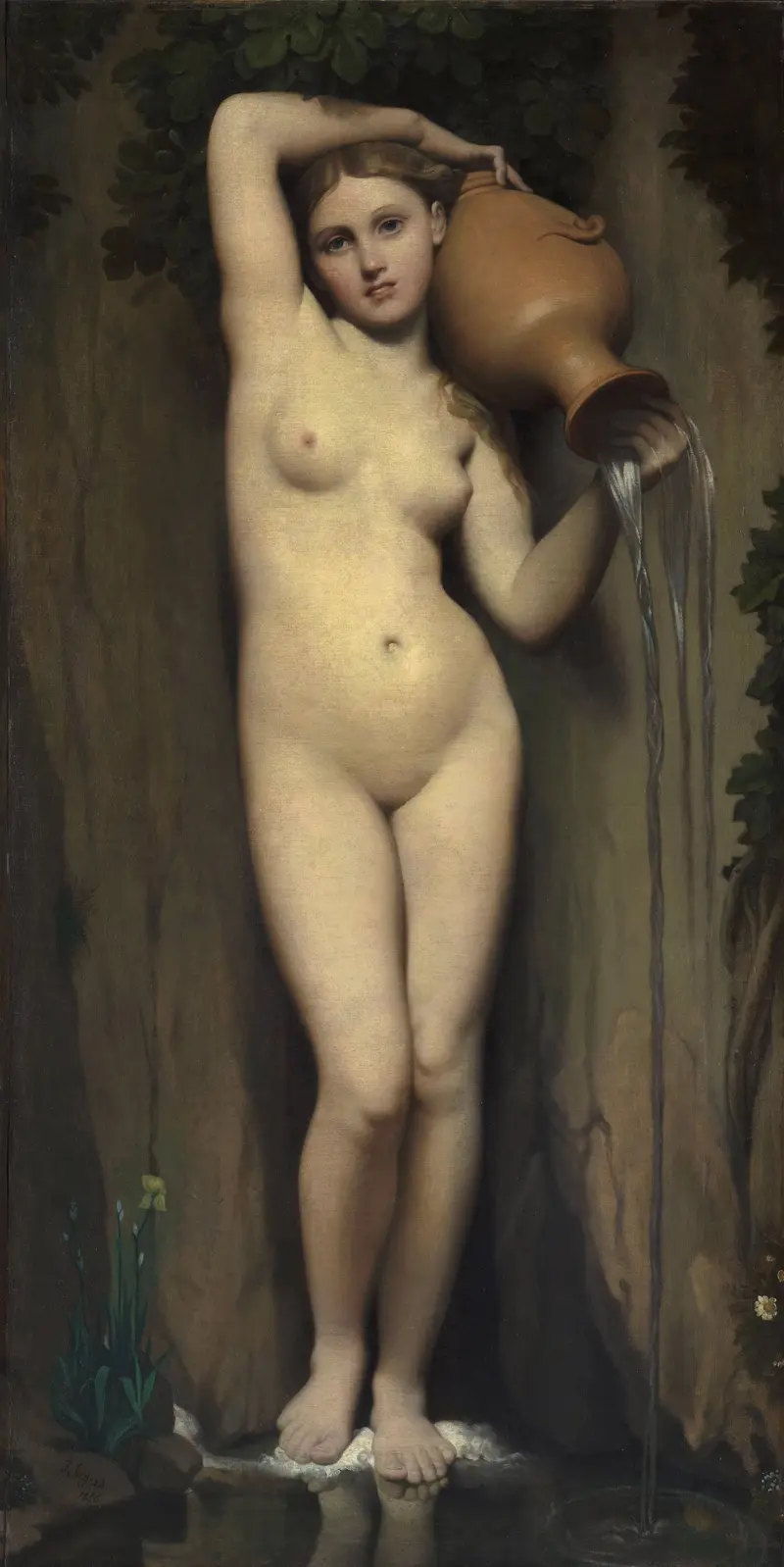
The Source
Jean Auguste Dominique Ingres
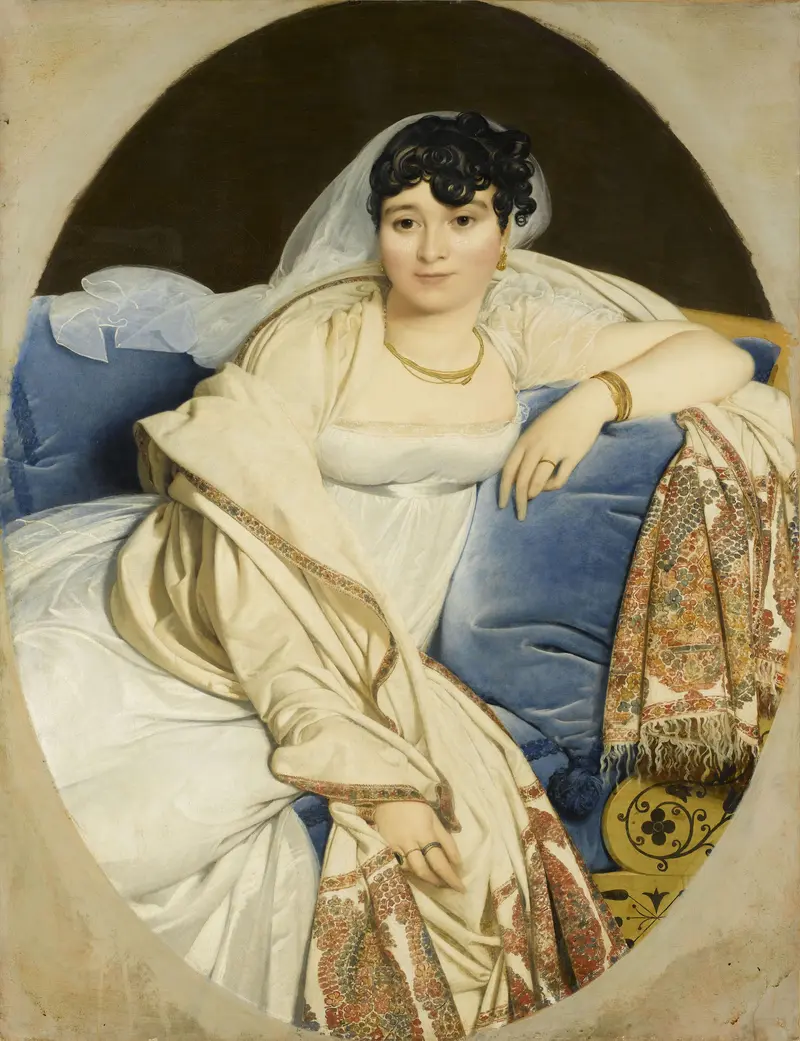
Madame Rivière
Jean Auguste Dominique Ingres

Madame Jean-Auguste-Dominique Ingres, née Madeleine Chapelle
Jean Auguste Dominique Ingres

Portrait of a Lady
Jean Auguste Dominique Ingres
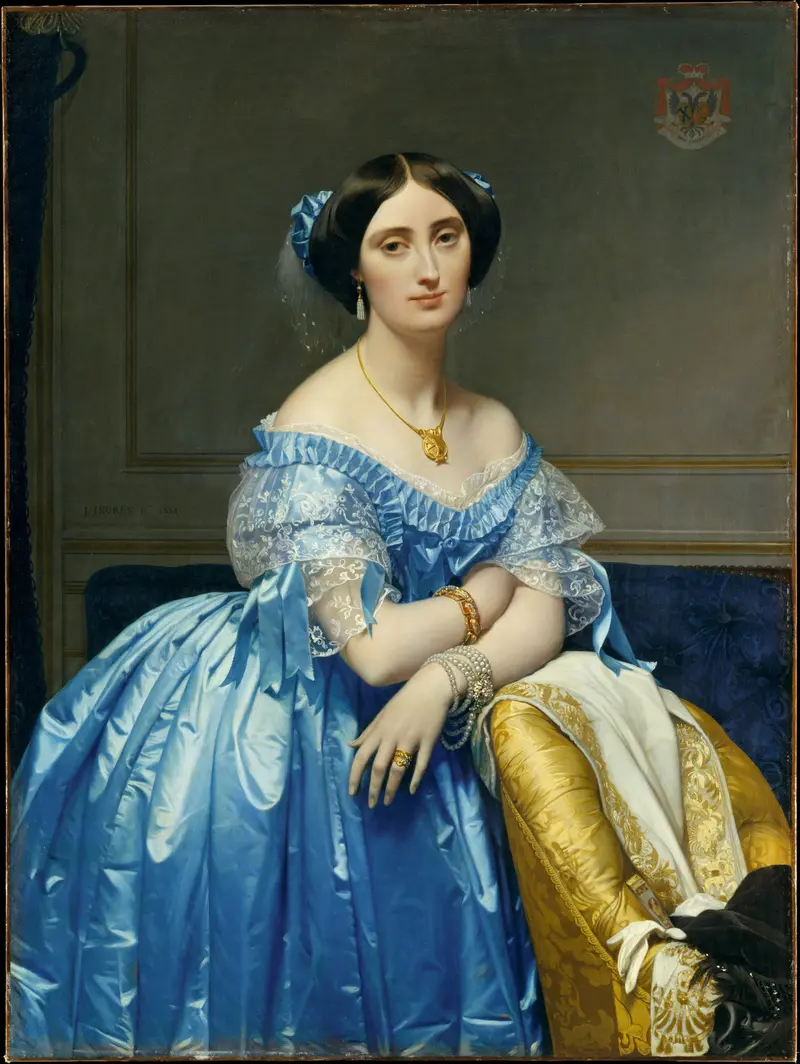
Joséphine-Éléonore-Marie-Pauline de Galard de Brassac de Béarn (1825–1860), Princesse de Broglie
Jean Auguste Dominique Ingres
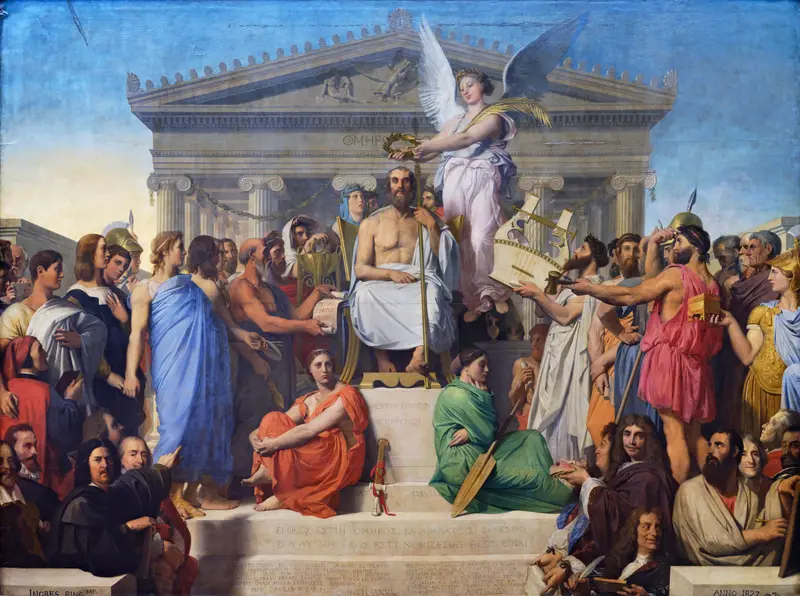
The Apotheosis of Homer
Jean Auguste Dominique Ingres





