Studies of Animal Heads — History & Facts
Can paint confess what words never could? In Studies of Animal Heads, the artist transcends mere representation, allowing the viewer to glimpse the essence of creation itself. Look to the left at the powerful bull's head, its strong brow casting shadows that echo the turbulence of life. Notice how the artist meticulously renders the texture of fur and sinew, each stroke pulsating with vitality. The soft, luminous highlights on the animals’ eyes draw you in, making their presence palpable and striking.
The composition, grounded yet dynamic, invites a deeper contemplation of nature’s raw beauty. As you explore the features of each animal, hidden stories unfold—fear and strength, the innocence of the lamb contrasting with the fierceness of the boar. This interplay reveals a world alive with tension, where livelihood is intertwined with survival. Each head speaks not only of its subject but also of the broader themes of existence and the natural order, creating a dialogue between the artist and the viewer that transcends time. During the years between 1835 and 1840, Thomas Cole painted Studies of Animal Heads while establishing himself as a leading figure in the American Romantic movement.
This period marked a growing fascination with nature and its representation in art, as Cole was responding to both his personal experiences and the changing cultural landscape of America. Emerging from the wild beauty of the Hudson River Valley, he sought to capture the spirit of the land and its inhabitants, cementing his legacy in the art world.
More Artworks by Thomas Cole
Browse all →
View from Mount Holyoke, Northampton, Massachusetts, after a Thunderstorm—The Oxbow
Thomas Cole
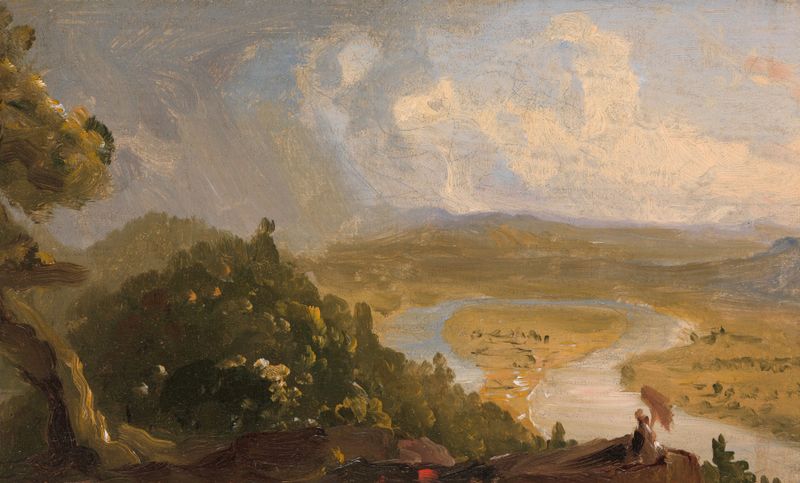
Sketch for View from Mount Holyoke, Northampton, Massachusetts, after a Thunderstorm (The Oxbow)
Thomas Cole
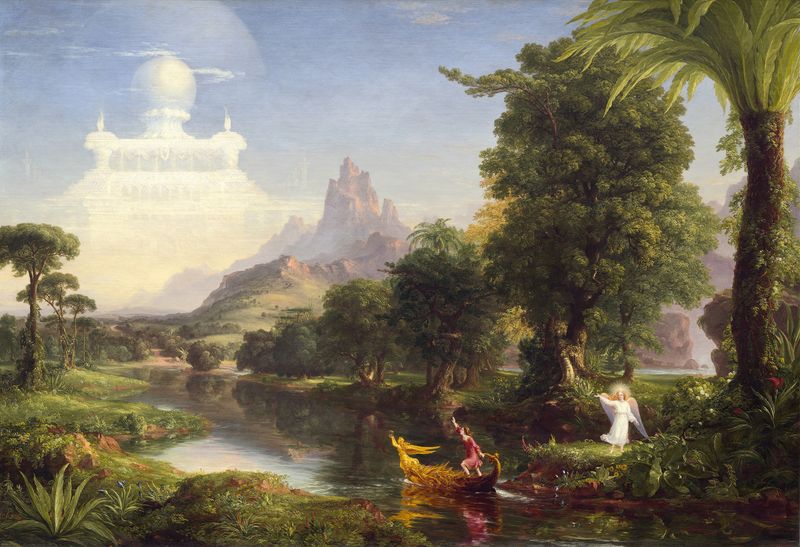
The Voyage of Life – Youth
Thomas Cole
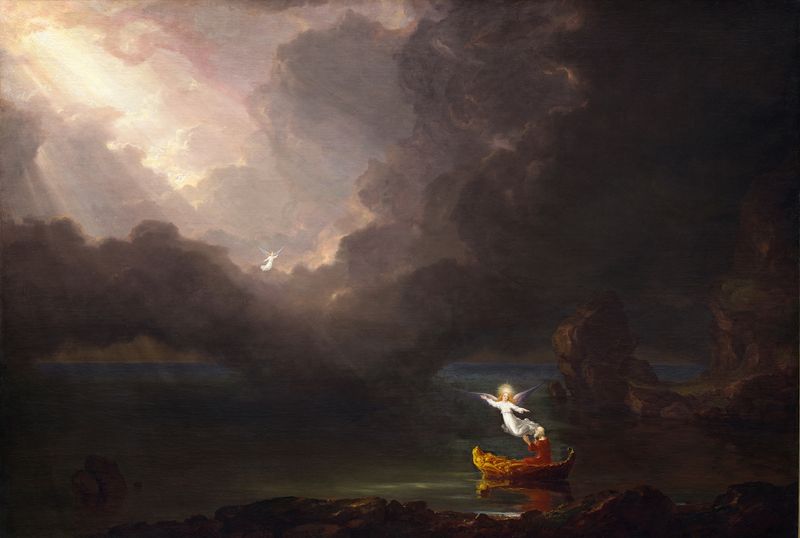
The Voyage of Life – Old Age
Thomas Cole
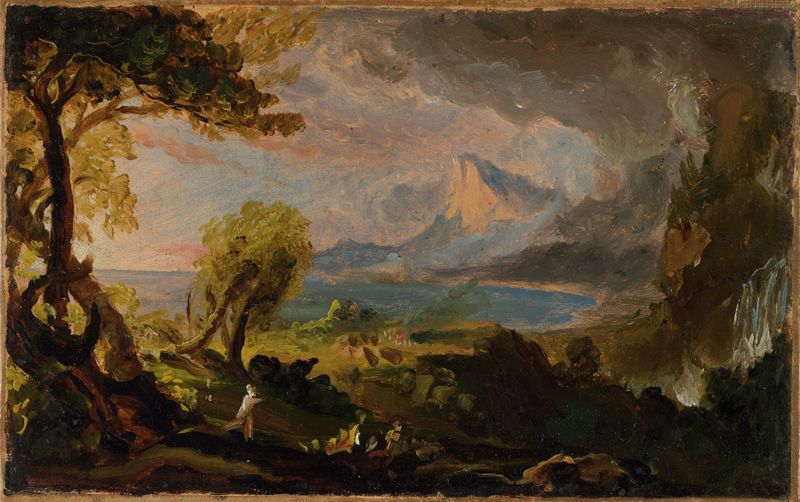
The Course of Empire–The Savage State
Thomas Cole

Landscape
Thomas Cole

New England Scenery
Thomas Cole

Sunrise in the Catskills
Thomas Cole
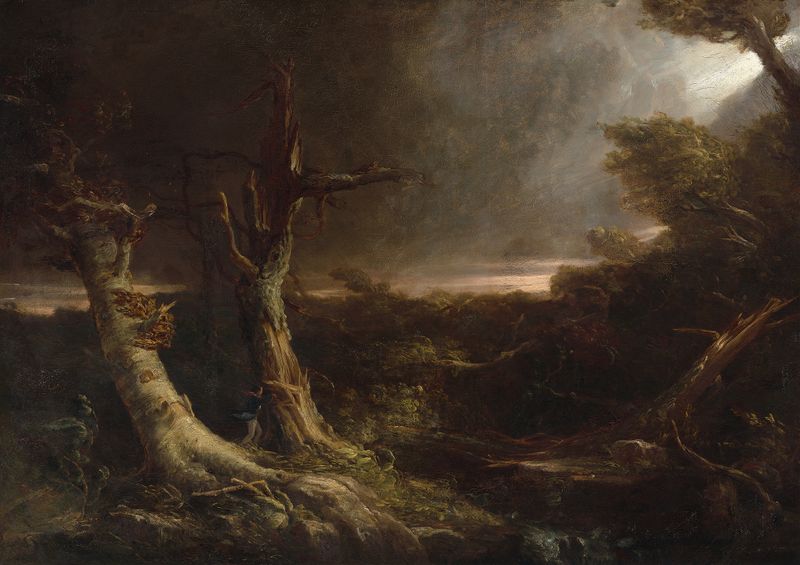
Tornado in an American Forest
Thomas Cole
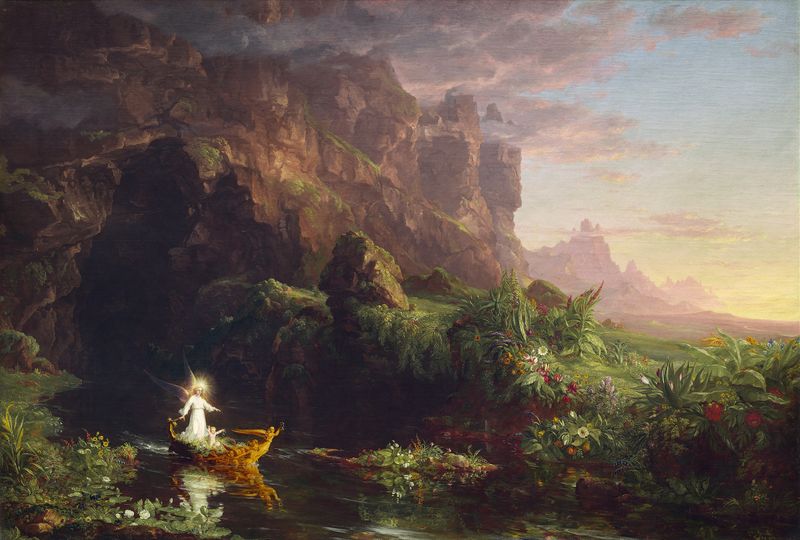
The Voyage of Life – Childhood
Thomas Cole