
Study for a portrait of a man — History & Facts
No one knows for certain who sat for Study for a portrait of a man by Frans Hals, nor even when it was painted, but the brushwork alone has made it a touchstone for scholars seeking to map the evolution of Hals’s style. In the absence of a date or signature, experts have pored over the loose, energetic strokes that seem to anticipate the artist’s later, more famous portraits. The painting’s unfinished quality—perhaps a preparatory study, perhaps a work abandoned—invites speculation: was this a commission that never reached completion, or a private experiment in capturing character? The sitter’s direct gaze and parted lips suggest a moment of conversation or sudden attention, as if Hals has caught him mid-thought.
The rapid, visible brushwork around the collar and face gives a sense of immediacy, while the muted background keeps the focus tightly on the man’s expression. Unlike the formal, posed portraits of Anthony van Dyck, Hals here pursues something more fleeting and intimate: the flicker of personality rather than the trappings of status. The light falls from the left, illuminating one cheek and casting the other in shadow, heightening the sense of a living presence emerging from the canvas. The history of Study for a portrait of a man is as shadowy as its subject.
Without a documented patron or clear provenance, it has moved through private collections, sometimes attributed to followers or imitators before consensus settled on Hals himself. Works like this, with their unfinished surfaces and lack of identifying marks, challenge curators and connoisseurs to distinguish the hand of the master from that of his workshop. Today, it stands as a testament to the restless experimentation of Frans Hals, whose reputation as one of the great portraitists of the Dutch Golden Age rests as much on these searching studies as on his completed commissions.
More Artworks by Frans Hals

Banquet of the Officers of the St George Civic Guard
Frans Hals

Portrait of Jacob Pietersz Olycan (1596-1638)
Frans Hals
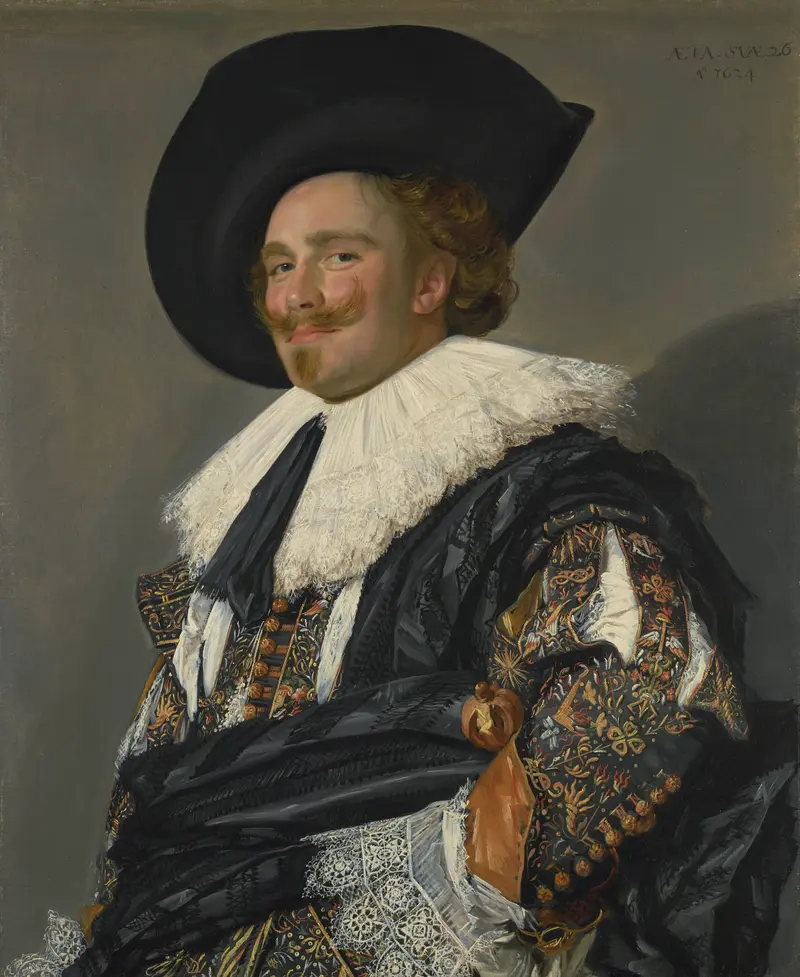
Laughing Cavalier
Frans Hals

Militia Company of District XI under the Command of Captain Reynier Reael, Known as ‘The Meagre Company’
Frans Hals
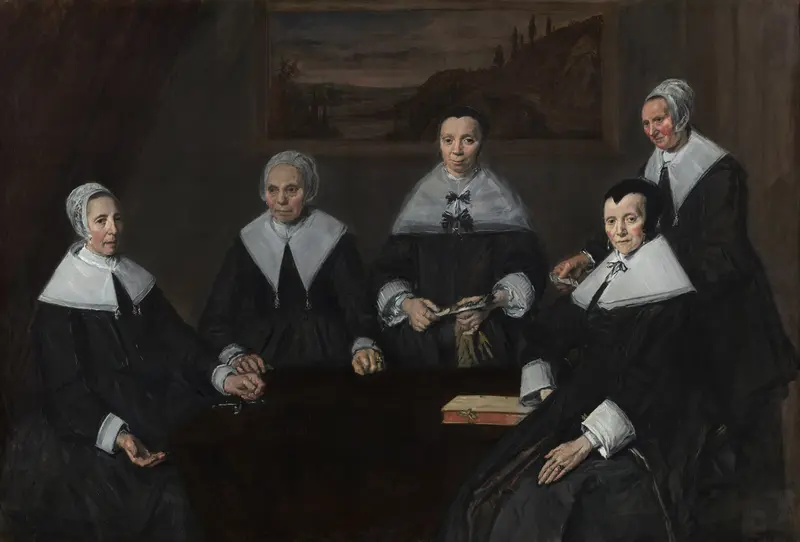
Regentesses of the Old Men's Alms House
Frans Hals
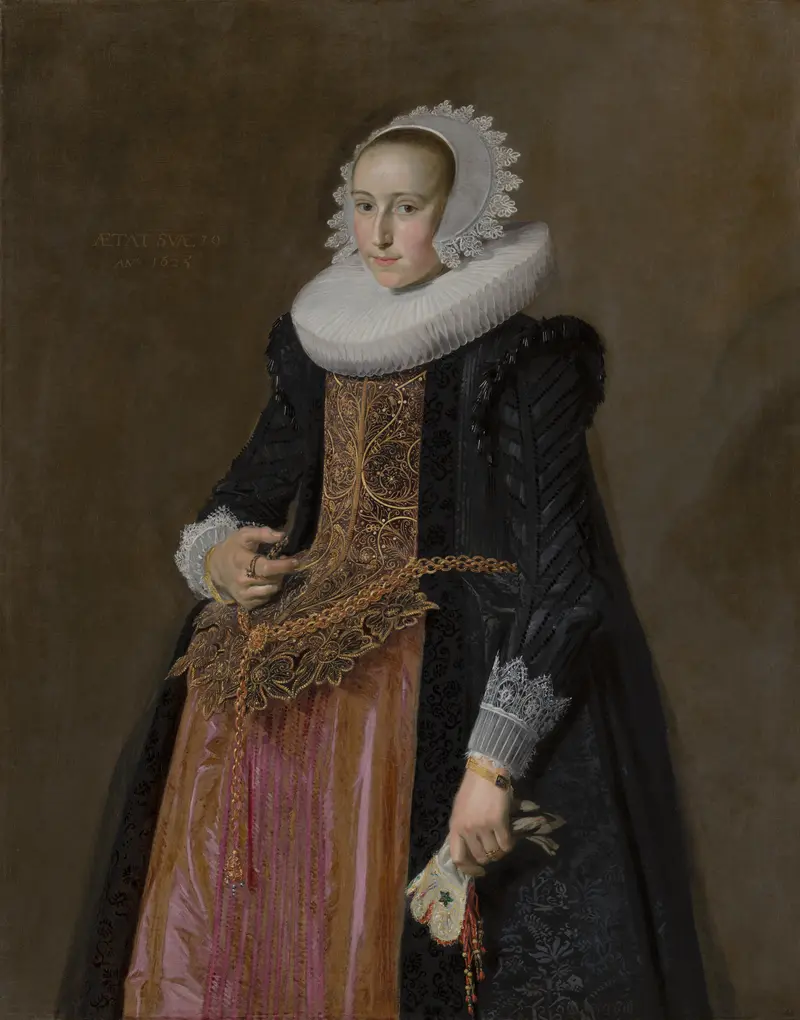
Portrait of Aletta Hanemans (1606–1653)
Frans Hals
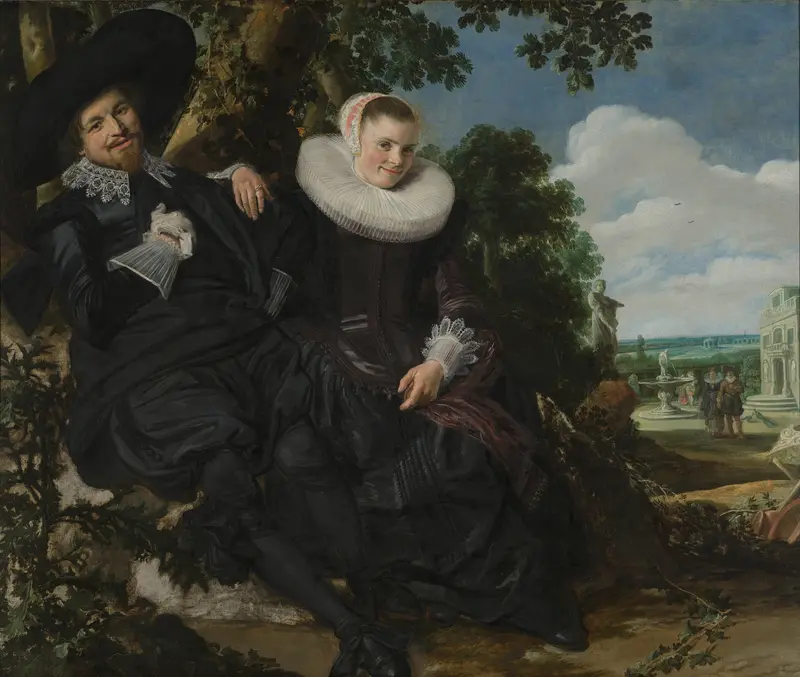
Portrait of a Married Couple, Likely Isaac Abrahamsz Massa and Beatrix van der Laen
Frans Hals
The Merry Drinker
Frans Hals
Portrait of Paulus Verschuur
Frans Hals
Portrait of Pieter van den Broecke
Frans Hals





