
Study for After the Fight — History & Facts
A hush falls over the canvas: a young woman, her head bowed and cheek pressed to her arm, is caught in a moment that feels both private and universal. The unfinished brushwork leaves the lower half of her form suspended in possibility, while her face—delicately modeled, softly lit—anchors the viewer in her quiet world. The kerchief on her head, the earth-toned clothing, and the gentle fall of her braid all speak of rural life, but it is her expression that draws us in: not resignation, but a kind of inward searching, as if she is listening for something deep within herself.
The background, a swirl of loose, brown strokes, isolates her further, focusing our attention on the subtle drama of her posture and gaze. Painted in 1862, Study for After the Fight by Adolph Tidemand belongs to a moment in Scandinavian art when artists sought out the lives and emotions of ordinary people, often elevating everyday scenes to the level of quiet monument. Works like this were rarely grand commissions; rather, they were studies—intimate explorations of character and feeling, meant to inform larger compositions or to capture a fleeting psychological truth. Now in the National Museum of Art, Architecture and Design, this fragment of a story reminds us how much can be said with a single gesture, and how the unfinished can sometimes speak more powerfully than the complete.
Look again at the woman’s face: what story does she carry in that silent, suspended moment?
More Artworks by Adolph Tidemand

Bridal Procession on the Hardangerfjord
Adolph Tidemand
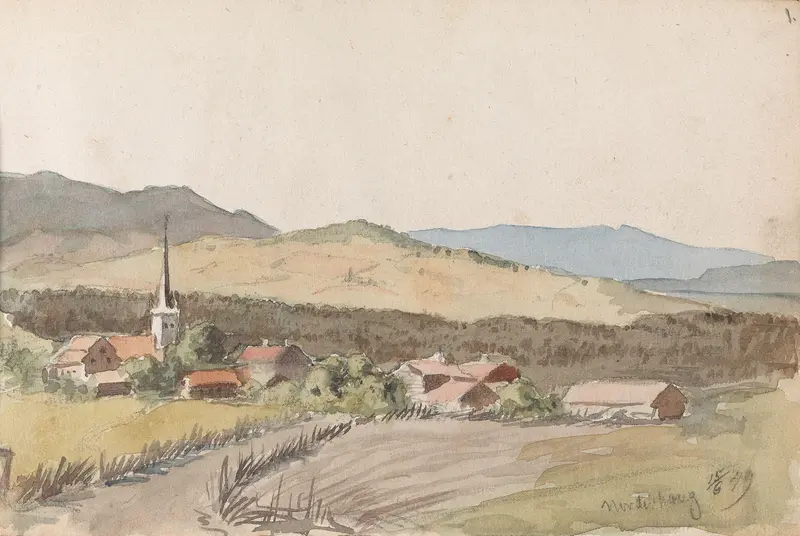
Fra Haugsbygd
Adolph Tidemand
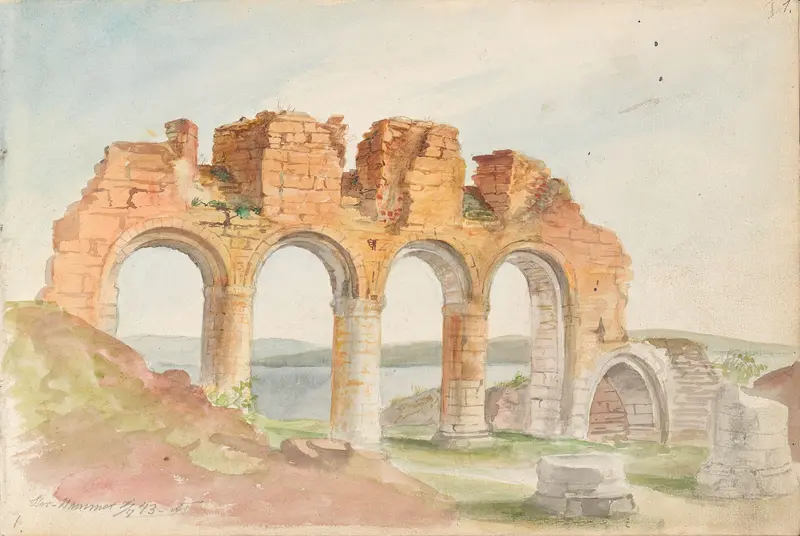
Domkirkeruinen, Hamar
Adolph Tidemand
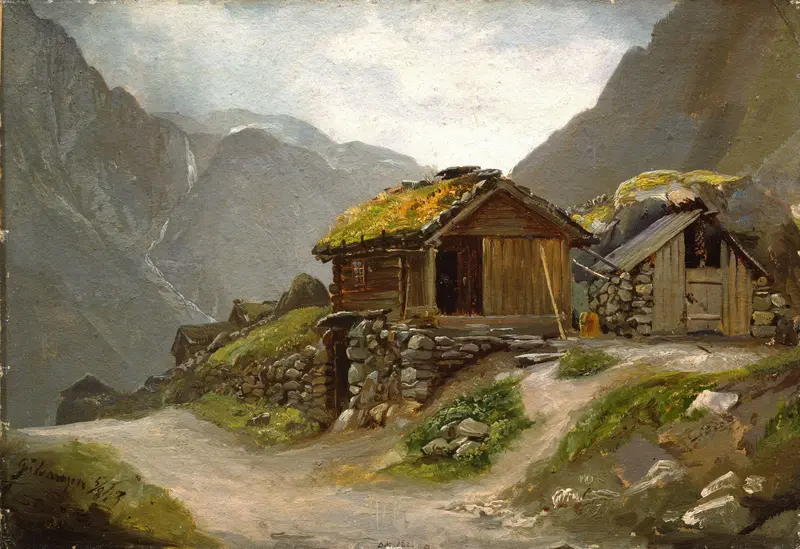
View from Gudvangen
Adolph Tidemand
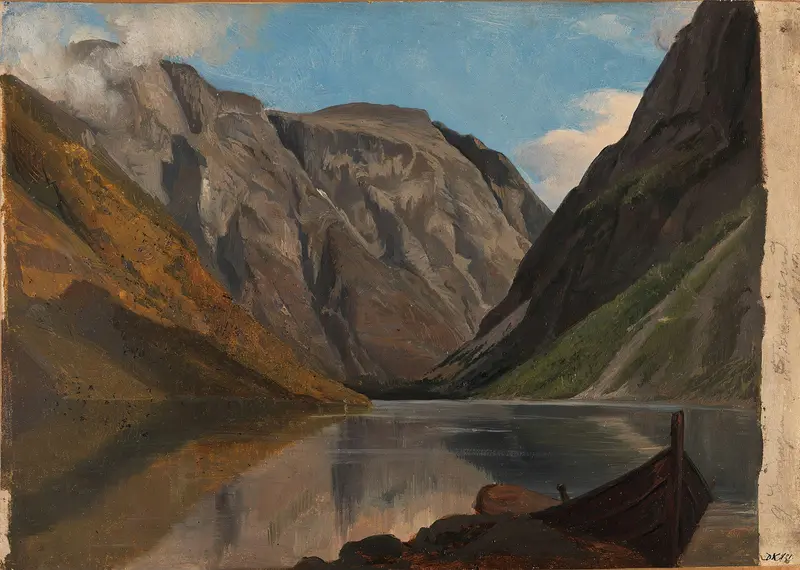
View of Gudvangen
Adolph Tidemand
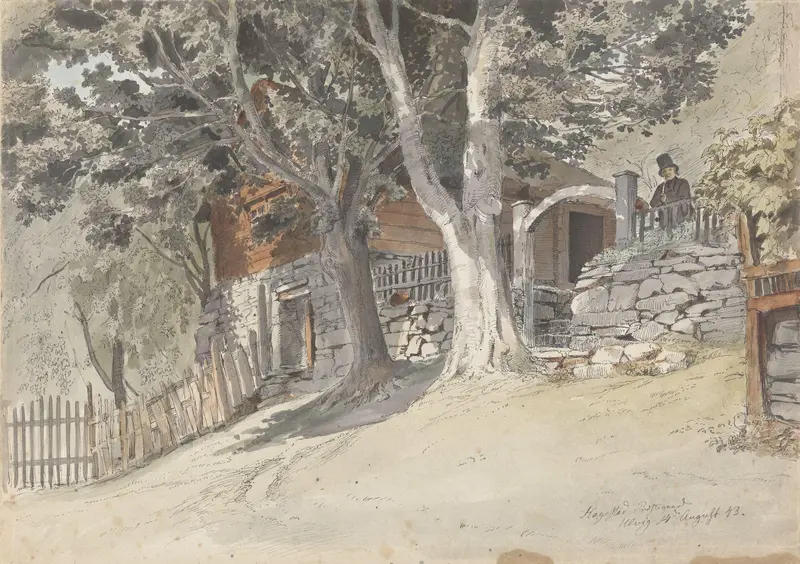
Hagestad prestegård, Ulvik i Hardanger
Adolph Tidemand
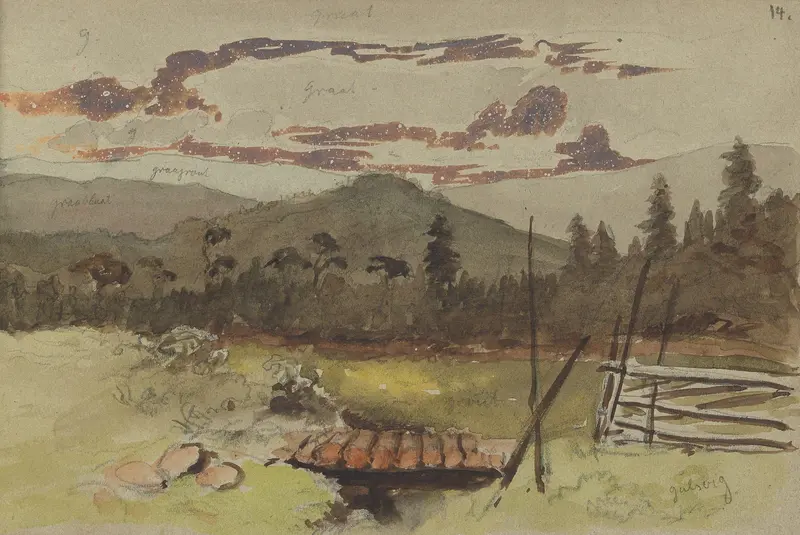
Fra Gulsvik
Adolph Tidemand
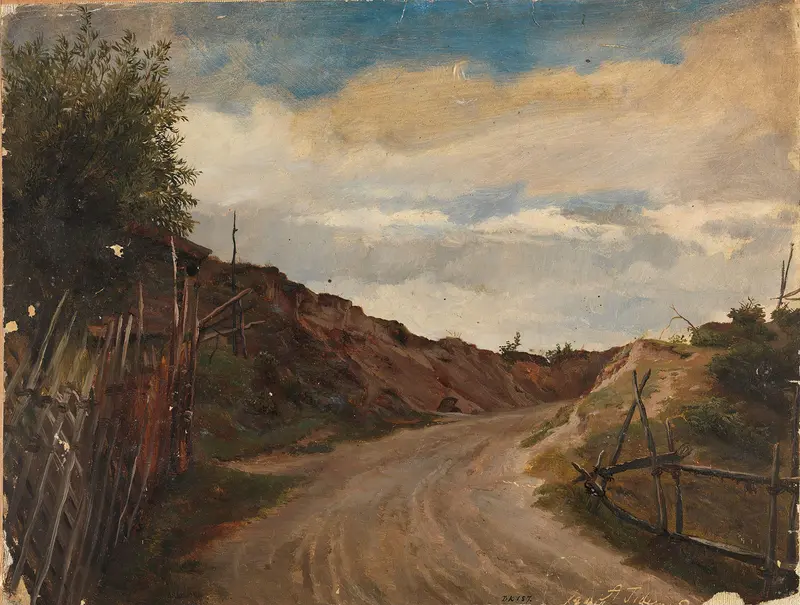
Country Road
Adolph Tidemand
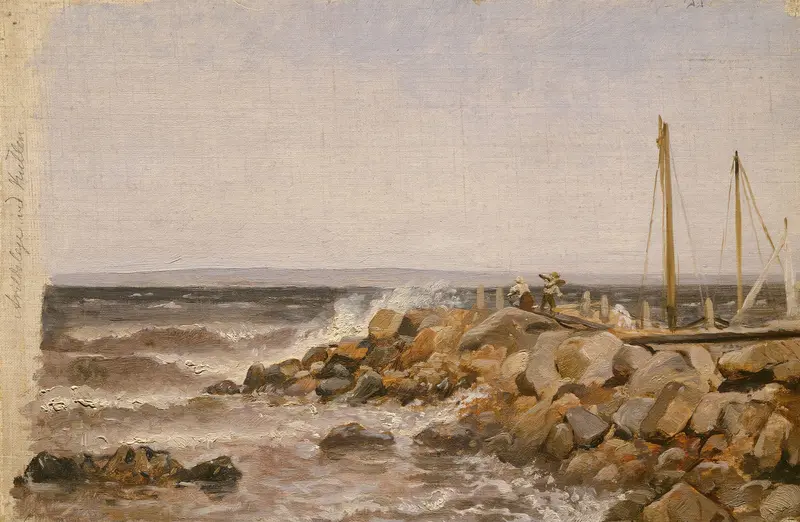
From Kullen in Sweden
Adolph Tidemand
Untitled
Adolph Tidemand
More Genre Scene Art

Banquet of the Officers of the St George Civic Guard
Frans Hals

Rembrandt and Saskia in the Scene of the Prodigal Son
Rembrandt van Rijn

Bal du moulin de la Galette
Pierre-Auguste Renoir

Quadrille at the Moulin Rouge
Henri de Toulouse-Lautrec

A Burial at Ornans
Gustave Courbet

When Will You Marry?
Paul Gauguin