
Study for ‘Le Stryge’ — History & Facts
In the midst of chaos, stillness holds its breath, revealing the deeper truths hidden within turmoil. Look closely at the intricate lines and shaded forms that animate the composition. The swirling strokes draw the viewer's eye into the chaos, leading us through a maze of dark, intertwining shapes that suggest both movement and confinement. Notice how the contrasting depths of ink create an almost palpable tension, as areas of stark black collide with lighter, more ethereal passages, evoking a sense of unease and intrigue. Within this tumultuous piece lies a dialogue between chaos and control.
The figures, though distorted and intertwined, seem to narrate an urgent story of conflict, yet the way they are rendered allows for moments of delicate beauty amidst the chaos—an arm reaching out, a face obscured yet yearning. This tension between the tumult of form and the yearning for connection encapsulates the artist's exploration of human emotions at their most turbulent. In 1893, Joseph Pennell was immersed in the vibrant art scene of London, grappling with the rapid changes of the industrial age. His work during this period reflects a response to the chaos of modern life, embedding his sketches with both personal and societal commentary.
This study, a precursor to the more refined Le Stryge, reveals his fascination with the interplay of darkness and light—modeled by his own experiences of an ever-changing world.
More Artworks by Joseph Pennell
Browse all →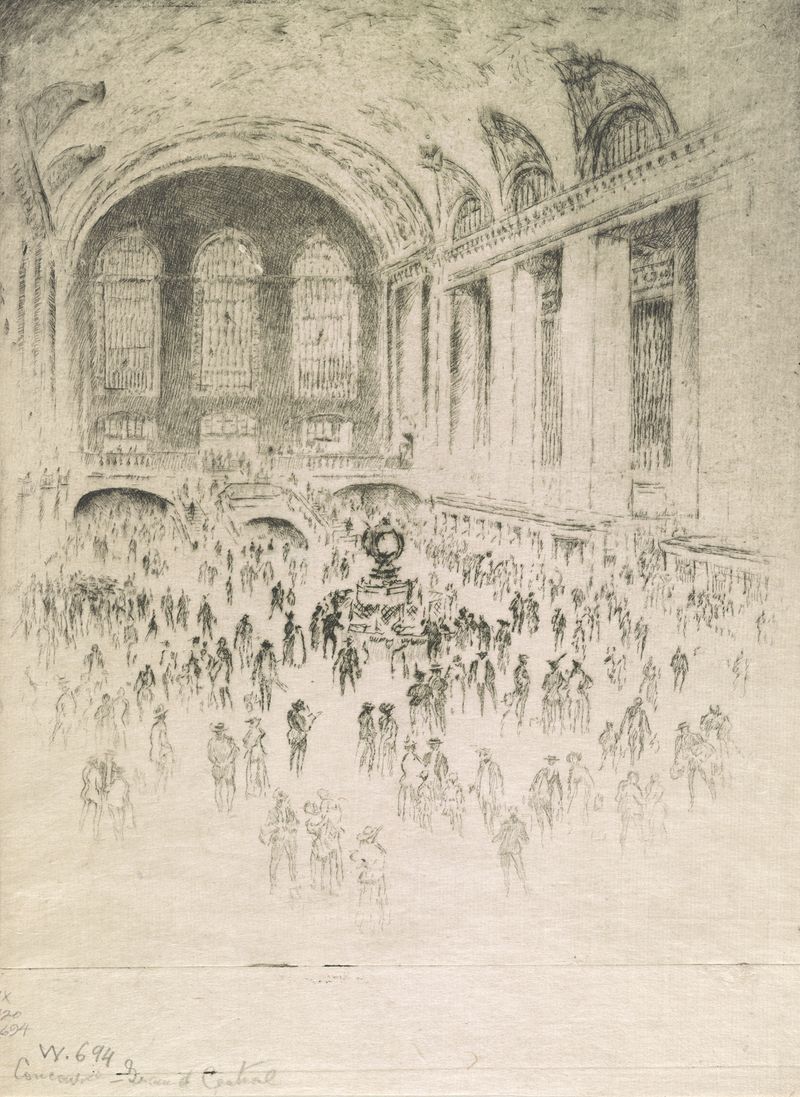
Concourse, Grand Central
Joseph Pennell
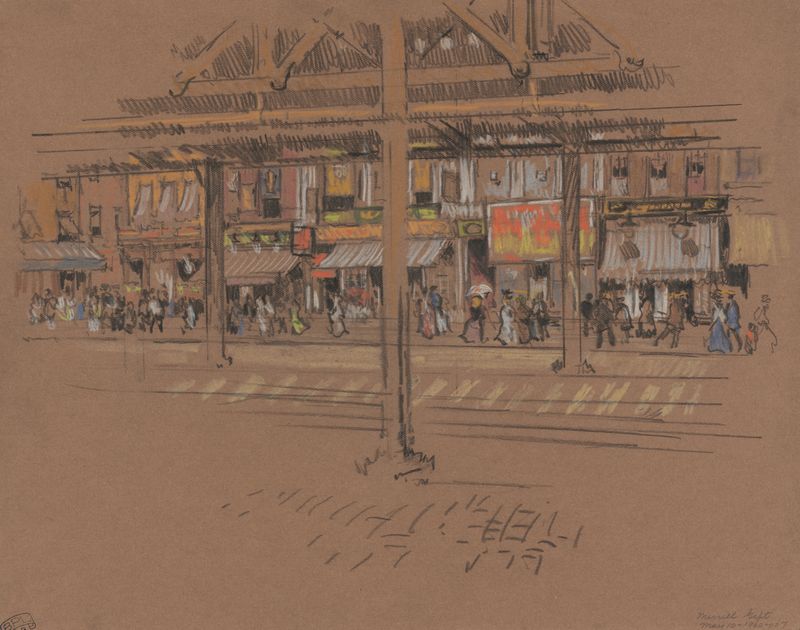
Sixth Avenue
Joseph Pennell
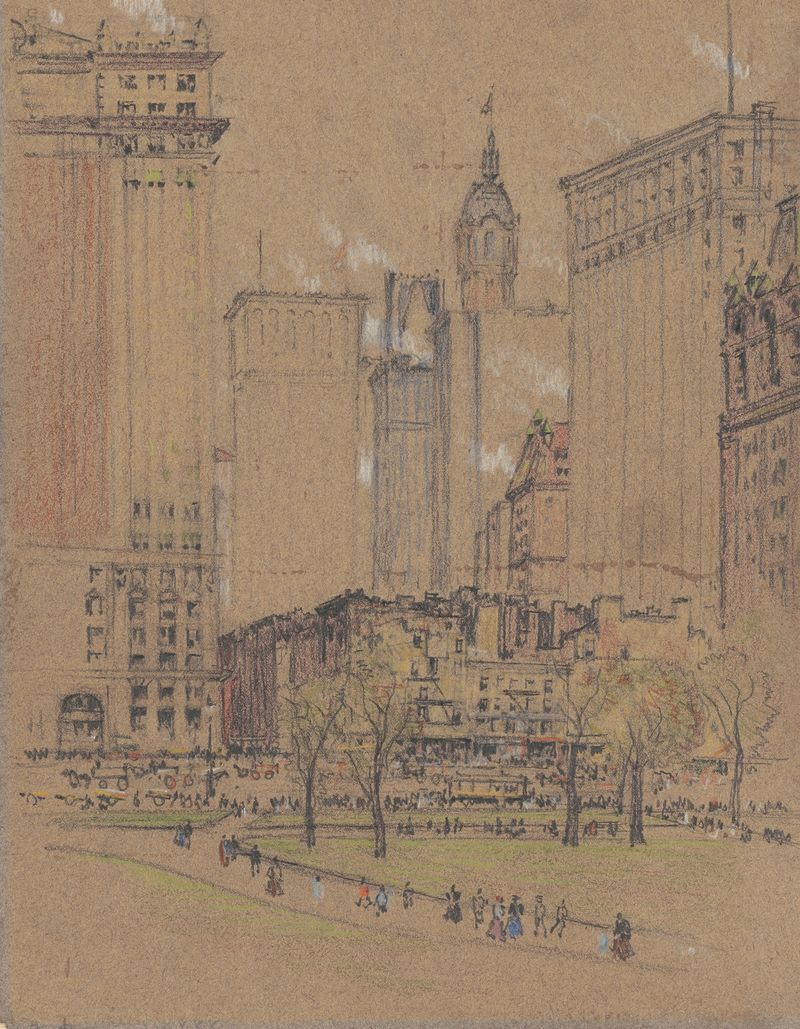
New York,the Old and the New
Joseph Pennell
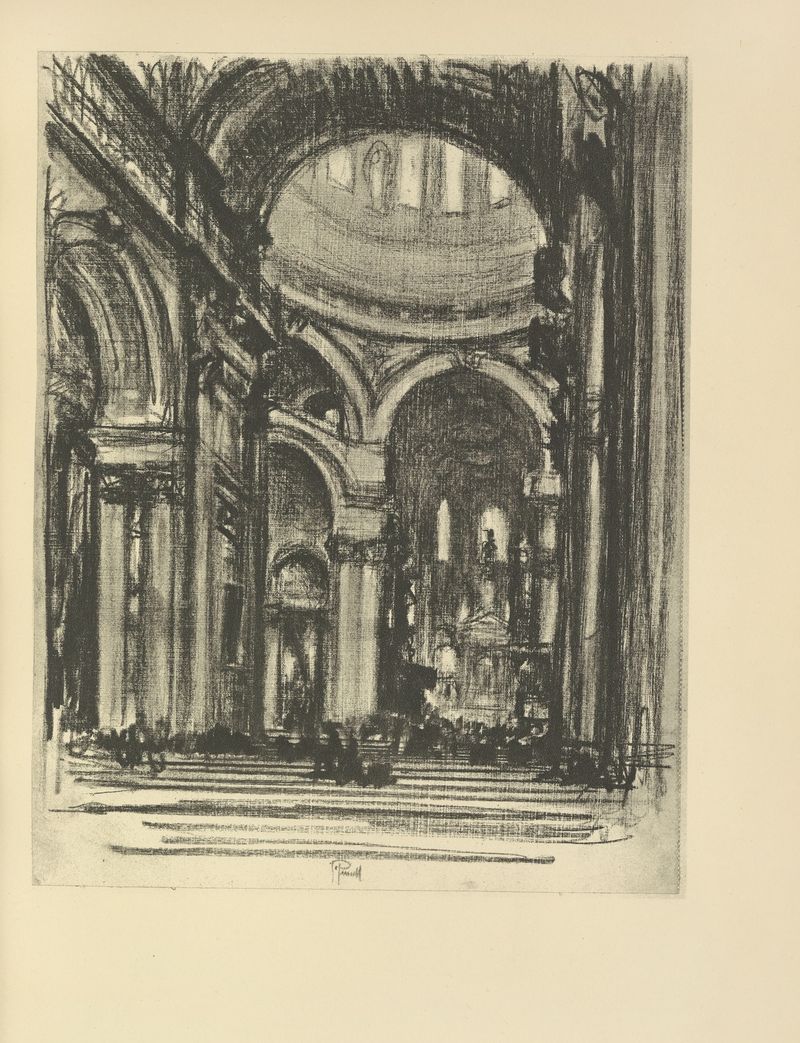
St. Paul’s, The Nave
Joseph Pennell
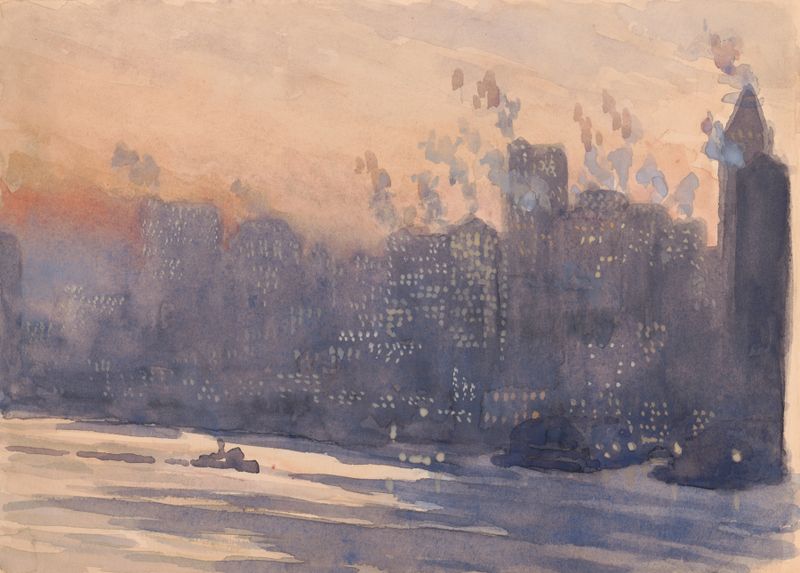
New York City harbor and skyline at night
Joseph Pennell
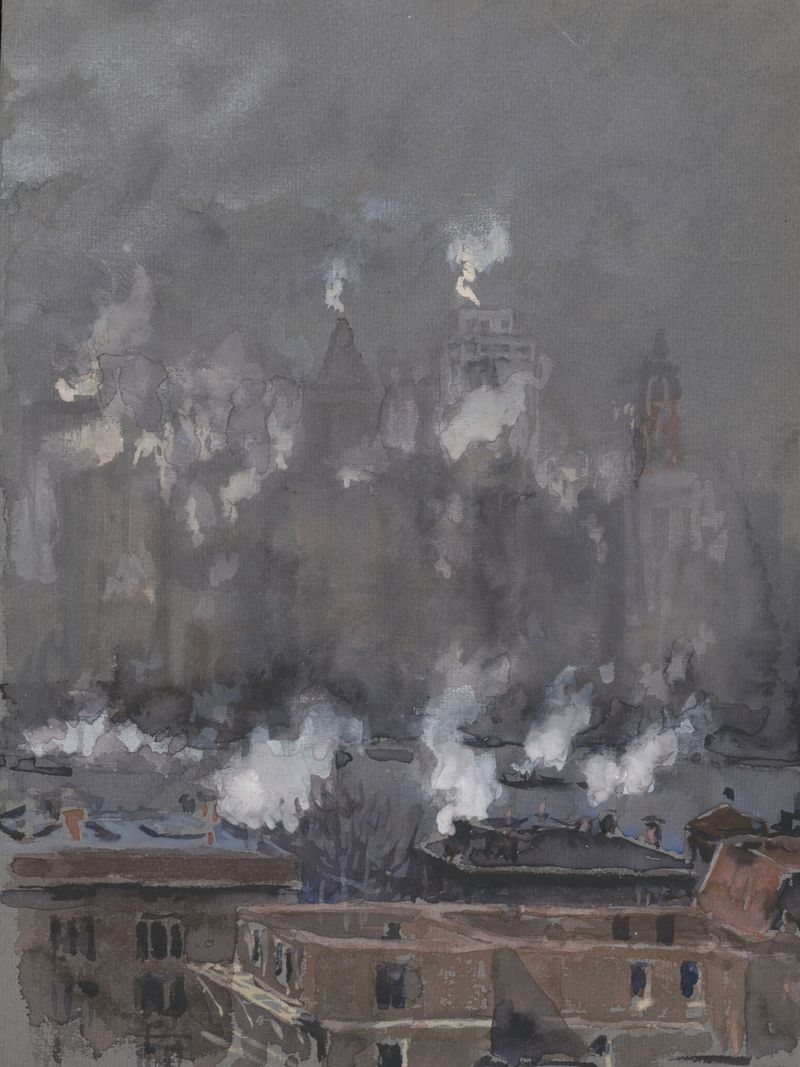
Smoke and fog on gray day, New York City
Joseph Pennell
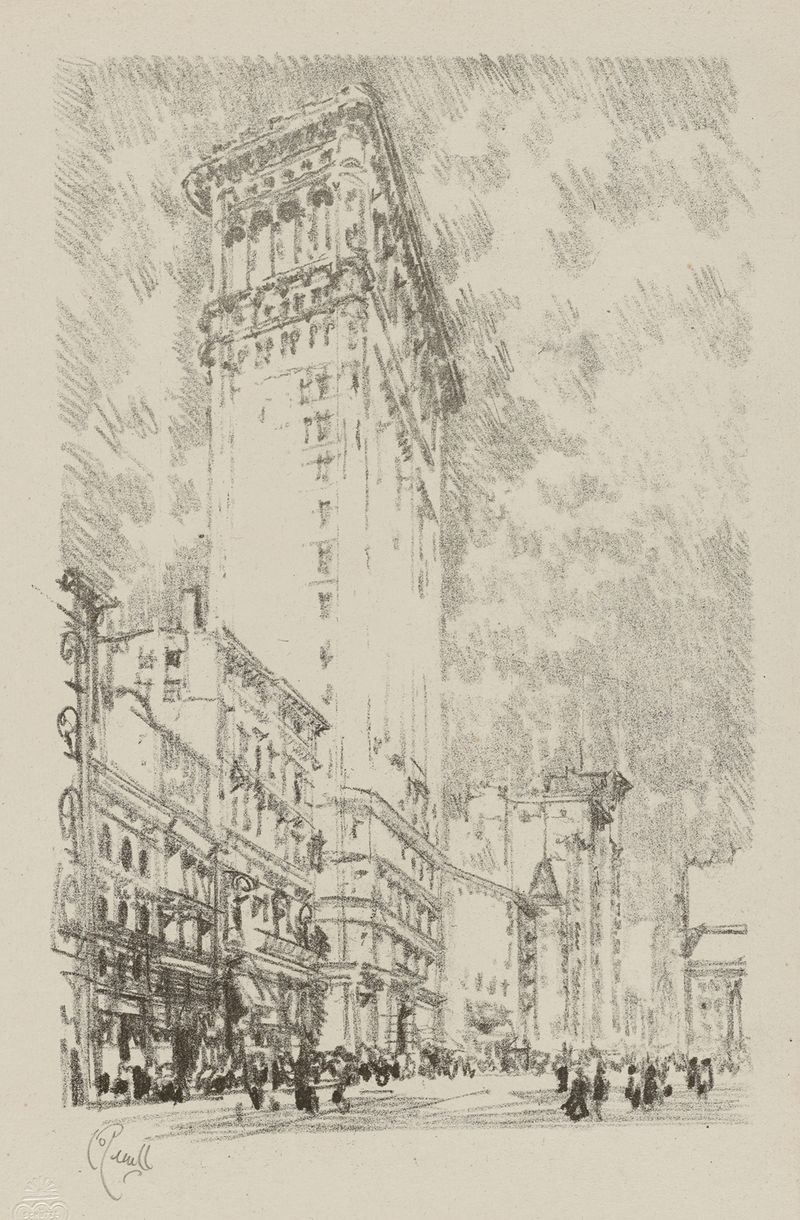
The Flat Iron
Joseph Pennell
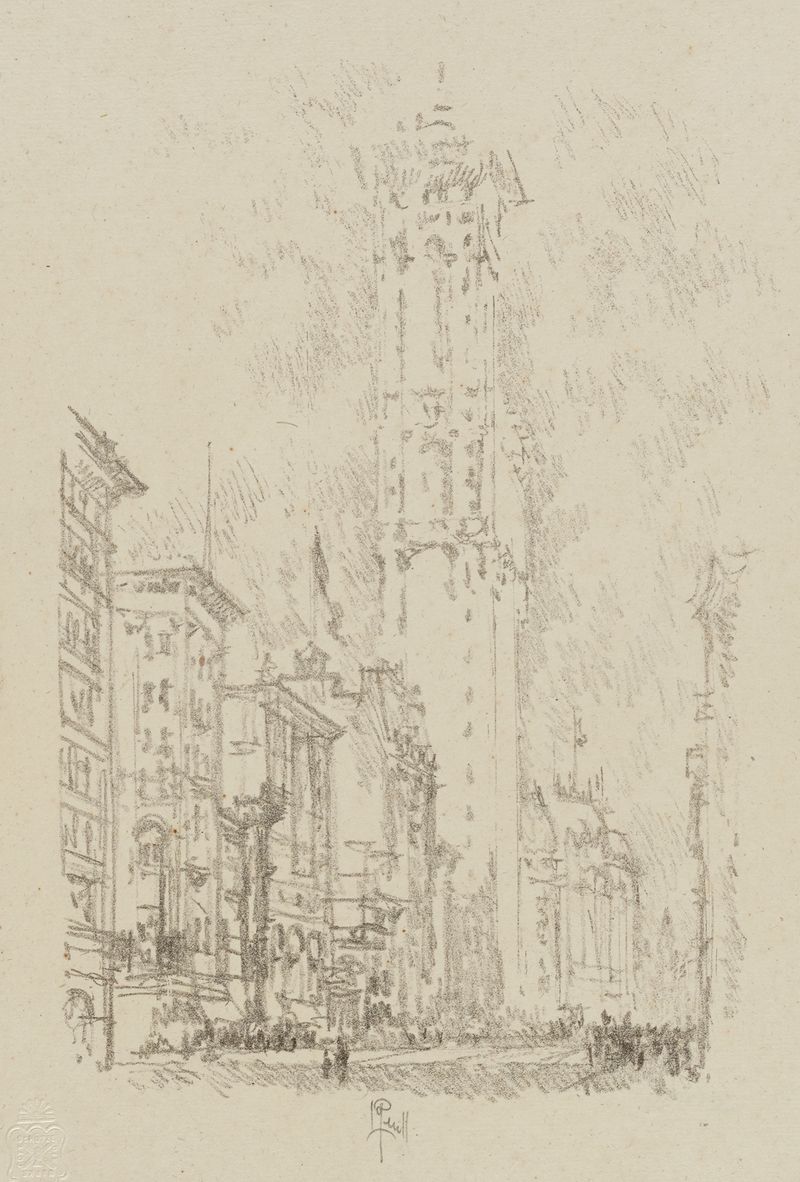
The Times Building
Joseph Pennell
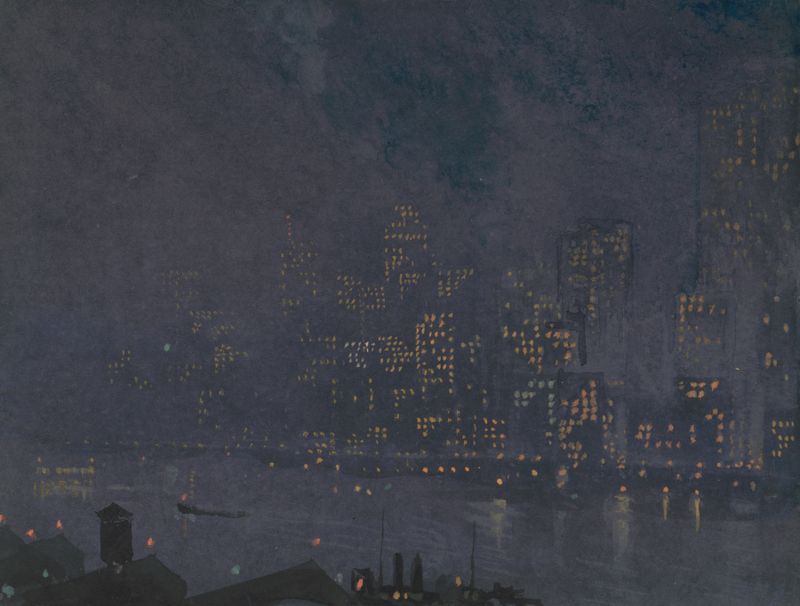
Skyscrapers at night
Joseph Pennell

St. James’ Park
Joseph Pennell





