
Study in the Maine Woods — History & Facts
What if beauty was never meant to be finished? In Study in the Maine Woods, we find a place where nature breathes, untouched and timeless, inviting us to linger in its sublime essence. Look closely at the center of the canvas, where the interplay of greens and browns creates a rich tapestry of foliage. The dappled sunlight filtering through the trees casts a gentle glow, highlighting the textures of bark and leaf. To the left, a tranquil stream weaves through the scene, its reflective surface enhancing the depth and serenity that envelops the viewer.
The masterful brushwork captures the essence of each element, drawing us into a world that feels both familiar and profoundly distant. As we explore further, subtle tensions emerge. The towering trees stand firm, yet the soft mist curling around their trunks suggests the impermanence of life. The quietude of the wilderness contrasts with the bustling industrialization occurring outside this serene locale, evoking a sense of nostalgia for untouched landscapes.
The painting speaks to a yearning for connection with nature, a reminder of the beauty that exists outside the confines of everyday life, beckoning us to remember what we may have lost. Created between 1855 and 1865, this work reflects a pivotal time for the artist, who was deeply engaged in the Hudson River School movement. During this period, Church sought to convey the grandeur of American landscapes, using light and color to evoke emotion and connection. As the nation faced significant change, his studies of the Maine woods became a sanctuary, preserving a moment in nature’s history before the inevitable march of progress altered the landscape forever.
More Artworks by Frederic Edwin Church
Browse all →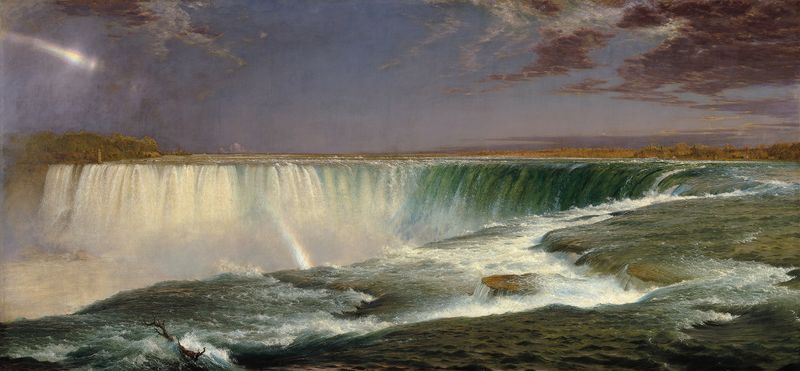
Niagara
Frederic Edwin Church
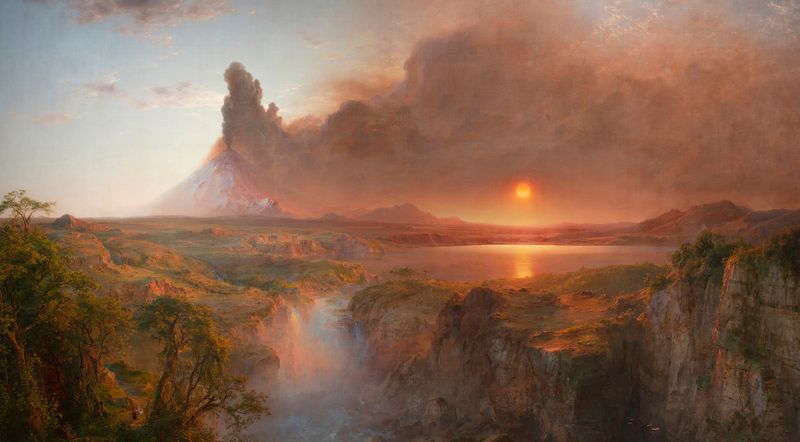
Cotopaxi
Frederic Edwin Church
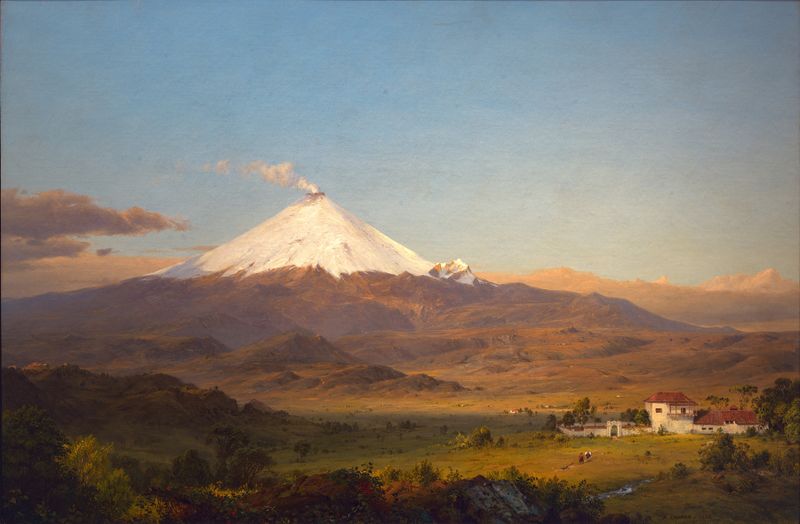
Cotopaxi
Frederic Edwin Church
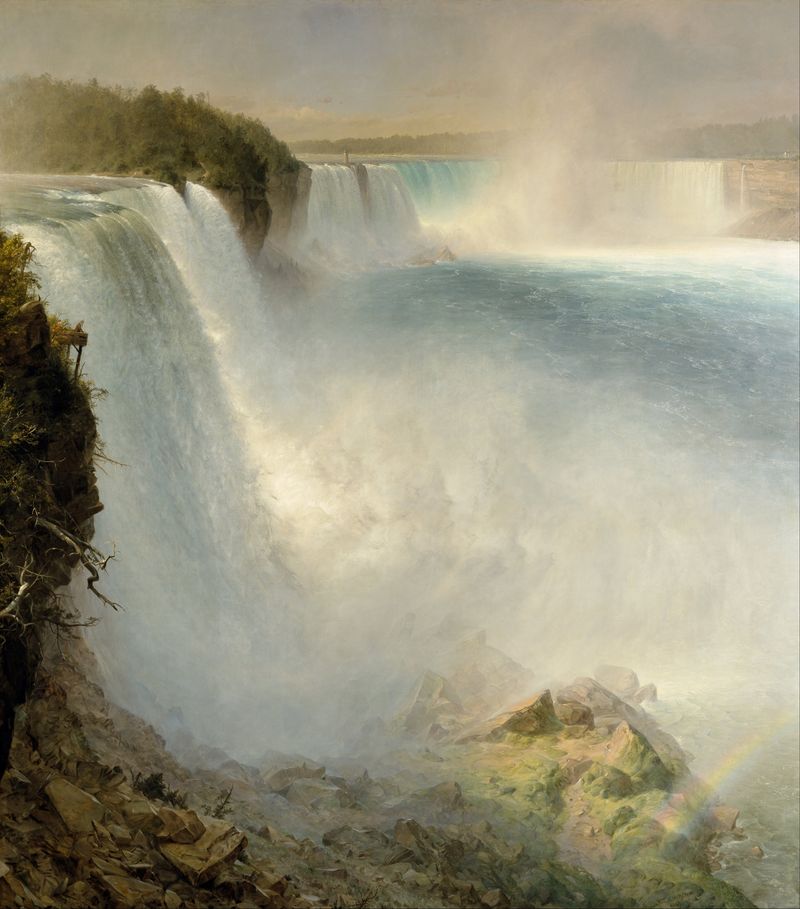
Niagara Falls, from the American Side
Frederic Edwin Church
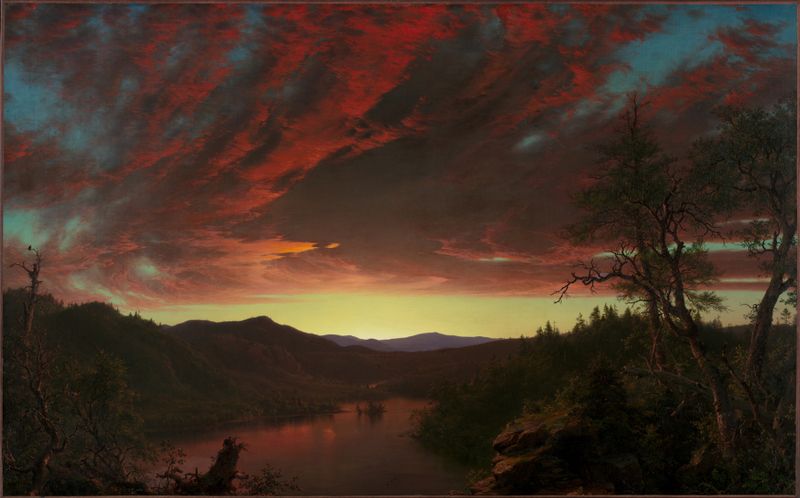
Twilight in the Wilderness
Frederic Edwin Church
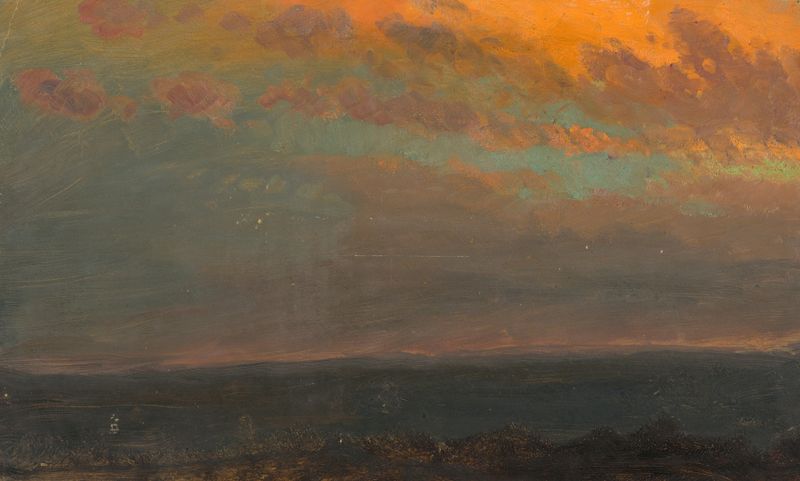
Hudson Valley at Sunset
Frederic Edwin Church
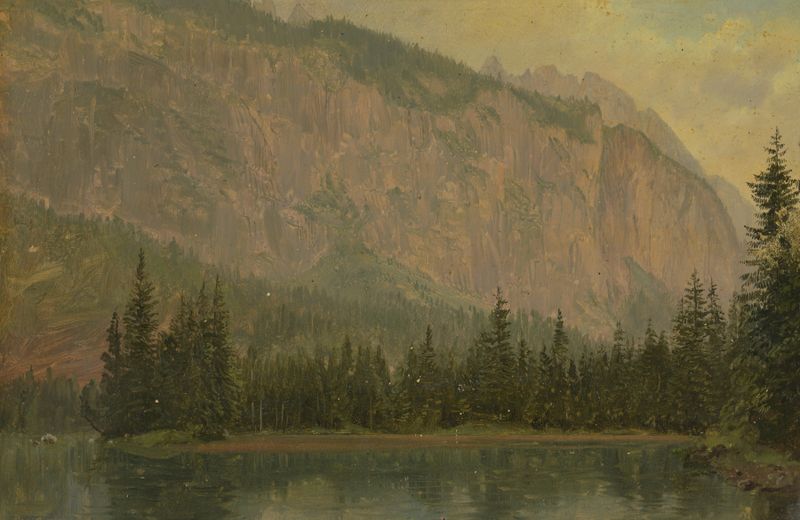
The Hintersee, near Berchtesgaden, Bavaria
Frederic Edwin Church
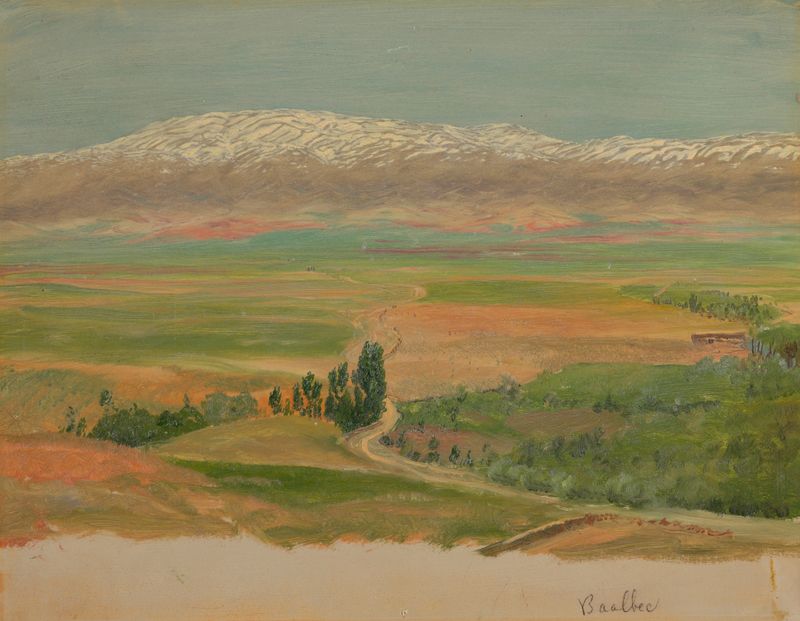
Mountains near Baalbec
Frederic Edwin Church
Aurora Borealis
Frederic Edwin Church
Cotopaxi
Frederic Edwin Church





