
Study of a Bare Tree in the Winter — History & Facts
This longing for serenity amidst the tumult of the world resonates deeply within the stark imagery of winter’s embrace. A bare tree, stripped of its foliage, stands as a solitary testament to resilience, inviting a contemplation of survival and transformation. Look to the left at the gnarled branches, their twisted forms reaching skyward like desperate fingers grasping for light. The artist's choice of muted browns and grays creates a somber yet striking contrast against the crispness of the white background, drawing your gaze toward the intricate details of the bark.
Notice how the textures reveal a raw beauty, each line and knot telling a story of seasons past, while shadows dance gently along the tree’s trunk, emphasizing its solitude. The interplay between the starkness of the tree and the emptiness surrounding it evokes a palpable sense of yearning. This stark composition speaks to the fragility of life—each branch a reminder of what has been lost, yet also a symbol of hope and new beginnings. The absence of leaves underscores a moment of pause, suggesting both a physical and emotional stripping away, a necessary process to embrace the warmth of spring yet to come. Zolo Palugyay painted this piece in 1934 during a period of personal and artistic exploration in Europe.
At this time, he was grappling with the tumult of a world on the brink of change, with the shadow of conflict looming. His work reflects a deep introspection, embodying a stark realism that mirrored his experiences and the broader struggles of society, transforming raw emotion into a timeless visual narrative.
More Artworks by Zolo Palugyay
Browse all →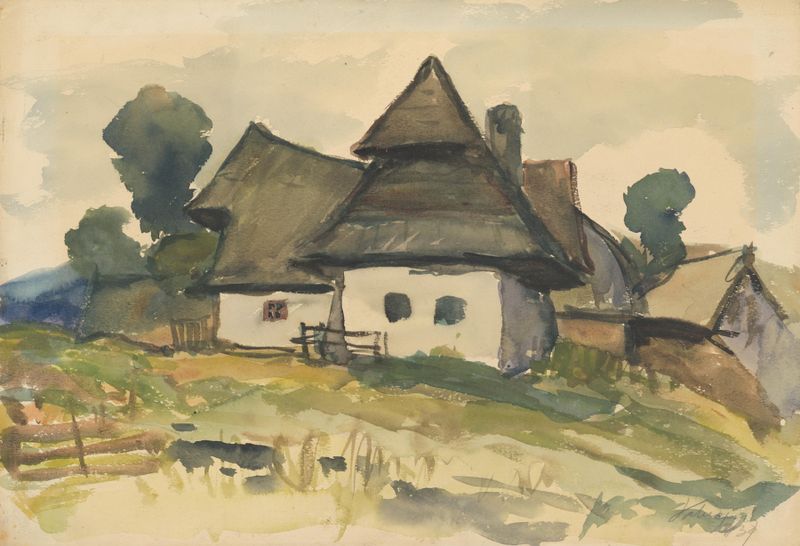
Dedinský motív
Zolo Palugyay
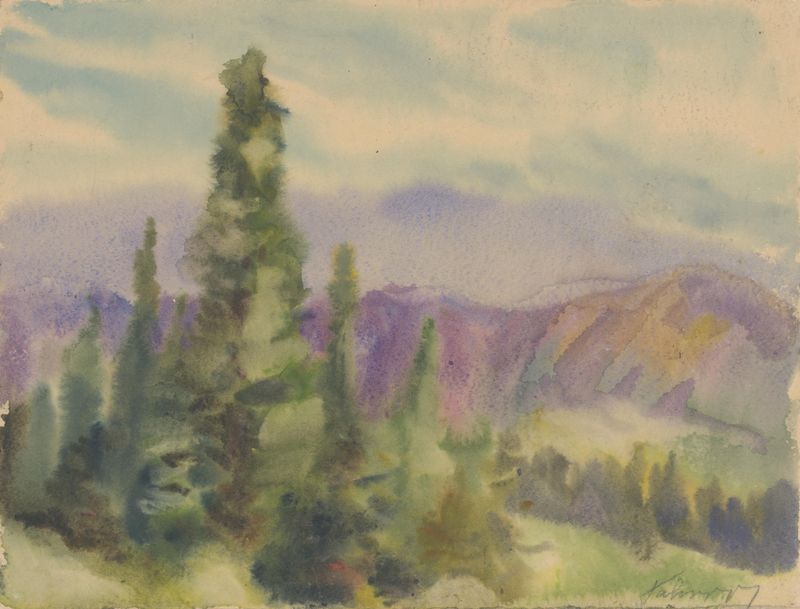
Motif from Liptov Mountains
Zolo Palugyay
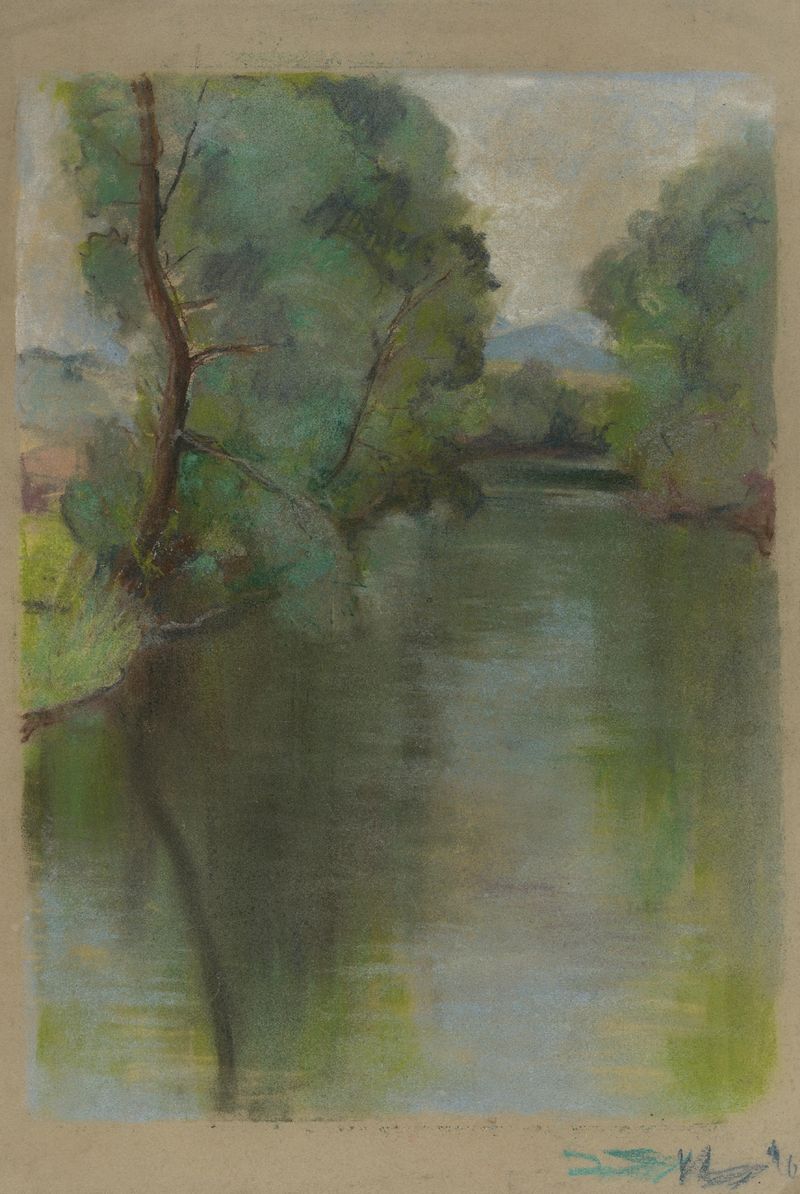
Silent River
Zolo Palugyay
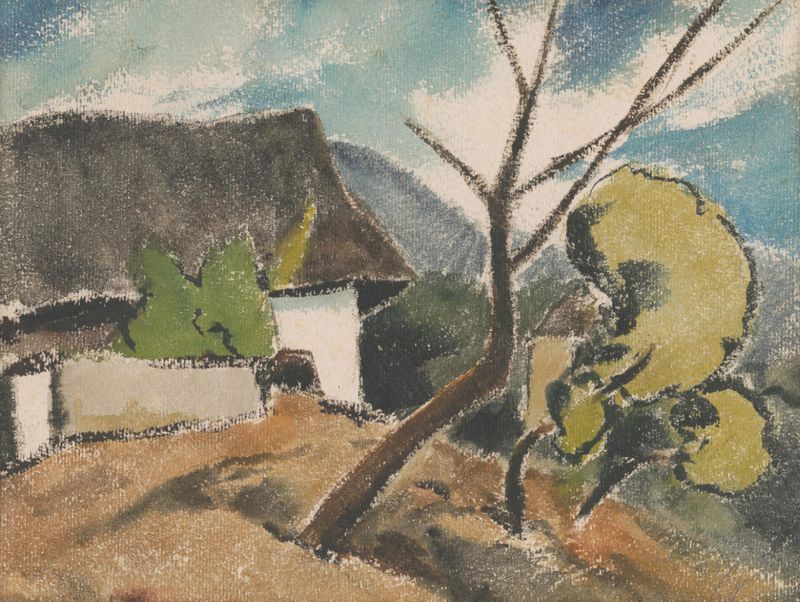
Oravská chalupa
Zolo Palugyay
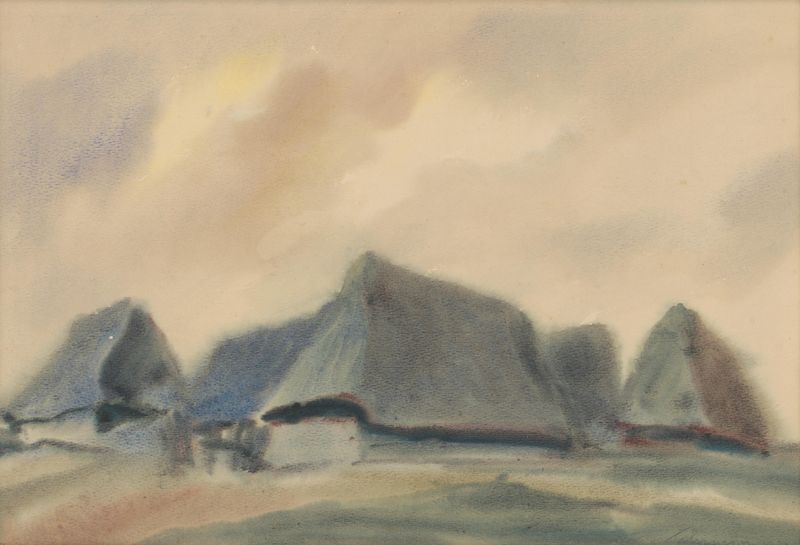
Modré chalupy
Zolo Palugyay
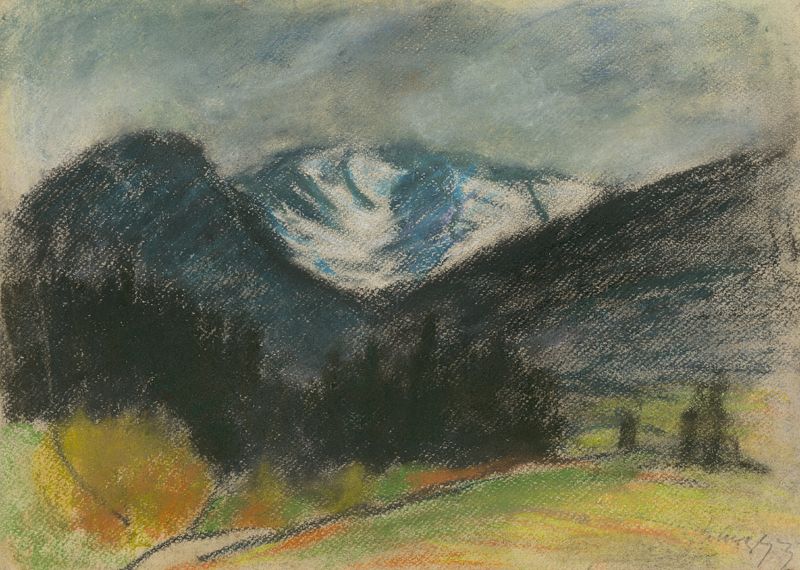
Mountain Landscape with Snowy Peaks
Zolo Palugyay
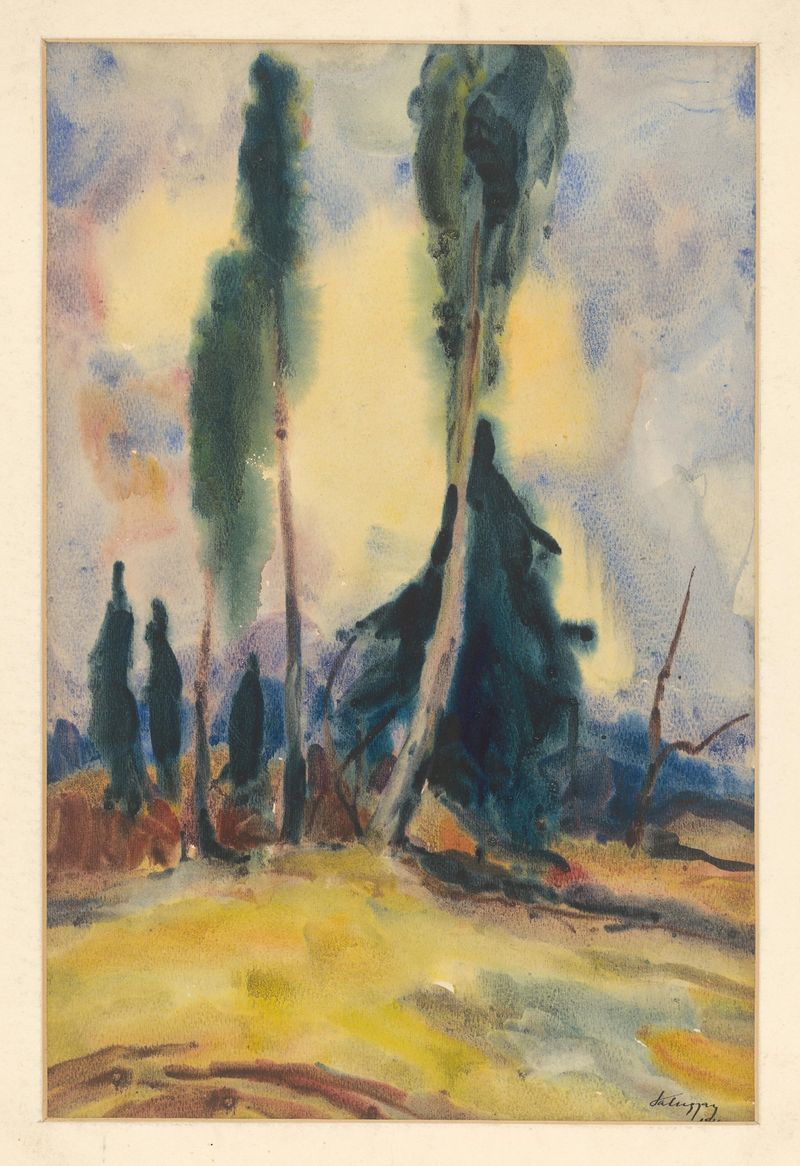
Three Trees on a Plain
Zolo Palugyay
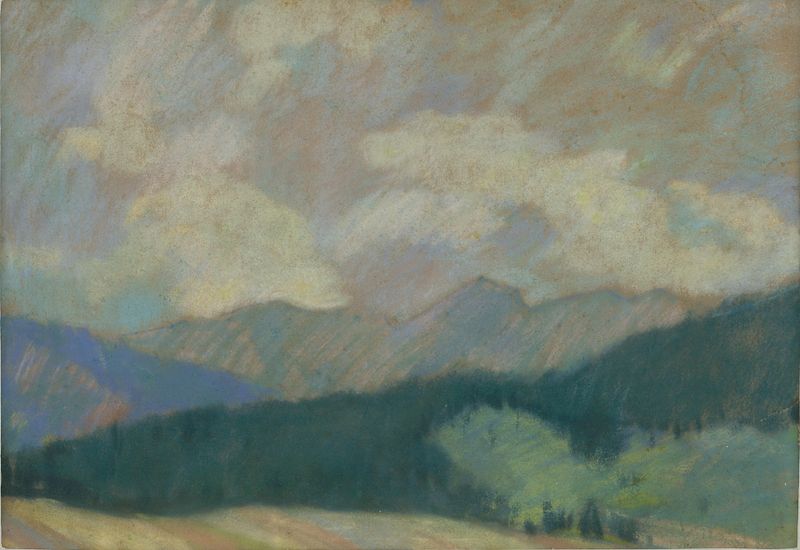
Horská krajina
Zolo Palugyay
Tatra Landscape
Zolo Palugyay
Spring Landscape
Zolo Palugyay





