
Study of a Fallen Soldier (possibly the Conversion of Saul) (recto) — History & Facts
No one can say for certain whether the fallen figure in Study of a Fallen Soldier (possibly the Conversion of Saul) is a Roman soldier struck down in battle or the biblical Saul felled by divine light, and this ambiguity has fueled debate among scholars for generations. The drawing’s uncertain subject is matched by its mysterious origins: neither the exact date nor the circumstances of its creation are recorded, and its medium remains a topic of technical inquiry. What is clear is that the hand behind it is Correggio’s, whose studies of dramatic human forms would later shape the direction of the Italian High Renaissance.
The work’s unfinished, searching quality offers a rare window into the artist’s process, as if we are witnessing the birth of an idea. The scene unfolds at a moment of collapse: a man lies sprawled on the ground, his limbs twisted, his armor scattered. If this is Saul, it is the instant after he is struck blind on the road to Damascus, his conversion from persecutor to apostle just beginning. The tension in the fallen body—muscles taut, head thrown back—captures both physical defeat and spiritual upheaval.
The careful rendering of armor and the expressive pose recall Raphael’s studies of soldiers, yet Correggio brings a softer, more searching line. The absence of a clear setting or background focuses all attention on the drama of the human figure, inviting viewers to ponder the nature of transformation, whether by war or by faith. Little is known about the early life of this drawing, nor is there record of a patron or commission. Works like this were often kept in the artist’s studio, serving as studies for larger compositions or as demonstrations of skill for potential clients.
Over time, attributions have shifted, but consensus now holds that it is indeed by Correggio, whose reputation rests on his ability to capture movement and emotion in even the most preliminary sketches. Today, the drawing stands as a testament to the restless creativity of the Italian Renaissance, a fragment that hints at stories both historical and spiritual, and at the artist’s own search for meaning through the human form.
More Artworks by Correggio
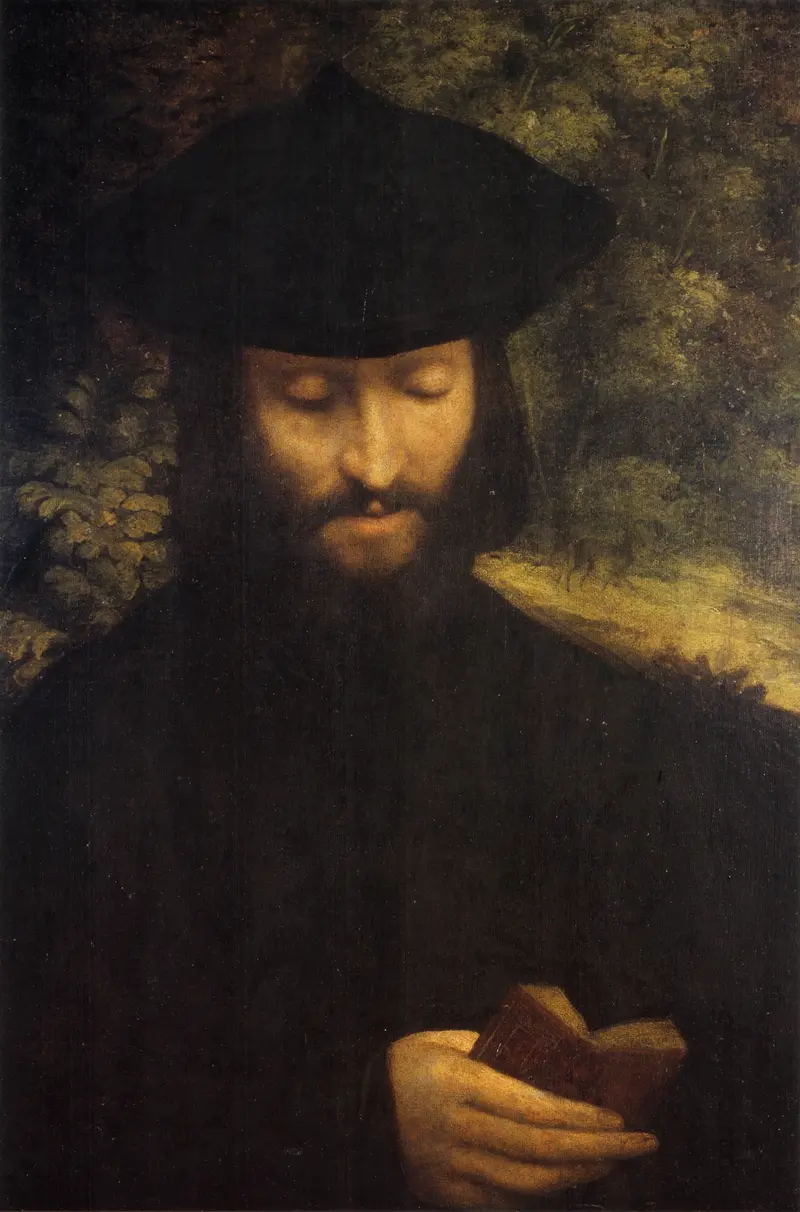
Portrait of a Man with a Book
Correggio

Holy Family with the Infant St. John
Correggio
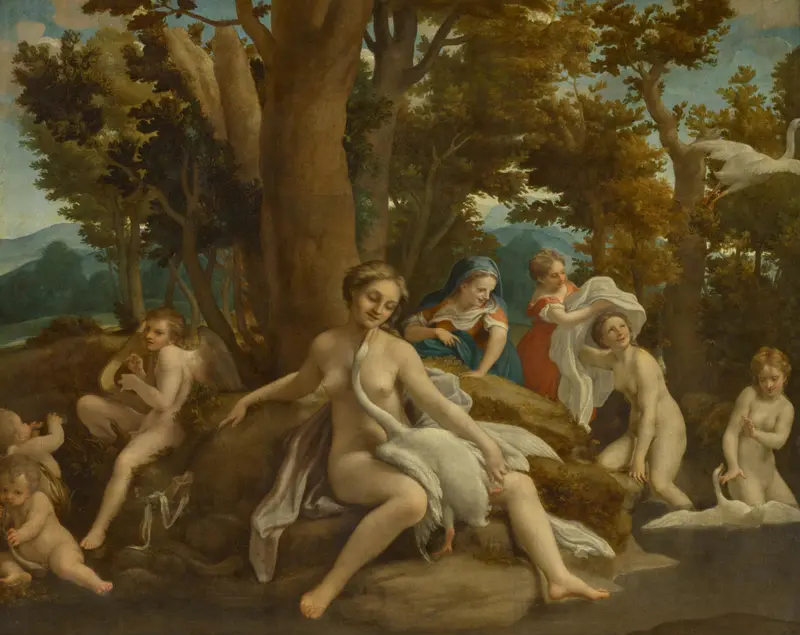
Leda and the Swan
Correggio

Madonna and Child with the Infant Saint John the Baptist
Correggio
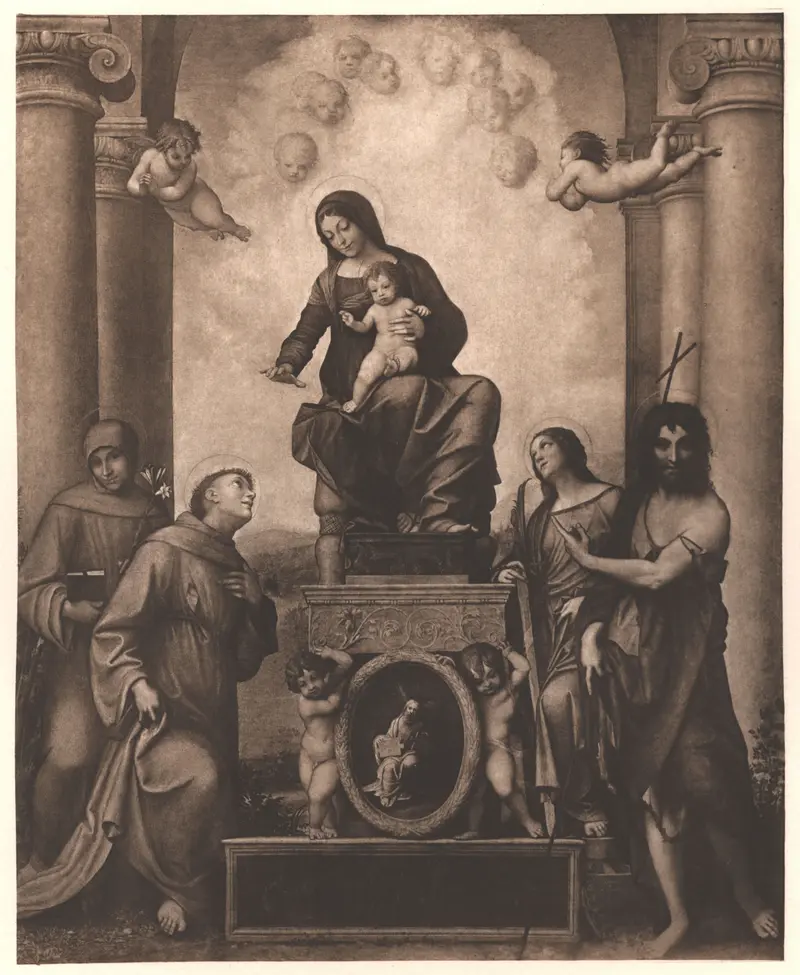
Madonna with St. Francis
Correggio
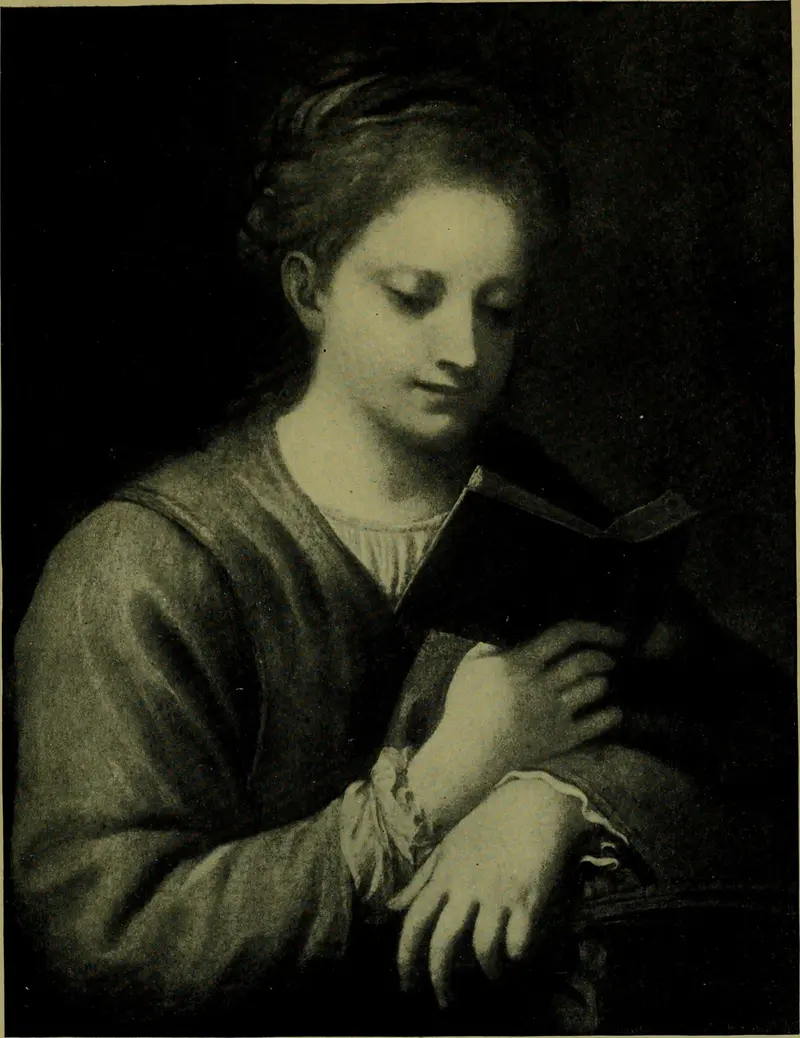
Saint Catherine Reading
Correggio

The Holy Night
Correggio
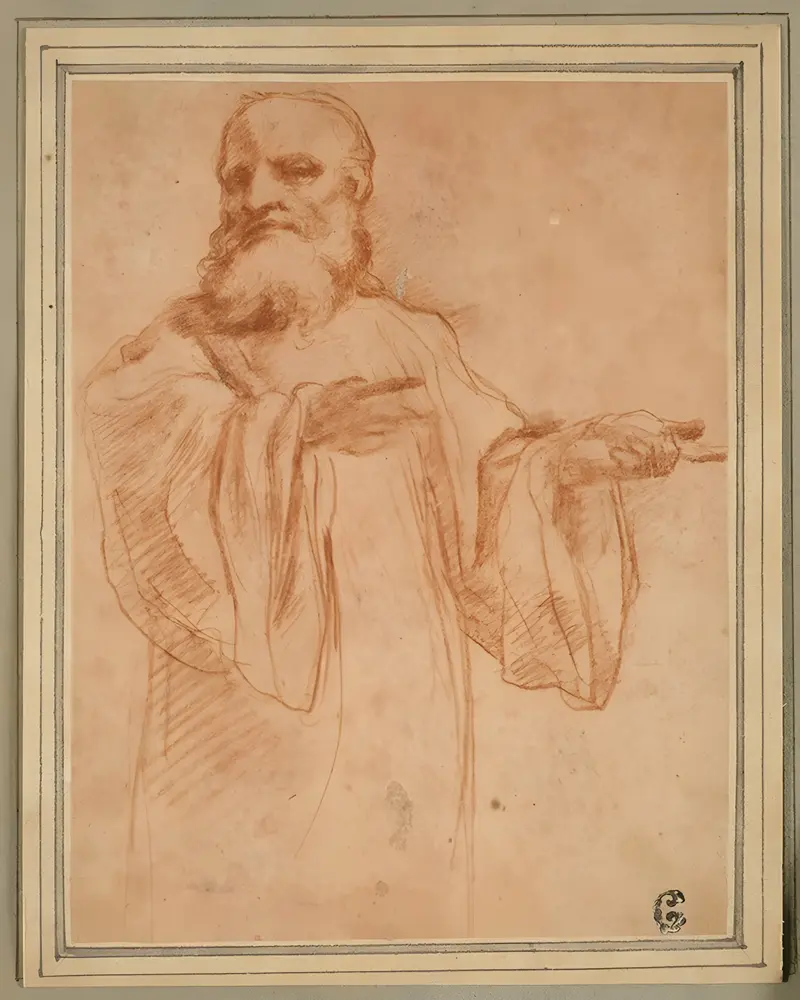
St. Benedict Gesturing to the Left; Study for the Coronation of the Virgin
Correggio
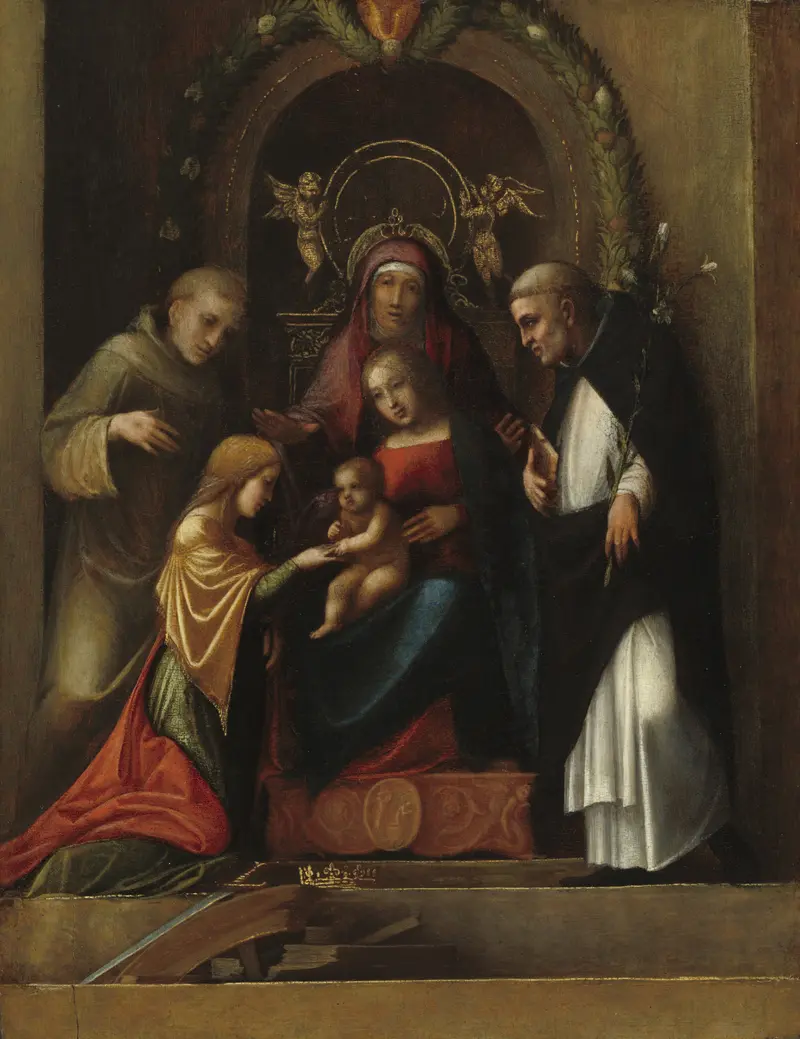
The Mystic Marriage of Saint Catherine
Correggio
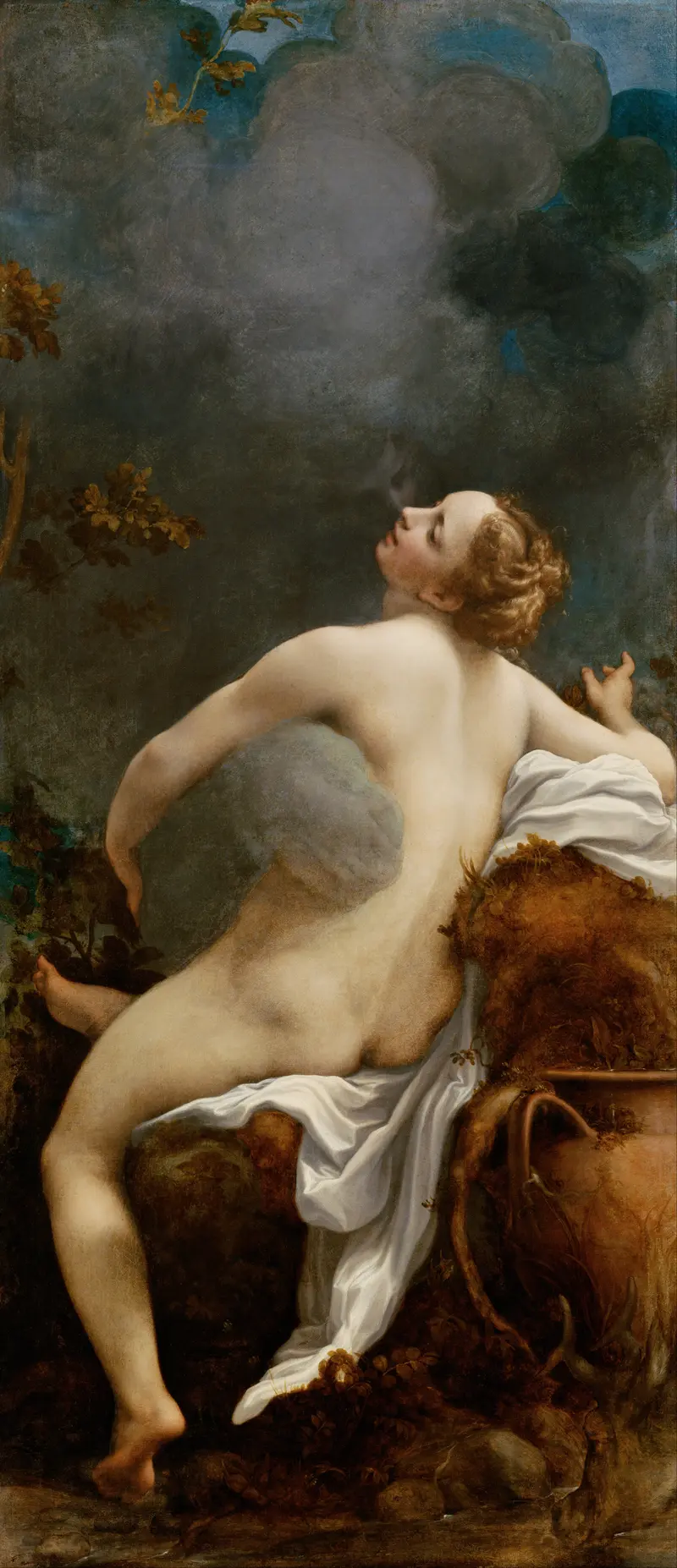
Jupiter and Io
Correggio




