Study of a Woman’s Legs — History & Facts
The first thing that catches the eye in Study of a Woman’s Legs is the sheer immediacy of the gesture—an artist’s hand caught in the act of searching, not for perfection, but for truth. The leg, bent at the knee and emerging from a swirl of rough fabric, is rendered with a confidence that belies its unfinished state. The chalk lines are at once bold and tentative, the shadows deepening where the knee pushes forward, while the foot dissolves into suggestion.
Every mark seems to ask: what does it mean to truly see a body, not as a finished statue, but as something living, shifting, and real? Drawings like this were the lifeblood of the Dutch Golden Age studio, where artists such as Rembrandt van Rijn honed their craft through relentless observation. In the early seventeenth century, such studies were rarely meant for public display; they were private exercises, tools for learning anatomy, drapery, and the play of light. This sheet, dated to 1628 and now in the Rijksmuseum, belongs to a world where the boundaries between practice and finished art were porous, and where even a fragment could reveal an artist’s restless curiosity.
Few records remain of the models or the exact circumstances of these sessions, but the energy of the line invites us to imagine the young Rembrandt at work, intent on capturing the fleeting weight of a human limb.
More Artworks by Rembrandt van Rijn
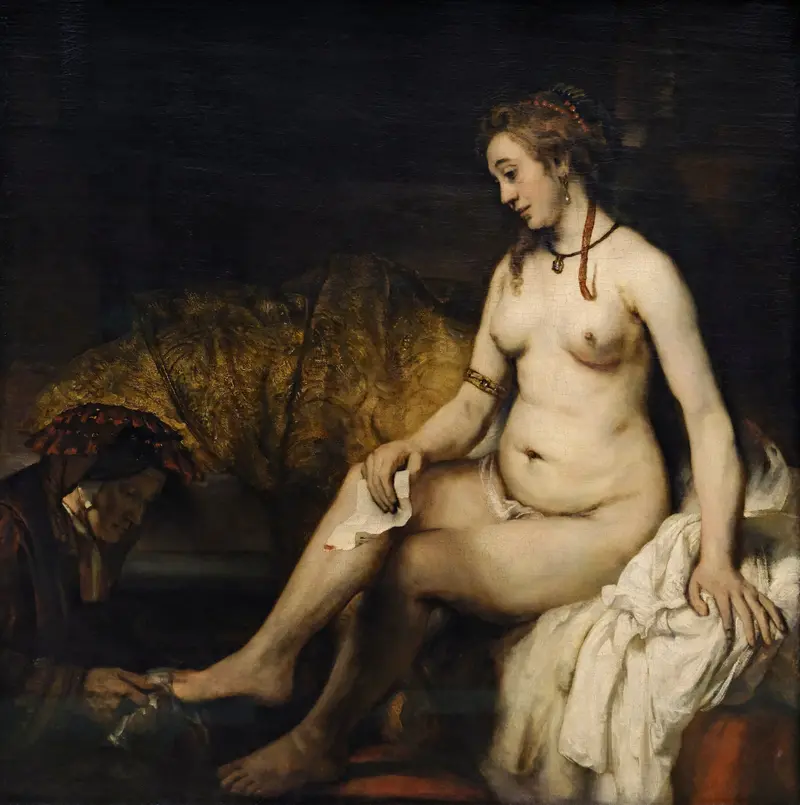
Bathsheba at Her Bath
Rembrandt van Rijn
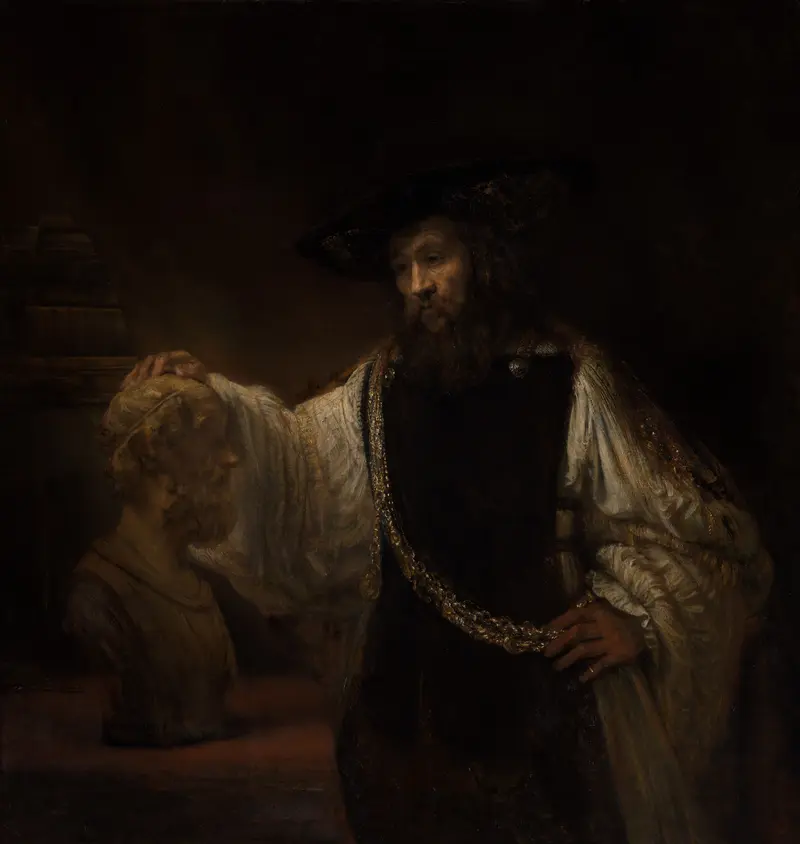
Aristotle with a Bust of Homer
Rembrandt van Rijn
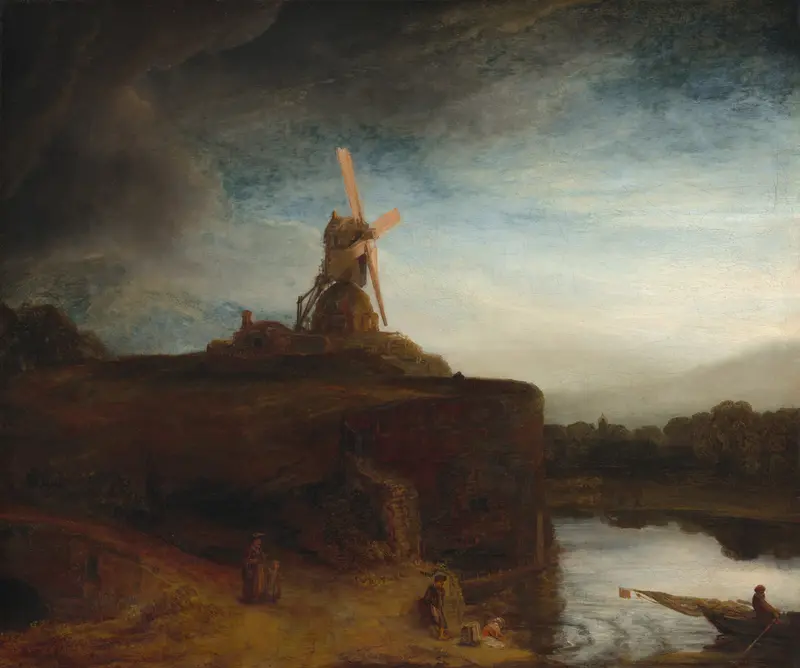
The Mill
Rembrandt van Rijn
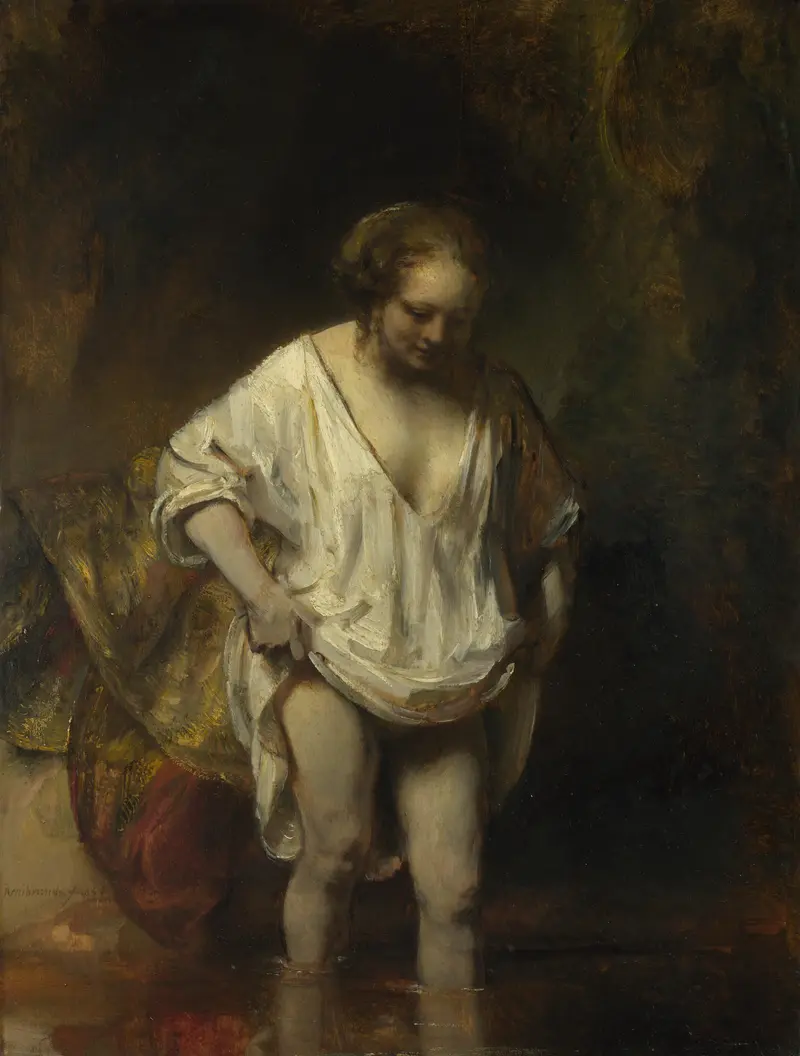
A Woman Bathing in a Stream
Rembrandt van Rijn

Belshazzar’s Feast
Rembrandt van Rijn
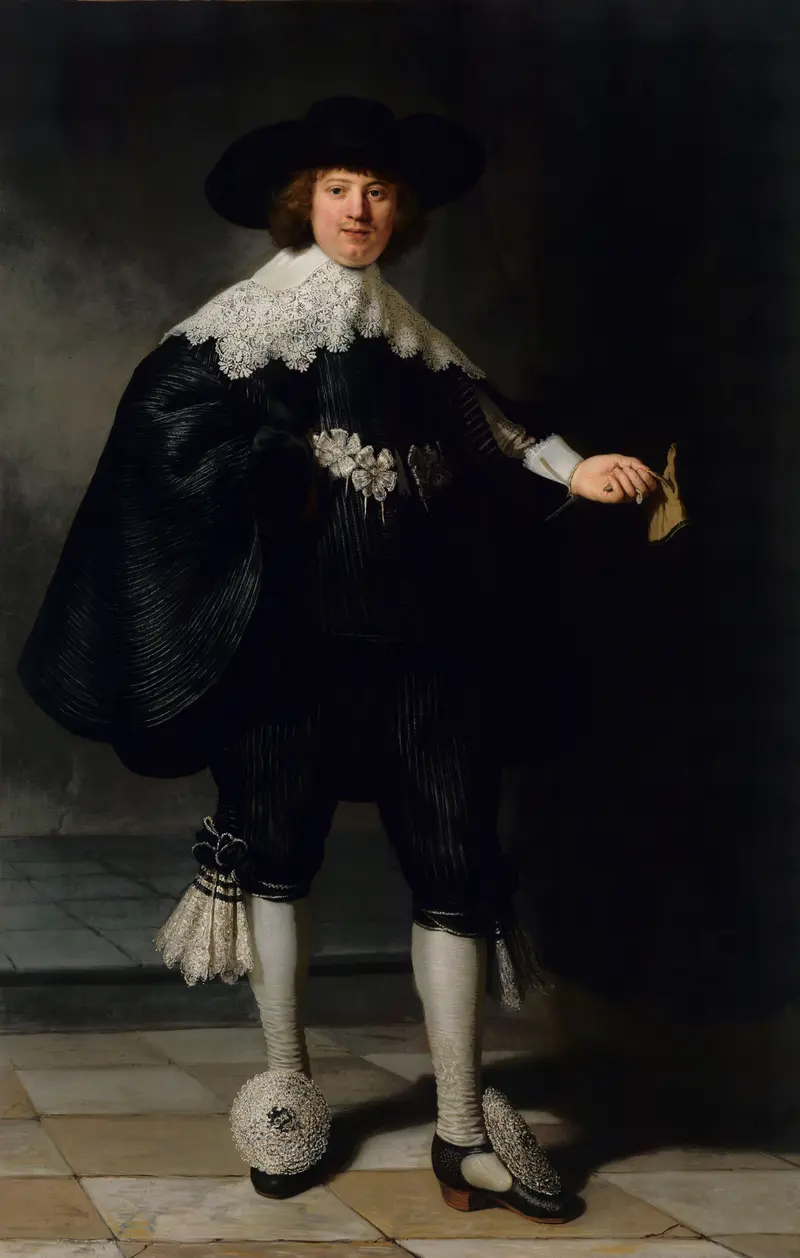
Portrait of Marten Soolmans
Rembrandt van Rijn
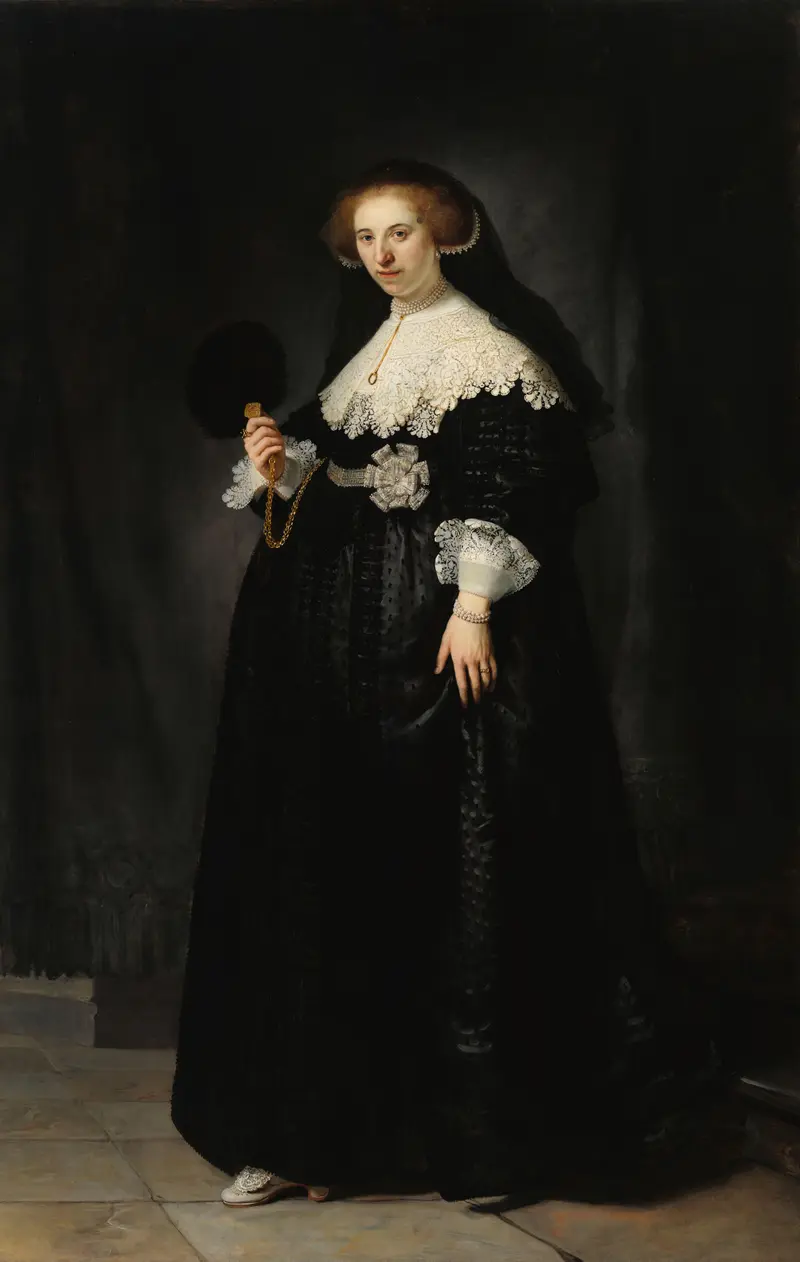
Portrait of Oopjen Coppit
Rembrandt van Rijn

The Prodigal Son in the Tavern
Rembrandt van Rijn
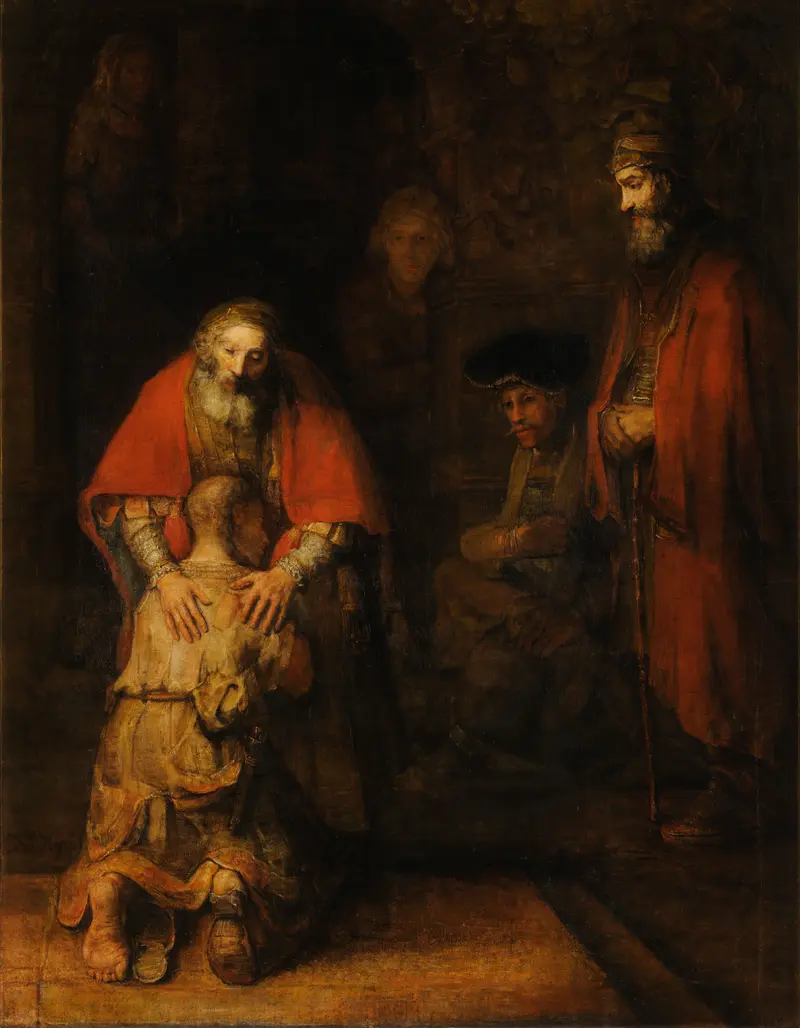
The Return of the Prodigal Son
Rembrandt van Rijn
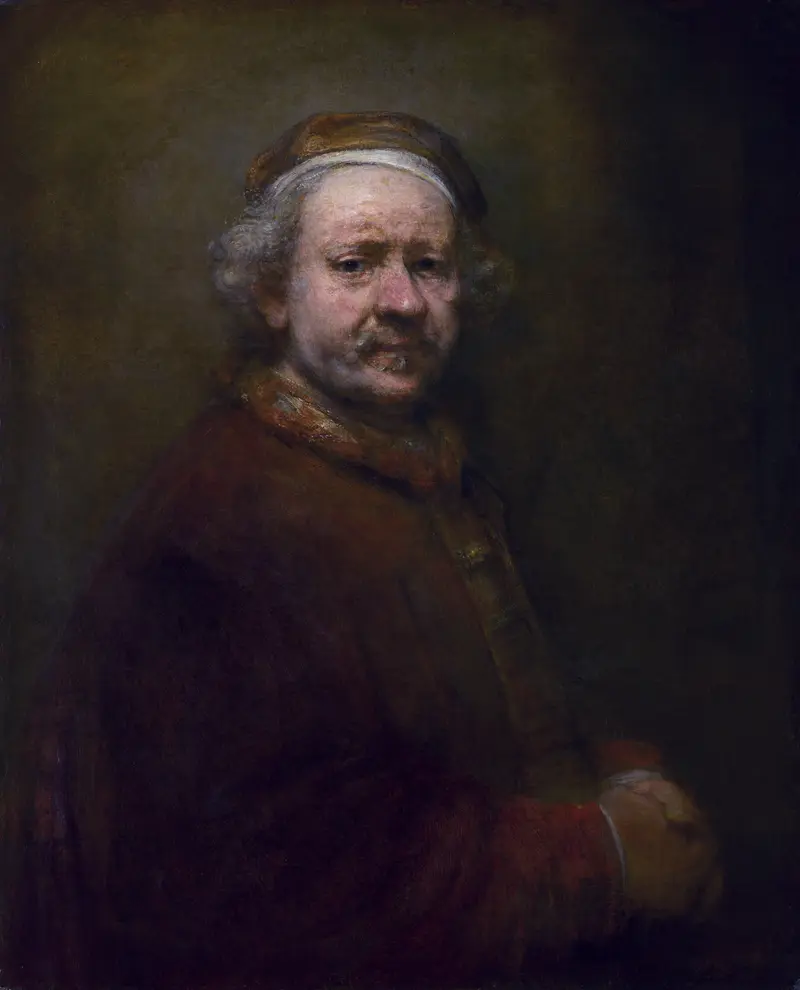
Self-Portrait at the Age of 63
Rembrandt van Rijn