Discover insights about this artwork
Study of an Angel in Rubens’ ‘The Prophet Elijah’ — History & Facts
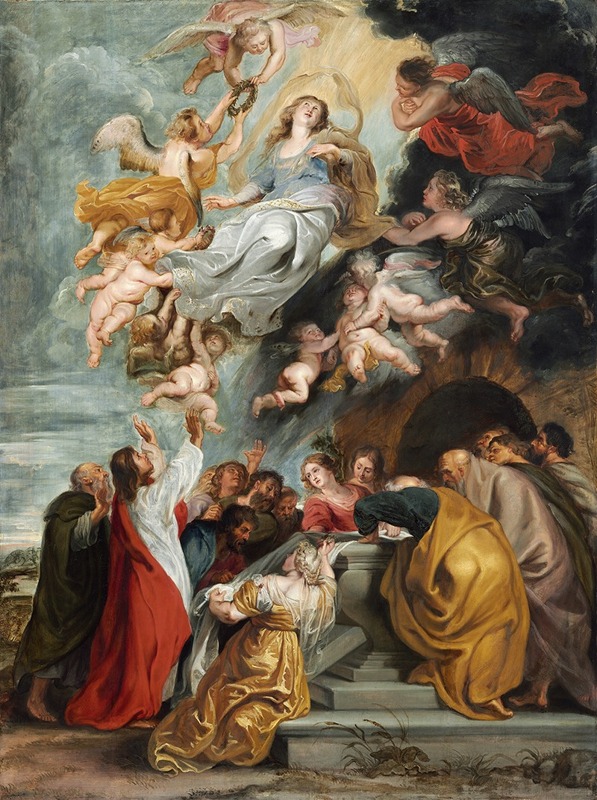
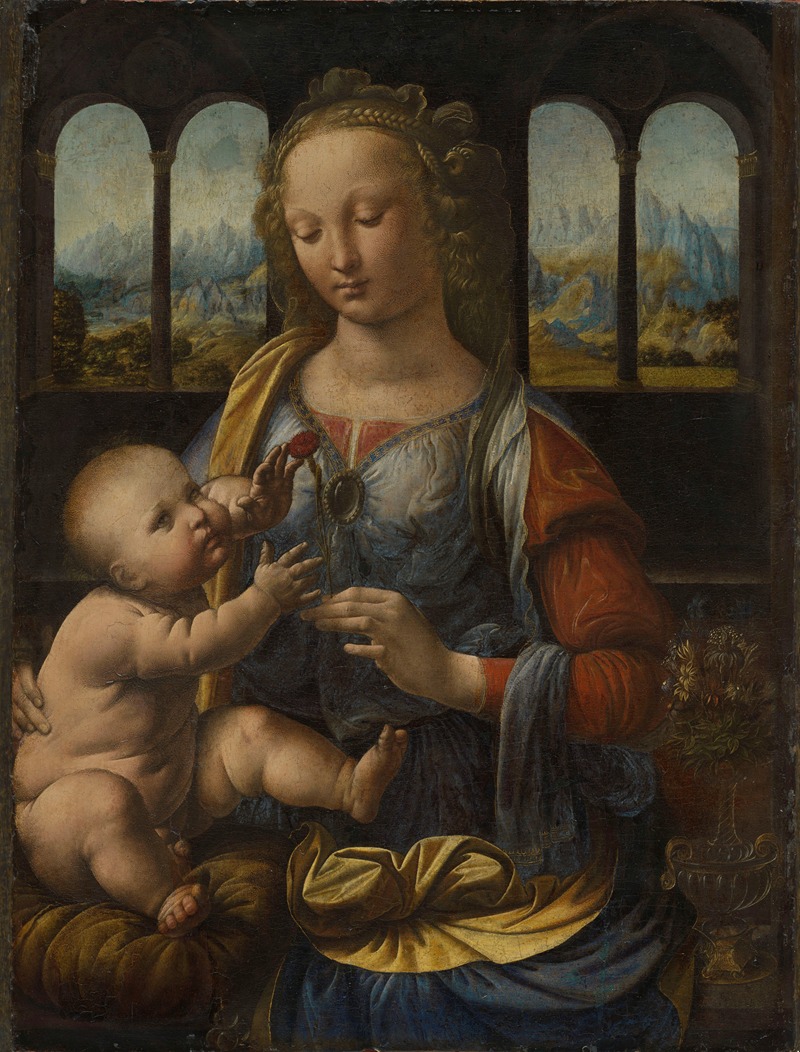
In Study of an Angel in Rubens’ ‘The Prophet Elijah’, Paul Cézanne captures a serene angelic figure. The colors are soft and muted, primarily featuring shades of blue, white, and gold. The angel appears to be in a contemplative pose, surrounded by a gentle light that highlights its features.
The background is abstract, allowing the figure to stand out prominently. This work is executed in oil on canvas, a medium that allows for rich texture and depth. The dimensions are approximately 50 x 70 cm, making it a moderately sized piece. Cézanne's brushwork is visible, with visible strokes that create a sense of movement and life.
The composition is balanced, drawing the viewer's eye to the angel's face. Paul Cézanne, known for his role in the transition from 19th-century Impressionism to 20th-century Cubism, created this study in the 1890s. This work reflects his interest in form and structure, as he often reinterpreted classical subjects. An interesting fact about this piece is that it serves as a study for a larger work, demonstrating Cézanne's methodical approach to painting.
The study showcases his unique ability to blend color and form, marking a significant moment in his artistic development.
More Artworks by Paul Cézanne
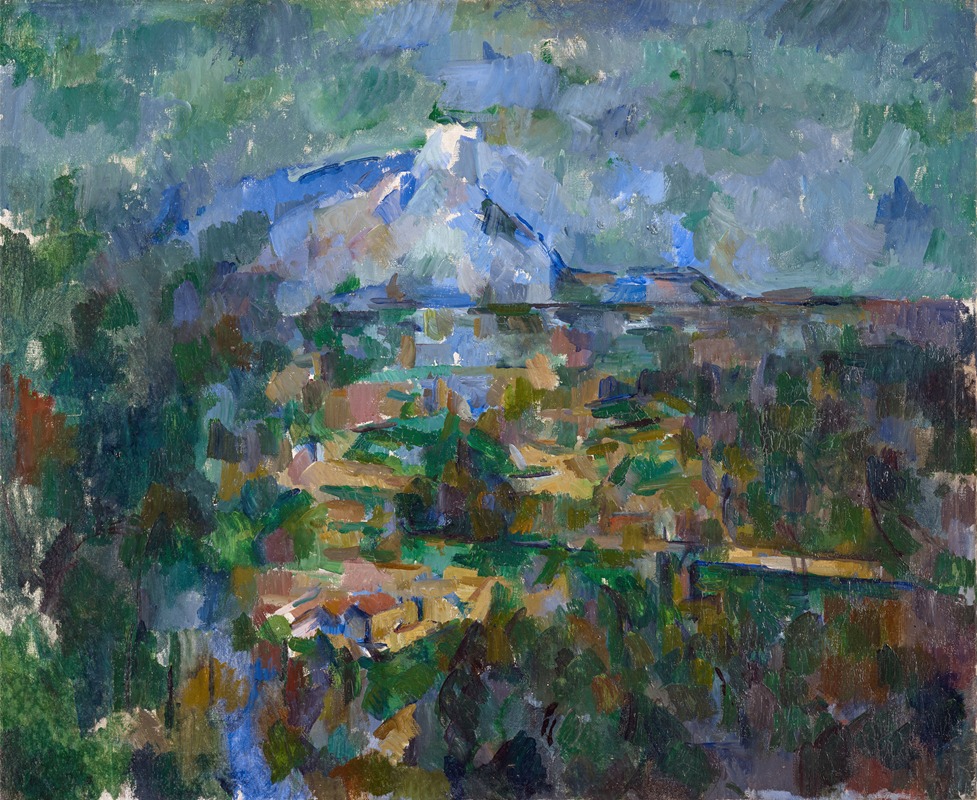
The Mont Sainte-Victoire Seen From Les Lauves
Paul Cézanne
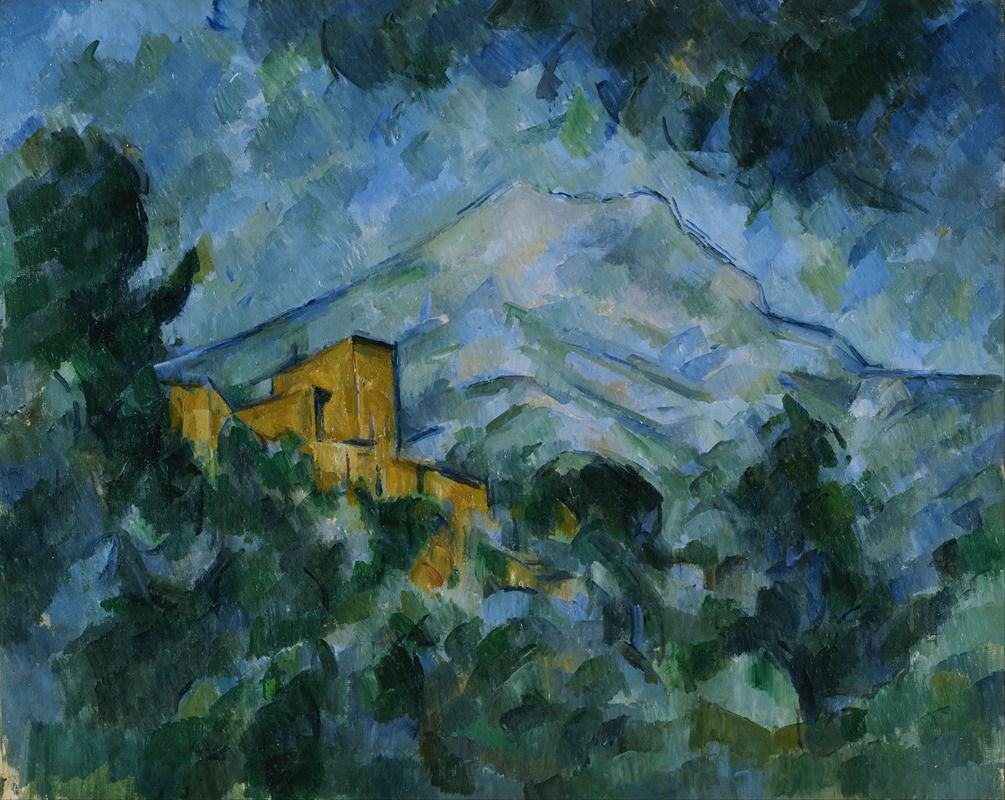
Mont Sainte-Victoire and Château Noir
Paul Cézanne
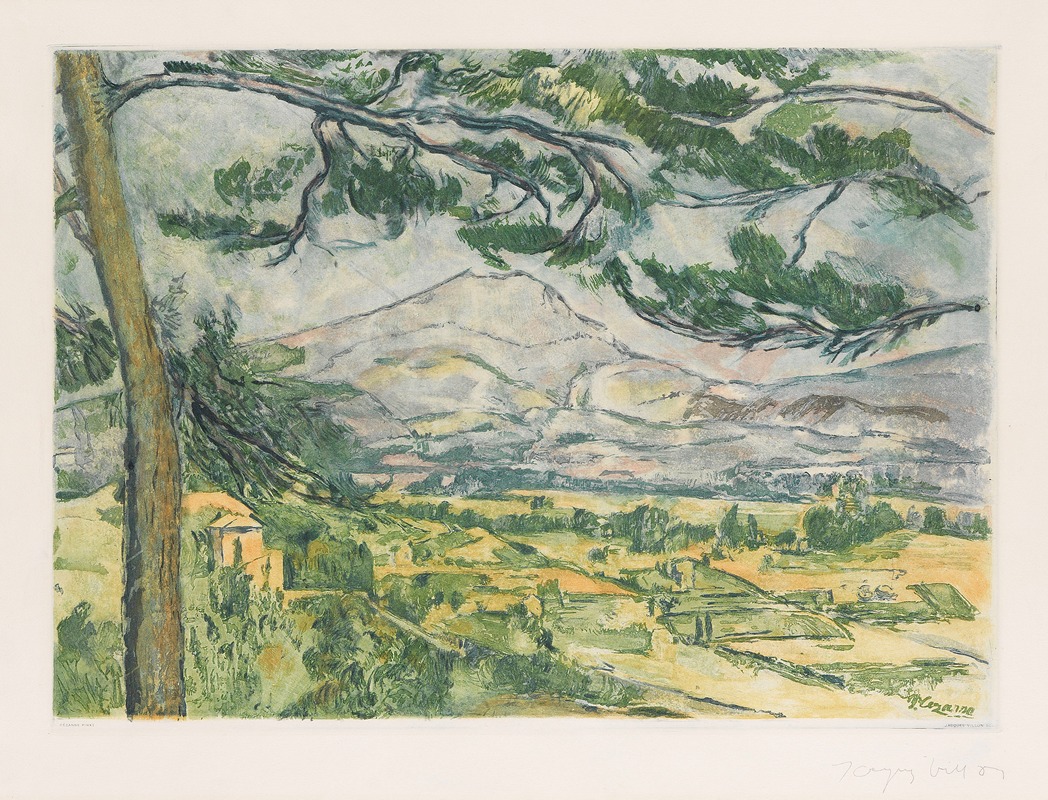
La Montagne Sainte-Victoire
Paul Cézanne
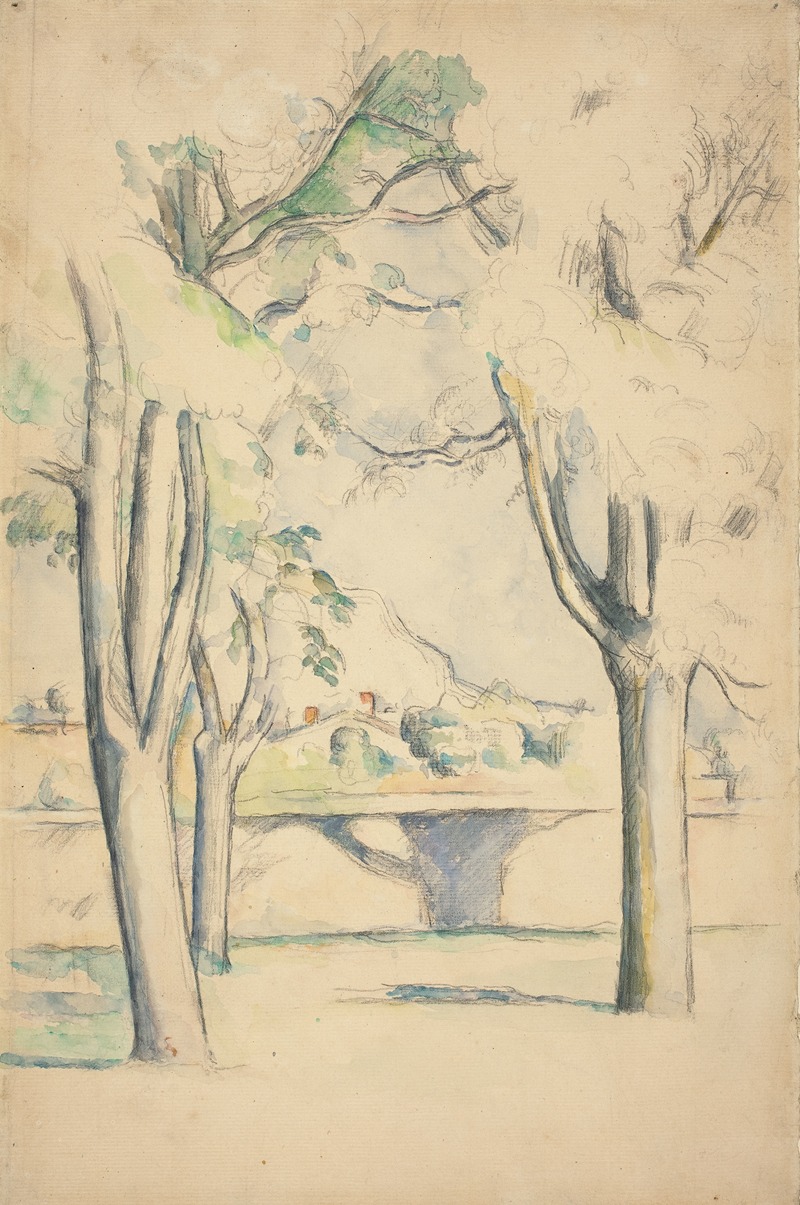
Mont Sainte-Victoire Seen beyond the Wall of the Jas de Bouffan
Paul Cézanne
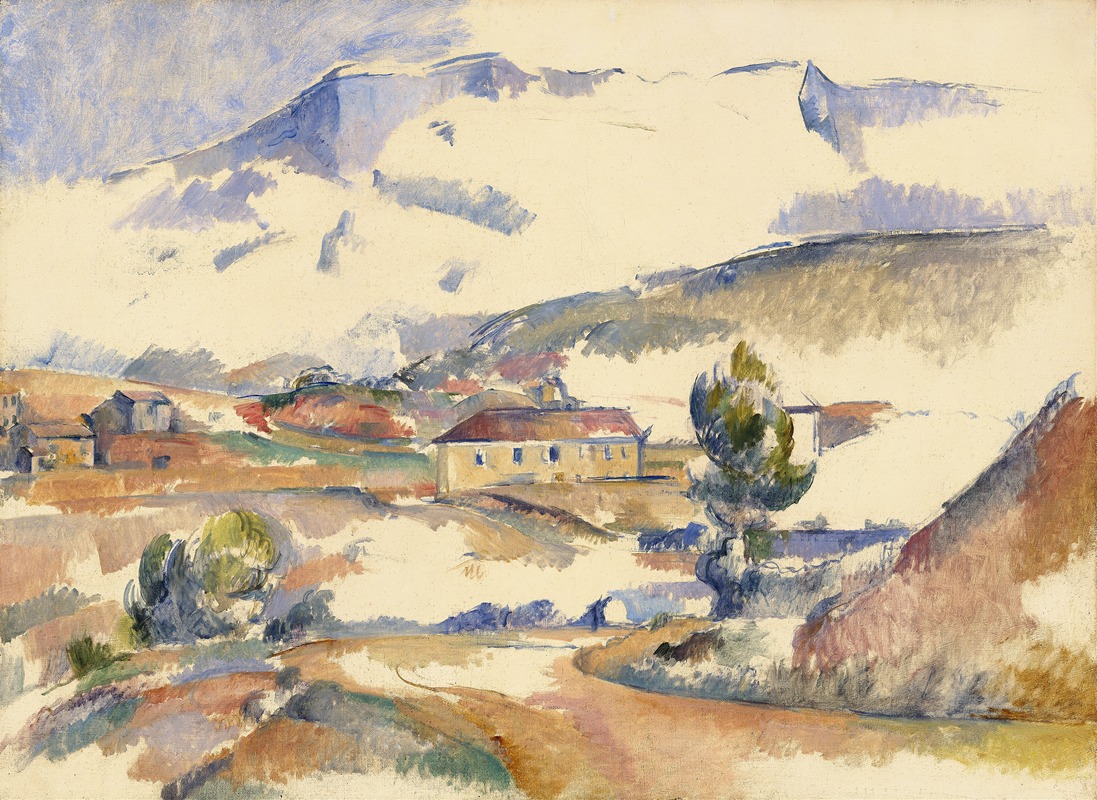
Montagne Sainte-Victoire,from near Gardanne
Paul Cézanne
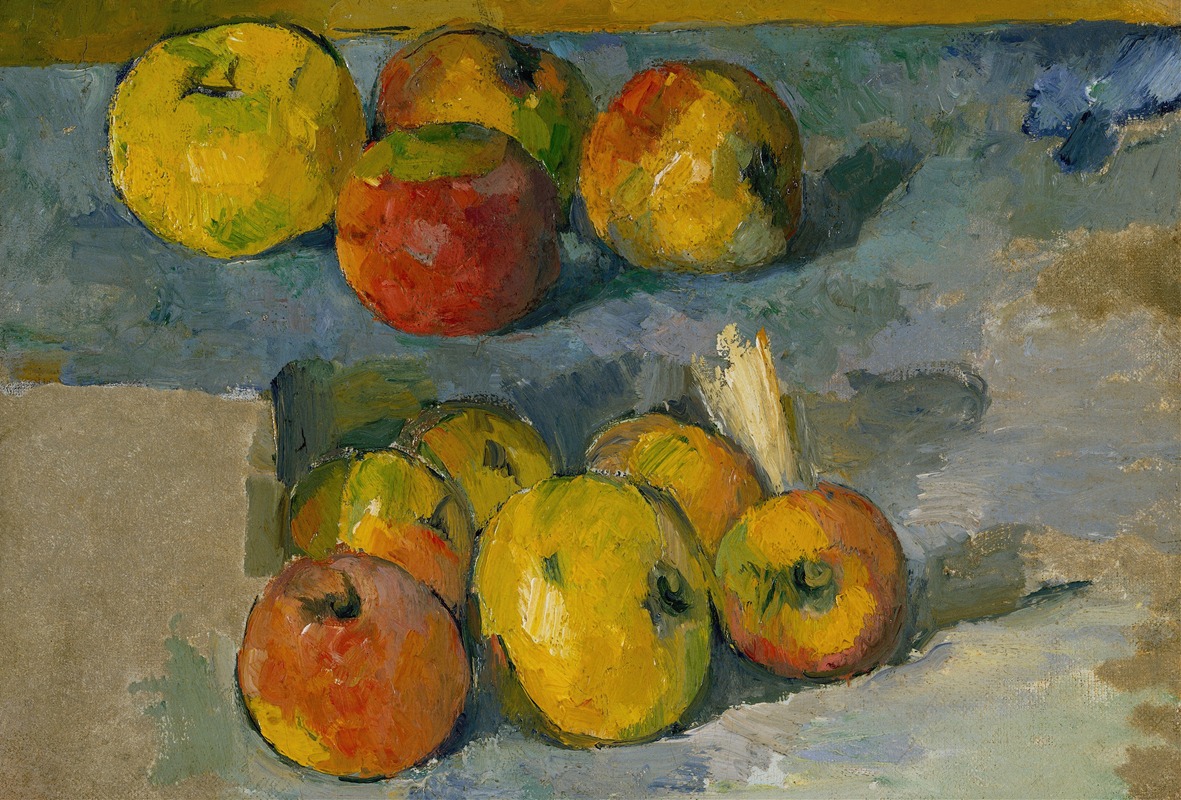
Apples
Paul Cézanne
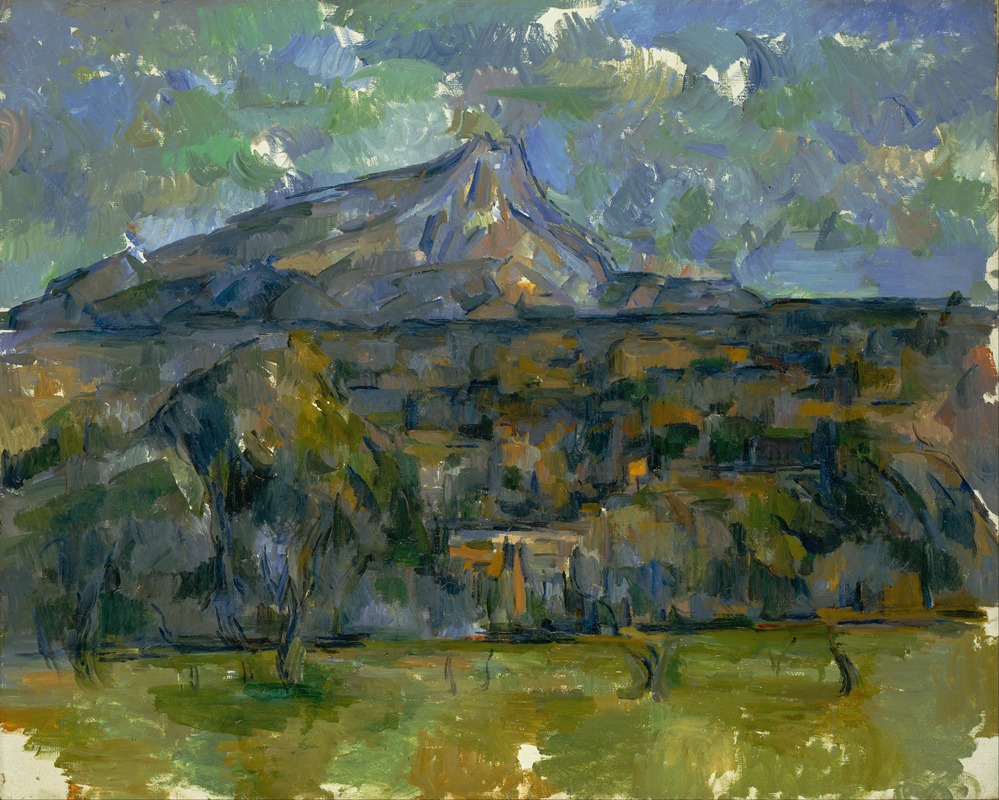
Mont Sainte-Victoire
Paul Cézanne
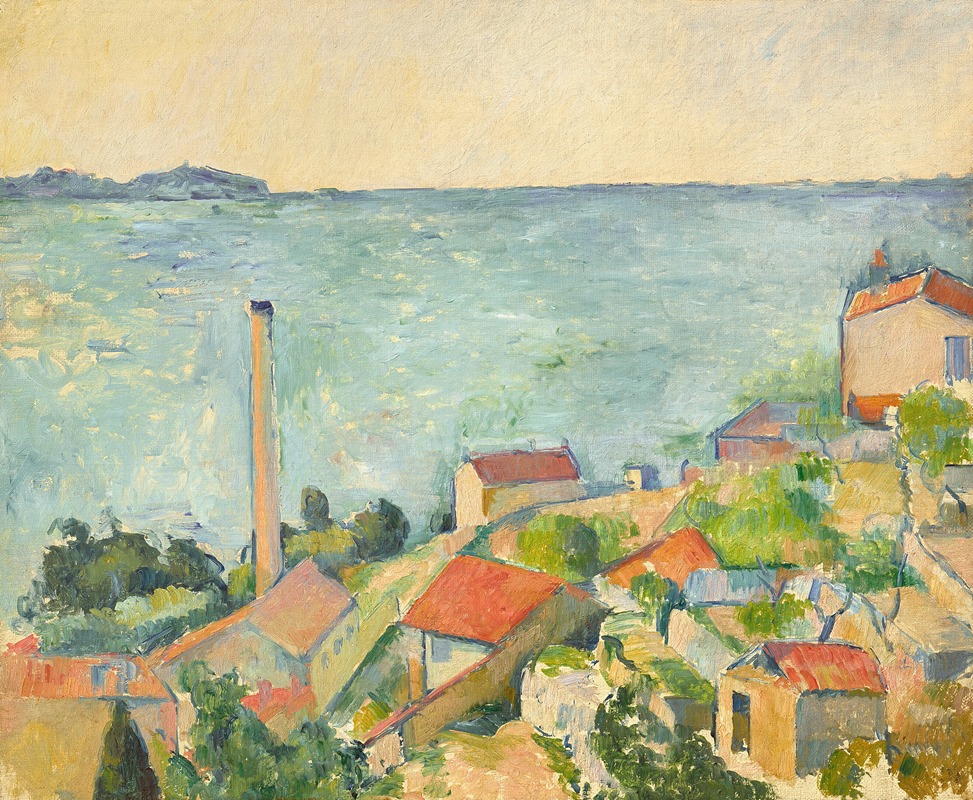
La mer à l’Estaque
Paul Cézanne
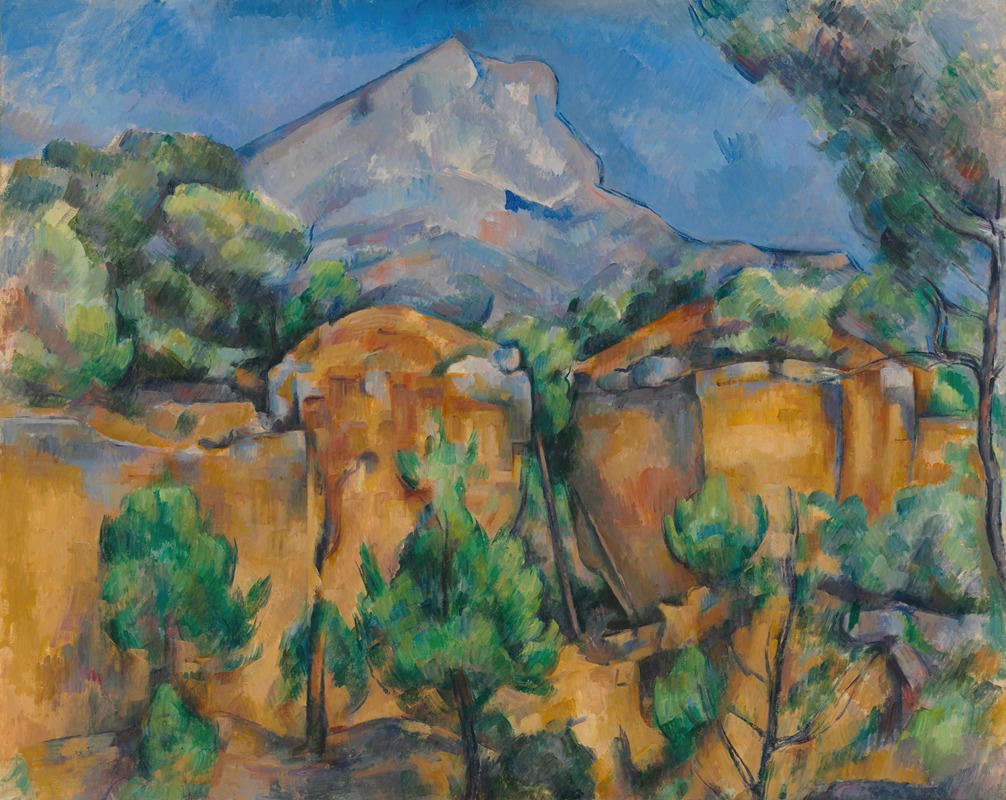
La Montagne Sainte-Victoire vue de la carrière Bibémus
Paul Cézanne
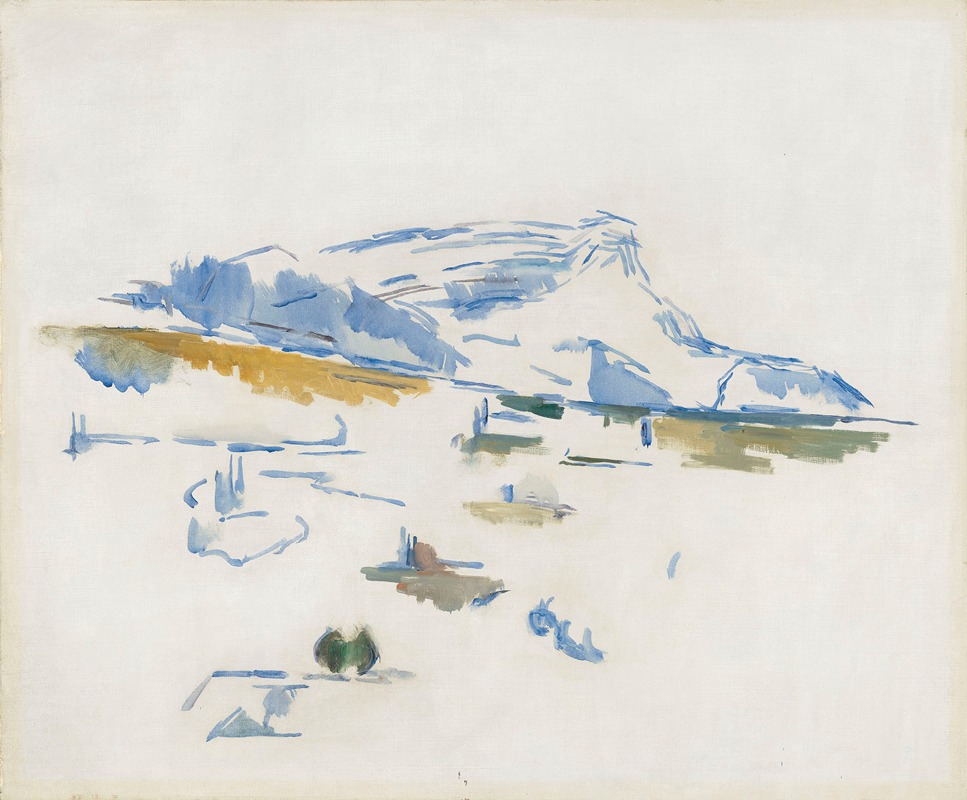
La Montagne Sainte-Victoire vue des Lauves
Paul Cézanne