
Study of Beeches — History & Facts
Who listens when art speaks of silence? In Study of Beeches, the tranquility of nature invites viewers to ponder their own existence amid the towering trees, symbolizing transcendence. Look to the left at the graceful curvature of the beech tree trunks, their smooth bark reflecting muted greens and gentle browns. Notice how the dappled light filters through the leaves, casting intricate patterns on the ground, while the soft brushstrokes evoke a sense of calm. The composition, balanced yet dynamic, draws the eye upward, leading into the harmonious canopy where branches intertwine like whispered secrets. The interplay between light and shadow reveals a deeper emotional landscape.
Each tree stands as a sentinel, embodying resilience in their steadfastness while simultaneously inviting introspection. The delicate rendering of foliage suggests life teeming within the stillness, hinting at a world beyond the frame that remains unseen yet felt. The contrast between the vibrant greens and earth-toned browns evokes a rich tapestry of life and decay, inviting reflection on the cycle of existence. Created in 1872, this work emerged during a pivotal time for John Frederick Kensett, who was immersed in the American landscape painting movement.
The artist painted this piece in Connecticut, a state marked by rapid industrialization, yet he remained devoted to capturing the serenity of nature. In a world increasingly dominated by urbanization, even a simple study of trees like those here speaks volumes about the enduring beauty and significance of the natural world.
More Artworks by John Frederick Kensett
Browse all →
White Mountains from Shelburne, NH
John Frederick Kensett

An October Day in the White Mountains
John Frederick Kensett
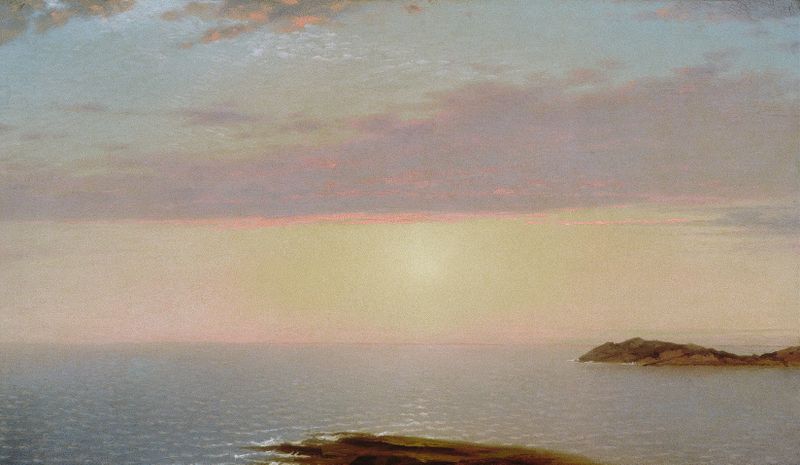
Sunset
John Frederick Kensett
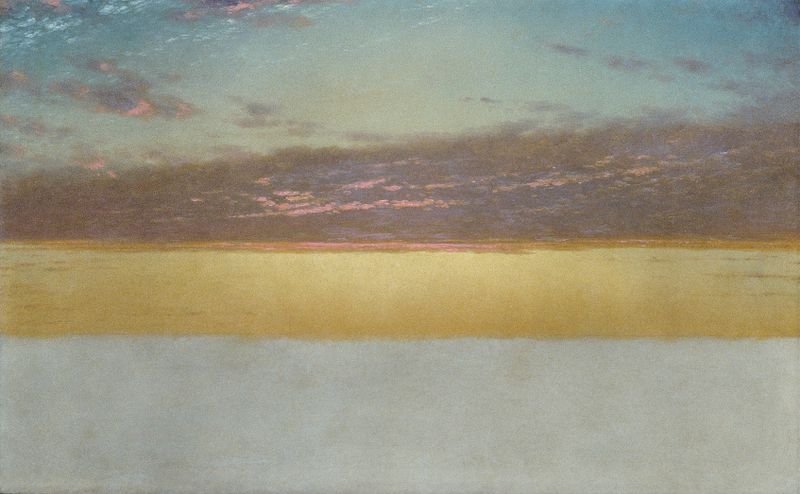
Sunset Sky
John Frederick Kensett
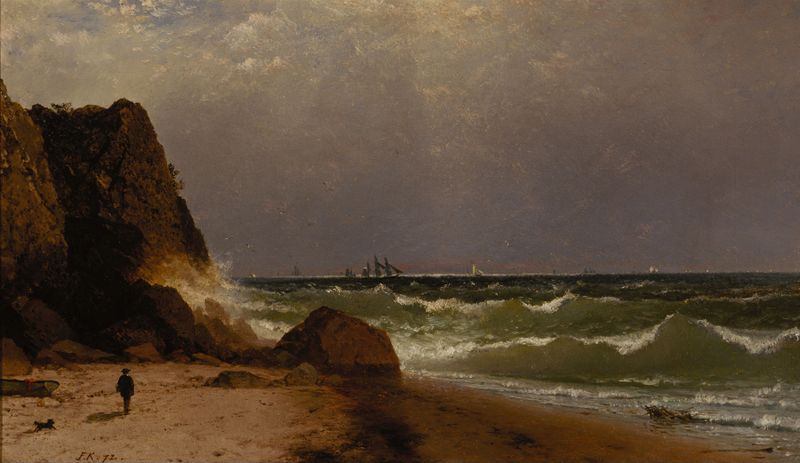
Near Newport, Rhode Island
John Frederick Kensett
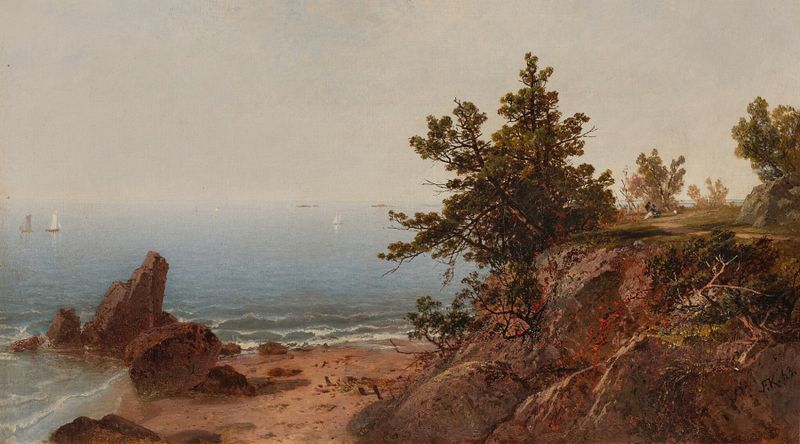
View from the Cliff (Noon on the Seashore)
John Frederick Kensett
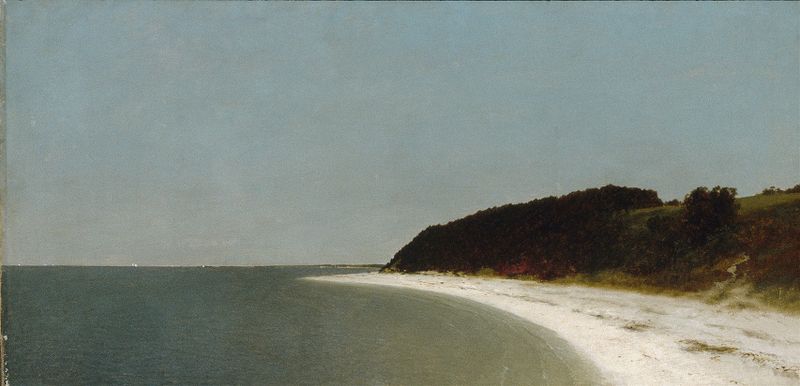
Eaton’s Neck, Long Island
John Frederick Kensett
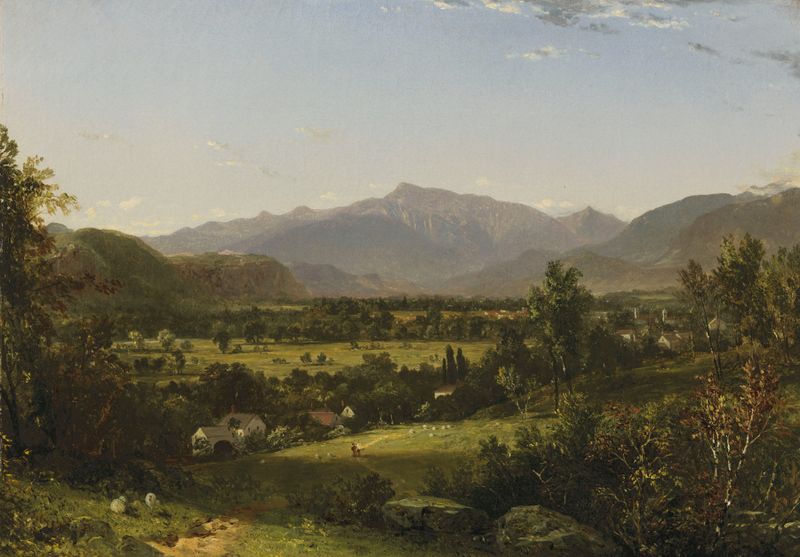
Mount Washington from North Conway
John Frederick Kensett
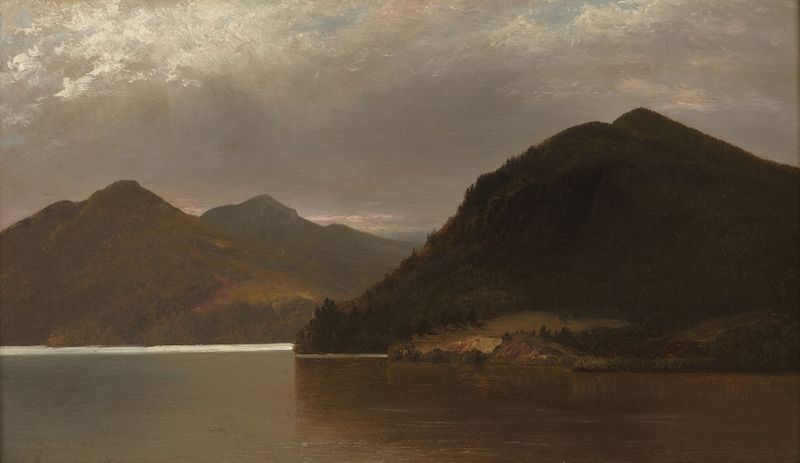
Lake George
John Frederick Kensett
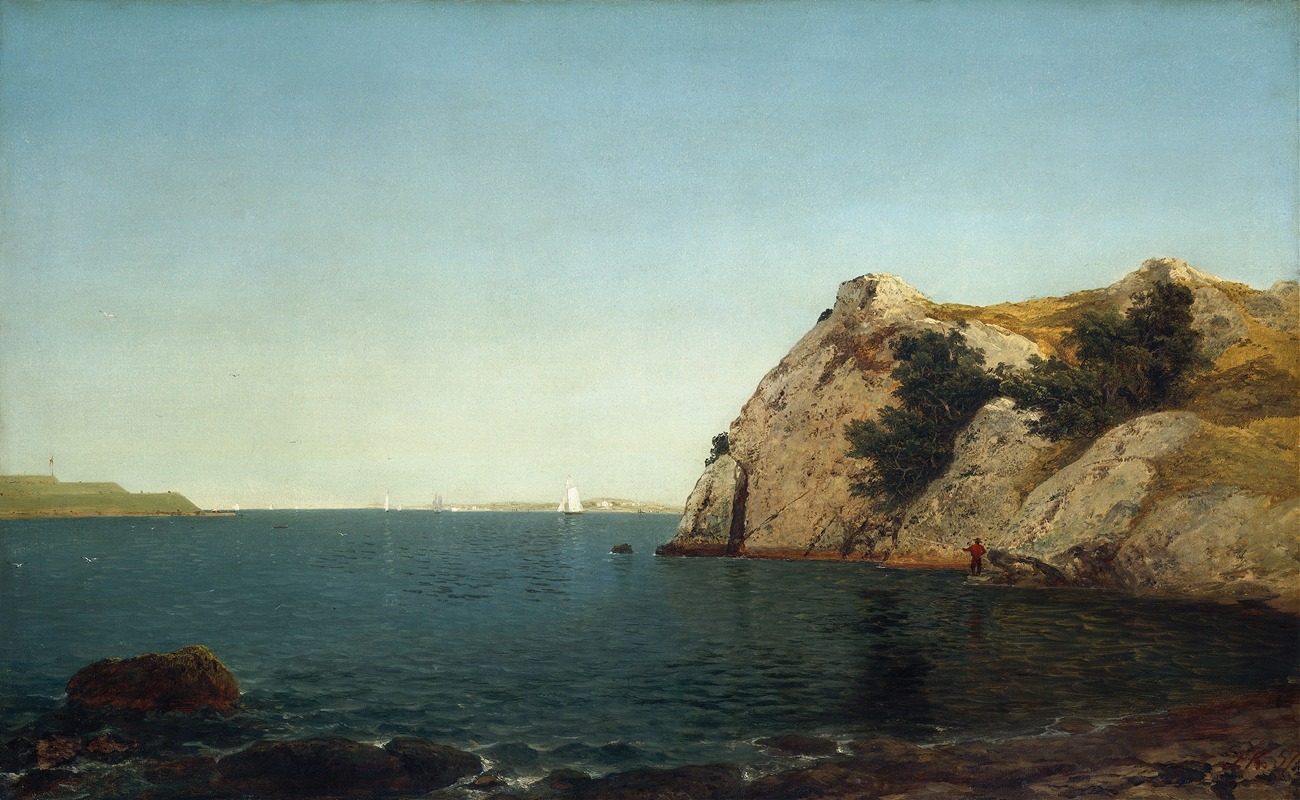
Near Newport
John Frederick Kensett





