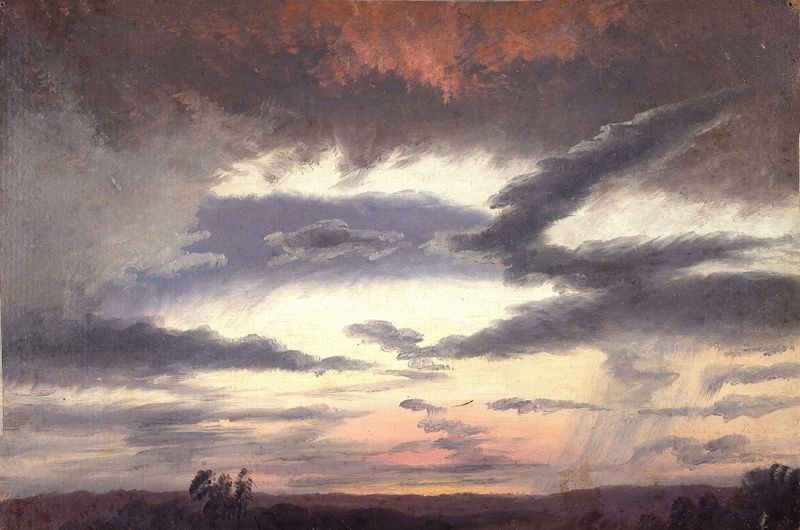
Study of Clouds in Moonlight — History & Facts
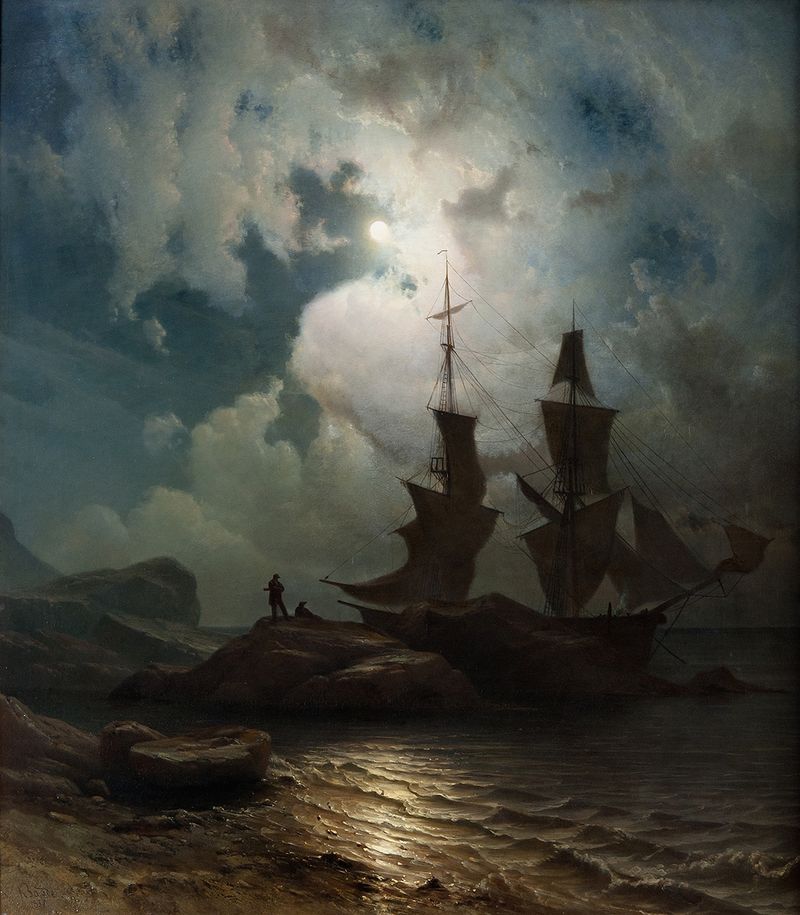
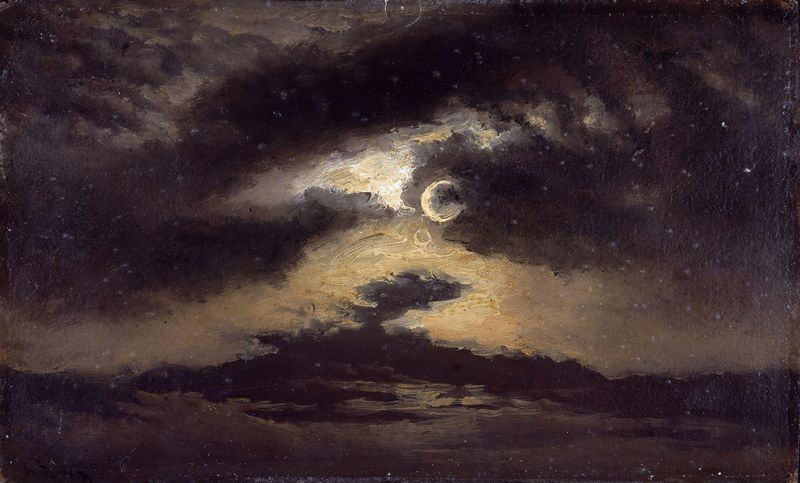
In moments of stillness, the weight of loss lingers, waiting for the light to reveal the beauty buried beneath sorrow. Focus on the sweeping expanse of the canvas, where deep blues and soft whites mingle. Look to the horizon, where the moon's silvery glow gently caresses the clouds, illuminating their delicate forms against a backdrop of velvety night. Notice how the brushstrokes blend seamlessly, creating an ethereal quality that invites you to wander through the shadows, each hue whispering secrets of yearning and nostalgia. As you immerse yourself in the painting, consider the interplay between light and dark—the moon, a solitary sentinel illuminating the clouds, resonates with themes of isolation.
The clouds themselves, ephemeral and ever-changing, mirror the transient nature of memory and loss, evoking a sense of longing for what has passed. Here, each soft curve and shadow tells a story of heartache, transcending mere representation to touch upon the universal experience of absence. Knud Baade created this work in 1848 while living in Norway, a time when his artistic vision was deeply influenced by the Romantic movement. The world was shifting, filled with social upheaval and a growing appreciation for nature’s sublime beauty.
At this juncture in his life, Baade was exploring his emotional connection to the landscape, using the medium of painting to grapple with both personal and broader existential themes.