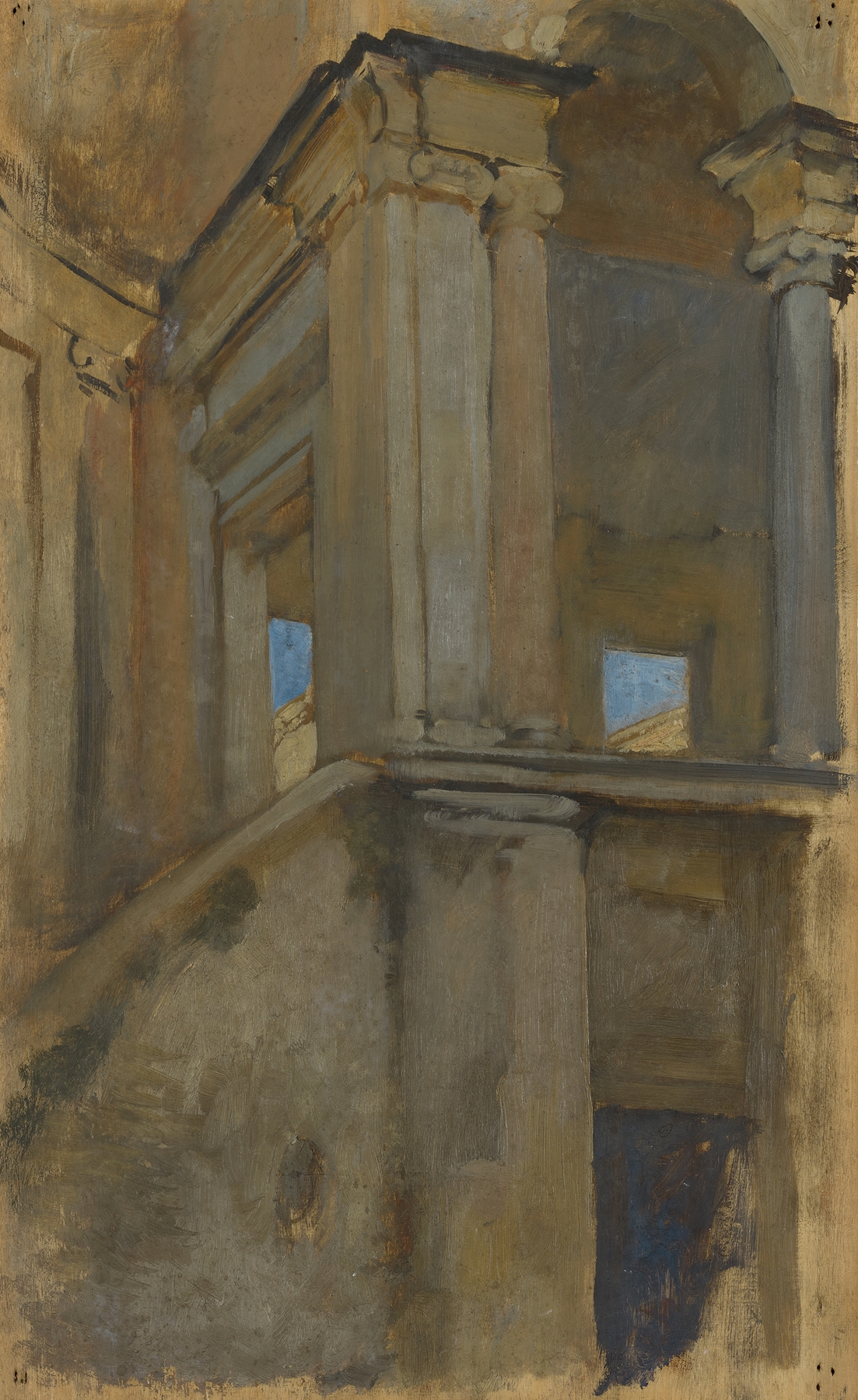
Study of exterior of a red brick building — History & Analysis
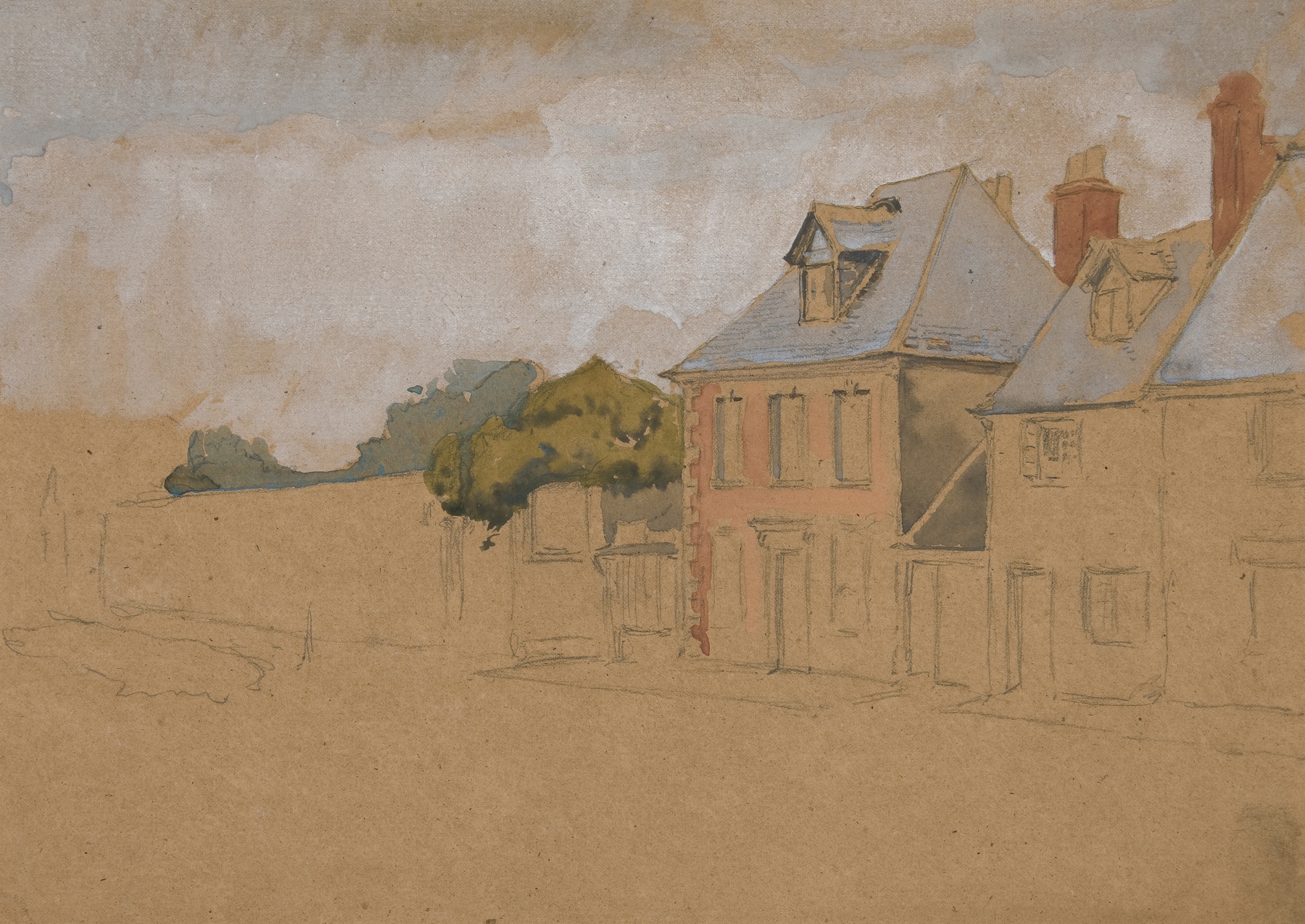
“Art reveals the soul when the world turns away.” In stillness and solitude, the essence of truth finds expression through the careful strokes of an artist's brush. What if the beauty of life is discovered not in grand gestures, but in the quiet, unassuming structures that frame our everyday experiences? Focus on the deep reds and earthy tones that envelop the brick facade, inviting your gaze to traverse its surface. Notice how the light dances off the textured bricks, illuminating their rich hues and casting gentle shadows that accentuate the building's character.
The meticulous attention to detail in the windows and doorways draws you in, creating a sense of intimacy with the structure. Each brick tells a story, meticulously laid to form a testament to the passage of time. Within this seemingly straightforward study, contrasts emerge: the warmth of the building against the coolness of the surrounding air, the solidity of the bricks juxtaposed with the fleeting nature of light. Abbey captures not only the physical structure but also the weight of history it carries.
This study invites viewers to ponder architectural permanence contrasted with their own transient lives, each passing day weaving into the fabric of the building’s existence. Edwin Austin Abbey created this compelling piece during a time when American artists sought to define their identities amidst a rapidly changing world. While the exact date remains uncertain, Abbey was an influential figure in the late 19th and early 20th centuries, known for his ability to blend realism with narrative depth. His connection to the Arts and Crafts movement further emphasizes his dedication to craftsmanship and the enduring power of the built environment.