
Study of Rocks, Petra — History & Facts
Can beauty exist without sorrow? In Frederic Edwin Church's Study of Rocks, Petra, the answer unfolds amid stones that cradle both majesty and melancholy. Look to the center where jagged cliffs rise, their warm oranges and browns contrasting sharply with the cool blues of the sky. Notice how the light spills over the rocks, casting intricate shadows that create a sense of depth and movement. The meticulous brushwork reveals every crevice, each layer of stone telling a story of time’s relentless passage.
Surrounding these formations, delicate greenery hints at life’s persistence, a testament to rebirth amidst harshness. Beneath the surface, a tension between the ancient and the transient emerges. The rocks stand as silent witnesses to history, embodying endurance, while the vibrant foliage suggests hope and renewal. This juxtaposition resonates with the viewer, prompting contemplation of nature’s resilience against the wear of time and the inevitability of change.
The play of light not only highlights the physical contours but also evokes an emotional landscape, allowing sorrow and beauty to coexist. Created in 1868, this work reflects Church's deep engagement with natural landscapes and his travels to the Middle East. At this time, he was gaining recognition within the Hudson River School, capturing the sublime in nature with a romantic lens. This painting embodies his fascination with geological formations and the interplay between life and death, representing a moment in which the artist sought to convey profound truths through the splendor of the natural world.
More Artworks by Frederic Edwin Church
Browse all →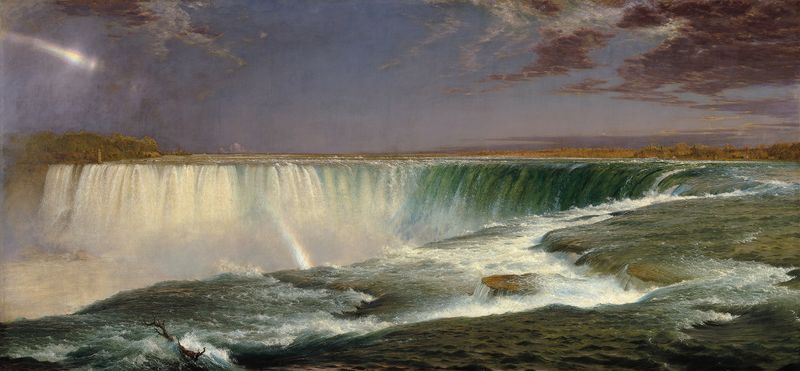
Niagara
Frederic Edwin Church
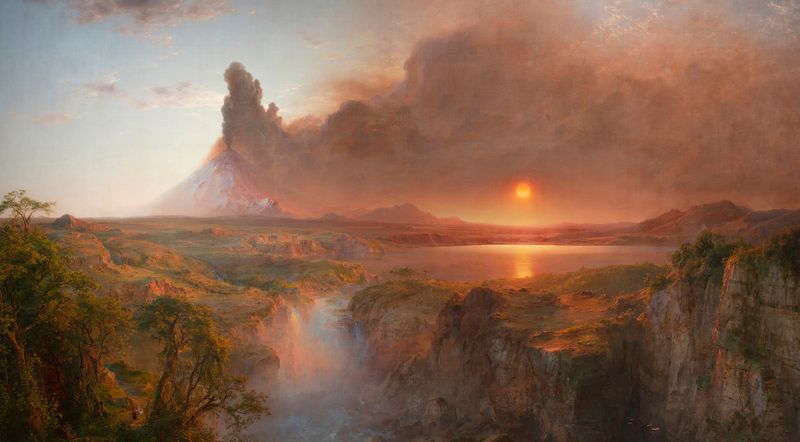
Cotopaxi
Frederic Edwin Church
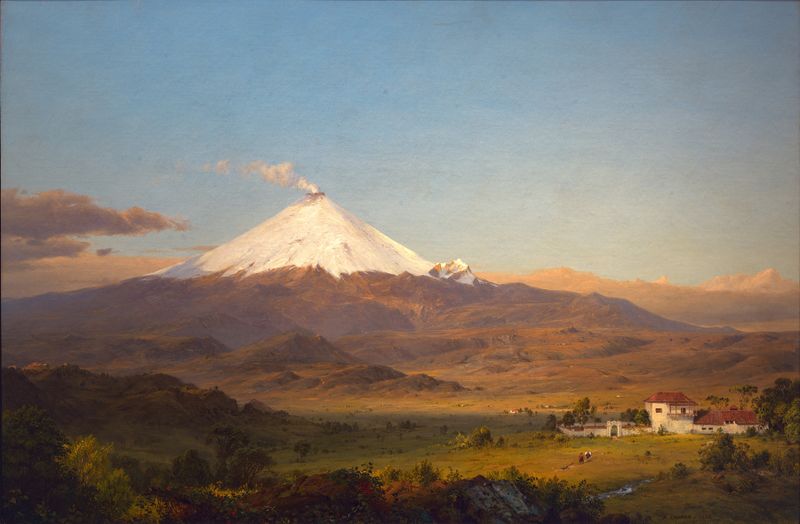
Cotopaxi
Frederic Edwin Church
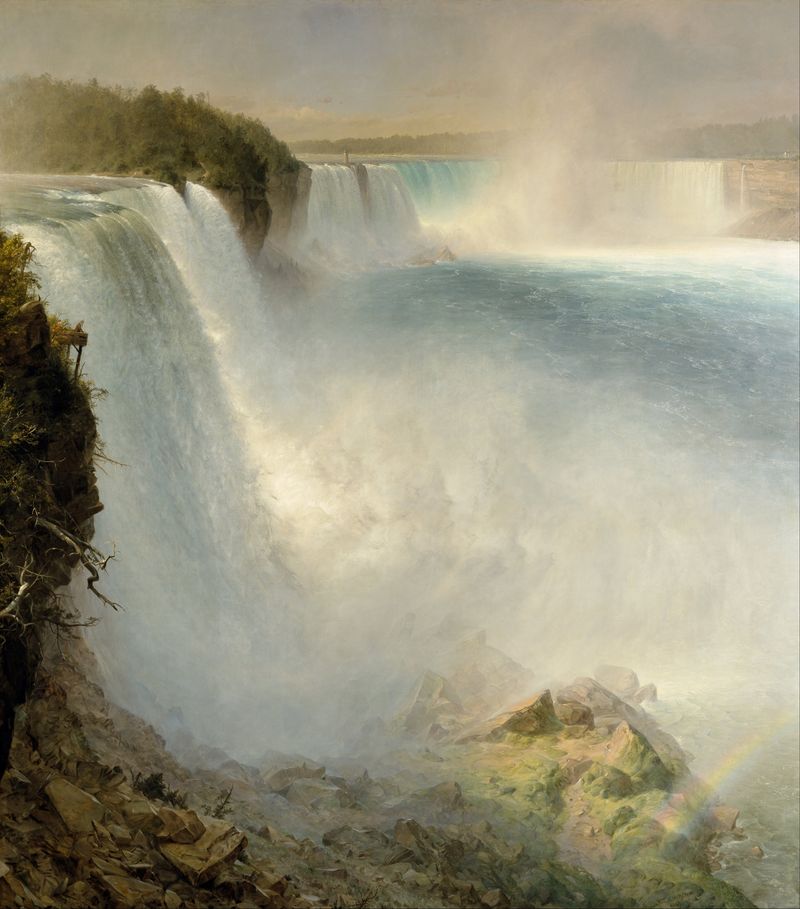
Niagara Falls, from the American Side
Frederic Edwin Church
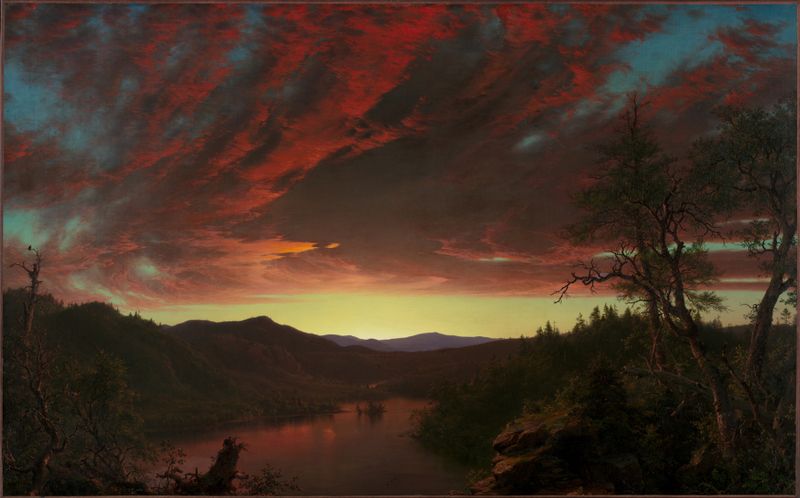
Twilight in the Wilderness
Frederic Edwin Church
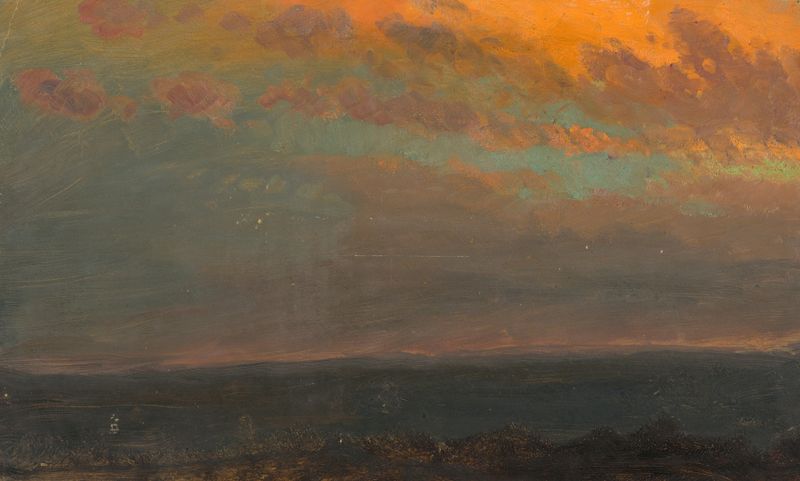
Hudson Valley at Sunset
Frederic Edwin Church
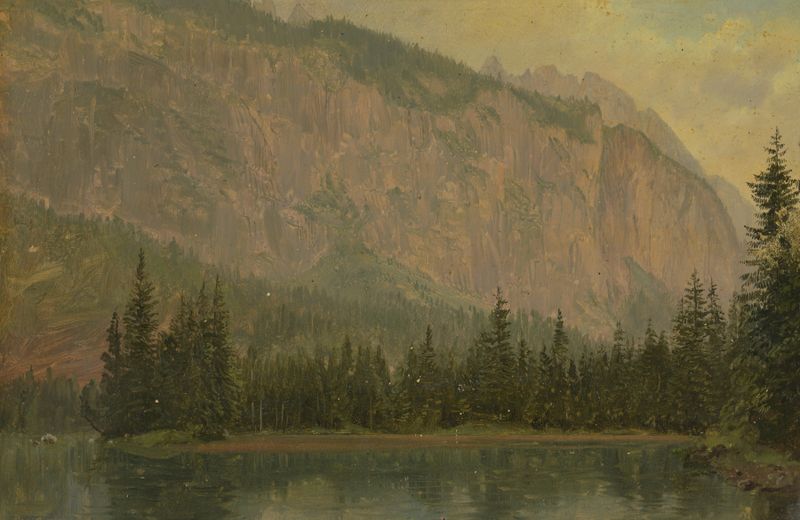
The Hintersee, near Berchtesgaden, Bavaria
Frederic Edwin Church
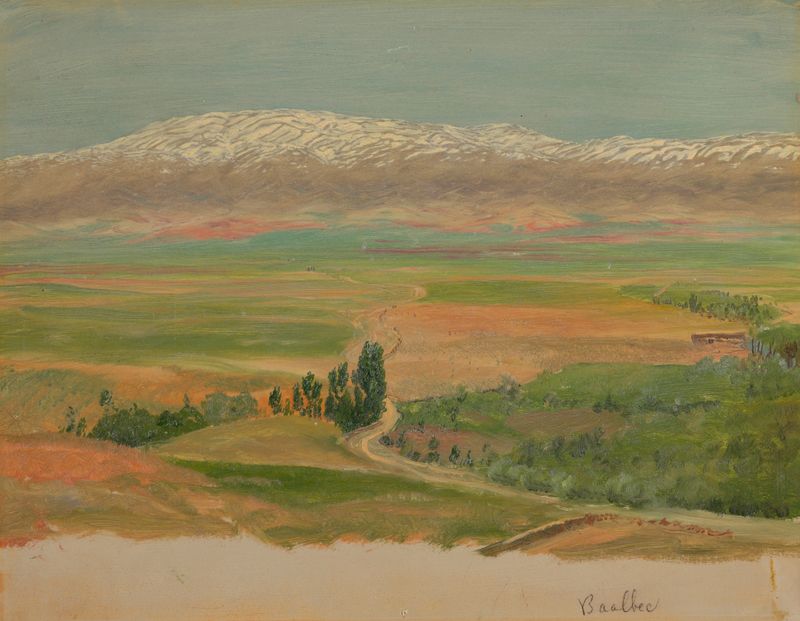
Mountains near Baalbec
Frederic Edwin Church
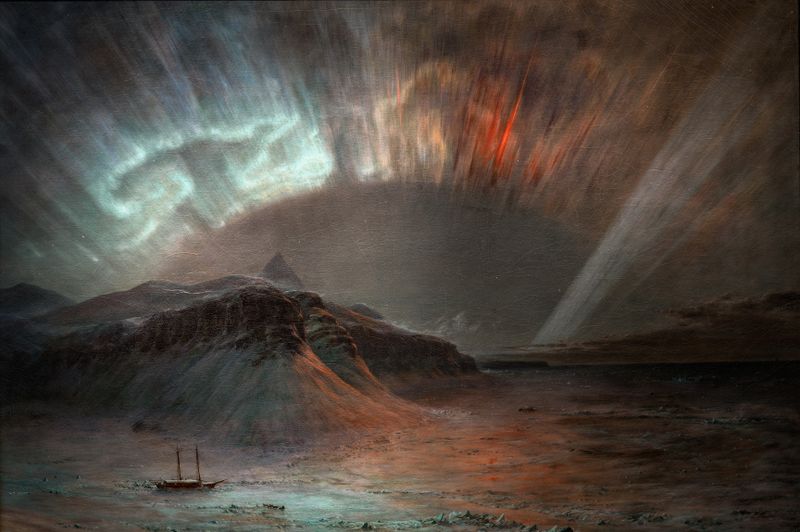
Aurora Borealis
Frederic Edwin Church
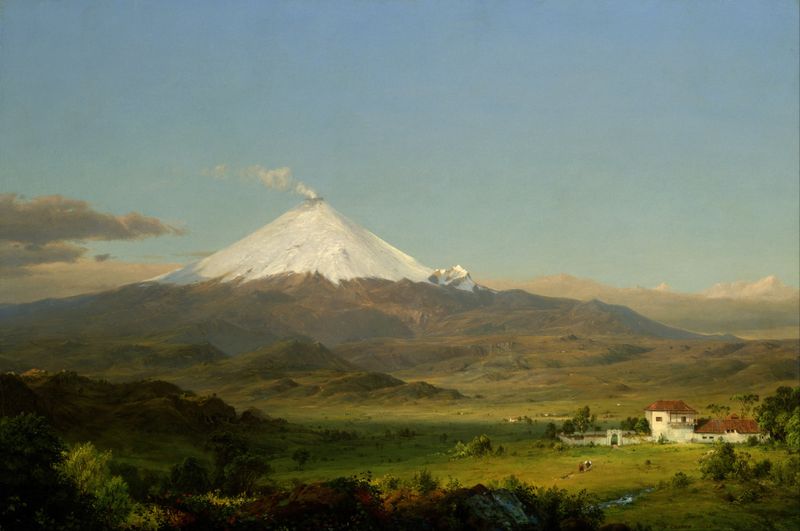
Cotopaxi
Frederic Edwin Church





