Discover insights about this artwork
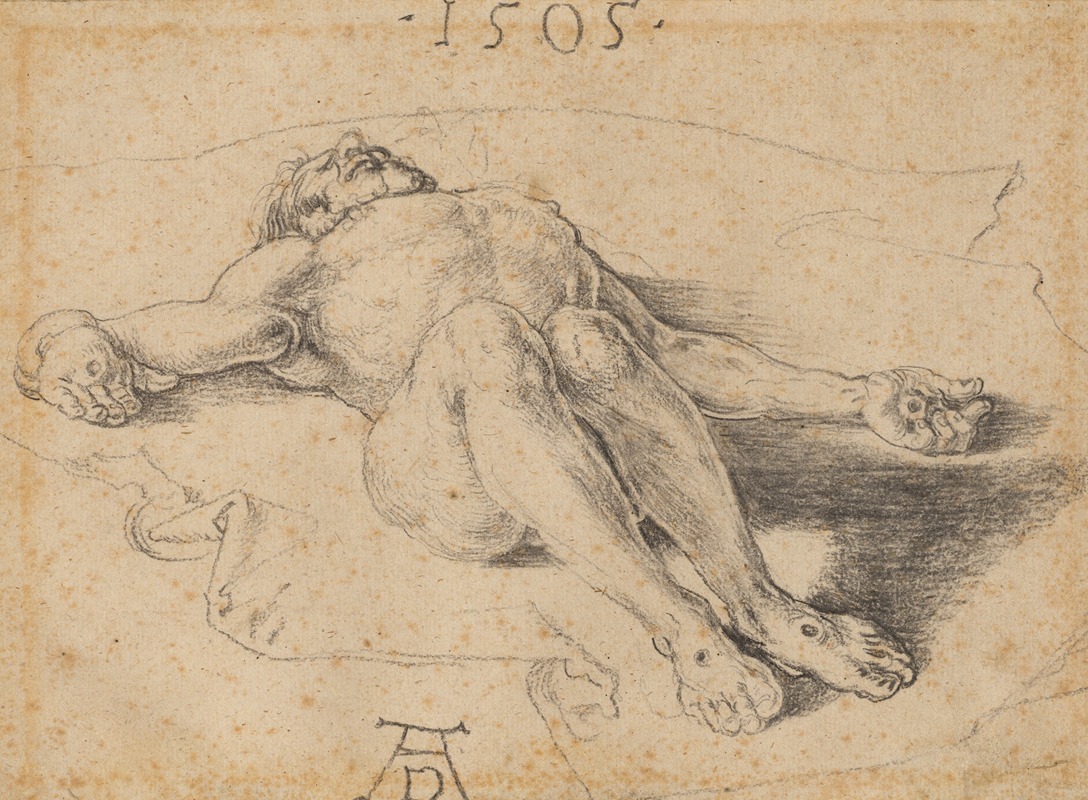
Study of the Good Thief — History & Facts
In Study of the Good Thief, Albrecht Dürer presents a solitary figure, likely representing the biblical good thief, crucified alongside Christ. The figure is depicted with a contemplative expression, set against a dark background that enhances the somber mood. Dürer employs a muted color palette dominated by browns and grays, which adds to the painting's reflective quality.
The detailed rendering of the figure's anatomy showcases Dürer's skill in capturing human emotion and physicality. This work is an engraving, a medium that allows for intricate details and fine lines, characteristic of Dürer's style. The dimensions are approximately 25 x 35 cm, making it a relatively small piece that invites close examination. Viewers can appreciate the precision of the lines and the careful shading that creates depth and volume in the figure.
Dürer's attention to detail is evident in the textures of the skin and the folds of the drapery. Albrecht Dürer was a leading figure of the Northern Renaissance, known for his innovative techniques and profound understanding of human anatomy. The Study of the Good Thief is particularly interesting as it reflects Dürer's exploration of religious themes and moral questions. This engraving is part of a series of works that delve into the concept of redemption and the human condition.
Dürer's ability to convey complex ideas through simple imagery is what makes this piece notable.
More Artworks by Albrecht Dürer
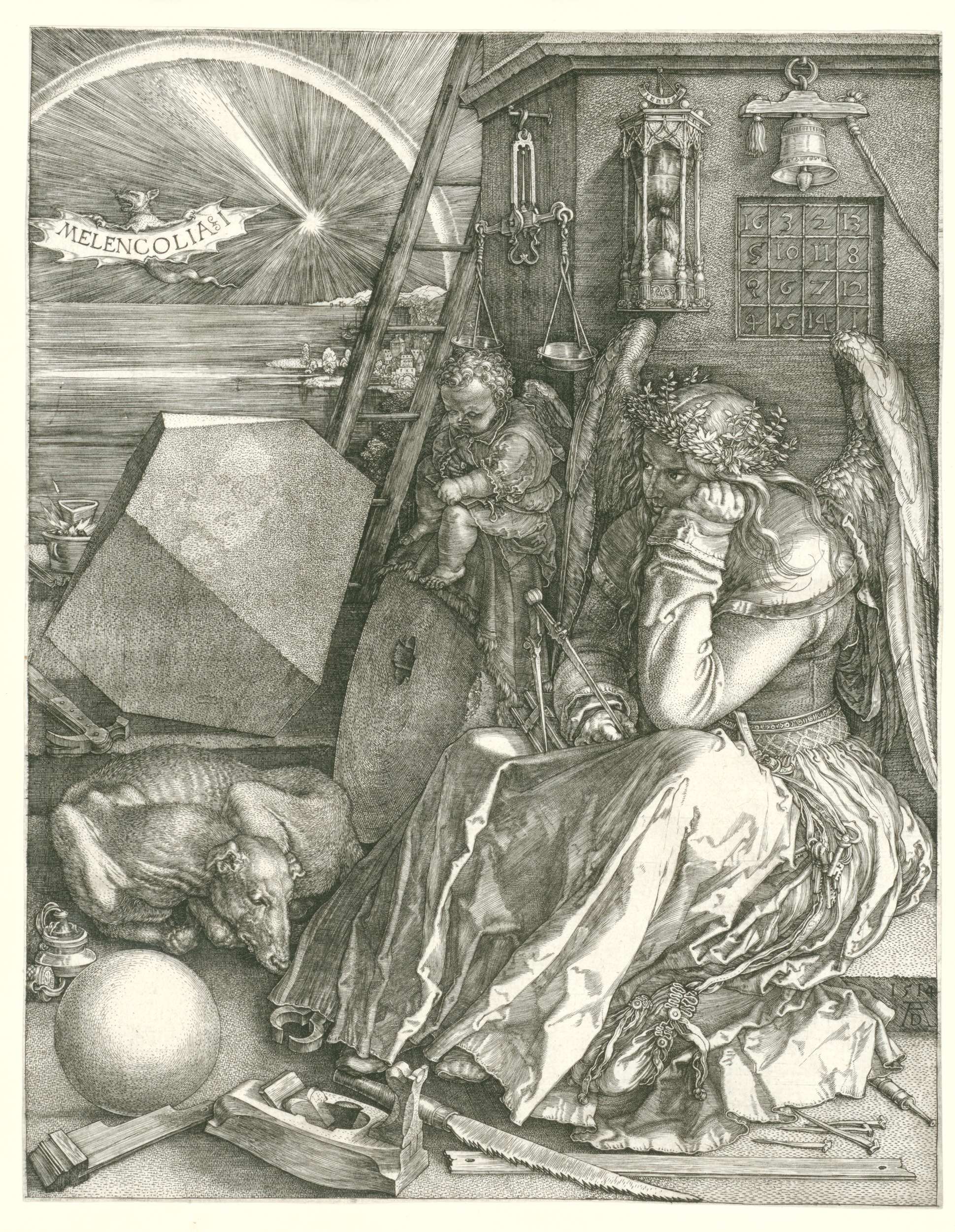
Melancholia
Albrecht Dürer

St. George and the dragon.
Albrecht Dürer

Adam and Eve (The Fall of Man)
Albrecht Dürer
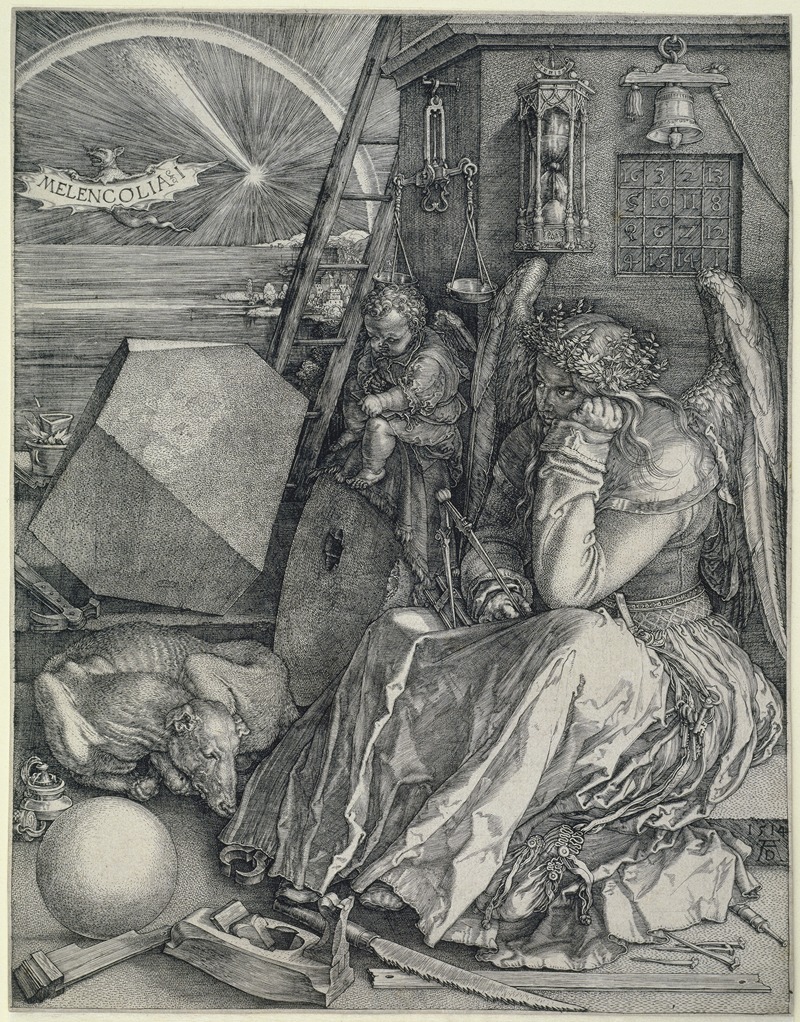
Melencolia I (The Melancholy)
Albrecht Dürer
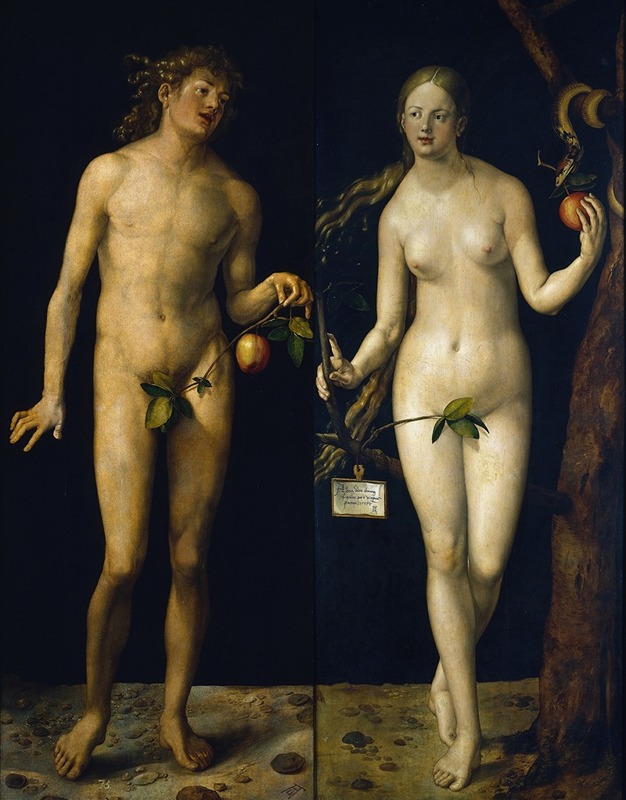
Adam And Eve
Albrecht Dürer
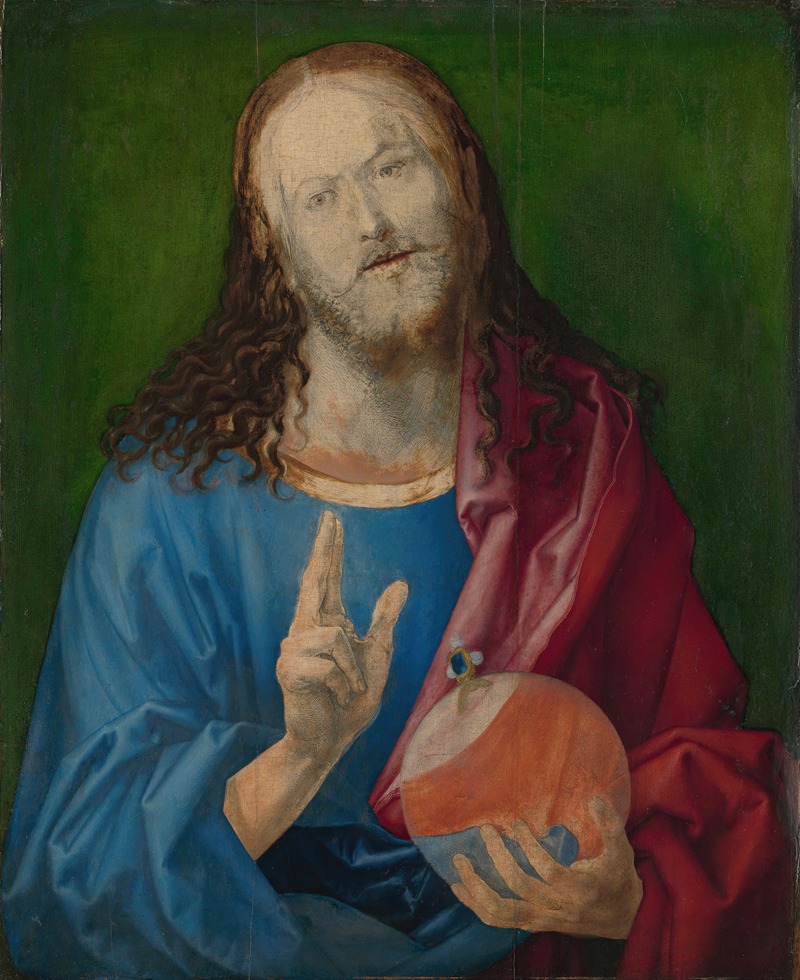
Salvator Mundi
Albrecht Dürer
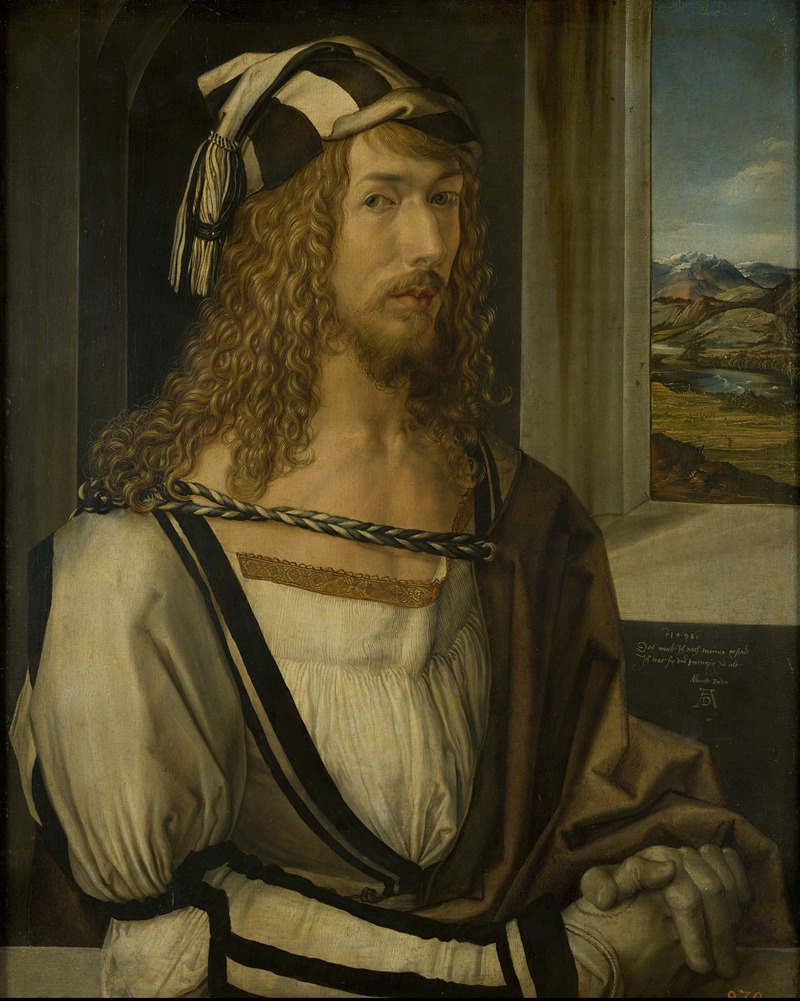
Self-portrait
Albrecht Dürer
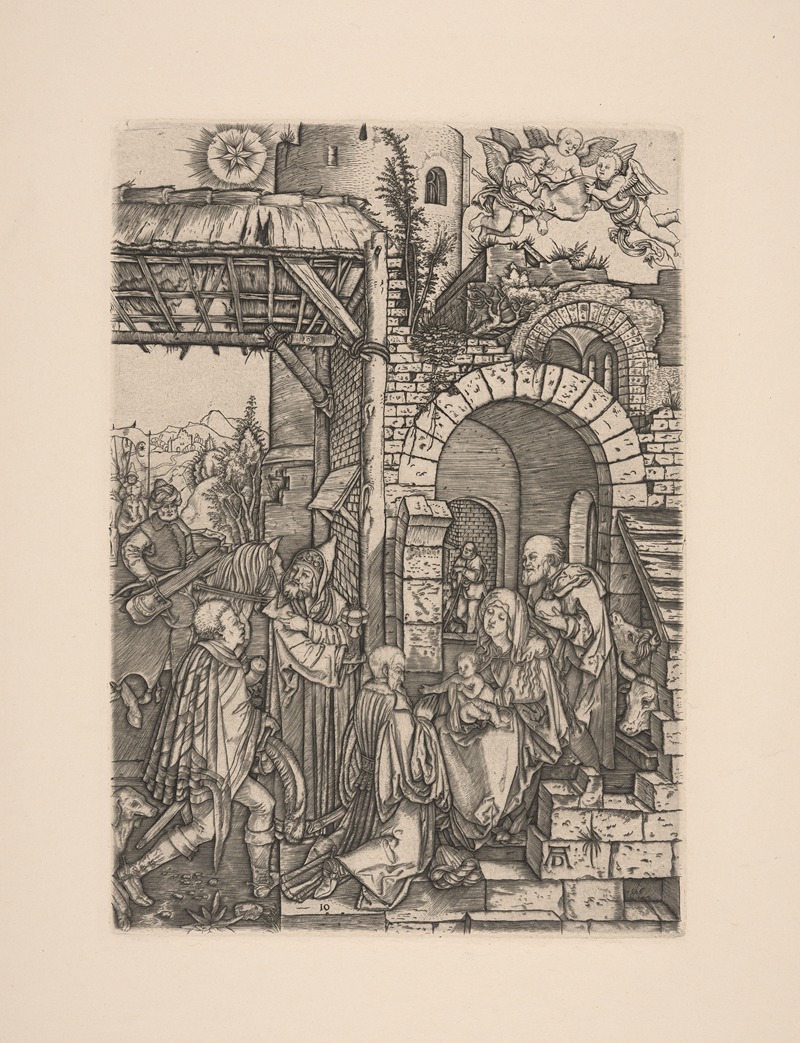
The Adoration of the Magi
Albrecht Dürer
The Dead Christ
Albrecht Dürer
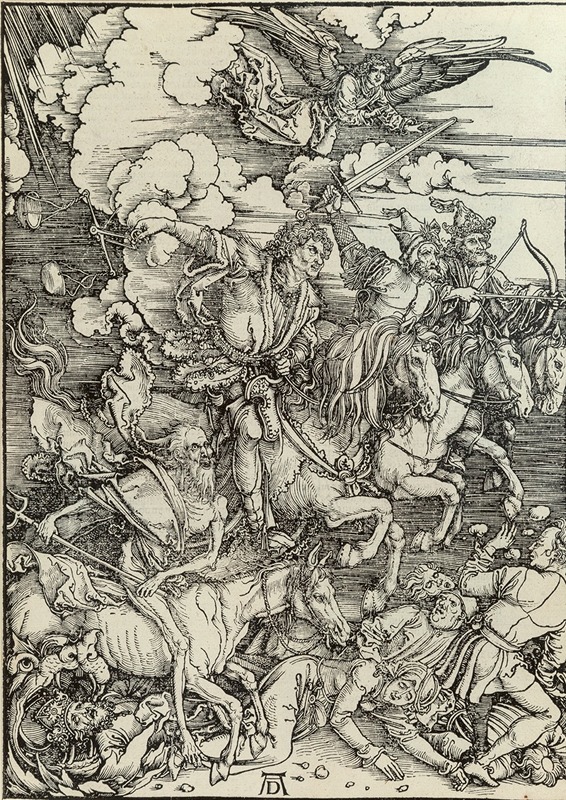
The Four Horsemen of the Apocalypse, from The Apocalypse
Albrecht Dürer