
Suma, Illustration to Chapter 12 of the Tale of Genji (Genji monogatari) — History & Facts
Who listens when art speaks of silence? In a world where emotions are cloaked in subtle gestures and fleeting glances, the quiet transformation of a moment is captured with exquisite delicacy. Look to the left, where a figure in elaborate robes stands at the edge of the scene, her body language imbued with both grace and contemplation. Notice the intricate patterns woven into her garments, each brushstroke revealing a small universe of detail. The soft pastel hues of pink and gold dominate the palette, creating an ethereal atmosphere that invites the viewer into the intimate world of the Tale of Genji.
The artist’s meticulous technique brings texture to both fabric and background, allowing light to dance softly across the characters, enhancing the sense of quiet reflection. Beneath the surface of this serene tableau lies a profound tension between isolation and connection. The distance between figures speaks volumes—a reminder of the emotional barriers woven into human relationships. The viewer can sense the pulse of unspoken words and the weight of unshed tears.
Each element, from the carefully arranged flowers to the placement of hands, echoes the theme of transformation, suggesting the characters are poised at the precipice of change, caught in the flux of time and emotion. Tosa Mitsunobu created this illustration during the Muromachi period, specifically between 1509 and 1510, a time when the world of Japanese art was steeped in the aesthetics of the Heian era. As a prominent figure in the Kanō school, he was deeply engaged in fusing traditional narrative styles with the evolving tastes of his time, reflecting both the beauty and the complexities of human experience as seen in this delicate rendering from one of Japan's literary treasures.
More Artworks by Tosa Mitsunobu
Browse all →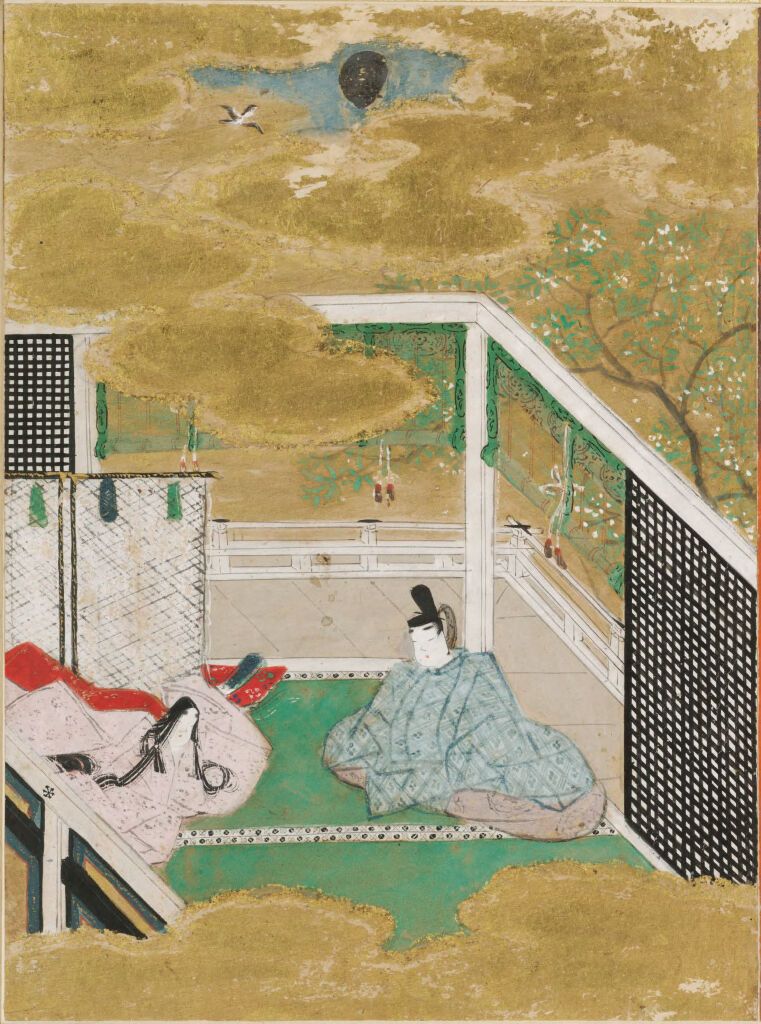
Falling Flowers (Hanachirusato), Illustration to Chapter 11 of the Tale of Genji (Genji monogatari)
Tosa Mitsunobu
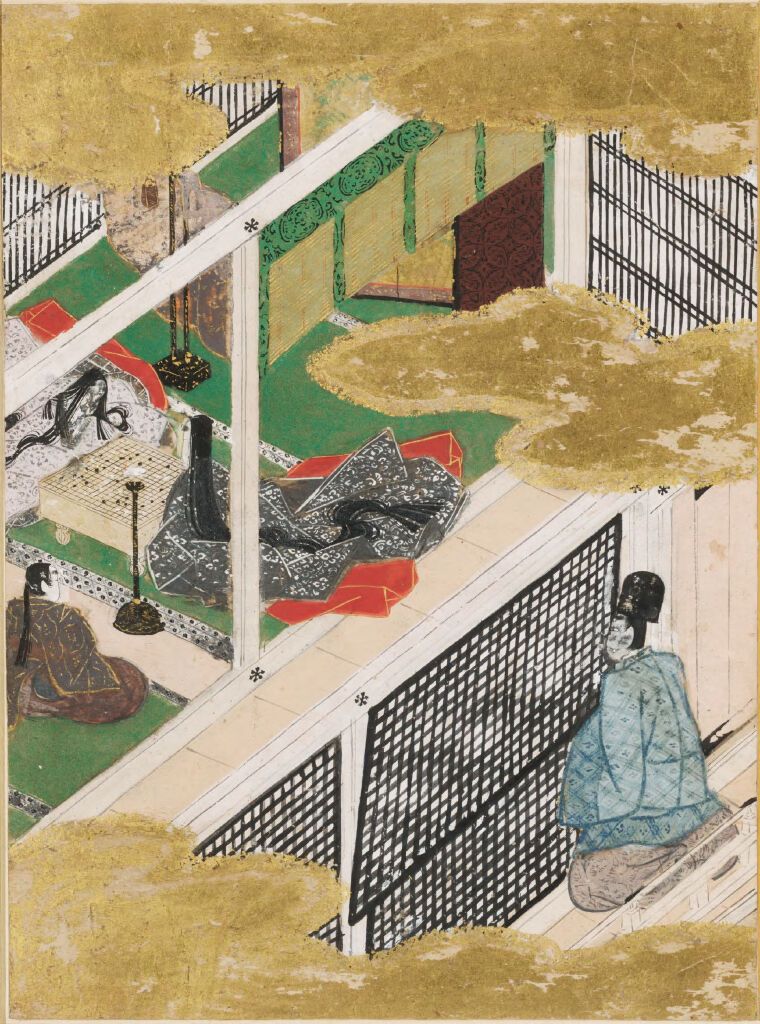
The Cicada Shell (Utsusemi), Illustration to Chapter 3 of the Tale of Genji (Genji monogatari)
Tosa Mitsunobu
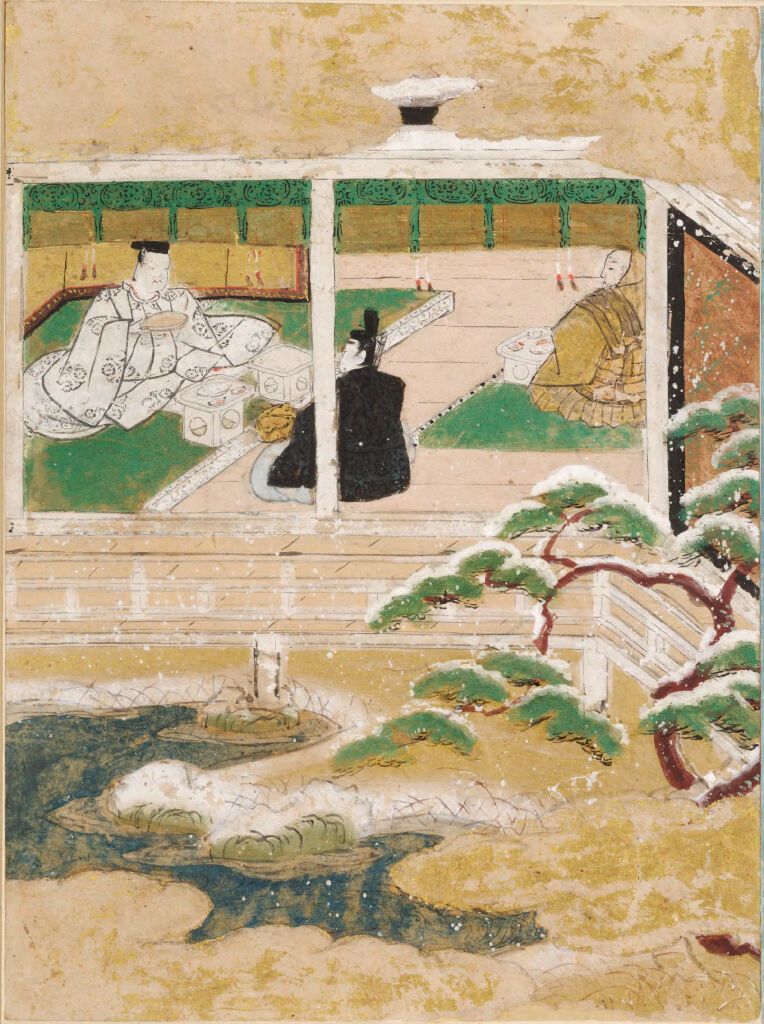
The Seer (Maboroshi), Illustration to Chapter 41 of the Tale of Genji (Genji monogatari)
Tosa Mitsunobu
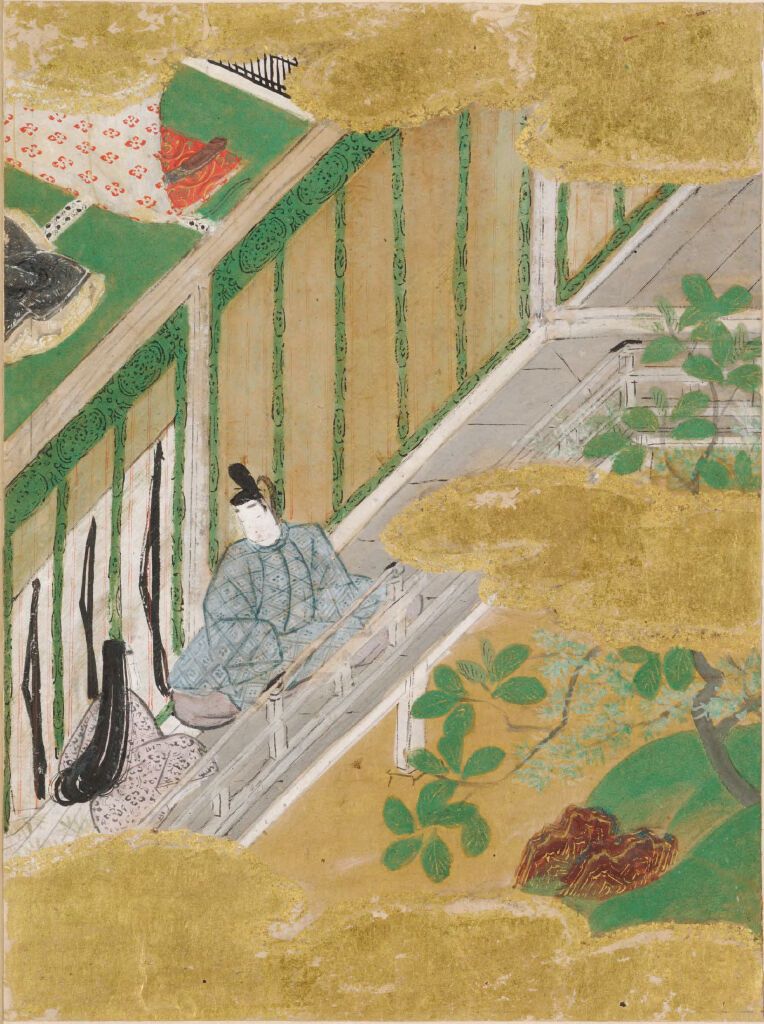
The Oak Tree (Kashiwagi), Illustration to Chapter 36 of the Tale of Genji (Genji monogatari)
Tosa Mitsunobu
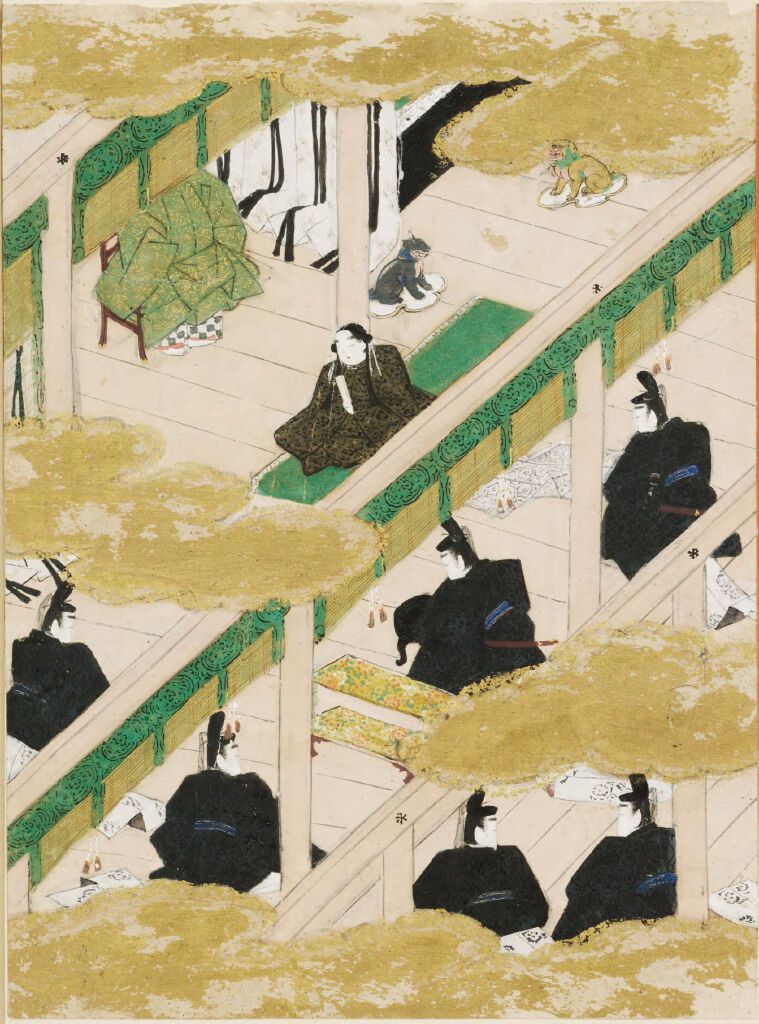
The Paulownia Pavilion (Kiritsubo), Illustration to Chapter 1 of the Tale of Genji (Genji monogatari)
Tosa Mitsunobu
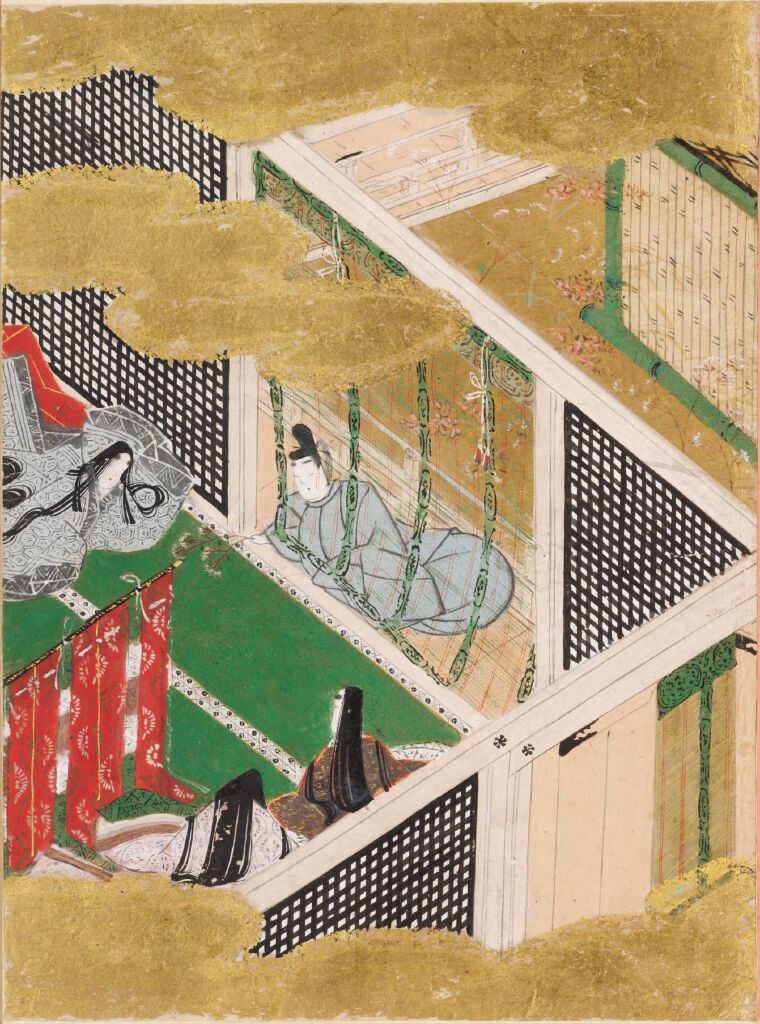
Thoroughwort Flowers (Fujibakama), Illustration to Chapter 30 of the Tale of Genji (Genji monogatari)
Tosa Mitsunobu

Under the Cherry Blossoms (Hana no En), Illustration to Chapter 8 of the Tale of Genji (Genji monogatari)
Tosa Mitsunobu

The Pilgrimage to Sumiyoshi (Miotsukushi), Illustration to Chapter 14 of the Tale of Genji (Genji monogatari)
Tosa Mitsunobu
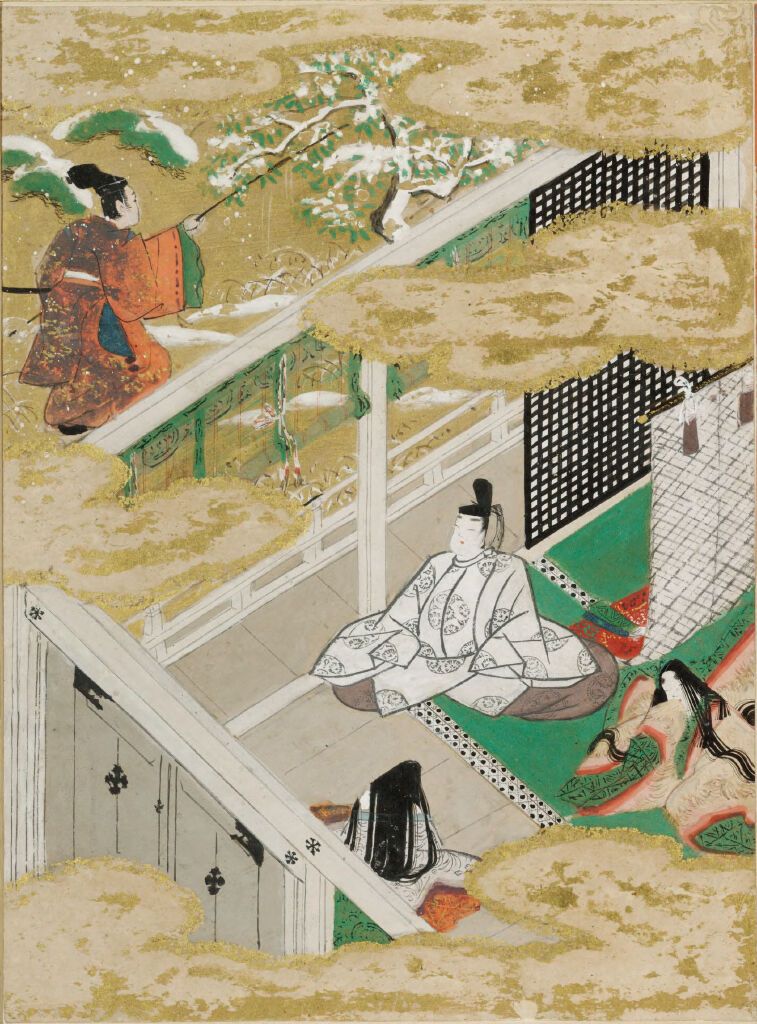
The Safflower (Suetsumuhana), Illustration to Chapter 6 of the Tale of Genji (Genji monogatari)
Tosa Mitsunobu
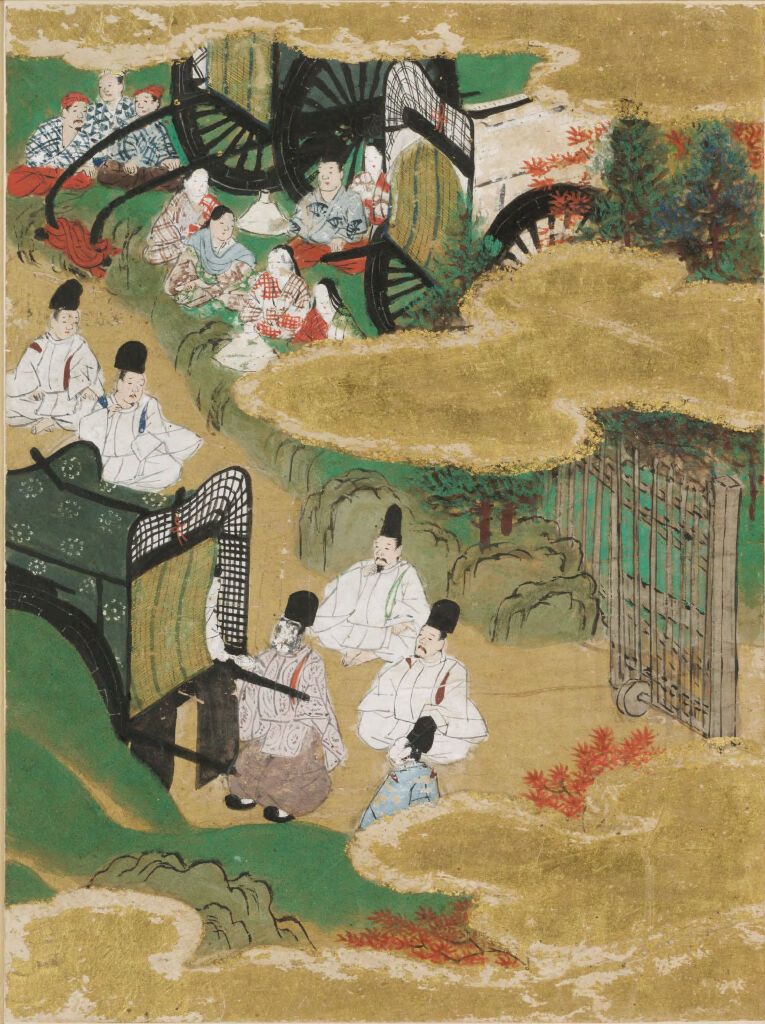
At the Pass (Sekiya), Illustration to Chapter 16 of the Tale of Genji (Genji monogatari)
Tosa Mitsunobu
More Illustration Art
Browse all →Falling Flowers (Hanachirusato), Illustration to Chapter 11 of the Tale of Genji (Genji monogatari)
Tosa Mitsunobu
The Cicada Shell (Utsusemi), Illustration to Chapter 3 of the Tale of Genji (Genji monogatari)
Tosa Mitsunobu
The Seer (Maboroshi), Illustration to Chapter 41 of the Tale of Genji (Genji monogatari)
Tosa Mitsunobu
The Oak Tree (Kashiwagi), Illustration to Chapter 36 of the Tale of Genji (Genji monogatari)
Tosa Mitsunobu
The Paulownia Pavilion (Kiritsubo), Illustration to Chapter 1 of the Tale of Genji (Genji monogatari)
Tosa Mitsunobu
Thoroughwort Flowers (Fujibakama), Illustration to Chapter 30 of the Tale of Genji (Genji monogatari)
Tosa Mitsunobu