
Sumiswald — History & Facts
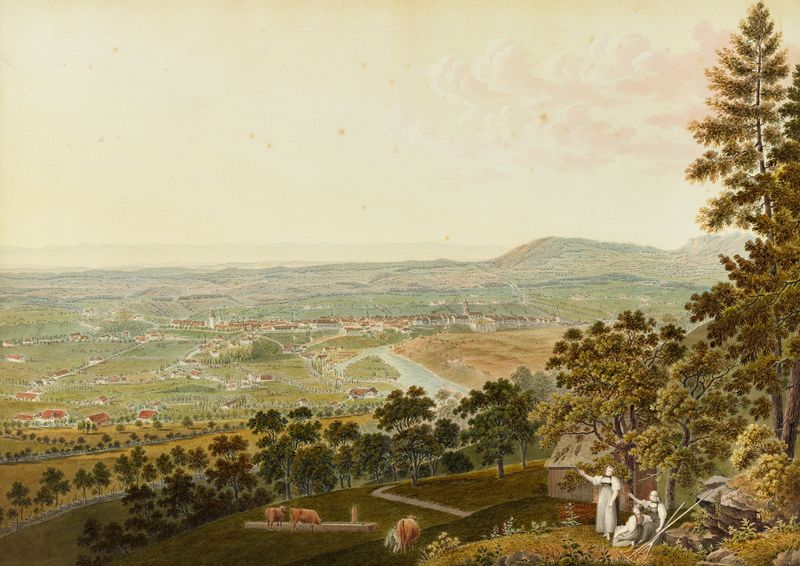
Under the brush, chaos becomes grace. In the act of creation, beauty emerges from disorder, revealing a deeper truth that transcends the surface. Look to the top-right corner first, where vibrant hues collide — a dynamic interplay of reds and yellows that dance across the canvas. The artist employs broad, sweeping strokes, blending colors in a way that evokes the sensation of movement, as if the landscape itself breathes.
Notice the subtle transitions in texture, from smooth, flowing areas to rough patches that evoke the rugged terrain of nature. This deliberate contrast invites you into a world both chaotic and serene, a testament to the artist’s skillful manipulation of visual elements. As you explore the piece further, consider the emotional resonance of the color palette. The juxtaposition of warm and cool tones creates an inner dialogue, reflecting the tension between chaos and harmony.
Each brushstroke seems to whisper stories of resilience, suggesting a landscape shaped not only by nature but by human experience as well. The layers invite contemplation, urging viewers to confront their own interpretations of beauty amidst disorder. Jakob Samuel Weibel painted Sumiswald during a time when modern art was increasingly embracing abstraction. Created in the late 19th century, the piece reflects a transitional period in the art world, where traditional forms were being challenged.
Weibel's work emerged alongside a growing movement that sought to express complexity in simplicity, as artists began to explore the emotional depths and perceptions of their surroundings.
More Artworks by Jakob Samuel Weibel
Browse all →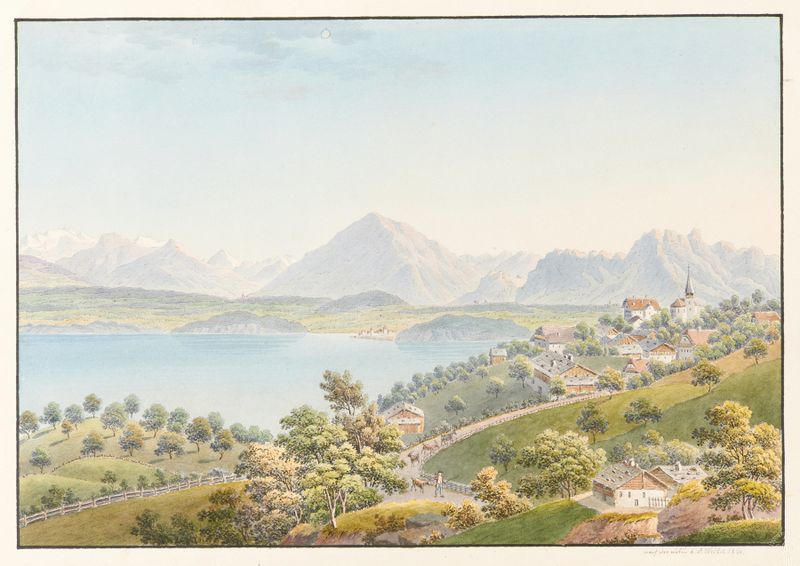
Vue dessiné depuis le Village de Sigriswil, audessus du Lac de Thoune
Jakob Samuel Weibel
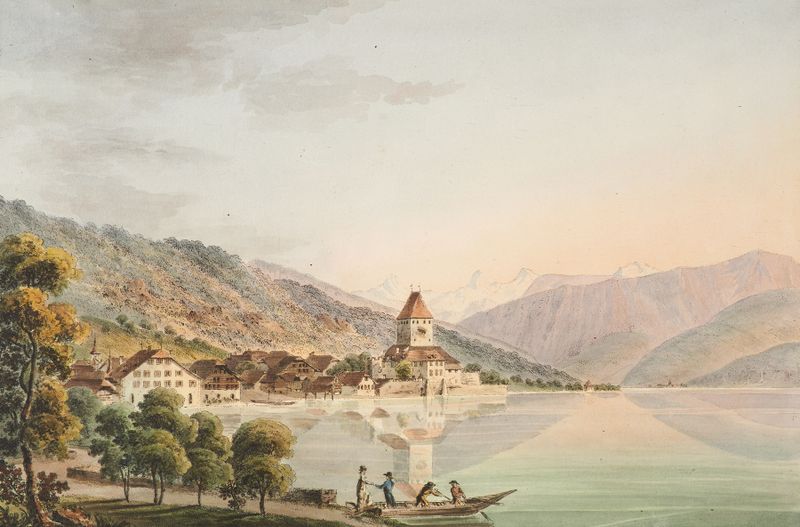
Vûe du Chateau d’Oberhofen au Lac de Thoune
Jakob Samuel Weibel
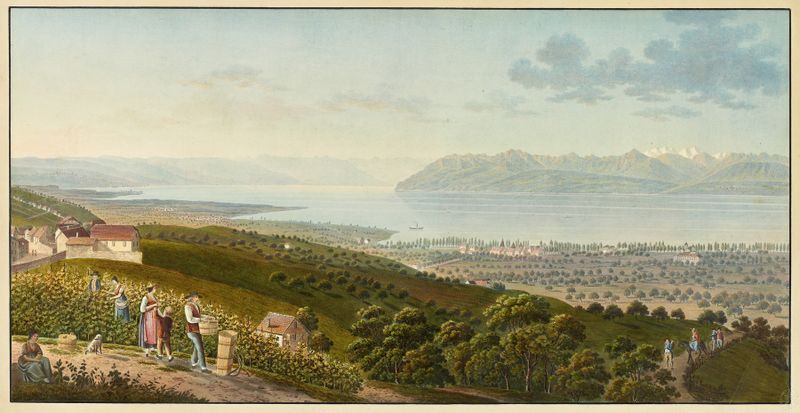
Vue genérale du Lac de Geneve
Jakob Samuel Weibel
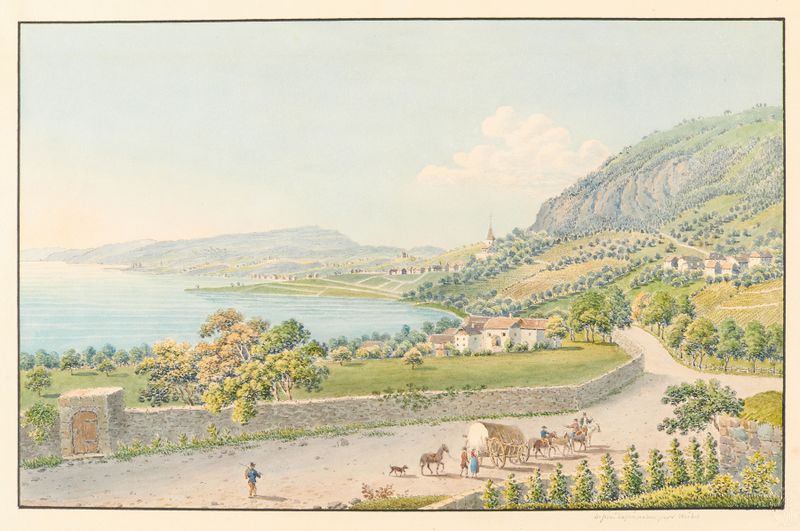
Vue des environs de Montreux et de Clarens
Jakob Samuel Weibel
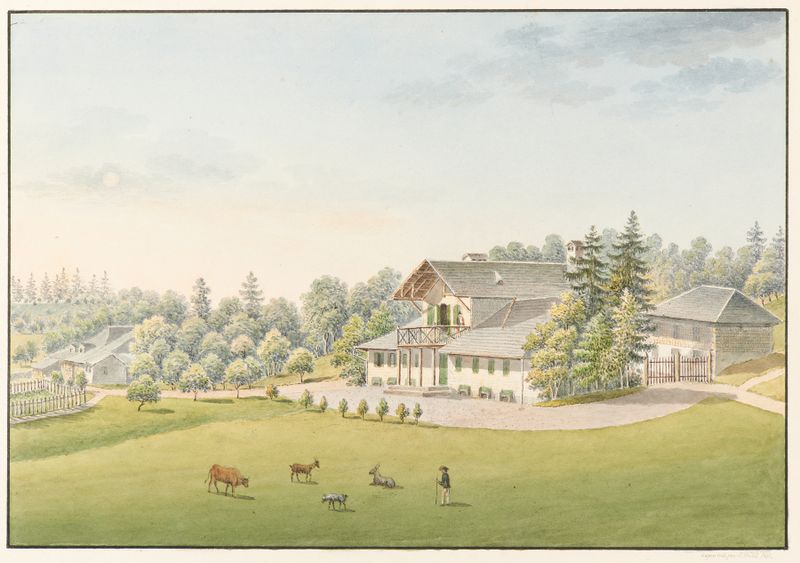
Vue du nouveau Châlet de Vernand
Jakob Samuel Weibel
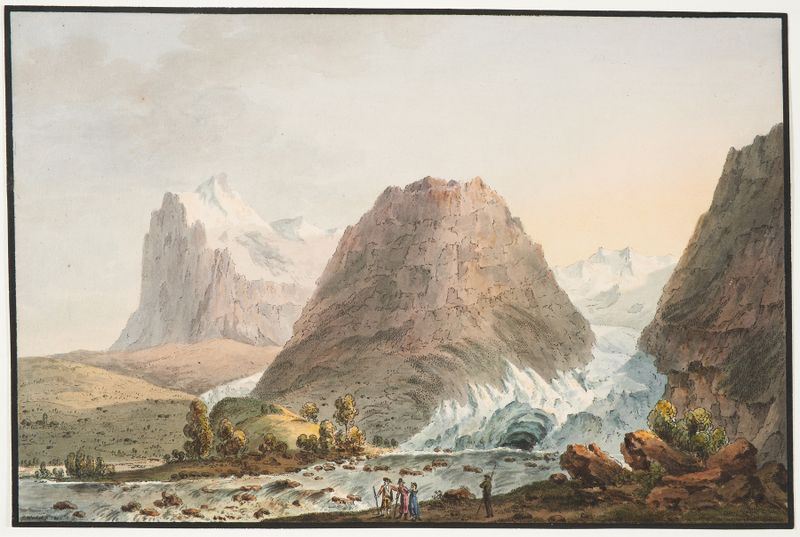
Vûe des Glacieres de Grindelwald
Jakob Samuel Weibel
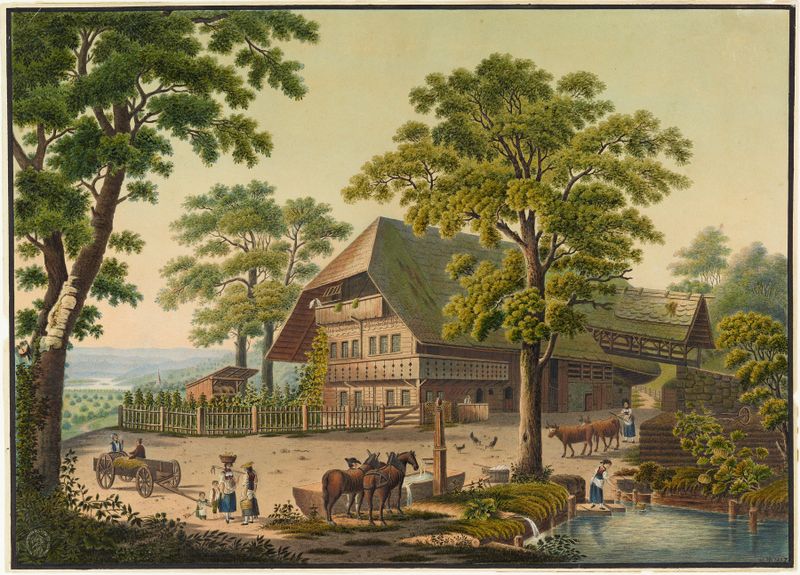
Maison de paysan près Wichtrach
Jakob Samuel Weibel
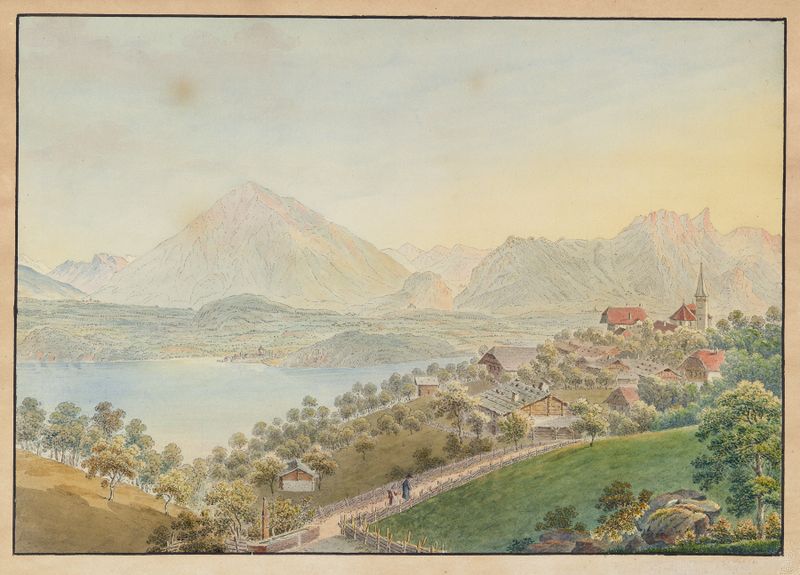
Ansicht von Sigriswil mit Niesen und Thunersee
Jakob Samuel Weibel
Ansicht Berns und der Aare vom Gurten aus
Jakob Samuel Weibel

Lausanne Ville capitale du Canton de Vaud
Jakob Samuel Weibel





