
Summer Day — History & Facts
In this delicate yet vibrant landscape, the passage of time whispers of fleeting joys and quiet anxieties, reminding us of our fragile existence against nature's backdrop. Look to the left at the sun-drenched fields, where hues of gold and green blend seamlessly into one another, creating a tapestry of warmth. Notice the way light dances across the surface, illuminating patches of wildflowers that punctuate the landscape. The brushwork conveys movement, each stroke capturing the gentle sway of the grass, as if it breathes in synchronicity with the viewer. Amidst the idyllic scenery, there lies an underlying tension.
The serene sky, painted in soft pastels, hints at an impending storm, a reminder of the uncertainty that shadowed even the brightest days. The distant figures, positioned as small silhouettes against the vastness, evoke feelings of isolation within this beautiful expanse, suggesting that amidst nature's bounty, we remain vulnerable and alone. Created during the late 19th century, this piece emerged while Weissenbruch was deeply engaged with the Dutch landscape tradition, embracing both realism and impressionistic techniques. As he worked in The Hague, a period marked by artistic exploration and the rise of plein air painting, he navigated personal challenges, channeling them into his art.
This painting reflects not only his mastery but also the complexities of human emotion, embodying the fear of loss hidden beneath the surface of joy.
More Artworks by Johan Hendrik Weissenbruch
Browse all →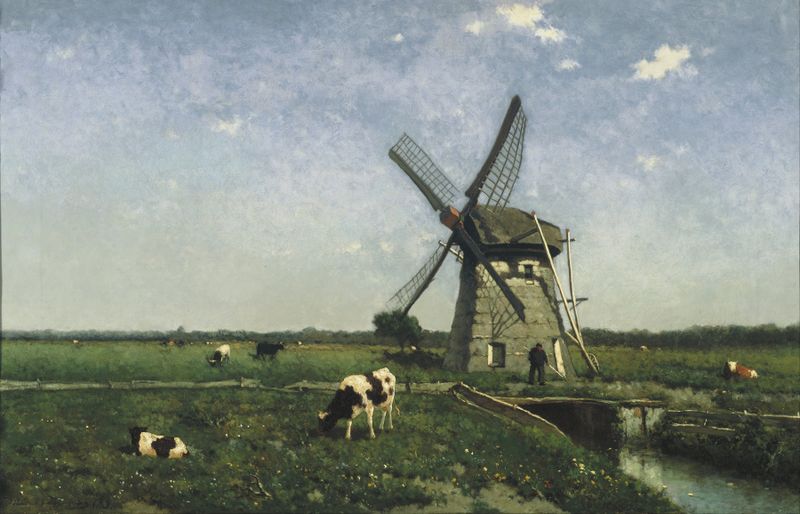
Landscape with Windmill near Schiedam
Johan Hendrik Weissenbruch
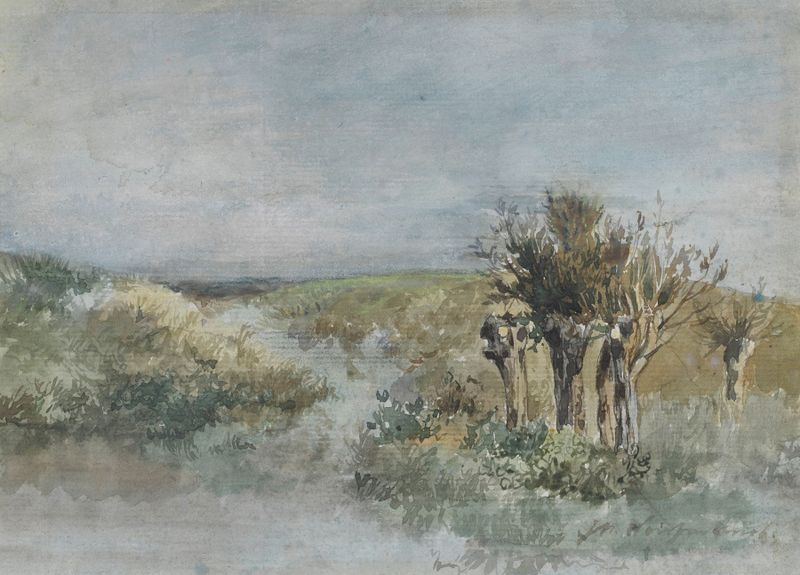
Landschap met knotwilgen langs een sloot
Johan Hendrik Weissenbruch
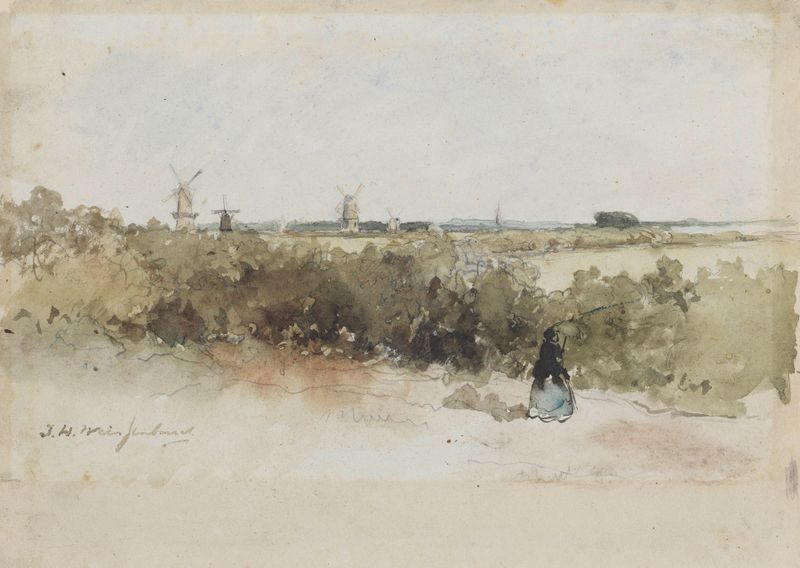
Landschap met windmolens
Johan Hendrik Weissenbruch
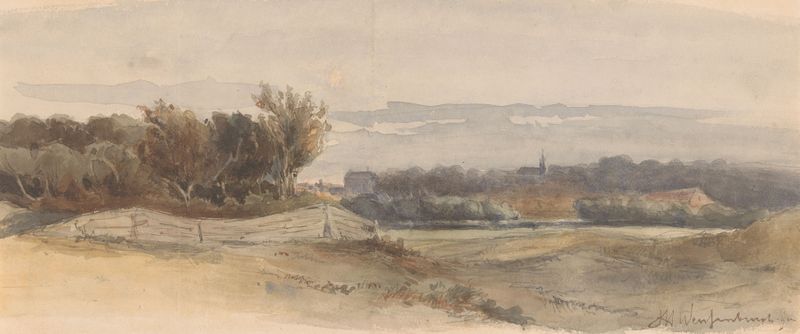
Panoramisch landschap
Johan Hendrik Weissenbruch
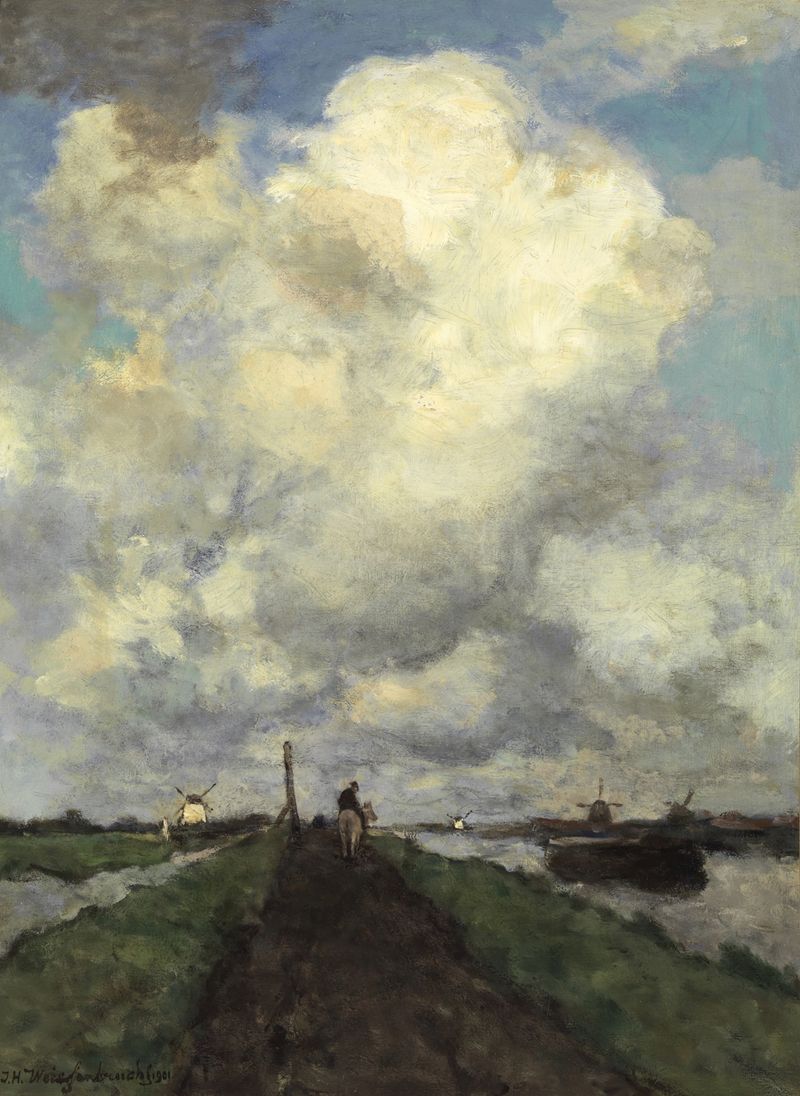
De witte wolk
Johan Hendrik Weissenbruch
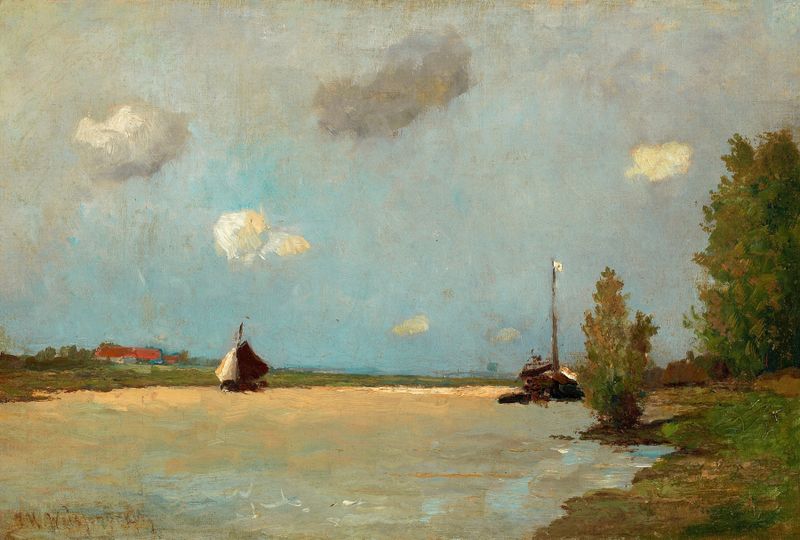
Dutch Landscape with Boats
Johan Hendrik Weissenbruch
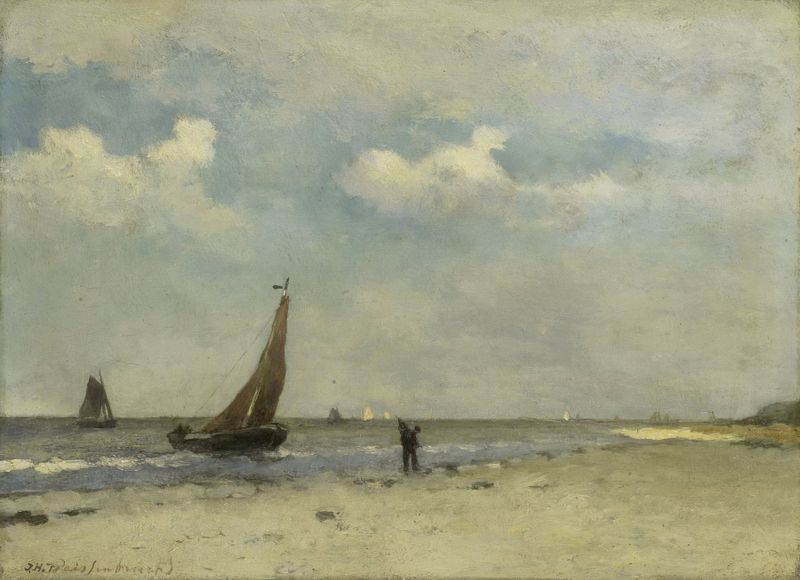
Beach Scene
Johan Hendrik Weissenbruch
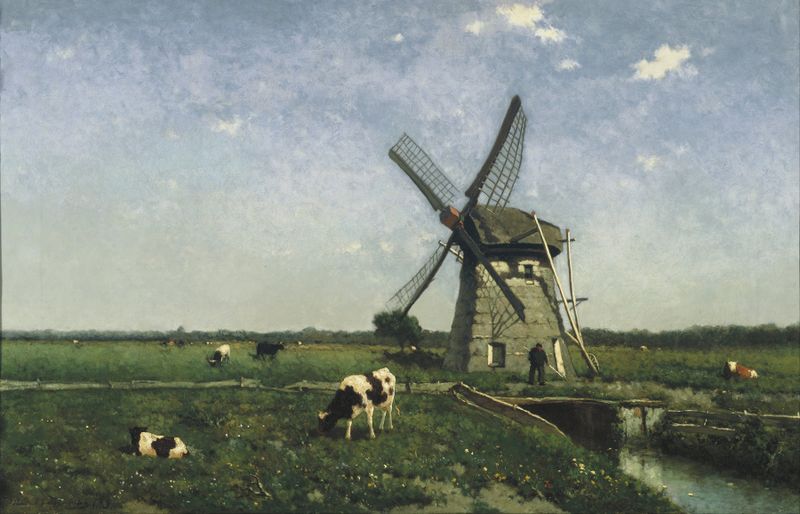
Landscape with Windmill near Schiedam
Johan Hendrik Weissenbruch
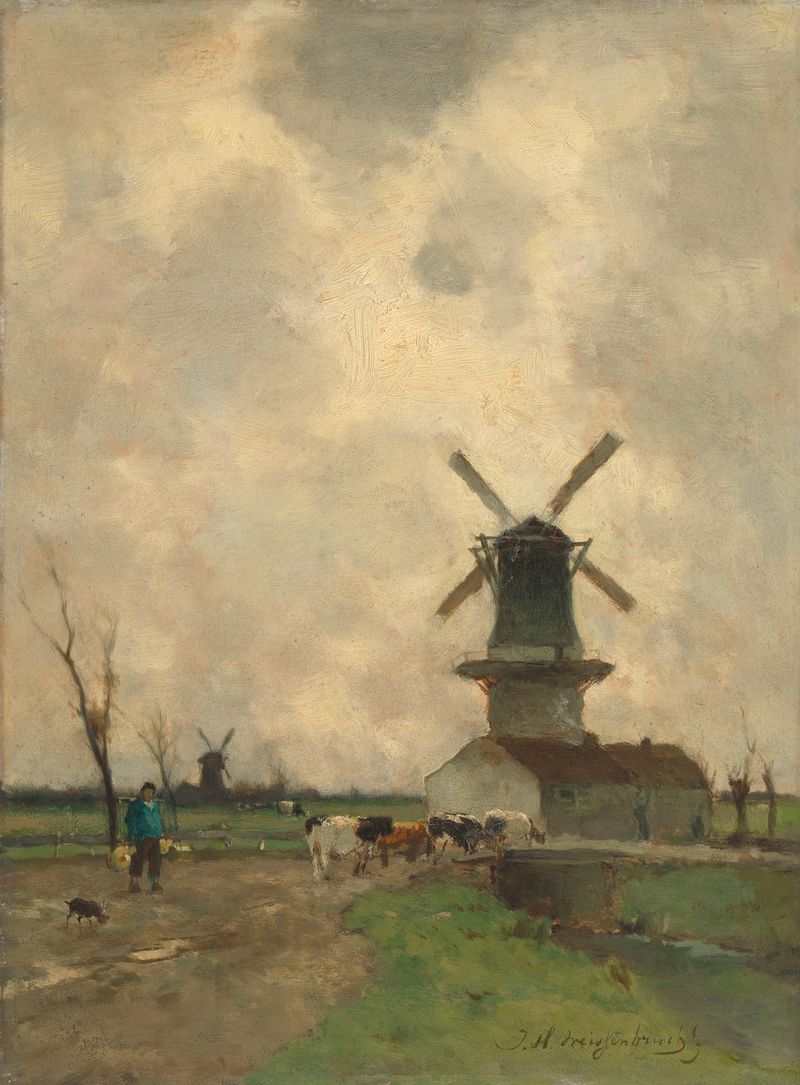
The Mill
Johan Hendrik Weissenbruch
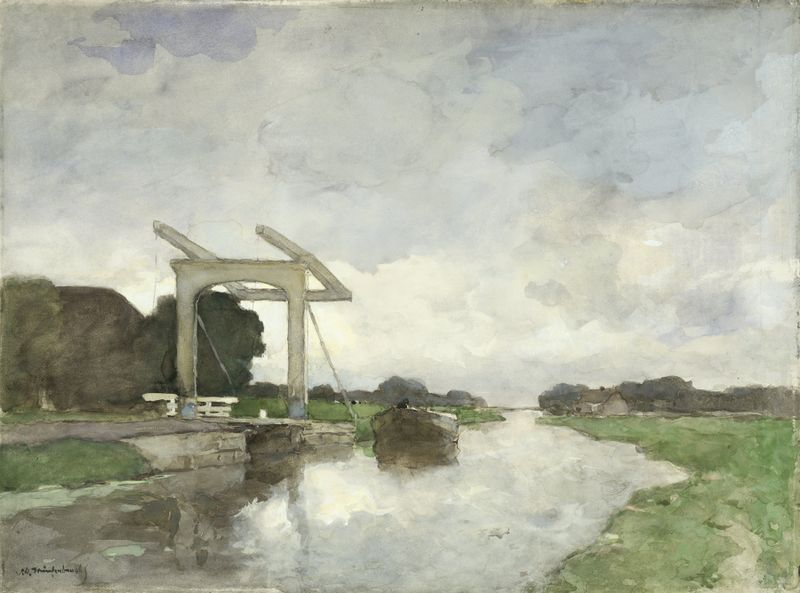
Drawbridge at Noorden
Johan Hendrik Weissenbruch





