
Summer Day on Conesus Lake — History & Facts
In the depth of a summer day, nature breathes, and every hue whispers of rebirth. The canvas invites the viewer to lose themselves in its tranquil embrace, where the interplay of light and shadow reveals the vibrant essence of life. Look to the left at the shimmering surface of Conesus Lake, where reflections dance upon the water, capturing the soft blues and greens of a summer sky. Notice how the crisp, brushy strokes convey the lush foliage surrounding the lake, each leaf rendered with a delicate precision that breathes vitality into the scene.
The contrast of light and dark creates a dynamic presence, drawing the eye deeper into the landscape, inviting contemplation. The palette, a symphony of earthy tones, evokes a sense of harmony and balance, an idyllic moment suspended in time. Hidden within this pastoral scene lies a profound tension between stillness and movement. The gentle ripples on the lake suggest the passage of time, while the verdant trees stand resolute, a testament to enduring life.
The interplay of light hints at the warmth of summer’s embrace, yet there is an underlying sense of transience, alluding to the fleeting nature of such moments and the eternal cycle of rebirth present in nature's rhythm. Each element holds significance, weaving a narrative of peace but also a reminder of change. In 1870, as Summer Day on Conesus Lake emerged from the brush of its creator, Kensett found himself amidst the evolving landscape of American art. The Hudson River School, a movement dedicating itself to the exploration of nature, significantly influenced his work.
At this time, he was deeply engaged in the themes of light and atmosphere, developing a distinct style that celebrated the beauty of the American landscape and resonated with the emerging ideals of a nation in transformation.
More Artworks by John Frederick Kensett
Browse all →
White Mountains from Shelburne, NH
John Frederick Kensett

An October Day in the White Mountains
John Frederick Kensett
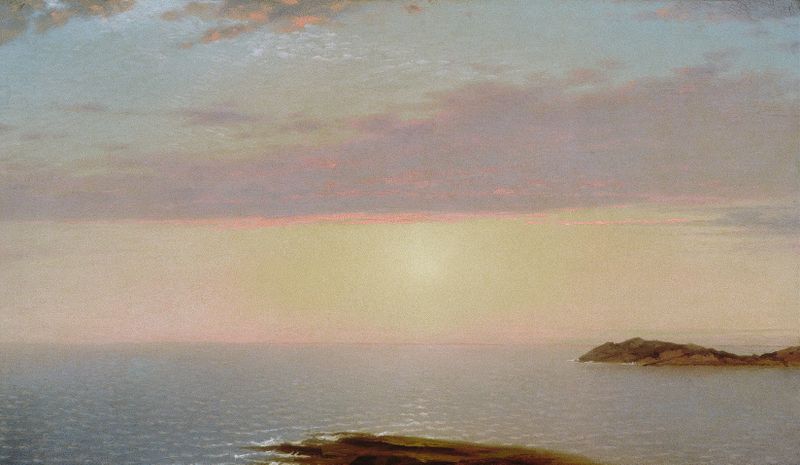
Sunset
John Frederick Kensett
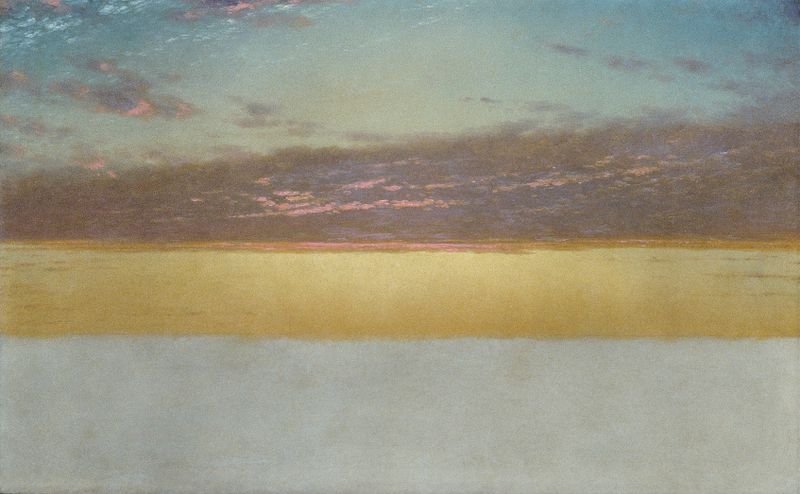
Sunset Sky
John Frederick Kensett
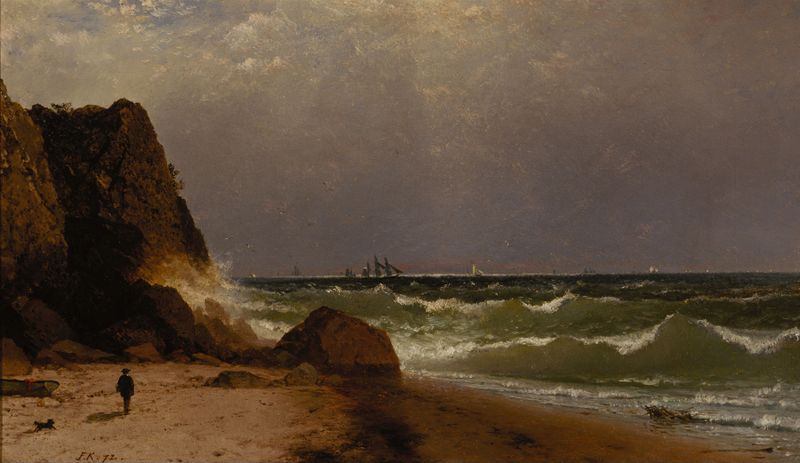
Near Newport, Rhode Island
John Frederick Kensett
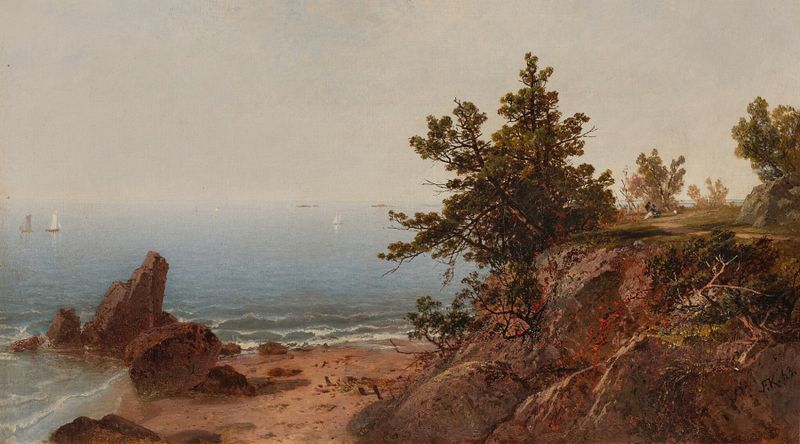
View from the Cliff (Noon on the Seashore)
John Frederick Kensett
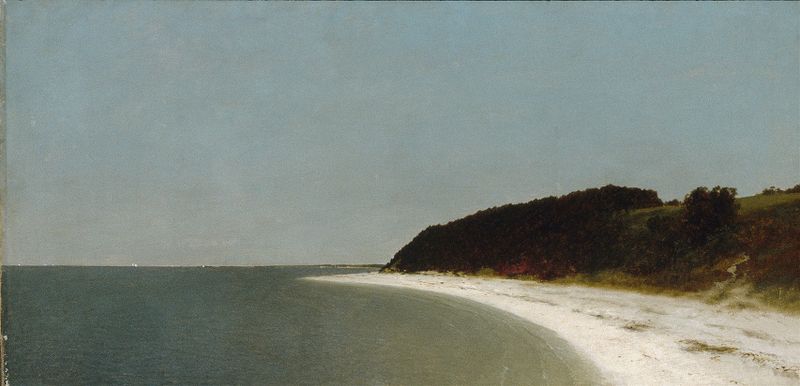
Eaton’s Neck, Long Island
John Frederick Kensett
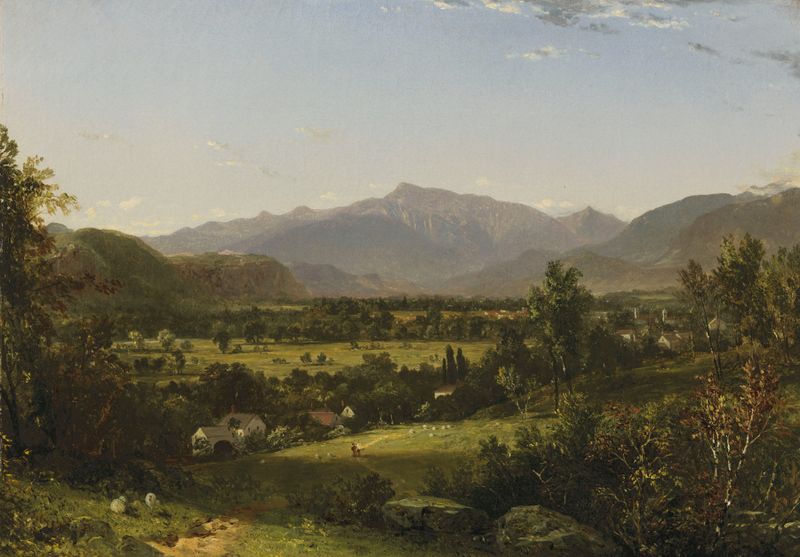
Mount Washington from North Conway
John Frederick Kensett
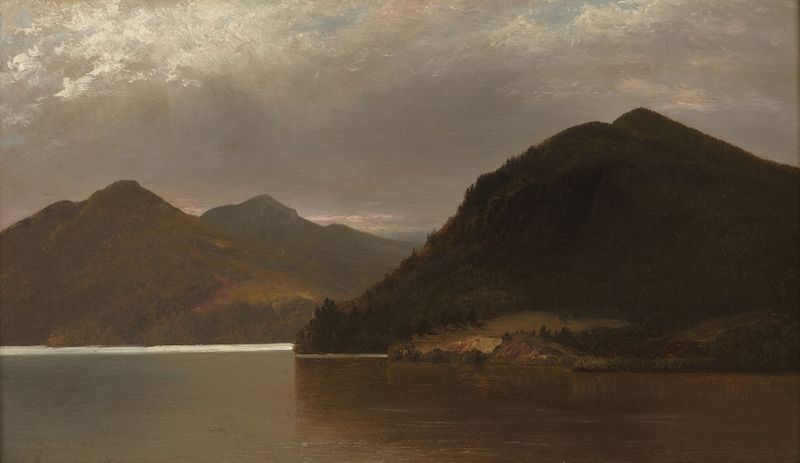
Lake George
John Frederick Kensett
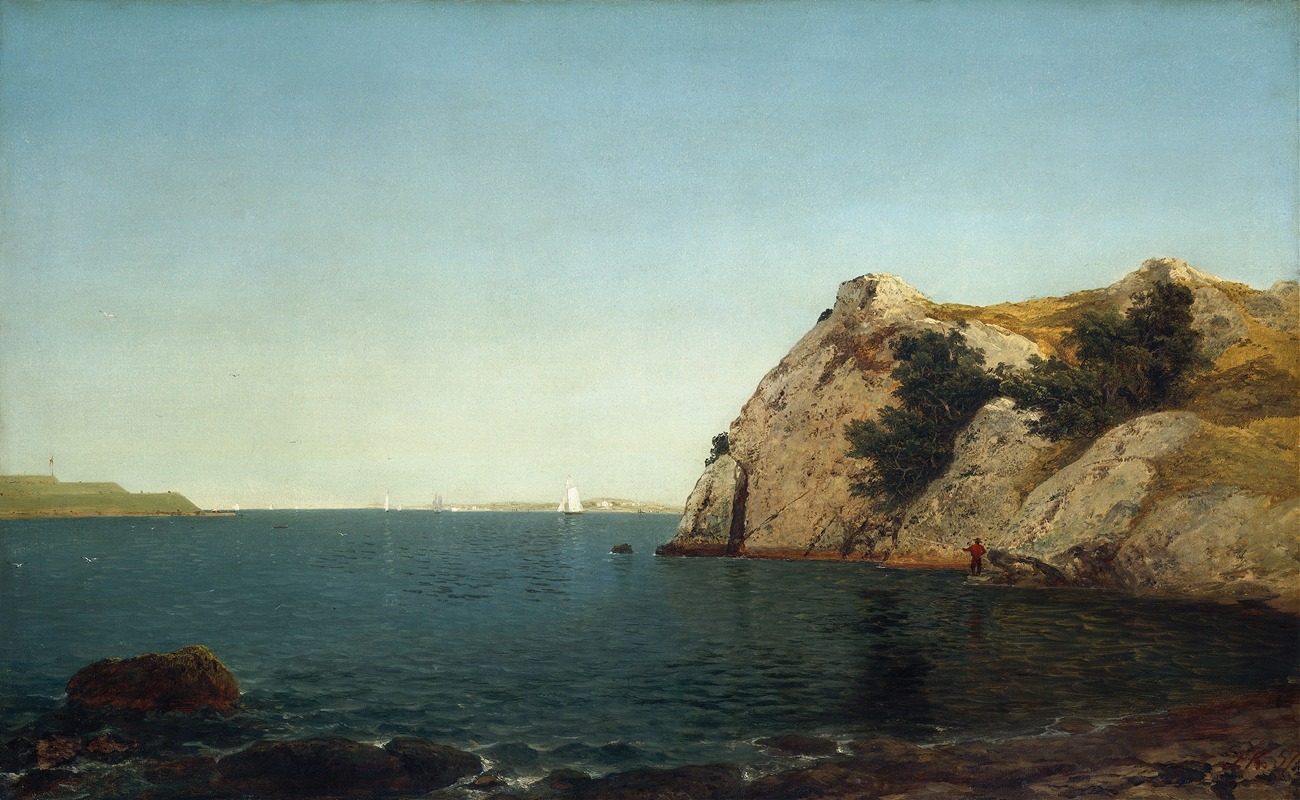
Near Newport
John Frederick Kensett





