Summer — History & Facts
When Summer appeared in 1865, it marked one of the rare occasions when Gustave Doré—famed across Europe for his engravings—turned his attention to painting on a grand scale. At the height of his popularity as an illustrator, Doré was often criticized for working too quickly and for being more a draftsman than a painter. Yet with Summer, he challenged those perceptions, creating a work that puzzled critics and delighted admirers by its ambition and mood.
The painting’s medium remains uncertain, adding to its air of mystery; some sources suggest oil, but no definitive record survives. Doré chooses a moment of languid abundance: peasants and children, bathed in golden light, gather sheaves in a sun-drenched field. The central figure, a young woman, pauses with a sickle in hand, her gaze distant, as if lost in the heat and haze of the season. Around her, baskets overflow with fruit and wheat, symbols of fertility and the cyclical promise of nature.
The composition is dense and almost theatrical, recalling the crowded allegories of Peter Paul Rubens’s The Four Seasons, but Doré’s figures are humbler, their faces marked by fatigue and contentment rather than mythic grandeur. The use of light—diffused and heavy—suggests both the warmth of the season and the weight of labor. Unlike many of Doré’s works, which were widely reproduced and circulated, Summer remains a lesser-known piece, its provenance somewhat obscure. It is believed to have been exhibited in Paris shortly after its completion, but its subsequent history is patchy, and it has not enjoyed the same fame as Doré’s engravings for The Divine Comedy or Don Quixote.
Today, the painting stands as a testament to Doré’s versatility, offering a rare glimpse of his painterly ambitions during a period when he was otherwise consumed by the demands of illustration. Its current location is not firmly established, and the lack of documentation has only deepened the painting’s enigmatic reputation among scholars and collectors.
More Artworks by Gustave Doré
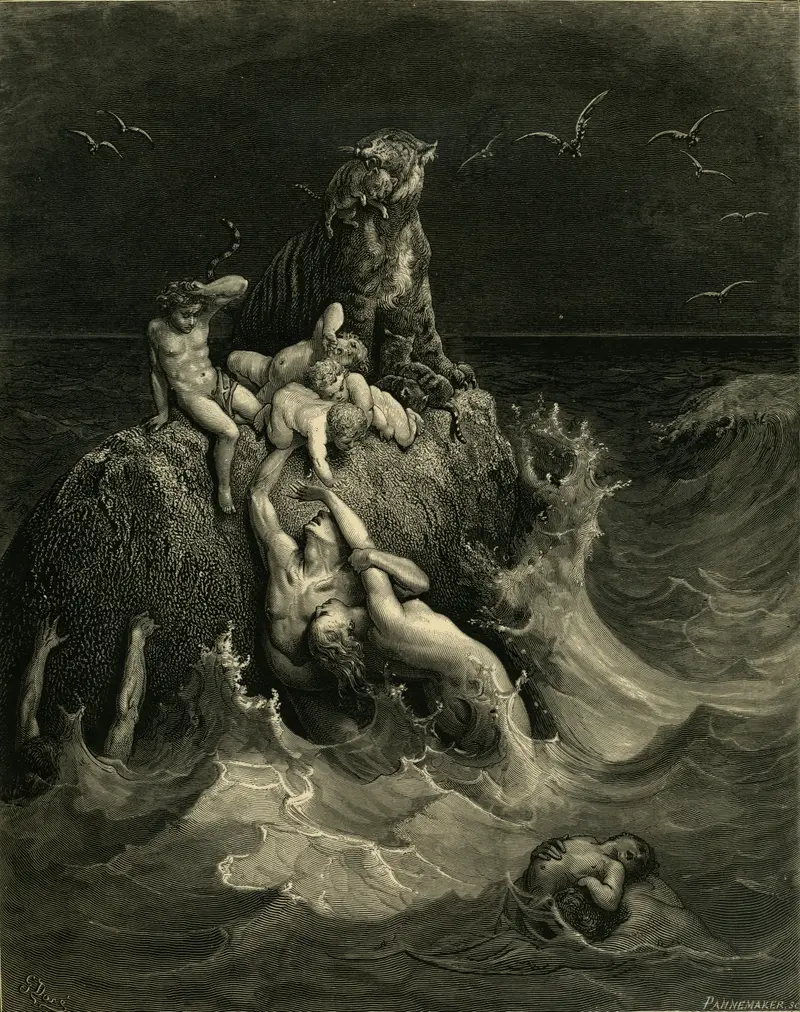
The Deluge
Gustave Doré
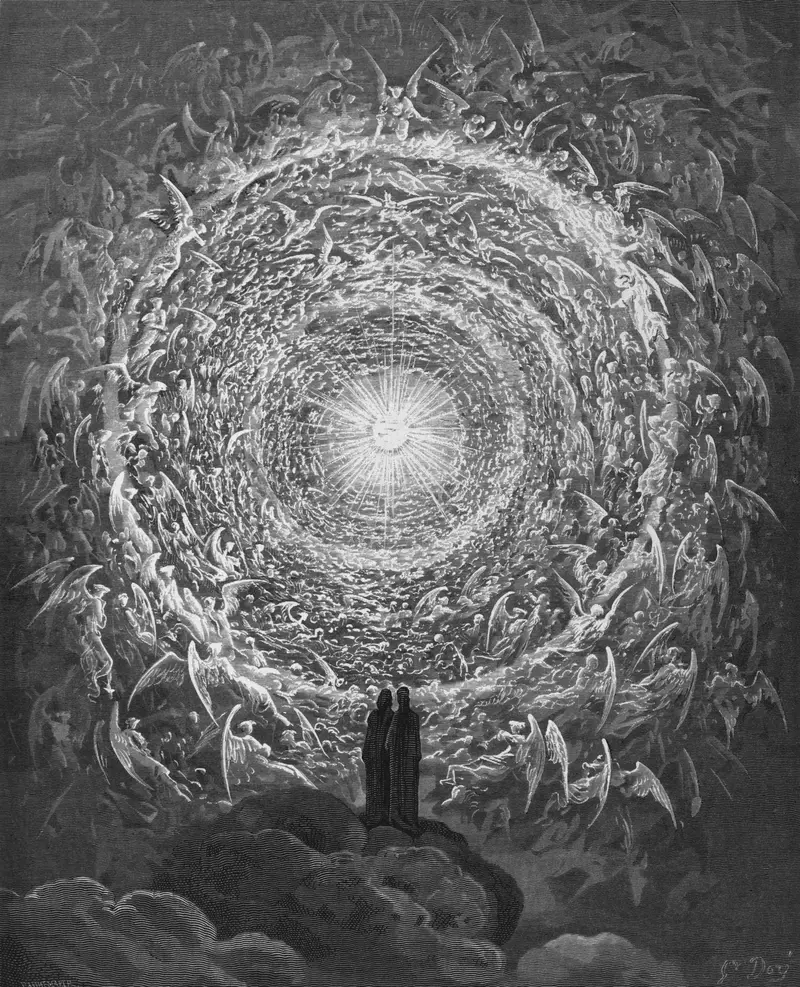
The Empyrean (Paradiso, Canto 31)
Gustave Doré
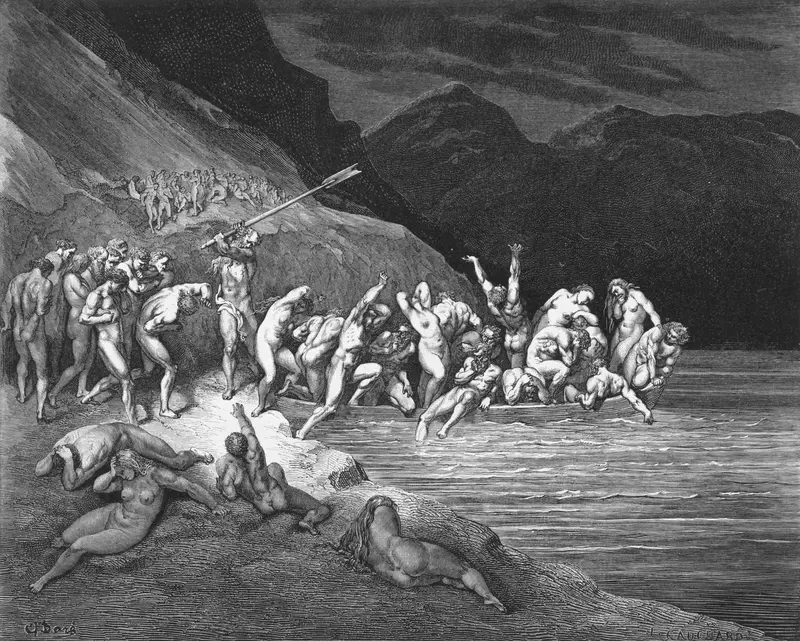
Charon (Inferno, Canto 3)
Gustave Doré
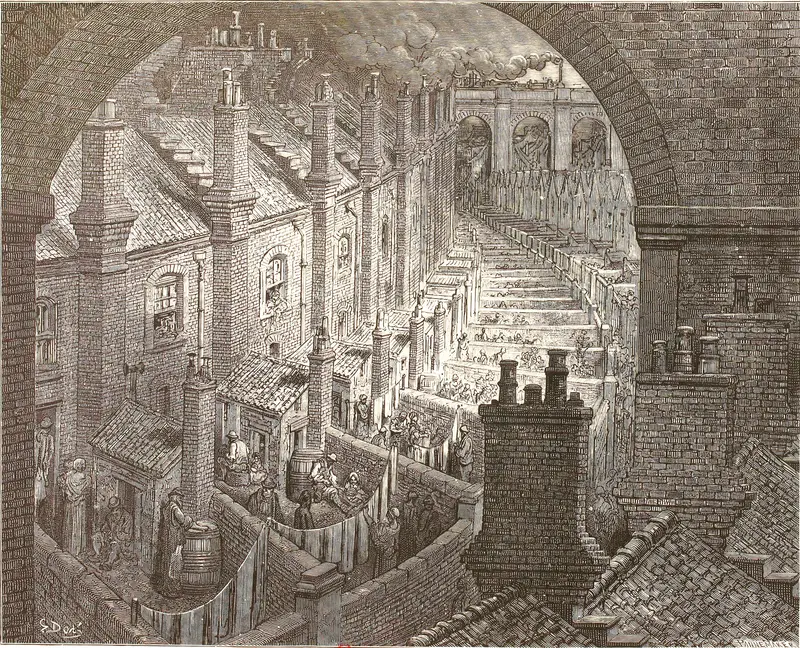
Over London by Rail
Gustave Doré
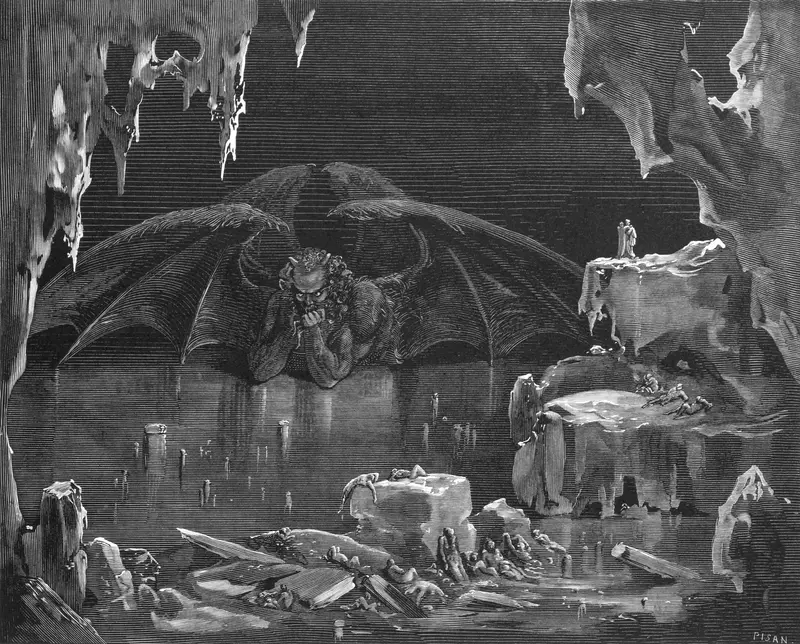
Lucifer, King of Hell
Gustave Doré
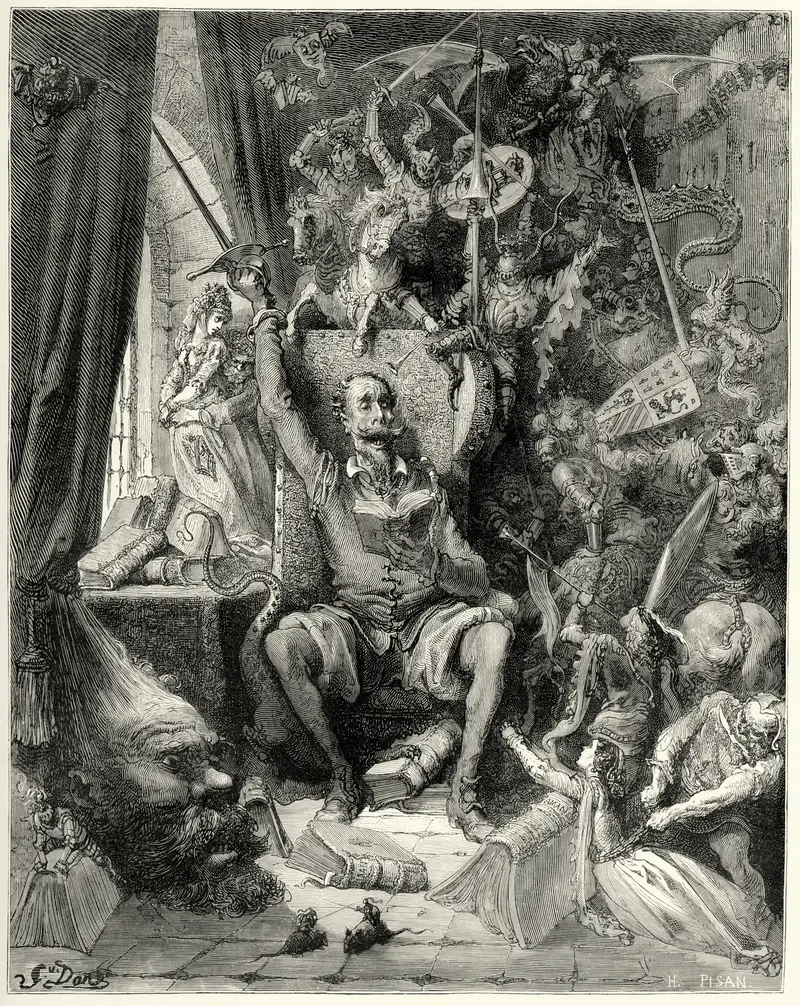
Don Quixote in His Library
Gustave Doré
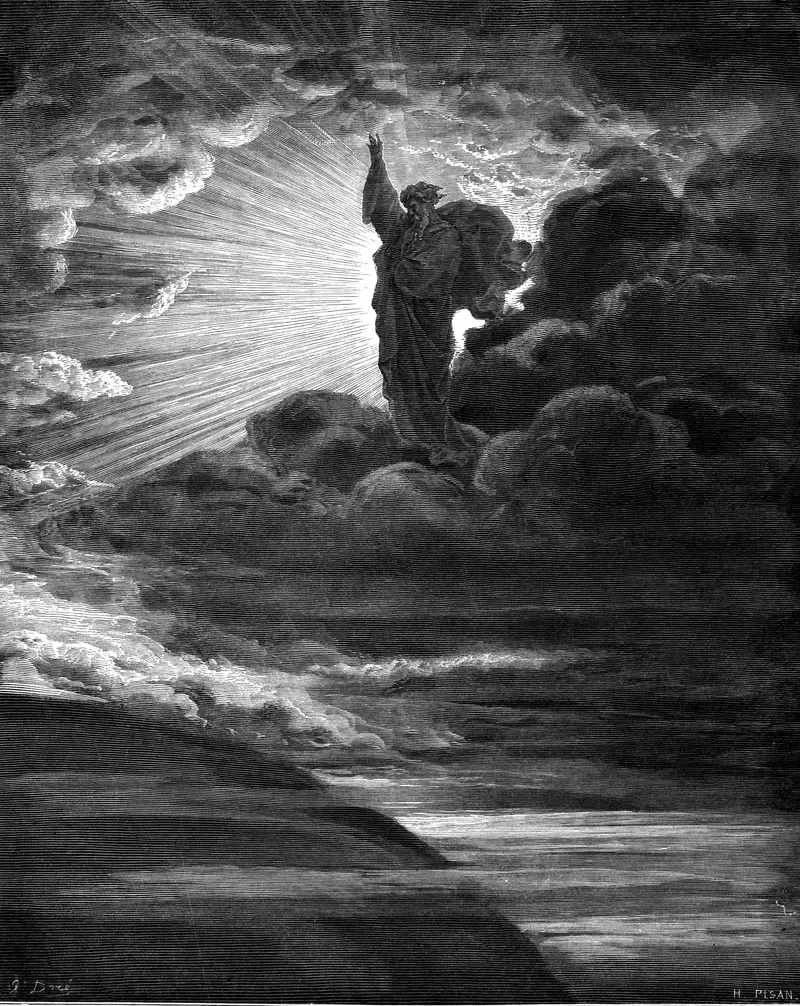
The Creation of Light
Gustave Doré
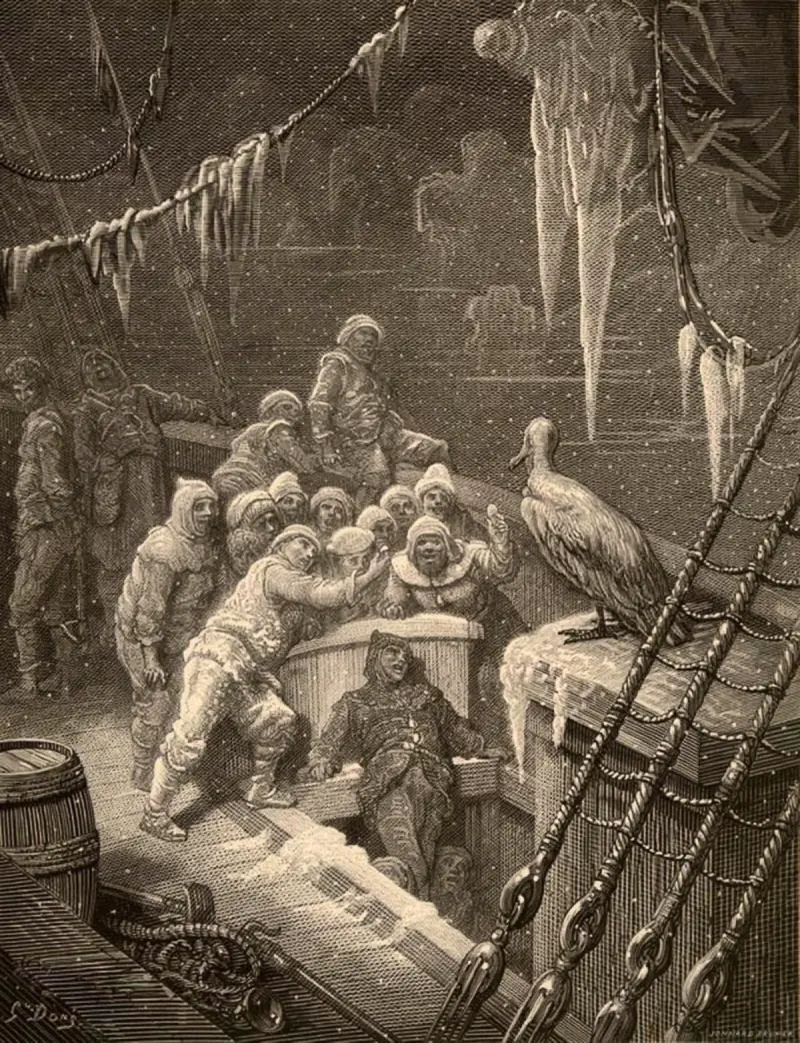
The Albatross (The Rime of the Ancient Mariner)
Gustave Doré
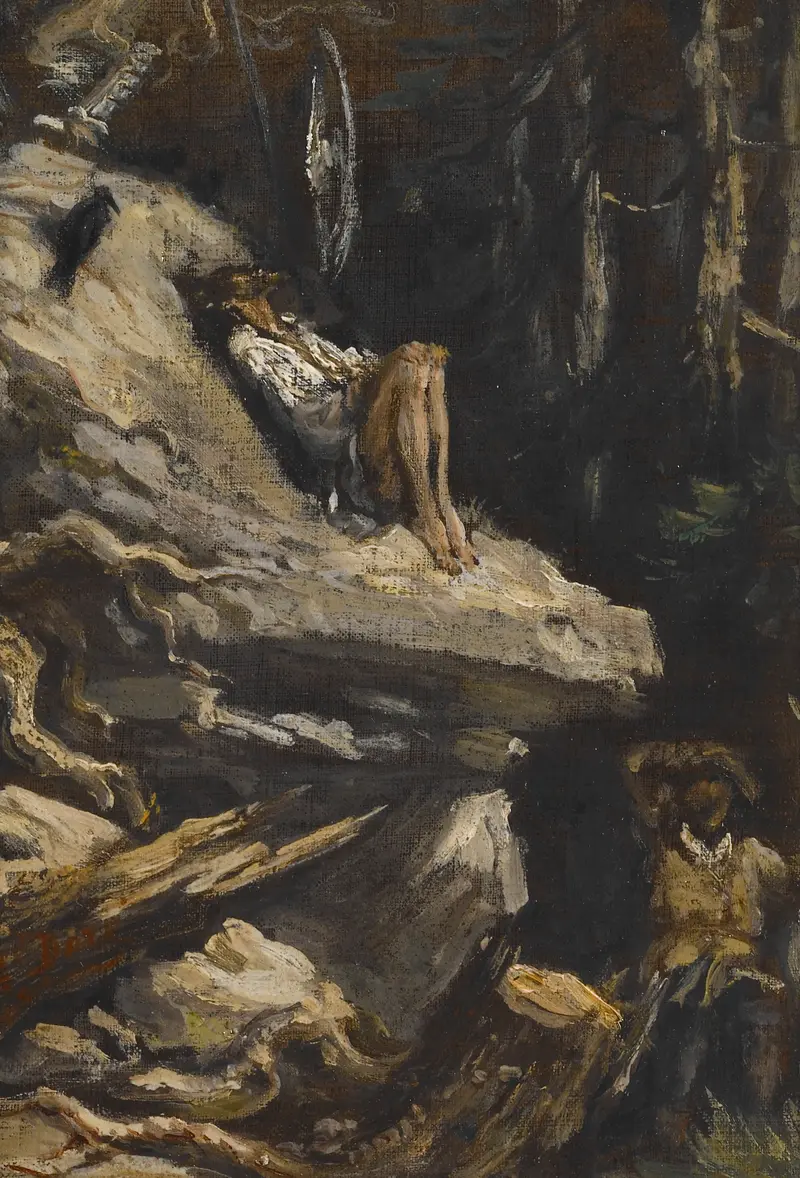
"'Alas!' answered Sancho, 'I found him in his shirt, lean, pale, and almost starved, sighing for his Lady Dulcinea'" from Don Quixote
Gustave Doré
Christ's Entry into Jerusalem
Gustave Doré