
Summer landscape — History & Facts
Who listens when art speaks of silence? In the quietude of Summer Landscape, a world unfolds where chaos teeters on the edge of tranquility, beckoning viewers to contemplate the beauty of nature’s fleeting moments. Look to the horizon, where gentle hills roll into an expanse of sky, painted with soft blues and ethereal whites. Notice how the light glimmers across the water's surface, inviting you to explore the shimmering reflections that dance in the rippling currents. The delicate brushwork captures the rustling leaves and the intricate patterns of the grass, creating a rich tapestry of texture that pulls you into the serene embrace of this idyllic scene.
Each stroke reveals a harmony between chaos and calm, a balance that engages the senses without overwhelming them. Delve deeper into the details: the way a solitary tree stands sentinel on the left, its branches arching gracefully towards the viewer, suggests both resilience and solitude. The interplay of light and shadow across the landscape speaks to the transient nature of time—an eternal reminder that even in moments of peace, remnants of turmoil linger just beneath the surface. This tension draws you in, provoking thoughts about the underlying forces that shape the world around us, echoing the delicate balance of life. Frederic Edwin Church completed Summer Landscape during a period of great personal and artistic exploration in the late 19th century.
Working primarily in his studio in New York, he was influenced by the Hudson River School’s emphasis on natural beauty and the sublime. At the same time, the American landscape was undergoing transformation, and Church's work reflected both a love for nature and a contemplation of its fragility amidst industrialization and change.
More Artworks by Frederic Edwin Church
Browse all →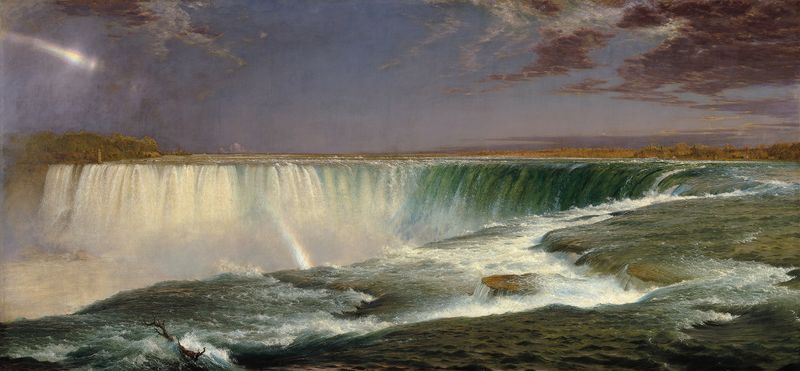
Niagara
Frederic Edwin Church
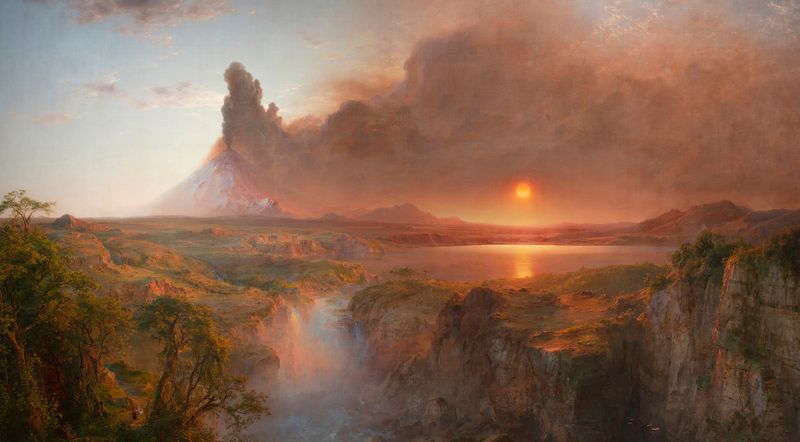
Cotopaxi
Frederic Edwin Church
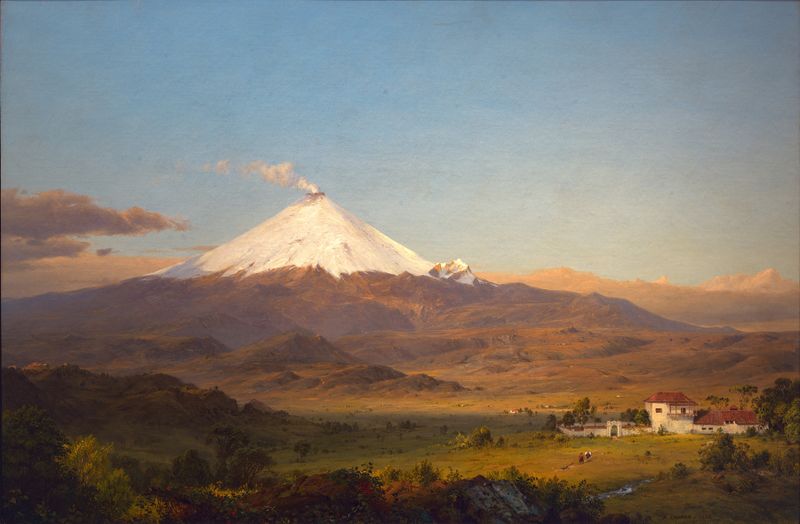
Cotopaxi
Frederic Edwin Church
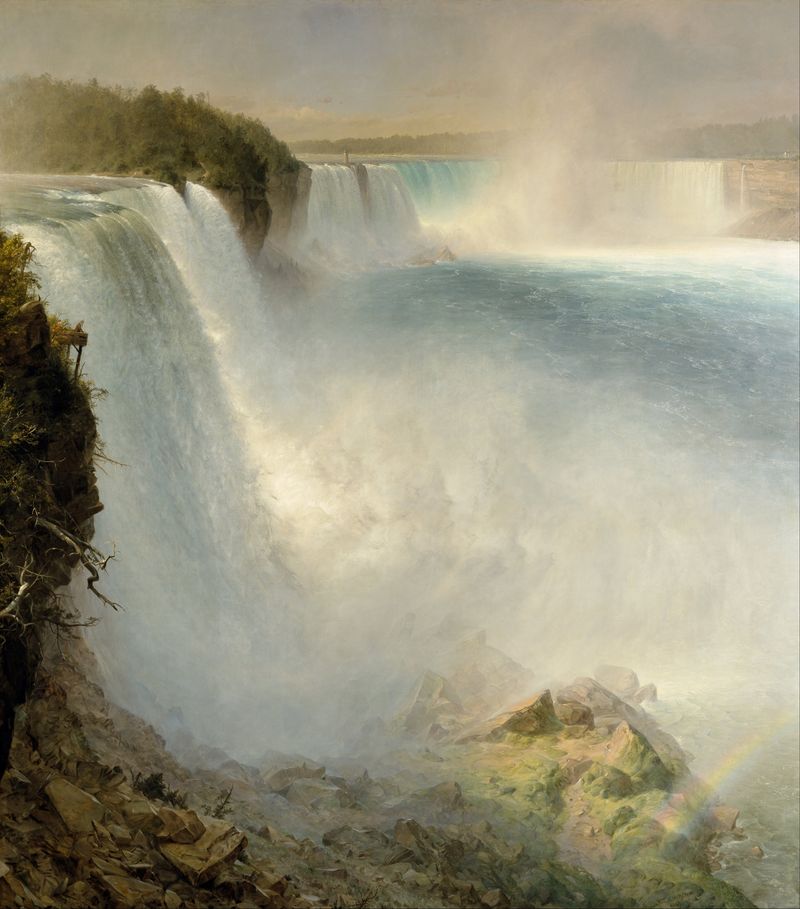
Niagara Falls, from the American Side
Frederic Edwin Church
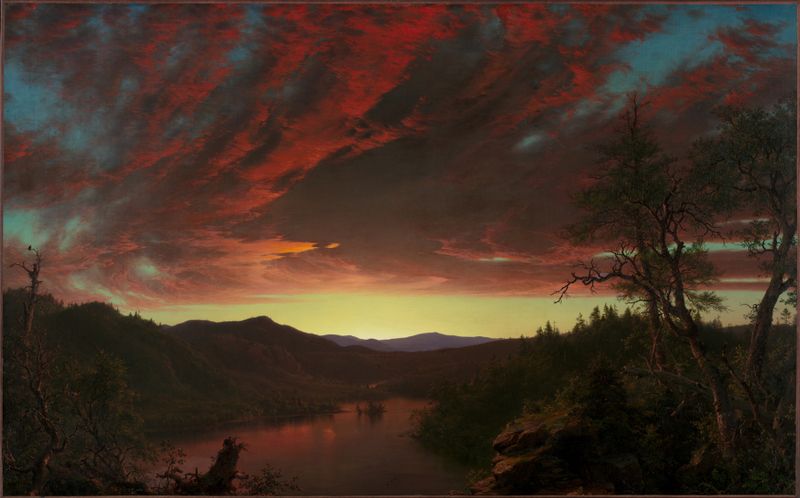
Twilight in the Wilderness
Frederic Edwin Church
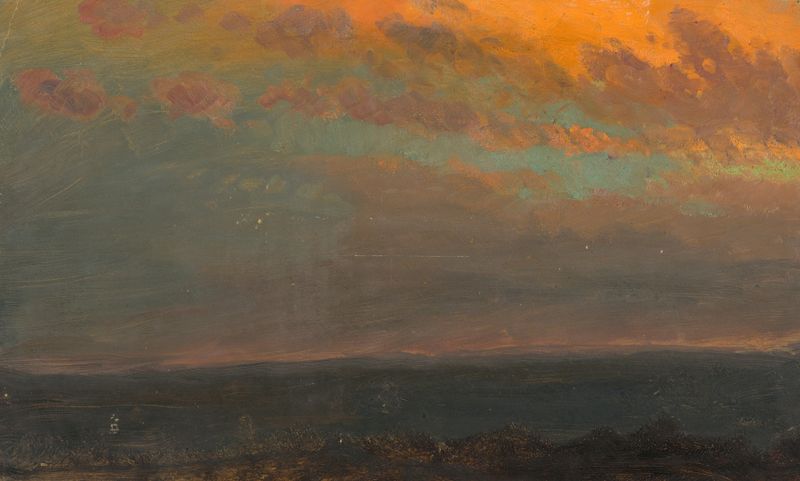
Hudson Valley at Sunset
Frederic Edwin Church
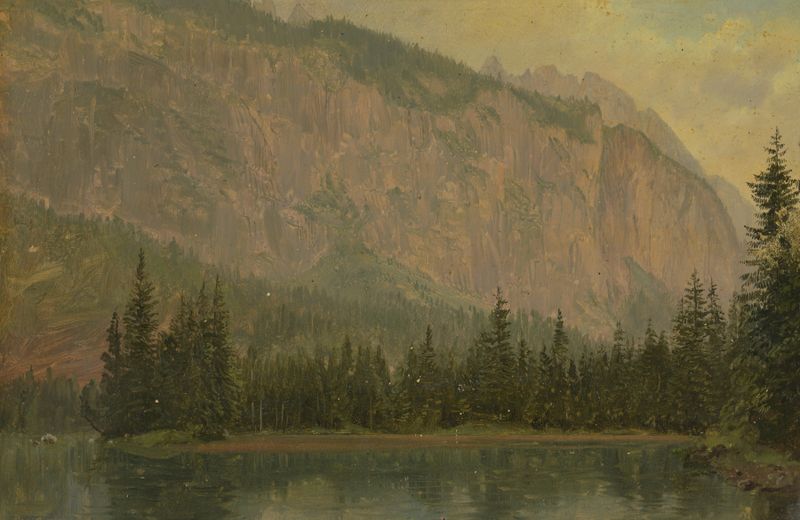
The Hintersee, near Berchtesgaden, Bavaria
Frederic Edwin Church
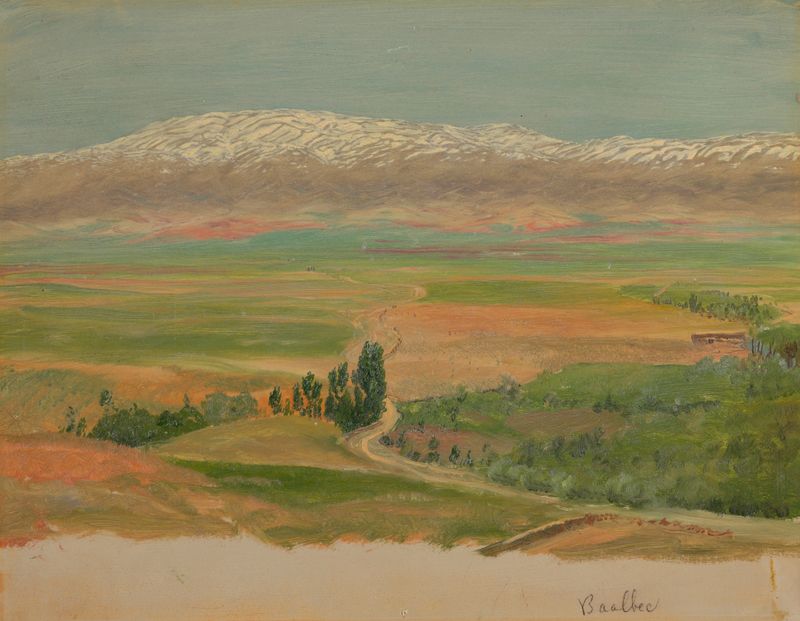
Mountains near Baalbec
Frederic Edwin Church
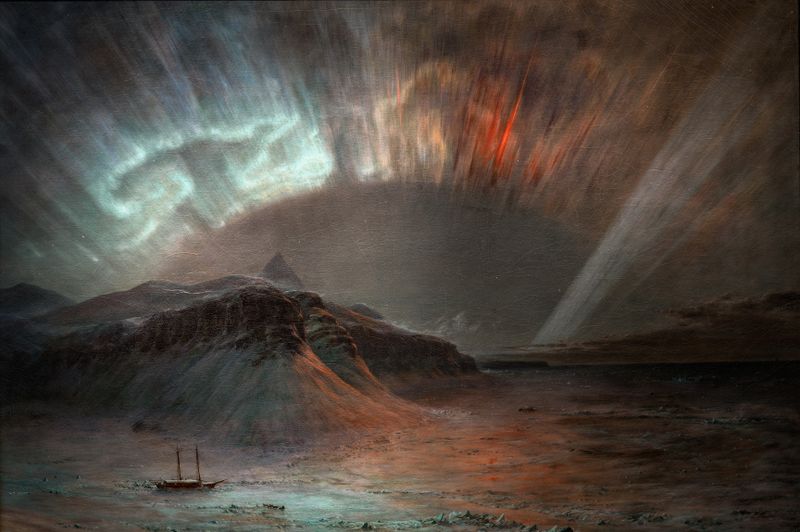
Aurora Borealis
Frederic Edwin Church
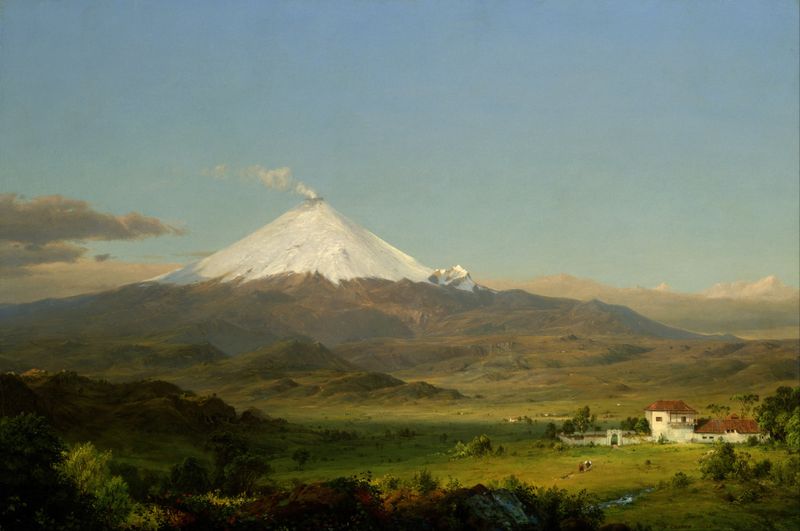
Cotopaxi
Frederic Edwin Church





