
Summer landscape with peasants and cows — History & Facts
When Jules Breton first exhibited Summer landscape with peasants and cows in 1850, he was only twenty-four and still finding his voice as a painter. This work marks one of his earliest forays into the rural realism that would make him famous. At the time, the French art world was dominated by academic history painting, but Breton’s focus on humble country folk was a quiet rebellion.
The painting’s debut coincided with a growing interest in the lives of rural laborers, a subject that would soon preoccupy artists across Europe. In the scene, peasants move through a sunlit field, guiding their cows home after a day’s work. The moment is unremarkable and yet quietly monumental: the low horizon and golden light stretch the landscape, while the figures—stooped, sturdy—are painted with care and dignity. The cows, placid and central, anchor the composition, their presence as important as the people’s.
Breton’s attention to the texture of the earth and the workers’ clothing signals his respect for their daily toil. Unlike Jean-François Millet’s starker, sometimes somber depictions of peasants, Breton’s vision here is one of everyday endurance and gentle pride. The exact early history of Summer landscape with peasants and cows is not fully documented, and its original patron remains unknown. What is clear is that the painting belongs to Breton’s formative years, just before his celebrated works from the region of Artois.
Over time, Breton’s rural scenes would become highly sought after, collected by both French and international patrons. Today, this work is recognized as an important step in his journey from academic painter to chronicler of rural France, and it continues to be displayed as part of a public collection, inviting viewers to reflect on the dignity of ordinary labor.
More Artworks by Jules Breton

The Song of the Lark
Jules Breton
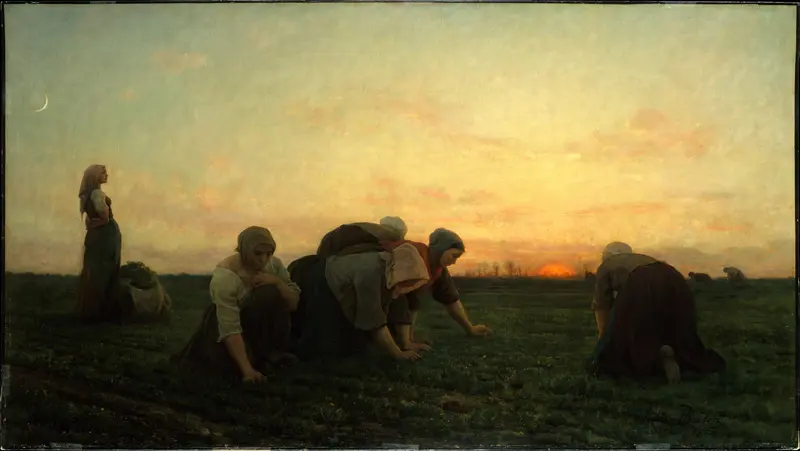
The Weeders
Jules Breton
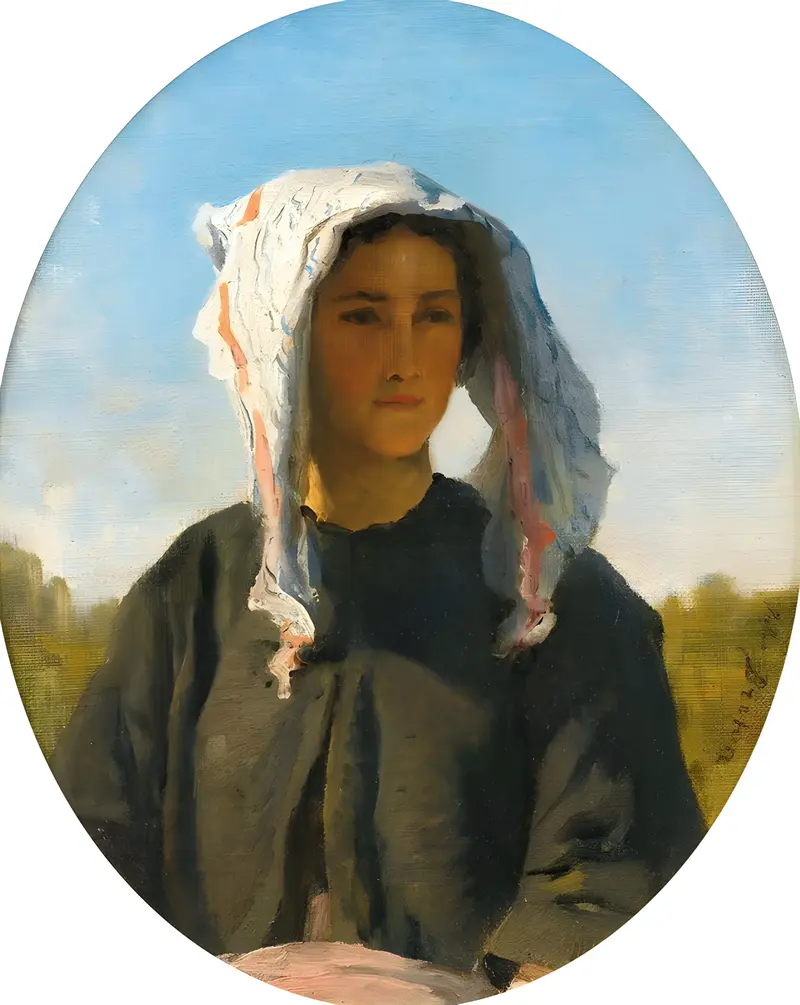
Portrait de jeune Paysanne Bordelaise
Jules Breton
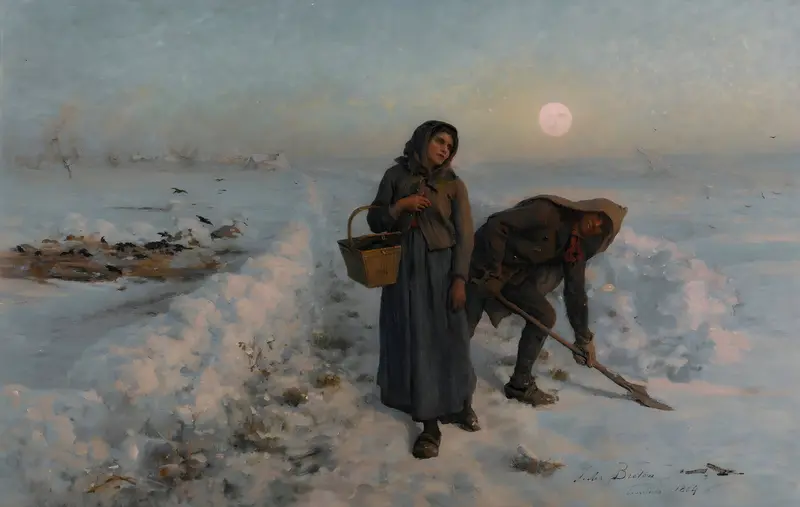
Sur la route en hiver; artois
Jules Breton
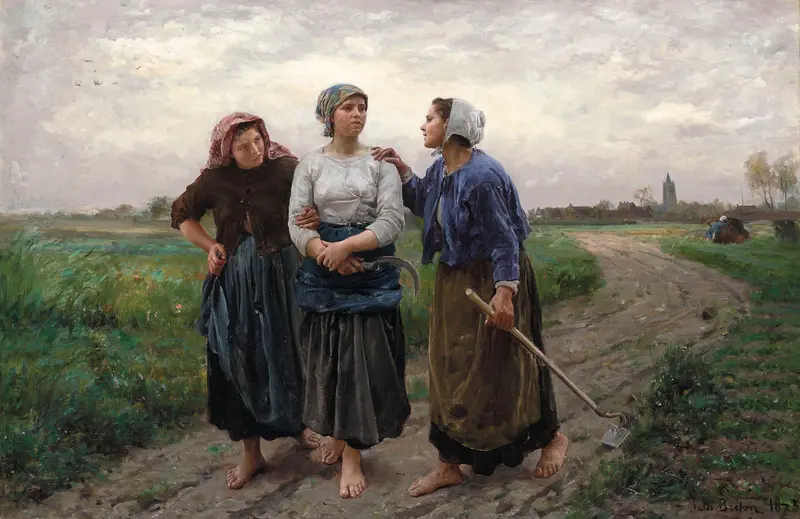
Les amies
Jules Breton
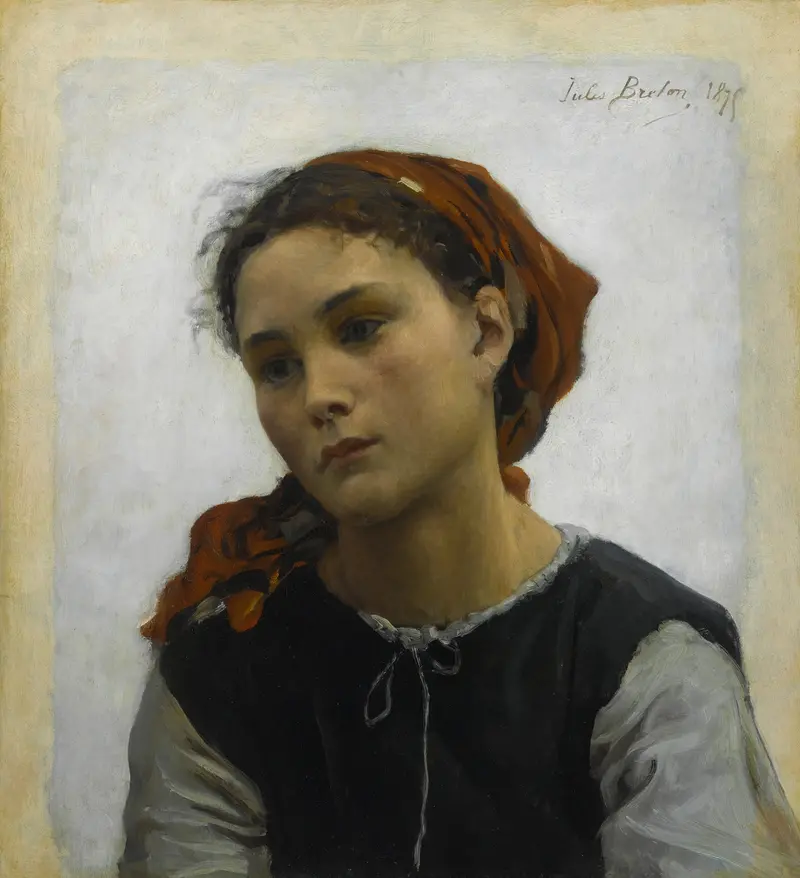
Innocente
Jules Breton
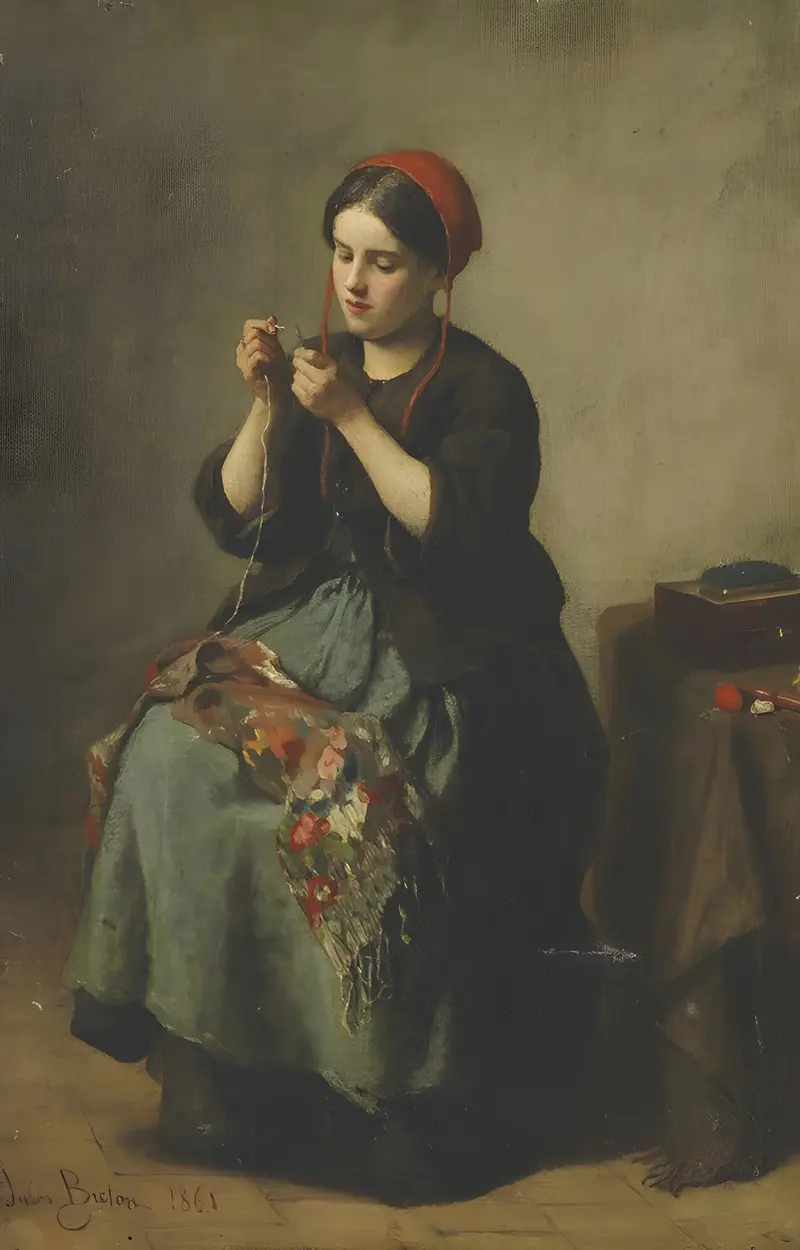
Peasant woman threading a needle
Jules Breton
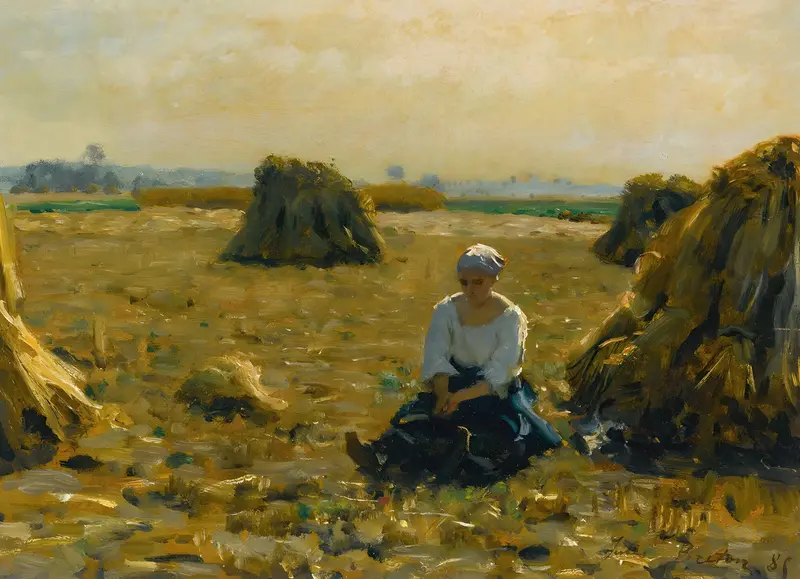
Jeune femme dans les champs
Jules Breton
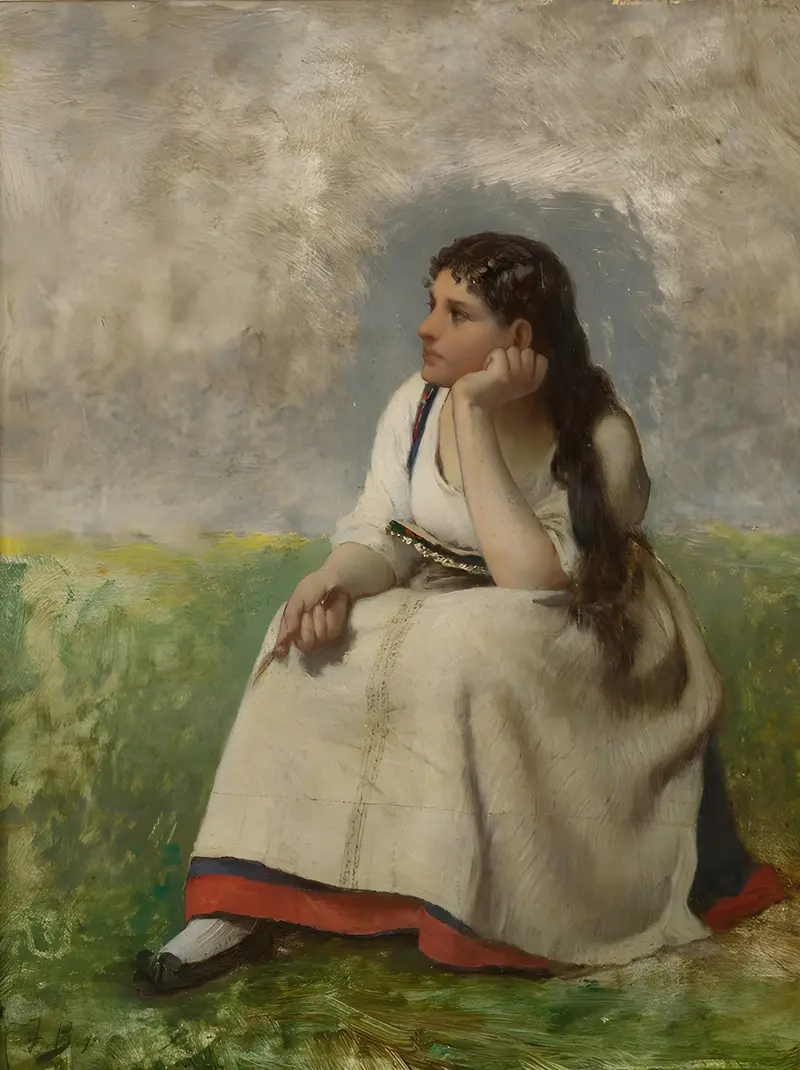
Jeune Fille Pensive
Jules Breton
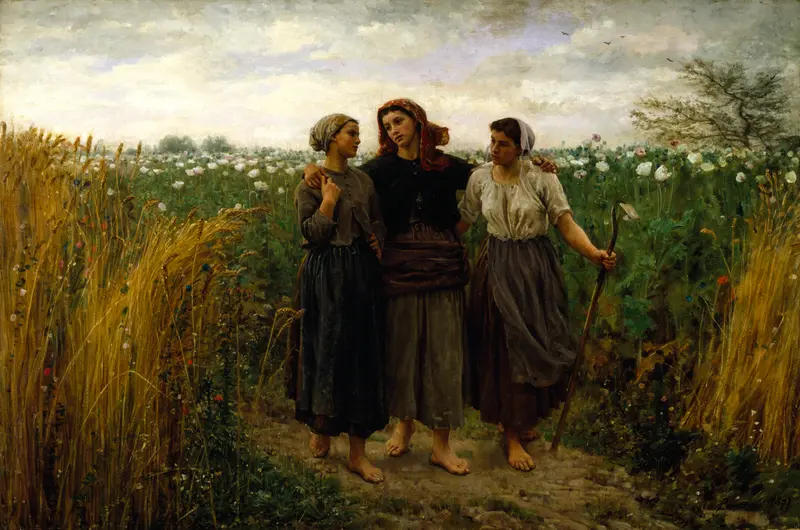
Returning from the Fields
Jules Breton
More Landscape Art

The Starry Night
Vincent van Gogh

View of Delft
Johannes Vermeer

Water Lilies
Claude Monet

The Grand Canal, Venice, looking north-west from the Ca' Corner to the Ca' Contarini degli Scrigni, with the campanile of Santa Maria della Carità
Canaletto

Windsor Castle
Canaletto

The Grand Canal looking North-East from the Palazzo Dolfin-Manin to the Rialto Bridge
Canaletto