
Sunday Morning in a Farmer's House — History & Facts
A shaft of golden light slices through the dim rafters, falling directly onto the heart of the room, where a woman bends to help a young boy with his Sunday best. The eye is drawn first to this intimate exchange, the warmth of the light guiding us through the gentle choreography of family ritual. Around them, life stirs quietly: a small child is tended by her mother, a cradle rocks, and a man adjusts something high on the wall, each gesture hinting at the routines that knit this household together.
The palette, rich with earthy browns and ochres, wraps the scene in a sense of shelter and belonging, while the rough-hewn timber walls speak of a world shaped by labor and tradition. Painted between 1814 and 1876 by Adolph Tidemand, this work belongs to a period when artists across Northern Europe turned their gaze to everyday life, capturing the dignity and rhythm of rural existence. Such scenes were often commissioned or collected by those eager to preserve a vanishing way of life, as industrialization and urban migration began to reshape society. Today, Sunday Morning in a Farmer's House resides in the National Museum of Art, Architecture and Design, a quiet testament to the enduring fascination with ordinary moments.
Notice how the painting invites you to linger, as if you too might step into the hush of this Sunday morning and share in its quiet preparations.
More Artworks by Adolph Tidemand

Bridal Procession on the Hardangerfjord
Adolph Tidemand
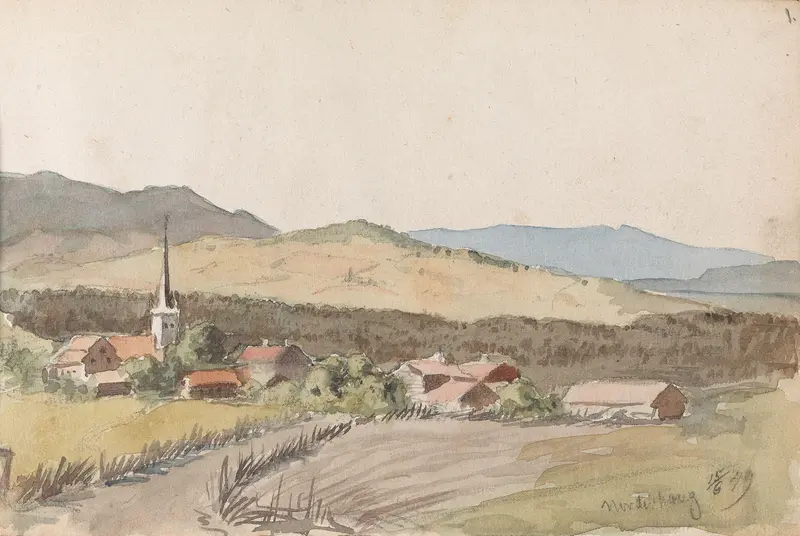
Fra Haugsbygd
Adolph Tidemand
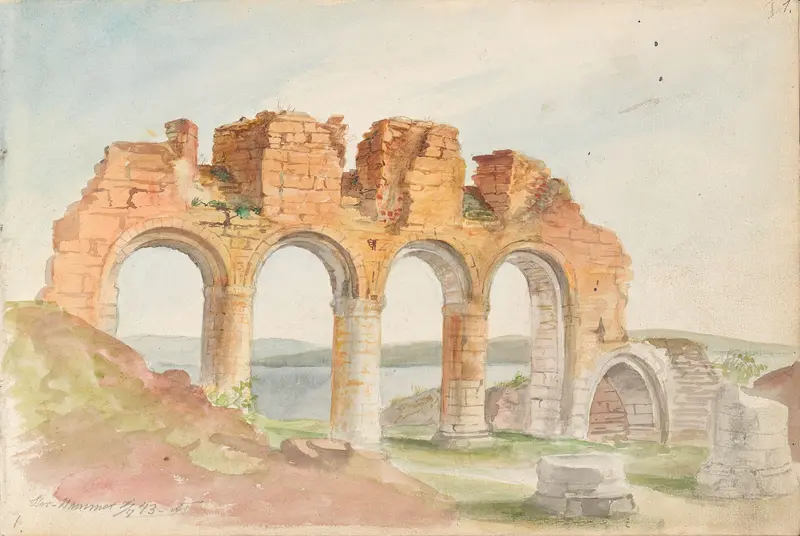
Domkirkeruinen, Hamar
Adolph Tidemand
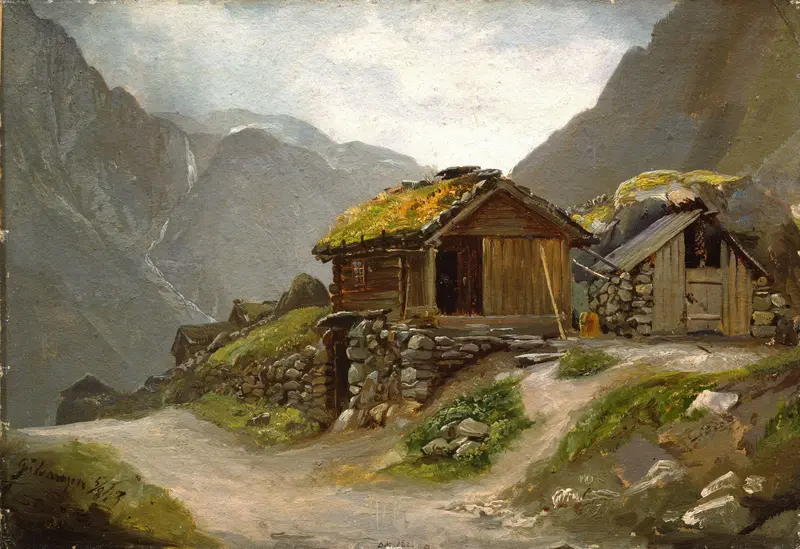
View from Gudvangen
Adolph Tidemand
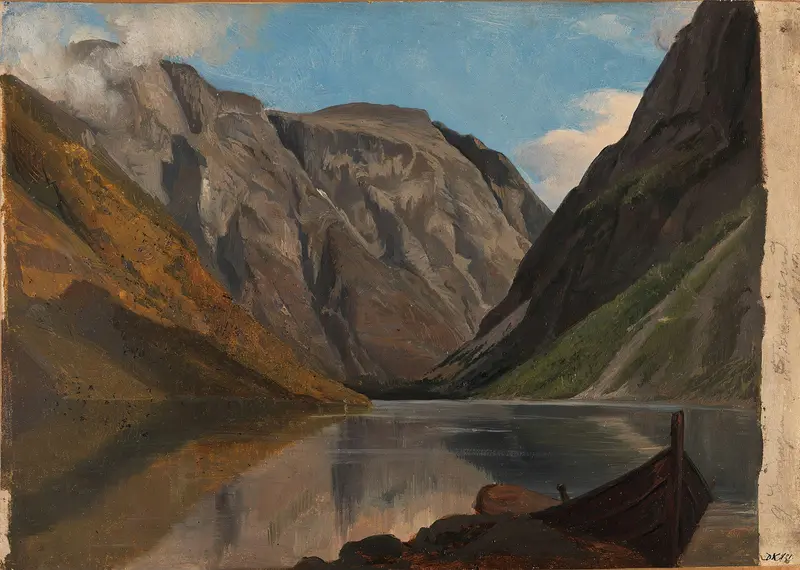
View of Gudvangen
Adolph Tidemand
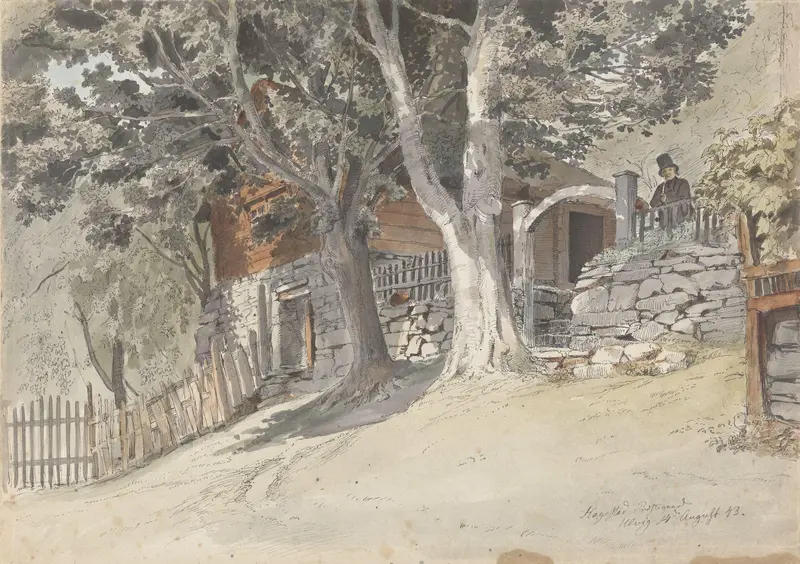
Hagestad prestegård, Ulvik i Hardanger
Adolph Tidemand
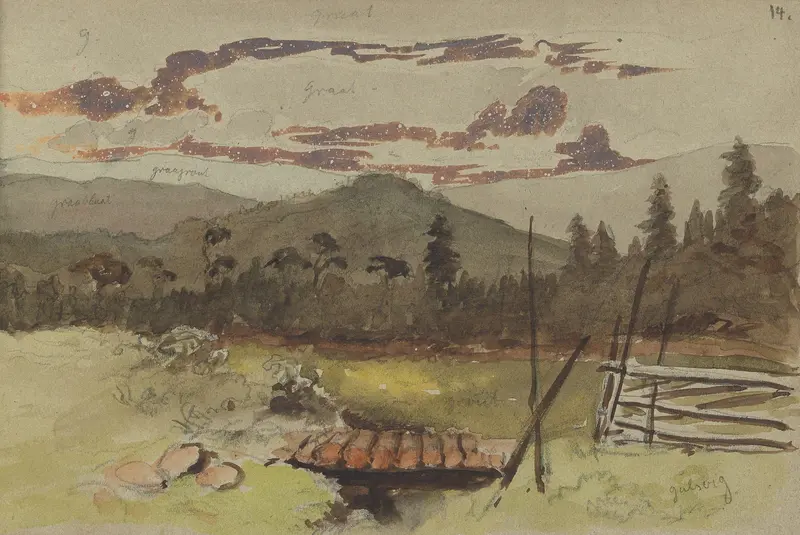
Fra Gulsvik
Adolph Tidemand
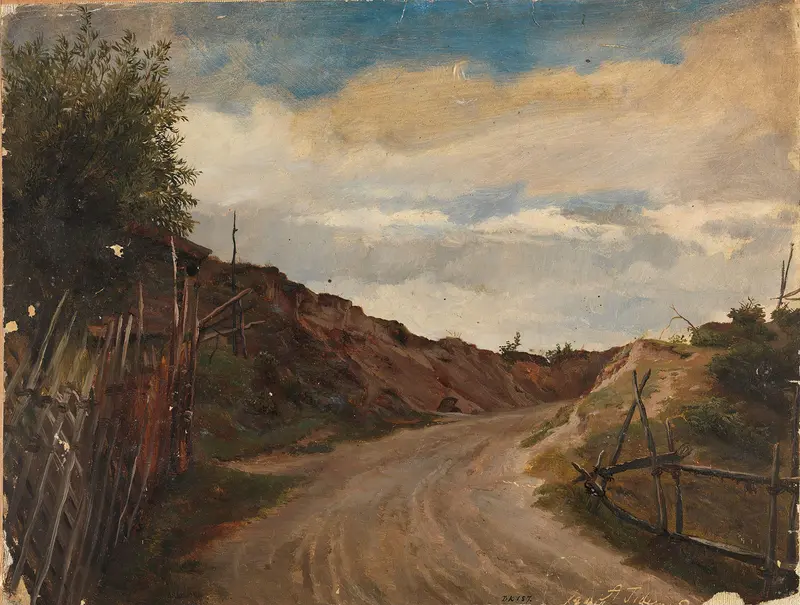
Country Road
Adolph Tidemand
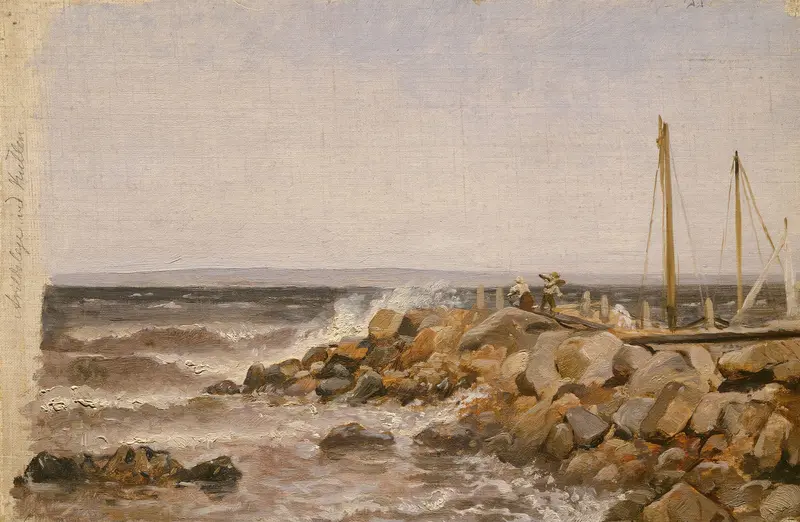
From Kullen in Sweden
Adolph Tidemand
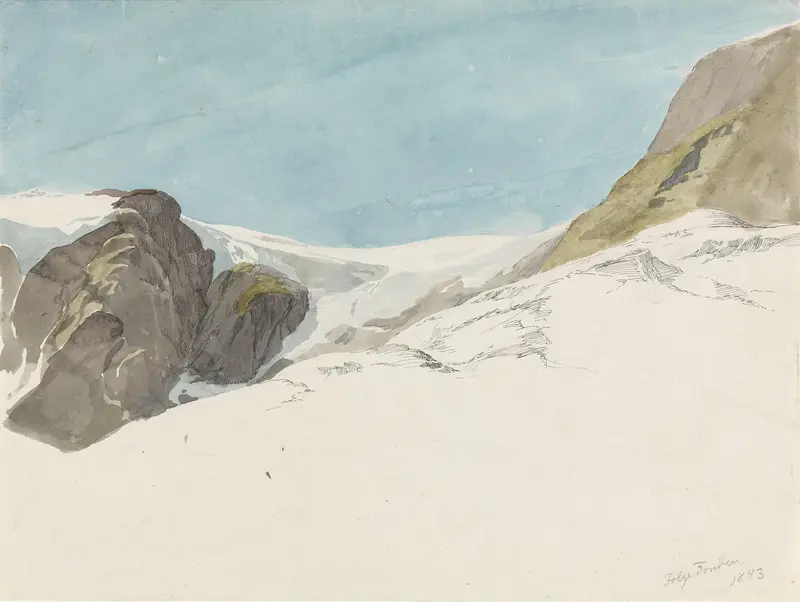
Untitled
Adolph Tidemand
More Genre Scene Art

Banquet of the Officers of the St George Civic Guard
Frans Hals

Rembrandt and Saskia in the Scene of the Prodigal Son
Rembrandt van Rijn

Bal du moulin de la Galette
Pierre-Auguste Renoir

Quadrille at the Moulin Rouge
Henri de Toulouse-Lautrec

A Burial at Ornans
Gustave Courbet

When Will You Marry?
Paul Gauguin