Sunrise Over The Golden Horn — History & Analysis
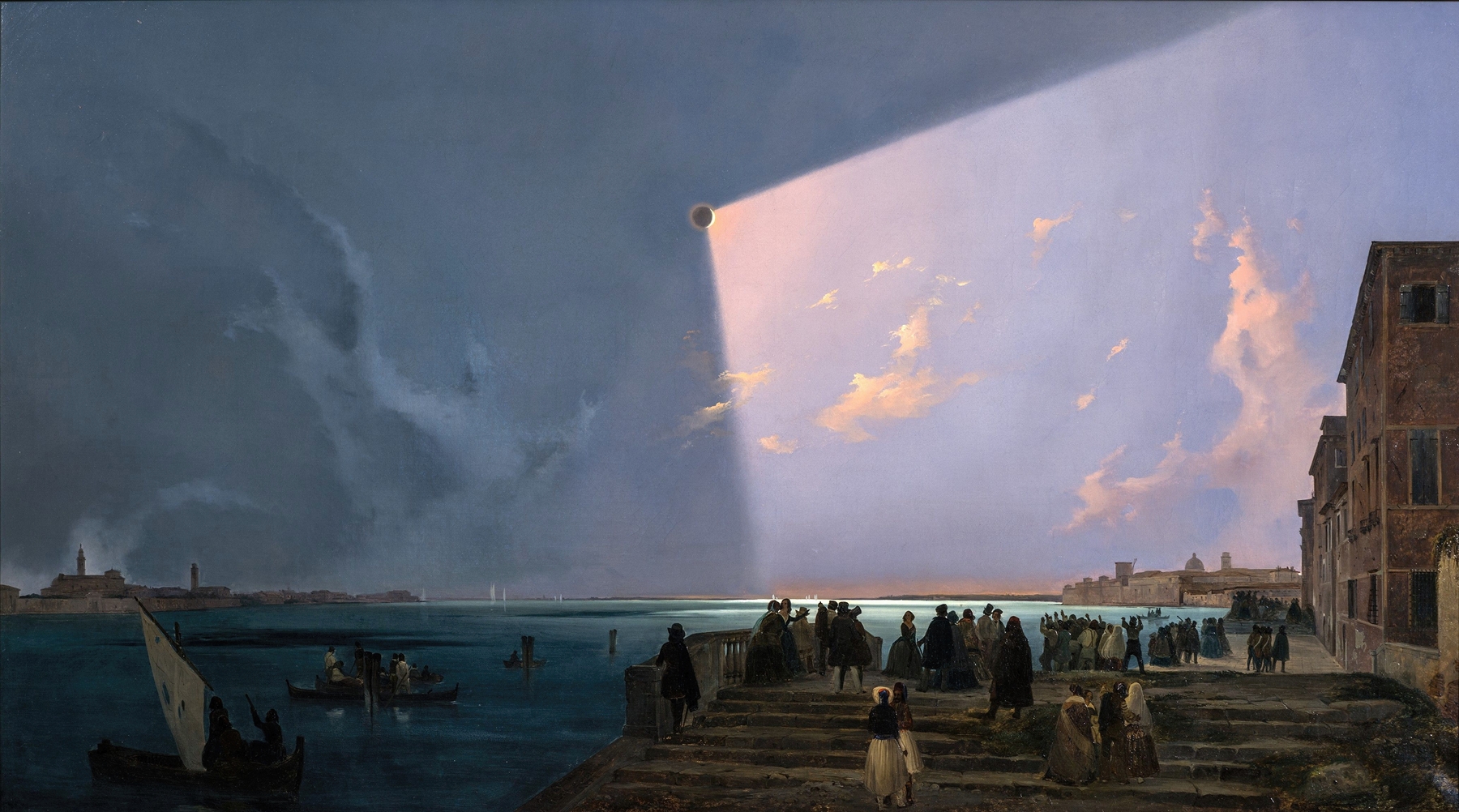
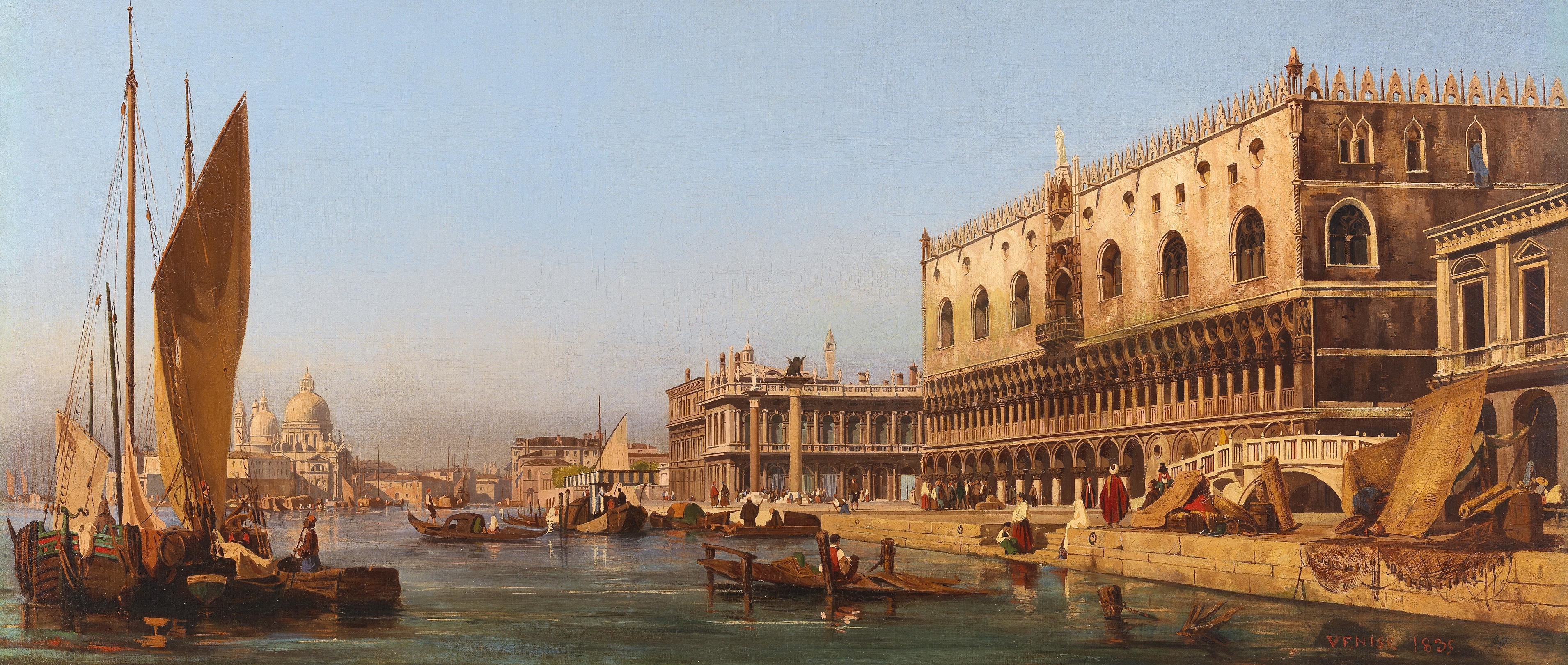
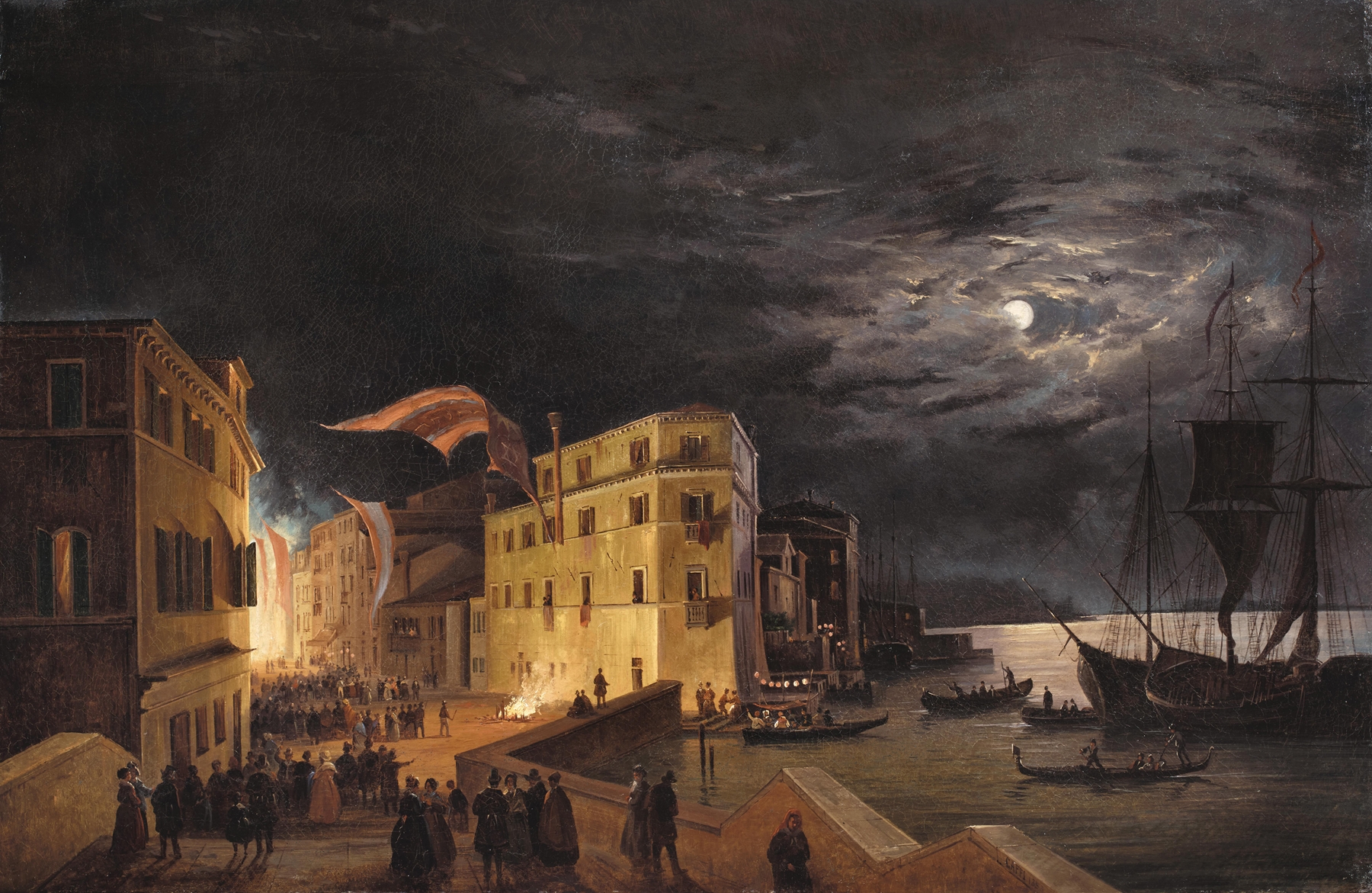
What secret hides in the quiet of the canvas? In Sunrise Over The Golden Horn, the tumult of dawn reveals a world poised between chaos and serenity, where light whispers of renewal. Look to the horizon, where the sun’s tender light spills over the water, casting shimmering reflections that dance upon the surface. Notice how Caffi employs a soft palette of golds and blues, creating a harmonious blend that draws the viewer into the tranquil embrace of morning.
The silhouettes of distant ships punctuate the expansive sky, their stillness in stark contrast to the vibrant sky, suggesting a gentle awakening from night’s grasp. Beneath the surface beauty lies a tension between the expected calm of dawn and the chaos lurking in the shadows. The vibrant colors suggest the turmoil of a world awakening, teetering on the edge of activity. Billowing clouds hover above, their form both inviting and ominous, hinting at the unpredictable nature of life itself—a reminder that every serene moment may harbor an unseen storm.
In 1844, Ippolito Caffi painted this piece while residing in Venice, amidst a period of political turbulence and artistic change in Italy. The Romantic movement was gaining momentum, encouraging artists to explore emotion and nature. Caffi was influenced by both the beauty and chaos of his surroundings, capturing a moment that resonates with viewers even today.